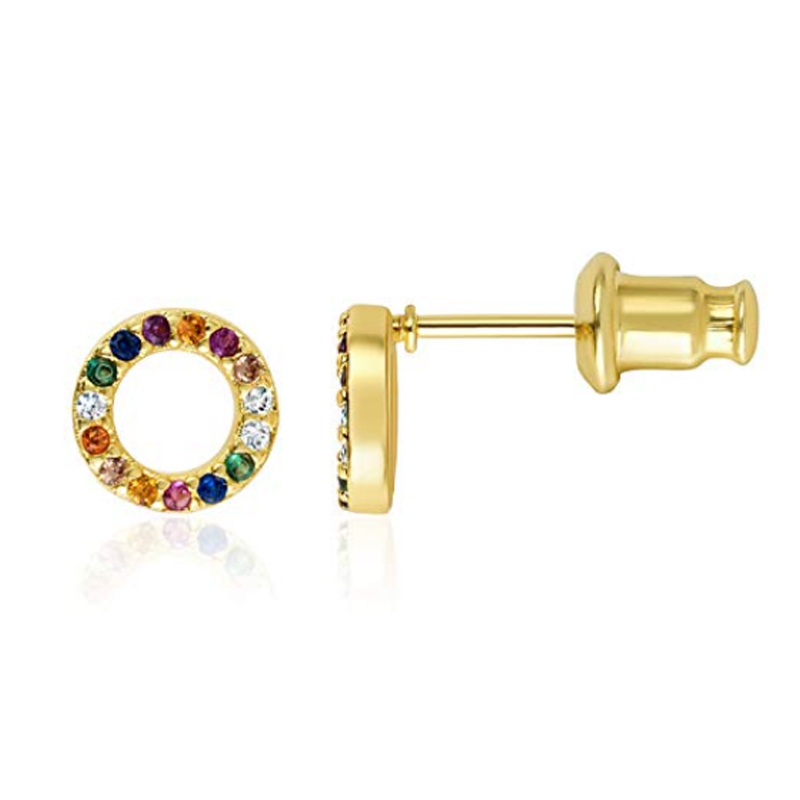
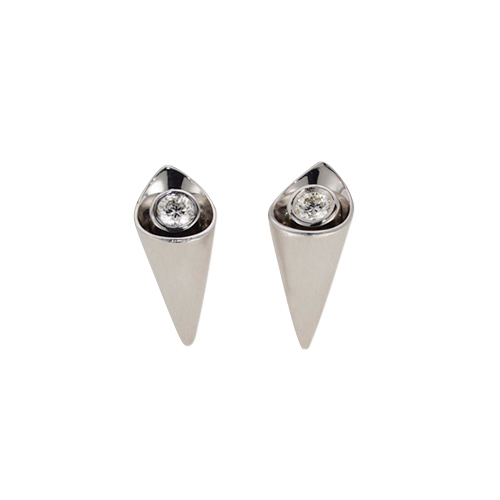
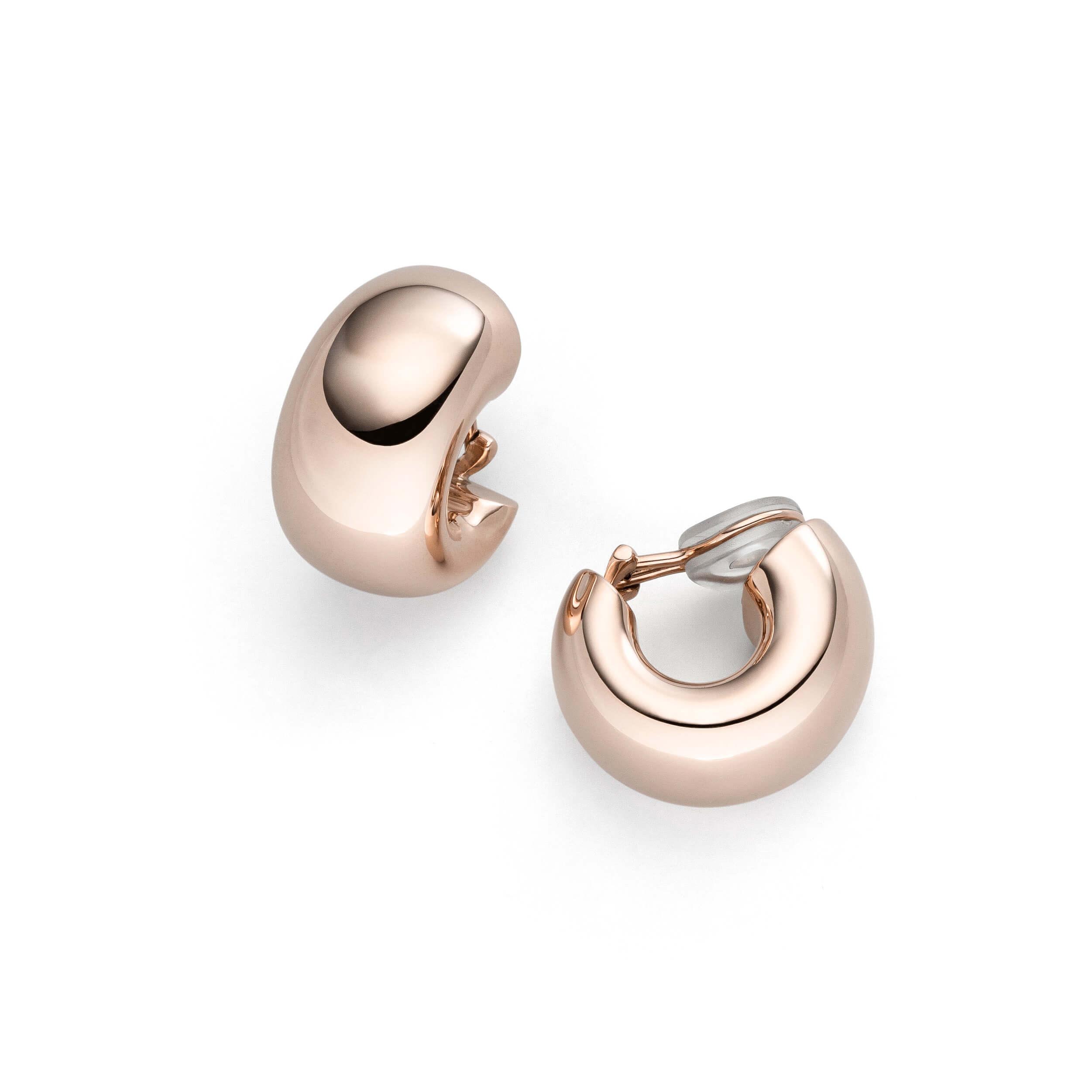
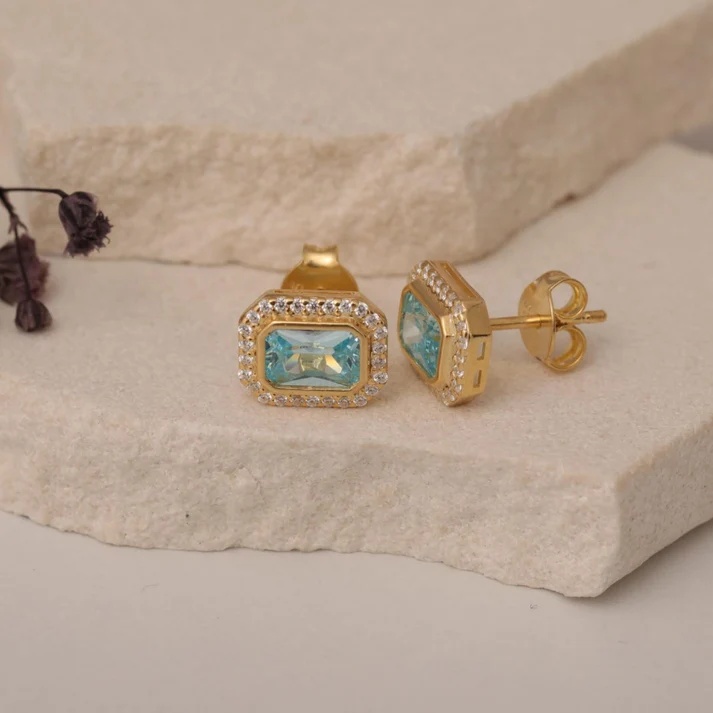
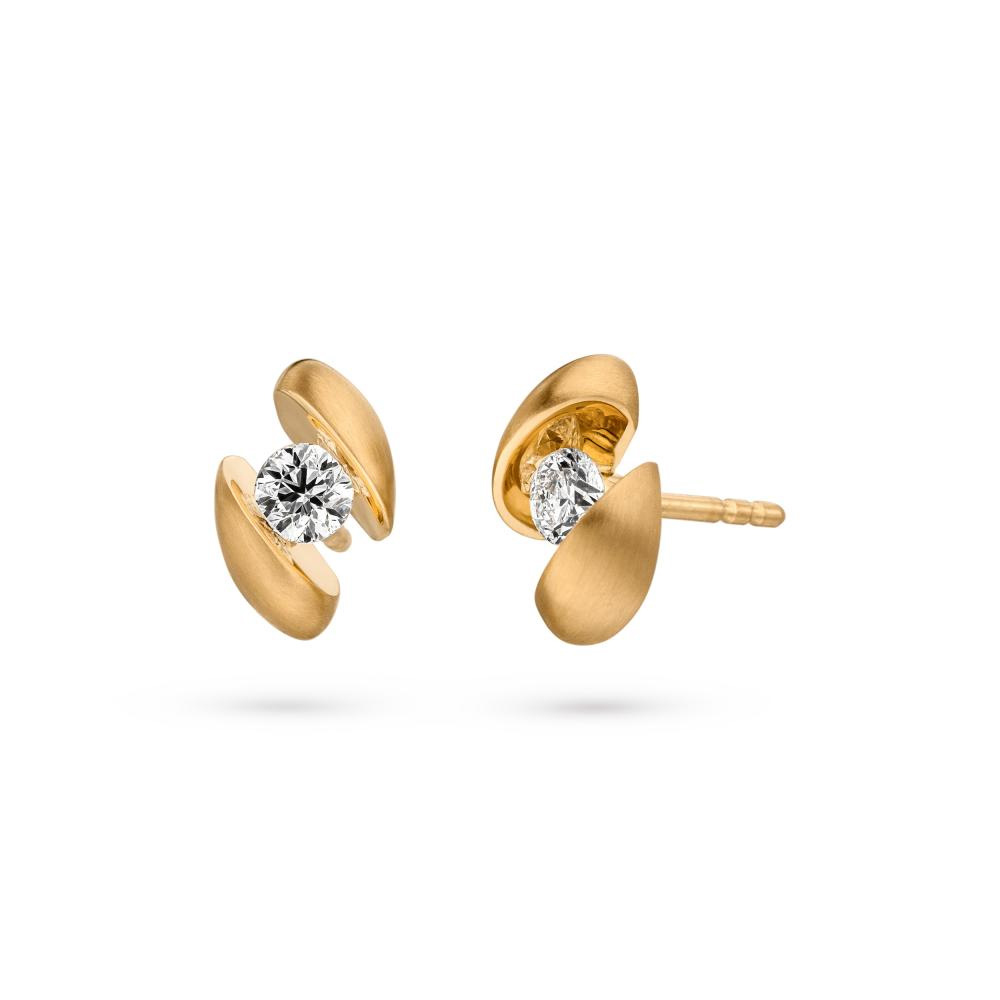
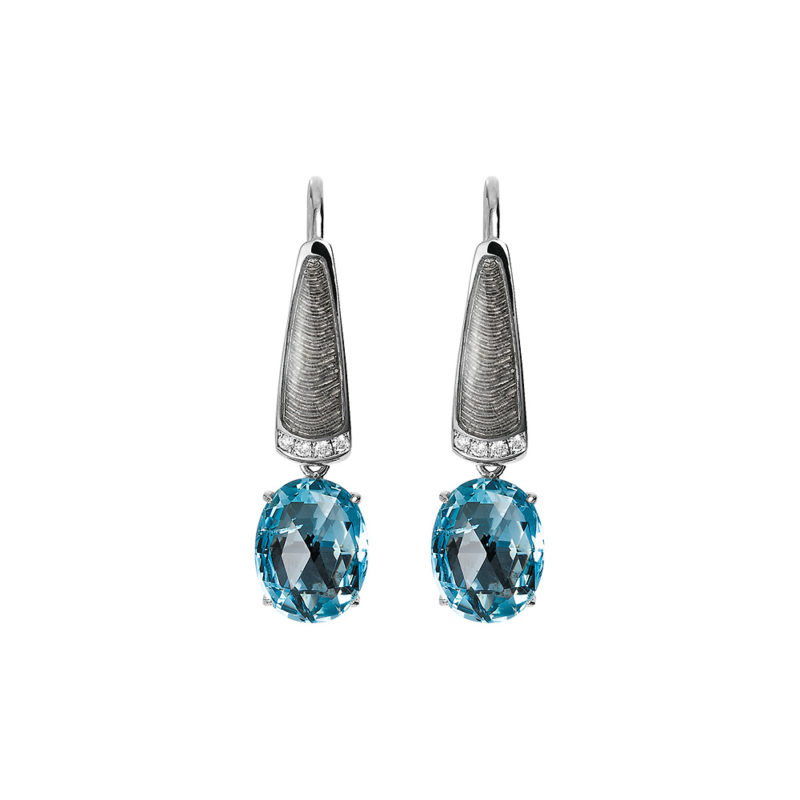
Pierced Earrings Sterling Silver Custom Jewelry Manufacturer
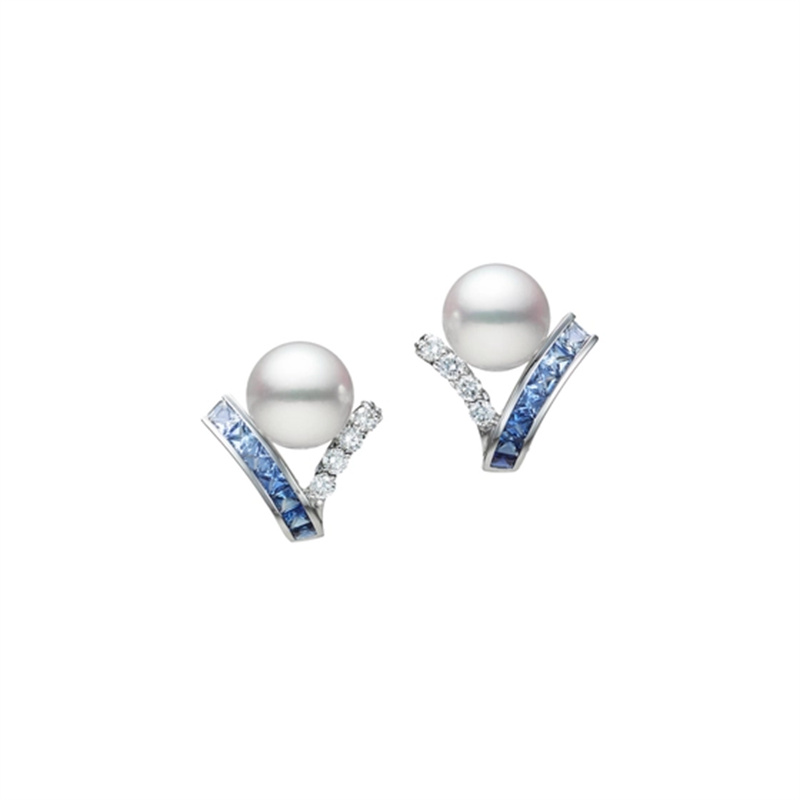
Pierced Earrings Sterling Silver Custom Jewelry Manufacturer
LET’S GET STARTED : mo@kingjy.com
The Complete Guide to Custom Pierced Earrings in Sterling Silver at JINGYING
Introduction
In an era where mass-produced accessories dominate the market, the demand for personalized jewelry that tells a unique story has never been stronger. Custom pierced earrings in sterling silver represent a perfect intersection of timeless elegance, contemporary design, and individual expression. At JINGYING, a premier mid-to-high-end jewelry OEM manufacturer with over two decades of industry experience, the journey from conceptual sketch to finished piece is a meticulously crafted process that combines traditional artistry with cutting-edge technology .
This comprehensive guide explores every facet of creating custom pierced earrings in sterling silver through JINGYING’s end-to-end manufacturing ecosystem. Whether you are an emerging designer launching your first collection, an established brand seeking to expand your offerings, or an individual with a singular vision, understanding this process empowers you to transform aesthetic concepts into wearable art.
Why Sterling Silver? Understanding the Material Foundation
Before delving into the customization process, it is essential to understand why 925 sterling silver stands as the gold standard for custom earrings. Sterling silver consists of 92.5% pure silver alloyed with 7.5% other metals—typically copper—creating a material that balances beauty, durability, and workability .
This composition offers several compelling advantages:
Structural Integrity: Pure silver is too soft for functional jewelry, prone to bending and deformation. The copper alloy provides the necessary hardness while maintaining the metal’s natural luster. This is particularly critical for pierced earrings, which must withstand daily wear, accidental snagging, and repeated insertion and removal .
Hypoallergenic Properties: High-purity silver with proper nickel-free plating is safe for sensitive skin, making it suitable for prolonged contact with pierced tissue. JINGYING’s sterling silver complies with international regulations like the EU’s nickel-free standards .
Machinability: Sterling silver responds exceptionally well to casting, CNC machining, stone setting, and finishing techniques, allowing for intricate designs from delicate filigree to bold sculptural forms .
Cost-Effectiveness: While offering a premium aesthetic, sterling silver remains significantly more accessible than solid gold, making it an ideal medium for both entry-level and luxury collections.
JINGYING’s Position in the Custom Jewelry Ecosystem
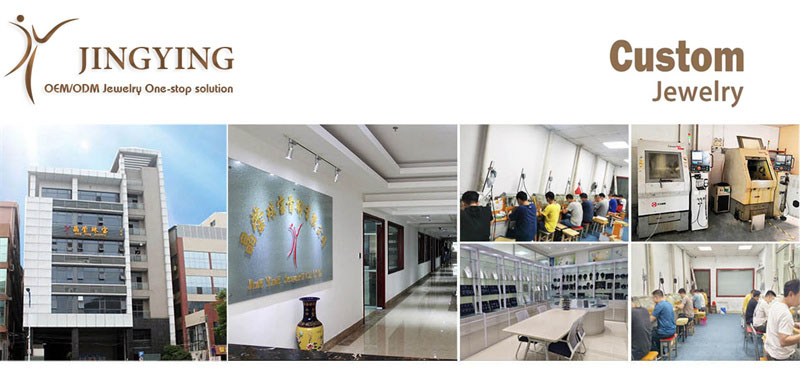
Founded in 1998 and headquartered in Guangzhou—China’s prolific jewelry manufacturing hub—JINGYING has evolved from a traditional workshop into an integrated original equipment manufacturer (OEM) and original design manufacturer (ODM) serving major international brands across more than 30 countries . The company’s name, 晶英 (JINGYING), embodies its core principles: 晶 (JING) meaning “crystal” represents clarity and brilliance, while 英 (YING) meaning “essence” or “excellence” signifies the pinnacle of quality .
Three core competencies distinguish JINGYING in the custom jewelry landscape:
Vertical Integration: Unlike manufacturers that outsource production stages, JINGYING manages every phase under one roof—from initial CAD modeling and 3D printing to casting, stone setting, polishing, plating, and packaging. This eliminates fragmentation and quality inconsistencies inherent in coordinating multiple vendors .
Technological Sophistication: JINGYING’s capabilities include multi-axis CNC systems achieving ±0.01mm accuracy, 50,000 RPM spindle speeds, and 0.1mm micro-tools for intricate hollowing operations—specifications particularly relevant for pierced earrings requiring precise channel dimensions and delicate decorative piercing .
Accessibility Without Compromise: Low minimum order quantities starting at just 50 pieces for custom designs contrast with the capacity to scale to 50,000-unit productions for established brands. This flexibility accommodates emerging designers, boutique brands, and individual commissions alike .
The Customization Workflow: From Concept to Finished Earring
JINGYING’s custom manufacturing process follows a structured pathway comprising six major phases. Understanding this workflow enables clients to anticipate timelines, prepare appropriate documentation, and participate effectively in design refinement.
Phase 1: Design Consultation and Documentation
The customization journey begins when the client submits design materials to JINGYING via email (mo@kingjy.com) or through the company’s online portal . Submission materials may include:
- Hand-drawn sketches or digital illustrations
- Photographs of inspiration pieces
- CAD files (if available)
- Written specifications describing dimensions, finishes, and stone requirements
- Reference to existing JINGYING catalog designs for modification
JINGYING’s design team reviews each submission for aesthetic appeal and production feasibility. This collaborative phase is critical—experienced designers provide professional feedback to optimize structure and production efficiency, improving durability while reducing costs and preserving aesthetic integrity .
Phase 2: CAD Modeling and Technical Design
Once the initial concept is approved, JINGYING’s CAD engineers convert the design into precise three-dimensional models using advanced professional software. This phase includes several technical considerations specific to pierced earrings:
Gauge Specifications: Body jewelry is standardized by gauge (AWG) measurements. Common ear piercing gauges range from 18G (1.0mm diameter) to 14G (1.6mm diameter) for standard piercings, with up to 8G (3.2mm) for stretched piercings. Spear or elongated pierced earrings must be designed with shaft diameters compatible with these standards. JINGYING’s CNC systems achieve tolerances of ±0.05mm on shaft dimensions, ensuring proper fit without excessive friction or looseness .
Weight Distribution: Optimal pierced earrings typically weigh under 15g per piece to prevent lobe stretching or discomfort during extended wear. Achieving this while maintaining structural integrity requires hollowing techniques—CNC piercing to remove excess material—or tapered geometries that concentrate mass near decorative elements rather than along the shaft .
Shrinkage Allowance: CAD models incorporate shrinkage allowances of approximately 2-3% for silver casting to ensure final dimensions match specifications .
Piercing Pattern Design: For earrings incorporating decorative voids—creating lattice, filigree, or negative-space effects—CAD models define the exact shape, size, and spacing of pierced elements. Toolpath simulation verifies that proposed patterns are machinable with available micro-tools (minimum 0.3mm width for silver) .
During this phase, JINGYING provides detailed quotations including costs and production timelines, enabling clients to plan effectively .
Phase 3: Sample Development and Approval
Following CAD approval, JINGYING produces physical samples for client review. This critical phase typically involves:
Rapid Prototyping: 3D printing technologies create wax or resin models for casting, significantly shortening prototyping cycles compared to traditional hand-carving methods .
Casting: Samples are cast using JINGYING’s precision casting equipment, producing metal prototypes that accurately represent the final product.
Sample Finishing: Prototypes receive preliminary finishing to enable accurate assessment of size, craftsmanship, comfort, and aesthetic quality.
Clients can evaluate sample earrings for:
- Dimensional accuracy against specifications
- Surface finish quality and overall appearance
- Comfort during simulated wear
- Stone setting security (if applicable)
- Structural integrity, particularly for elongated designs
Client approval at this stage is required before proceeding to bulk production. Any necessary modifications are incorporated into the final design at this point .
Phase 4: Bulk Production
Once samples are approved, full production commences. This phase encompasses several manufacturing processes:
Casting: Production quantities are cast using JINGYING’s industrial-scale equipment, ensuring consistency across all units.
CNC Piercing and Machining: For designs incorporating decorative piercings or complex geometries, JINGYING’s Multi-Axis Micro-Piercing System produces precision channels and voids. The system can achieve 0.3-0.5mm piercing widths consistently across 10,000+ production units .
Stone Setting: For earrings incorporating gemstones, JINGYING offers multiple setting techniques:
- Micro-pavé setting using Japanese-manufactured setting equipment, achieving 99% stone retention rates
- Bezel setting for centerpiece stones
- Channel setting for accent stones
- Prong setting for secure gemstone placement
Each stone is individually seated and burnished, followed by a 3-meter drop test to verify retention—pieces passing this test are considered secure for normal wear .
Surface Finishing: Base finishing includes:
- Magnetic tumbling (8-24 hours depending on requirements)
- Ultrasonic cleaning
- Preliminary polishing
Plating: Earrings receive 2-3 plating layers depending on specification. JINGYING’s standard silver vermeil process applies thick silver base plating followed by gold or rhodium top plating at 3μm thickness, warranted for one year of normal wear . Alternative finishes include:
- High-polish mirror finish via multi-stage buffing
- Matte or satin textures
- Oxidized or antique effects
- Selective plating combinations (e.g., rose gold terminals with rhodium-plated shafts)
Branding and Personalization: JINGYING supports brand logo engraving and custom packaging, enabling clients to build distinctive brand identities .
Phase 5: Quality Assurance
Every custom earring order undergoes JINGYING’s multi-stage quality assurance protocol:
| Checkpoint | Method | Acceptance Criterion |
|---|---|---|
| Dimensional Accuracy | CMM or optical comparator | ±0.05mm on critical dimensions |
| Piercing Channel Cleanliness | 10× magnification microscope | No burrs exceeding 0.02mm |
| Surface Finish Quality | Light chamber inspection | Ra ≤0.1μm for polished surfaces |
| Stone Security | Manual probe + 3m drop test | 0% loose stones post-test |
| Plating Thickness | XRF analyzer | ≥3μm for vermeil specification |
| Material Purity | XRF spectroscopy | 92.5-93% Ag for S925 |
Source: JINGYING quality control documentation
Phase 6: Packaging and Logistics
Approved earrings proceed to packaging according to client specifications. JINGYING offers customized packaging options that align with brand identity, from simple anti-tarnish pouches to premium gift boxes. Secure international shipping ensures products arrive in pristine condition .
Design Parameters and Technical Considerations for Pierced Earrings
Before engaging JINGYING’s customization services, understanding specific design considerations that distinguish pierced earrings from other jewelry categories is essential.
Anatomical and Functional Requirements
Length Considerations: Unlike standard stud earrings with 8-10mm posts, elongated pierced designs may extend 30-60mm or more, potentially passing through multiple piercing points (e.g., helix to lobe). Extended designs introduce challenges of leverage and torque—a longer lever arm magnifies forces from accidental snagging, potentially causing deformation or injury. JINGYING addresses this through structural reinforcement strategies, including thickened core sections and strategic ribbing concealed within decorative elements .
Threader-Style Considerations: Threader earrings, which feature a fine chain or wire that threads through the piercing, require particular attention to gauge precision. Standard threader designs typically use 1mm (18 gauge) wire, requiring exacting dimensions for smooth passage through the piercing while remaining secure .
Aesthetic and Decorative Elements
The pierced earring format accommodates diverse decorative treatments:
Terminal Elements: The visible ends may feature geometric forms (spheres, cones, pyramids), organic motifs (floral, botanical), or abstract sculptural shapes. JINGYING’s 5-axis CNC capabilities enable complex undercuts and 3D contours previously achievable only through hand carving .
Channel Piercing: Decorative voids within the earring structure create lattice, filigree, or negative-space effects requiring precision piercing technology .
Surface Finishes: Options include high-polish mirror finishes, matte/satin textures, oxidized/antique effects, and selective plating combinations .
Gemstone Integration: Designs may incorporate pavé-set stones along the shaft, bezel-set centerpieces at terminals, or channel-set accents .
Practical Considerations for Clients
Minimum Order Quantities and Timelines
JINGYING supports low minimum order quantities starting from 50 pieces per design, ideal for emerging designers and small brands, while also efficiently handling large-volume orders. Standard production cycles range from 4-6 weeks following sample approval, with complex designs or large orders requiring additional time .
Material Options
Beyond sterling silver, JINGYING offers alternative materials for specific requirements:
| Material | Hardness (Mohs) | Biocompatibility | Best Application |
|---|---|---|---|
| S925 Silver | 2.5-3 | Good (with plating) | General-purpose pierced earrings |
| 14K Gold | 2.8-3.5 | Excellent | Premium/luxury pieces |
| Titanium (Grade 23) | 6 | Excellent | Sensitive skin, medical-grade |
| Stainless Steel (316L) | 5.5 | Very Good | Budget-conscious, high-durability |
Source: Compiled from JINGYING technical documentation
Caring for Custom Sterling Silver Earrings
Although durable, sterling silver jewelry benefits from proper care:
- Avoid prolonged contact with water, perfume, and cosmetics to prevent oxidation
- Clean regularly with silver polishing cloths
- Store in airtight anti-tarnish cases
- Remove before swimming or bathing
Conclusion
Customizing pierced earrings in sterling silver at JINGYING represents a partnership between creative vision and manufacturing excellence. The company’s vertically integrated facility, advanced CNC capabilities, flexible order quantities, and rigorous quality assurance create an environment where designers, brands, and individuals can confidently transform concepts into production-ready pieces .
From the initial design consultation through CAD modeling, sample development, bulk production, and quality control, JINGYING’s comprehensive workflow ensures that each piece meets exacting standards of craftsmanship, comfort, and aesthetic appeal. The company’s commitment to sterling silver as a material foundation—balancing beauty, durability, and accessibility—provides an ideal canvas for the diverse expressions of pierced earring design.
Whether launching a new collection, expanding an existing line, or creating a singular statement piece, JINGYING’s two decades of industry experience and commitment to technical innovation offer a pathway from concept to finished earring that bridges the gap between artistic vision and wearable art .