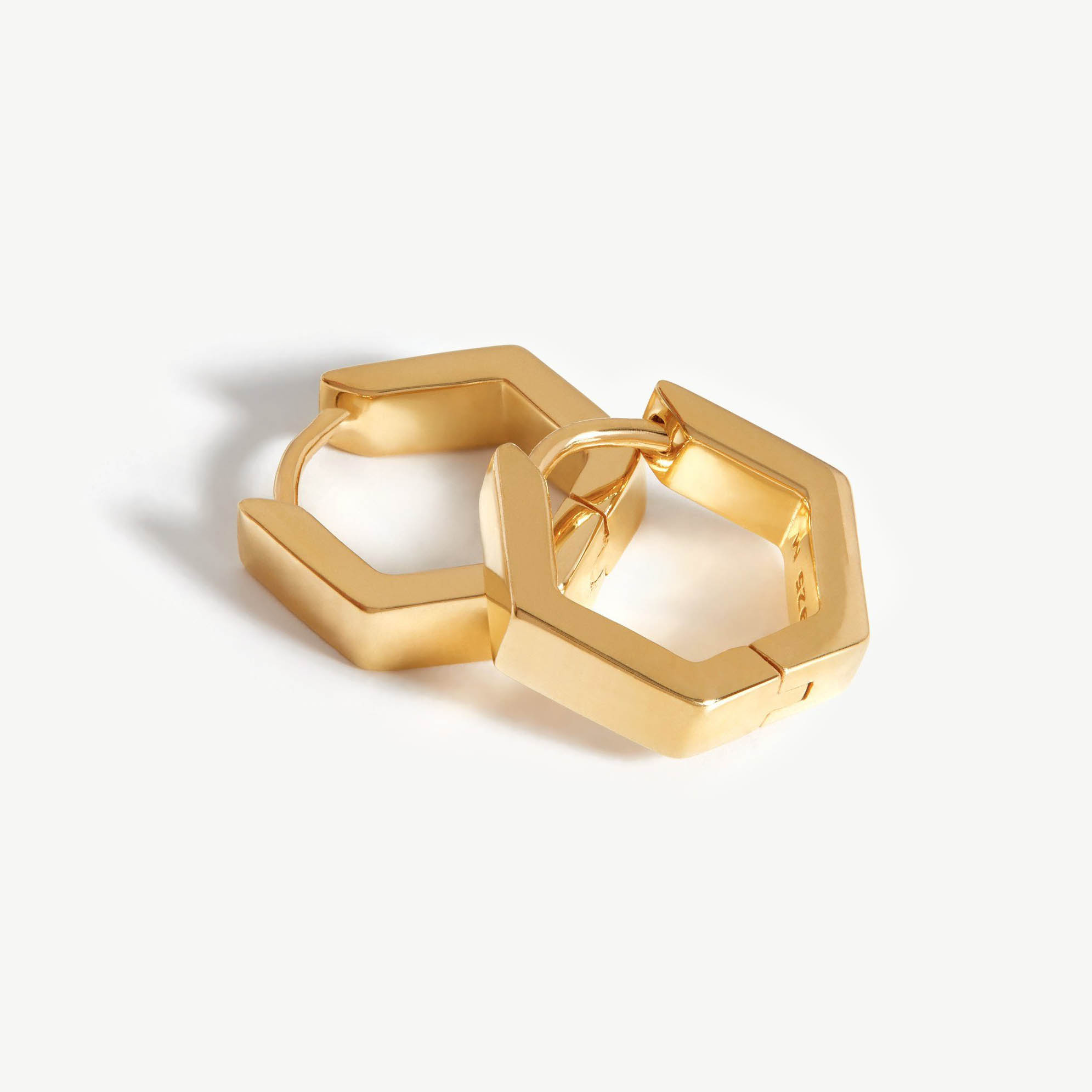
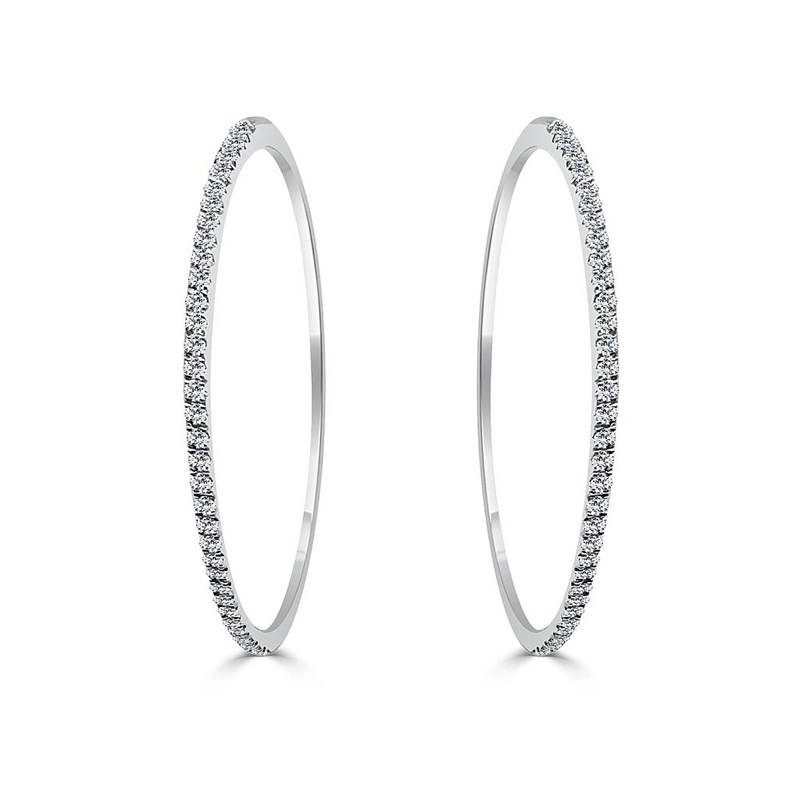
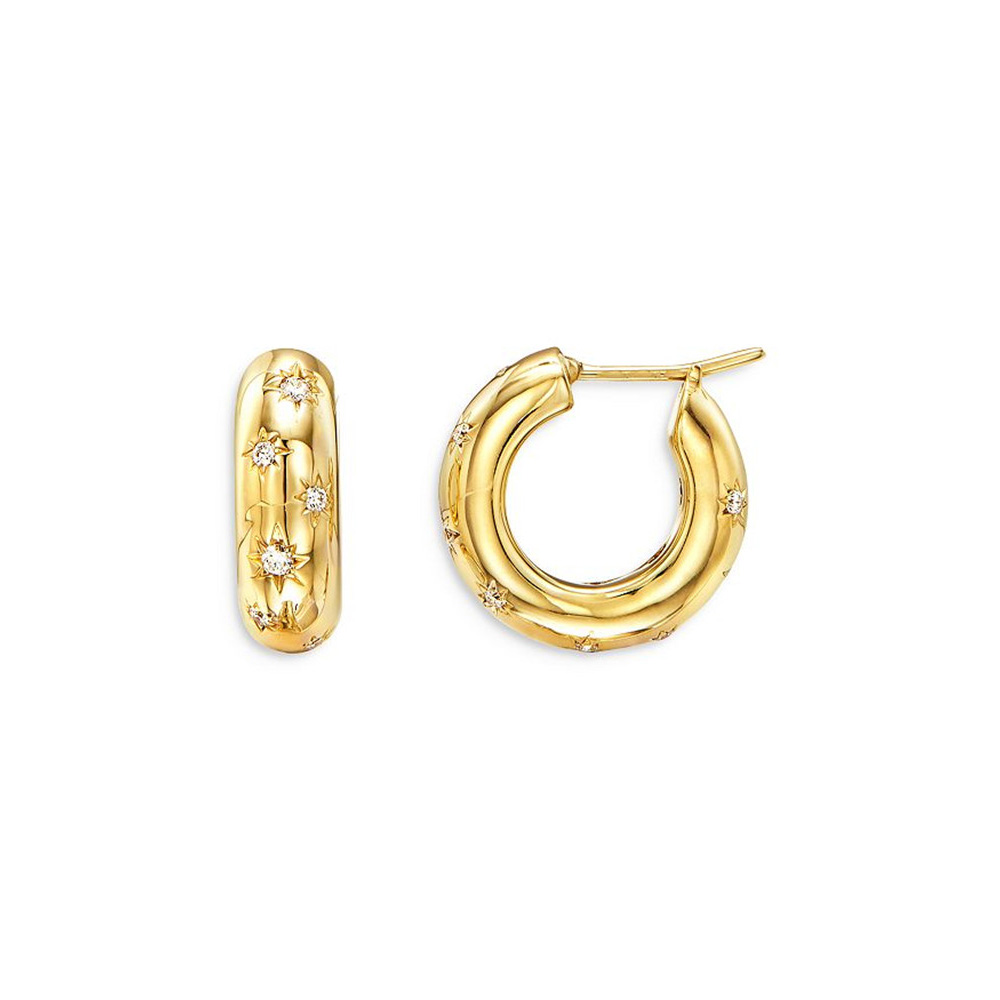
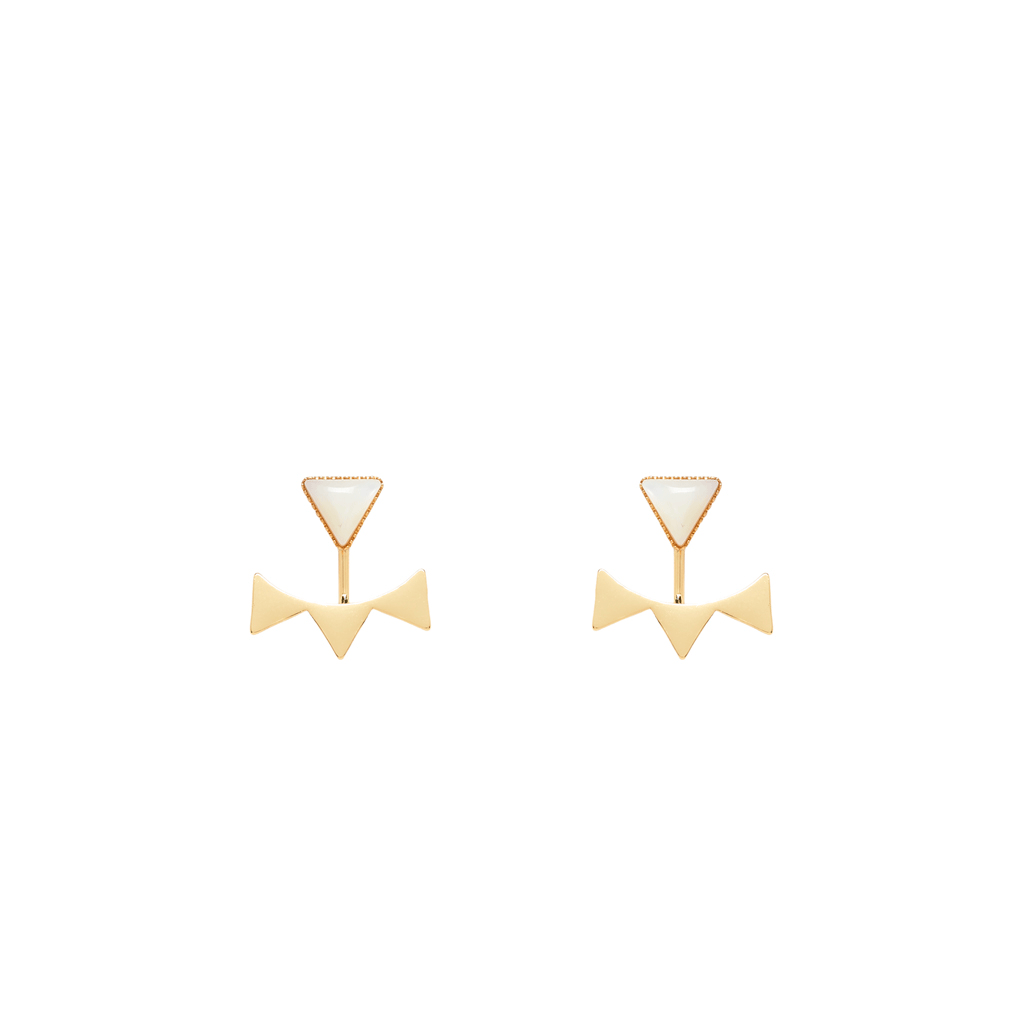
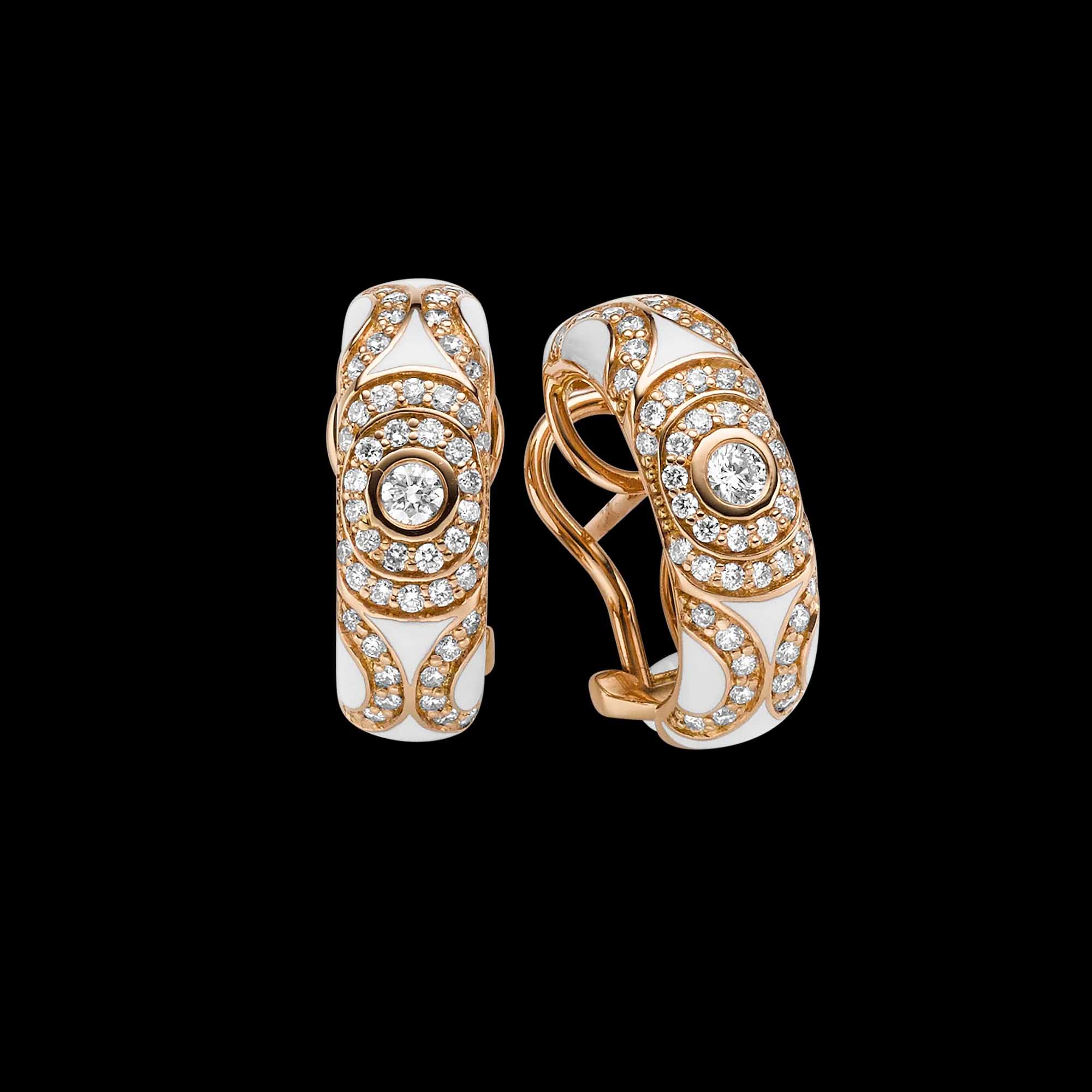
OEM/ODM pierced earrings jewelry manufacturing with Low MOQ
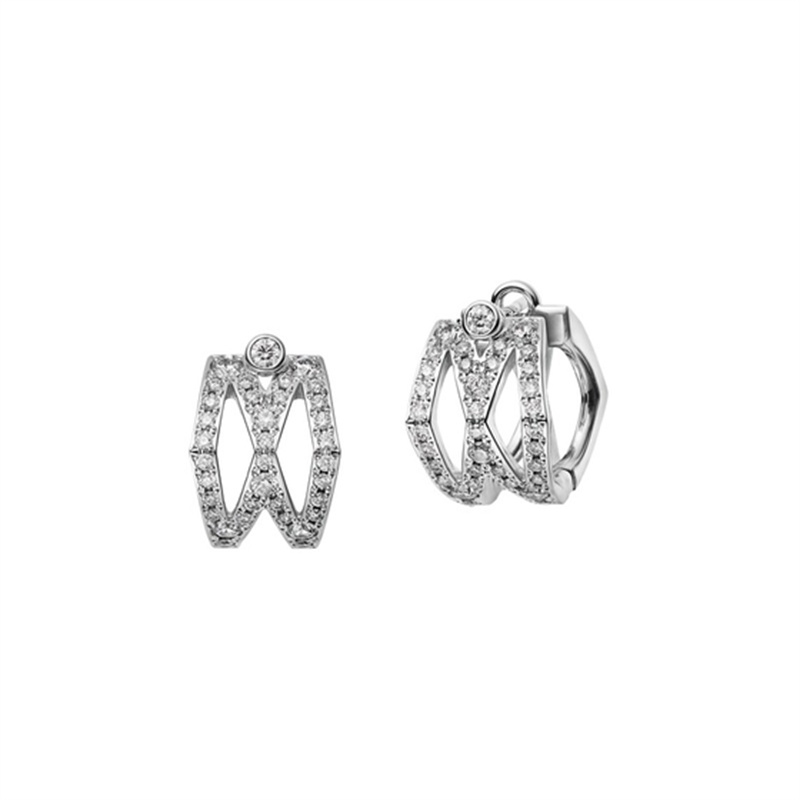
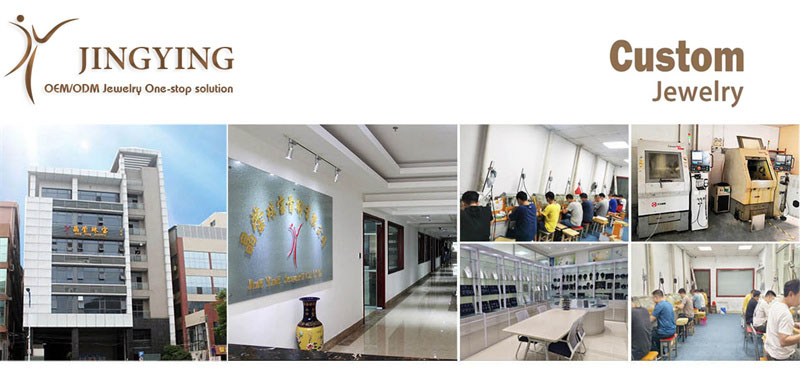
OEM/ODM pierced earrings jewelry manufacturing with Low MOQ
LET’S GET STARTED : mo@kingjy.com
JINGYING: Your OEM/ODM Partner for Pierced Earrings with Low MOQ
The global jewelry industry is undergoing a significant transformation. The era of mass-produced, homogenous accessories is gradually giving way to a powerful demand for personalization, uniqueness, and brand authenticity. At the heart of this revolution are small businesses, independent designers, and startup brands seeking to carve out their niche with distinctive offerings. However, their path is often obstructed by a formidable barrier: the traditional manufacturing model characterized by prohibitively high Minimum Order Quantities (MOQs). For a brand wanting to launch a collection of pierced earrings, committing to 500 or 1,000 pieces per design is not just a financial burden; it is a significant risk that can stifle creativity and prevent market entry.
Enter JINGYING, a premier mid-to-high-end jewelry OEM manufacturer with over two decades of industry experience. JINGYING has redefined the rules of engagement by specializing in custom-designed jewelry with remarkably low MOQs and a comprehensive suite of services tailored specifically for small-scale enterprises. This essay explores how JINGYING serves as a catalyst for creativity and entrepreneurship in the custom pierced earring market, detailing its business model, design and production processes, and the profound market impact of its low-MOQ philosophy.
The Market Challenge: High MOQs and the Small Business Dilemma
To appreciate JINGYING’s innovation, one must first understand the industry bottleneck it addresses. Sterling silver and gold-plated earrings occupy a premium space in fashion accessories. Valued for their beauty, durability, and intrinsic worth, these are favored mediums for both consumers and creators. Traditionally, manufacturing such pieces required substantial capital investment. Factories, to maintain cost-efficiency and profitability, set MOQs often ranging from hundreds to thousands of pieces per design. This model works well for large brands with predictable demand but presents an insurmountable hurdle for small businesses.
For an emerging designer, a boutique owner, or an online artisan brand, committing to 500 identical pairs of earrings is fraught with risk. It ties up critical capital in inventory, limits the number of designs one can test in the market, and increases the financial sting of a design that doesn’t resonate with customers. This system stifles innovation, discourages experimentation, and effectively excludes countless creative entrepreneurs from accessing high-quality manufacturing. The result is a market gap: a growing consumer appetite for unique, small-batch jewelry unmet by the rigid supply chain.
JINGYING’s Value Proposition: Democratizing Custom Earring Production
JINGYING identified this gap and built its entire philosophy around bridging it. Its core value proposition rests on two interconnected pillars: extremely low MOQs and holistic small business services.
Low Minimum Order Quantities: The Foundation of Accessibility
JINGYING’s most disruptive policy is its low MOQ structure. While traditional manufacturers might require 500-1000 units, JINGYING accepts orders as low as 50 pieces per design for silver earrings, and in some cases, as low as 30 pieces for simpler copper designs. This dramatically lowers the entry barrier.
This approach empowers brands in several key ways. First, they can test the market with minimal financial risk, launching a small collection and gauging customer response before committing to larger runs. Second, it allows for increased design variety; instead of investing in one design in bulk, entrepreneurs can allocate the same budget to 5 or 10 different styles, creating a more vibrant and appealing catalog. Third, it enables better cash flow management by avoiding large, unsold inventory, which is crucial for the survival of any startup. Finally, small batches naturally create a sense of scarcity and exclusivity, a powerful marketing tool for independent brands.
The Synergy of Competitive Pricing and Low MOQs
A common industry practice is to charge exorbitant premiums for small orders, making low MOQs economically unviable. JINGYING challenges this norm by maintaining competitive pricing even at low volumes, a feat achieved through operational excellence and advanced technology.
This synergy is achieved through multiple strategies. Vertical integration allows JINGYING to control the process from metal sourcing to final packaging, eliminating middleman markups. Advanced manufacturing technology, such as CNC milling and laser cutting, minimizes material waste compared to traditional casting. Furthermore, JINGYING’s heavy reliance on 3D printing and digital manufacturing radically reduces the high cost of traditional tooling (like steel dies), making small production runs economically viable. This digital-to-physical workflow allows for design iterations without the sunk cost of retooling, making small, customized batches cost-effective.
Comprehensive Small Business Services: Beyond Manufacturing
JINGYING understands that small businesses need more than just low quantities; they need a partner. Therefore, its services extend far beyond the production floor.
End-to-End Custom Design Support: JINGYING operates as a collaborative studio. Clients can approach them with anything from a rough sketch to a detailed CAD file. Their in-house team guides clients through material selection, structural feasibility, and aesthetic refinement. They provide 3D renderings and physical prototypes, ensuring the final product perfectly matches the client’s vision before full production commences.
Material Integrity and Certification: Trust is paramount. JINGYING uses only certified 925 sterling silver and offers a range of platings, including rhodium and gold vermeil. They guarantee quality and purity, providing material assay certificates upon request, giving small brands credibility with their discerning customers.
Flexible Finishing and Packaging: Services include a range of finishing options and even custom packaging. A small brand can have its logo engraved on jewelry pouches or embedded in custom earring cards, achieving a polished, branded unboxing experience without needing to order packaging in astronomical quantities elsewhere.
The Customization Journey: From Concept to Finished Earring
JINGYING’s process is designed to be collaborative, straightforward, and supportive, demystifying custom manufacturing for its partners.
Phase 1: Design Consultation and Documentation
The journey begins when the client submits design materials, which can range from digital CAD files to hand-drawn sketches or even mood boards. Upon receipt, JINGYING’s design team conducts a Feasibility Analysis, evaluating structural integrity, material compatibility, and projected manufacturing costs. This consultation typically requires 2-3 business days for initial feedback.
Phase 2: CAD Modeling and 3D Rendering
Approved concepts proceed to CAD modeling. This phase transforms concepts into precise digital prototypes. Key modeling operations for earrings include defining gauge thickness, length parameters, and structural reinforcement. JINGYING’s engineers incorporate shrinkage allowances (typically 2-3% for silver casting) to ensure final dimensions match specifications. The design is visualized from every angle, and clients can suggest modifications before any physical production begins.
Phase 3: Prototyping and Sampling
Once the 3D model is approved, JINGYING produces a physical prototype, typically using 3D printing to create a high-resolution resin model. This allows the client to hold the design in their hands, check the feel, weight, and functionality, and provide final approval. For an additional step, the company can also create a silver sample, which provides the most accurate representation of the final product. Sample lead time is typically 7-10 business days.
Phase 4: Production and Quality Control
With final sample approval, the project moves into full-scale production. JINGYING’s advanced production lines can be quickly reconfigured for small batches without losing money on setup time. A dedicated project manager serves as the single point of contact for the client, providing regular updates from raw material allocation through casting, plating, assembly, and final quality control. Production lead time for 50-500 pieces is typically 15-20 business days. Each piece undergoes a rigorous multi-point inspection, checking for structural integrity, finish consistency, and clasp functionality.
Conclusion
JINGYING stands as a beacon of reliability, quality, and true partnership in the custom pierced earring market. By dismantling the traditional barriers of high MOQs and high costs, the company has democratized access to premium jewelry manufacturing. Its unique combination of advanced digital manufacturing, vertical integration, and a client-centric philosophy empowers brands of all sizes to test the market, fuel their creativity, and scale their businesses without bearing the crippling risk of excess inventory.
For an emerging designer with a sketch and a dream, or a growing brand looking to expand its line, JINGYING is more than a manufacturer; it is a dedicated ally invested in their success. By providing the technical expertise, ethical foundation, and flexible framework to transform a vision into a beautifully crafted reality, JINGYING is not just making earrings; it is building the future of the bespoke jewelry industry, one small, perfect batch at a time.