Custom 925 Silver Jewelry Star of David Necklace in Gold
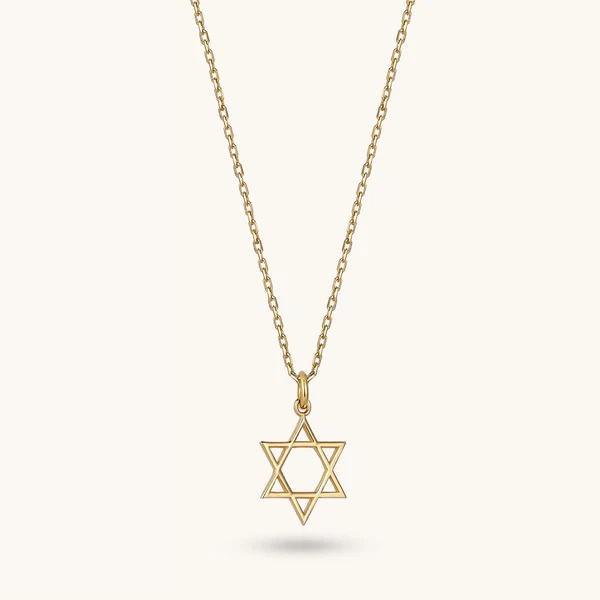

Custom 925 Silver Jewelry Star of David Necklace in Gold
LET’S GET STARTED : mo@kingjy.com
How to Customize a 925 Sterling Silver Star of David Necklace in Gold
The Star of David — known in Hebrew as the Magen David, or “Shield of David” — is one of the most recognized symbols of Jewish identity and heritage. Worn as a necklace, it serves not only as an expression of faith but also as a declaration of cultural pride, particularly in times when Jewish identity has come under scrutiny. Today, the option to customize a 925 sterling silver Star of David necklace with a gold finish offers wearers the opportunity to create a piece that is both deeply personal and enduringly elegant.
This guide explores the complete process of customizing such a necklace — from understanding the materials and design options to navigating the ordering process, appreciating the craftsmanship involved, and properly caring for the finished piece.
Understanding the Materials: 925 Sterling Silver and Gold Plating
Before embarking on the customization journey, it is essential to understand the materials that form the foundation of your necklace.
925 Sterling Silver is the industry standard for high-quality silver jewelry. The “925″ stamp indicates that the metal is composed of 92.5% pure silver, with the remaining 7.5% typically consisting of copper or other alloys that add strength and durability. Pure silver is too soft for everyday wear, so this alloying process creates a metal that is both beautiful and resilient. Jewelry crafted from 925 sterling silver is durable, lightweight, and comfortable for daily wear. Most reputable custom jewelry pieces are stamped with the “925″ hallmark as a guarantee of authenticity.
Gold Plating is the process of applying a thin layer of gold over the sterling silver base. This allows the wearer to enjoy the warm, luxurious appearance of gold while benefiting from the affordability and durability of silver. When you customize a Star of David necklace “in gold,” you are typically choosing a gold-plated finish over a 925 sterling silver foundation.
The quality of gold plating varies significantly based on the thickness of the gold layer. Standard gold plating may have a layer as thin as 0.5 to 1 micron. Higher-quality pieces use thicker plating — some artisans apply layers of 2.5 to 3 microns, which offer greater durability and resistance to tarnishing. For example, one common standard is plating with 1 micron of 24K gold. In some cases, jewelers perform a two-step plating process: first applying a thick silver base layer to ensure a smooth surface, then layering the real gold on top. This meticulous approach can extend the lifespan of the gold finish significantly.
It is worth noting the distinction between standard gold plating and gold vermeil. Vermeil requires a gold layer of at least 2.5 microns thick over a sterling silver base. Some higher-end custom pieces may offer vermeil-quality finishes, providing greater longevity.
The Symbolism of the Star of David
Understanding the meaning behind the symbol you are wearing adds depth to the customization process. The Star of David is a six-pointed star formed by two interlocking triangles. It is believed to have originated from the shield of King David. Some interpret the six points as representing God’s rule and protection from all six directions — north, south, east, west, above, and below. Others see the symbol as uniting the three most important elements of Judaism: God, Israel, and the Torah.
The Star of David also appears prominently on the Israeli flag, making it a symbol of support for the State of Israel as well. In recent years, wearing Star of David jewelry has become a way for many Jewish people to proudly declare their heritage. Customizing this symbol with personal elements — such as a name, a date, or a meaningful Hebrew word — transforms it from a general emblem of identity into a uniquely personal talisman.
Customization Options for Your Necklace
The true beauty of a custom Star of David necklace lies in the range of personalization choices available. Here are the primary ways you can make the piece your own.
Engraving
Engraving is the most popular form of customization. Many jewelers offer the option to engrave the back of the Star of David pendant with text in either Hebrew or English. Common choices include:
- A personal name — your own name, a child’s name, or a loved one’s name
- A Hebrew letter — often the initial of a name, which carries its own symbolic weight
- A meaningful date — a birthday, anniversary, or other significant milestone
- A short phrase or blessing — such as “Am Yisrael Chai” (The People of Israel Live) or a favorite Bible verse
- Multiple names — some designs incorporate two or more names, making them ideal for couples, families, or commemorative pieces
The engraving can be done in various styles, from clean, modern fonts to traditional Hebrew script. Some artisans offer hidden engraving on the back of the pendant, keeping the personalization discreet yet meaningful.
Finish and Texture
The surface finish of your necklace dramatically affects its appearance:
- Polished finish — A high-shine, reflective surface that catches light beautifully
- Matte finish — A soft, non-reflective surface that offers a contemporary, understated look
- Combination finishes — Some designs feature polished elements against a matte background for visual contrast
Chain Selection
The chain is an integral part of the necklace, and customization extends to this component as well. Common chain styles include:
- Box chain — A classic, durable chain with square links
- Figaro chain — A pattern of alternating small and elongated links
- Rolo chain — Round links that lie flat against the skin
Chain lengths typically range from 14 inches to 24 inches, allowing you to choose the drop that best suits your style and comfort.
Additional Embellishments
For those seeking extra sparkle or symbolism, many jewelers offer additional customization options:
- Birthstones — A small gemstone set into the pendant
- Zircon or diamond accents — Subtle stones that add brilliance to the design
- Combined symbols — The Star of David paired with an Israel map, a Hamsa hand, or the Lion of Judah
The Customization Process: From Concept to Completion
Understanding how a custom necklace is made enhances your appreciation of the final piece. The process typically follows several stages.
1. Conceptualization and Design Brief
The journey begins with your vision. You communicate your preferences to the jeweler — the desired size of the pendant, the type of gold plating, the chain style and length, and the text or symbols you wish to include. Some jewelers work from existing design templates, while others can accommodate completely bespoke requests.
2. Digital Design and CAD Modeling
For custom pieces, many jewelers use Computer-Aided Design (CAD) software to create a precise 3D model of the pendant. This digital rendering allows you to visualize the piece before it is made and make any necessary adjustments to the design. The CAD model ensures that details such as engraving depth, pendant thickness, and connection points are all correctly proportioned.
3. Prototyping
Once the digital design is approved, a physical prototype is created. This is often done through 3D printing in wax or resin. The wax model allows the jeweler to examine the piece in three dimensions and confirm that it will hang and wear as intended.
4. Casting
The prototype then undergoes the lost-wax casting process. The wax model is attached to a central stem along with other wax models, forming a “casting tree”. This tree is encased in a plaster-like investment material. When heated, the wax melts and burns away, leaving a hollow cavity in the shape of the design. Molten 925 sterling silver is then poured into this cavity, filling every intricate detail. After cooling, the casting is removed from the investment.
5. Finishing and Polishing
The cast silver piece undergoes extensive finishing work. Artisans file, sand, and polish the pendant to achieve the desired surface finish — whether high-polish, matte, or a combination. Any gemstones are set at this stage. The piece is then cleaned and prepared for plating.
6. Gold Plating
The final step in achieving the gold finish is electroplating. The sterling silver pendant is immersed in a gold solution, and an electric current bonds a layer of gold to the silver surface. The thickness of this layer depends on the quality level you have selected. The result is a warm, golden Star of David that retains the durability of sterling silver beneath.
How to Order a Custom Star of David Necklace
Ordering a custom necklace has become increasingly accessible through online platforms and specialty jewelers.
Step 1: Choose a Reputable Jeweler
Look for jewelers who specialize in Judaica or custom jewelry. Many of the most respected artisans are based in Israel, where the craft of Jewish jewelry-making has deep roots. Read reviews, examine product photos, and verify that the jeweler uses genuine 925 sterling silver and offers the plating quality you desire.
Step 2: Select Your Design
Browse the jeweler’s collection to find a Star of David design that appeals to you. Consider the size of the pendant, the style of the star (classic, modern, ornate, minimalist), and whether you want additional design elements.
Step 3: Specify Your Customizations
Provide the personalization details. For engraving, specify the exact text and the language (Hebrew or English). If you want a Hebrew name translated from English, confirm that the jeweler offers this service. Choose your chain type and length, and select your preferred finish — sterling silver, 24K gold plated, or rose gold.
Step 4: Place Your Order
Most jewelers require full payment at the time of order. Be sure to double-check all personalization details before submitting — typos in engraved text cannot be corrected after the piece is made.
Step 5: Await Production and Shipping
Custom pieces are made to order, so expect a production period. Some jewelers ship within 48 hours, while others may take several days or even weeks for more complex designs. Shipping times vary depending on your location — typically 2-5 business days within the United States and 12-24 business days for international delivery.
Caring for Your Custom Star of David Necklace
Proper care ensures that your custom necklace remains beautiful for years to come.
Cleaning: Polish gently with a soft cloth. Avoid abrasive materials that could scratch the gold plating or silver surface.
Moisture: Keep your necklace away from water, moisture, and harsh chemicals. Remove it before swimming, showering, or applying lotions and perfumes.
Storage: Store your necklace in a dry place, preferably in a jewelry box or pouch that prevents scratching. Many jewelers include a gift box and care instructions with each purchase.
Plating Longevity: The gold plating will naturally wear over time, particularly on areas that experience frequent friction. Thicker plating (2.5 to 3 microns) offers greater durability than thinner layers. Some jewelers offer replating services to restore the gold finish when needed.
Conclusion
Customizing a 925 sterling silver Star of David necklace with a gold finish is a meaningful way to create jewelry that is both personally significant and beautifully crafted. From selecting the perfect chain and finish to choosing an engraving that carries deep personal meaning, every step of the process allows you to shape a piece that reflects your identity, faith, and style.
Whether you are marking a milestone such as a Bar or Bat Mitzvah, celebrating a wedding or anniversary, or simply investing in a piece of heritage jewelry that you will treasure for a lifetime, a custom Star of David necklace combines the timeless symbolism of the Magen David with the enduring quality of 925 sterling silver and the warm elegance of gold. In a world where mass-produced items dominate, a custom piece stands apart — handmade, meaningful, and uniquely yours.