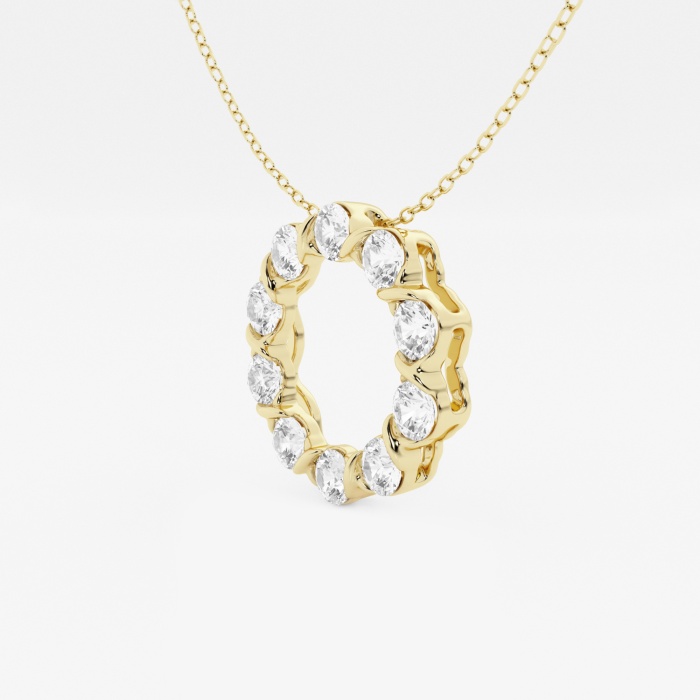
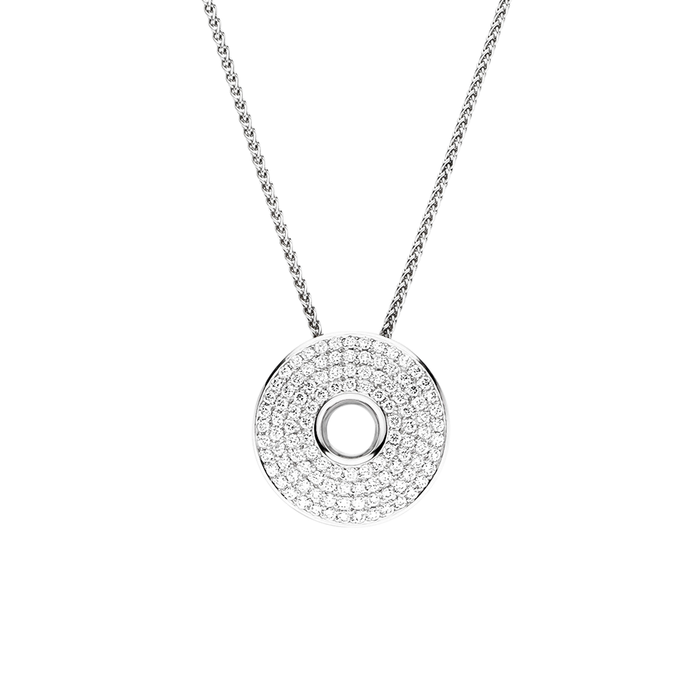
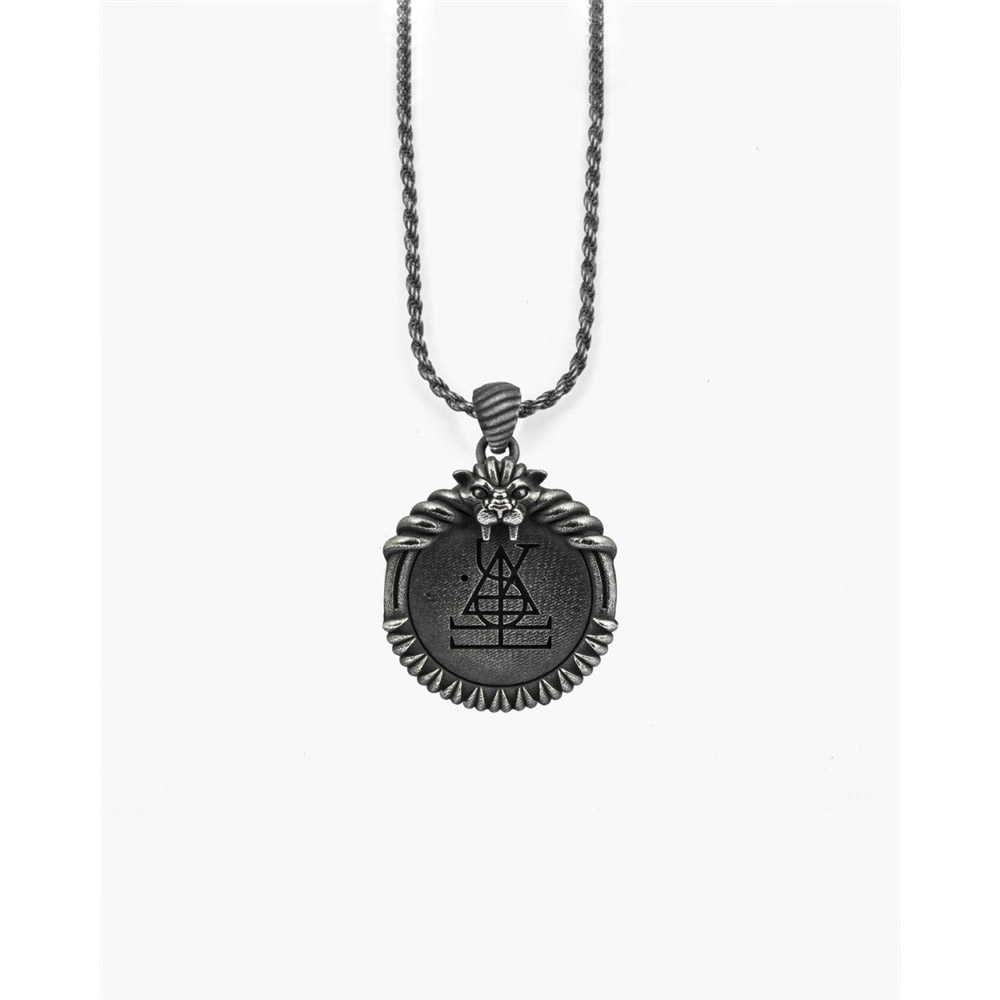
Custom Gold Vermeil Jewelry Hollow Sun Necklace
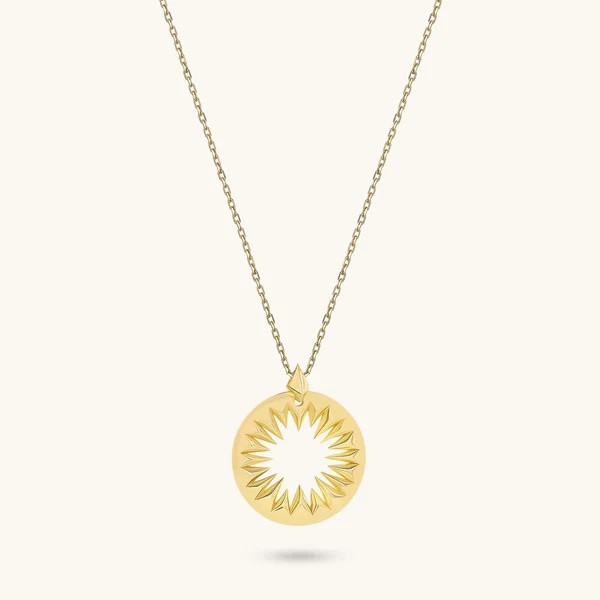
Custom Gold Vermeil Jewelry Hollow Sun Necklace
LET’S GET STARTED : mo@kingjy.com
How to Custom Gold Vermeil Jewelry: The Hollow Sun Necklace
Introduction
The sun has been a symbol of life, power, and divine energy across civilizations for millennia. Today, this ancient motif finds new expression in contemporary jewelry design—particularly in the form of custom gold vermeil hollow sun necklaces. These pieces represent a remarkable intersection of artistry, engineering, and accessible luxury. But what exactly goes into creating a custom hollow sun necklace in gold vermeil? This article explores the complete process, from initial inspiration to the final polished piece.
Understanding Gold Vermeil
Before embarking on a custom jewelry project, it is essential to understand what gold vermeil actually is. Gold vermeil (pronounced “ver-may”) is a premium jewelry material characterized by a thick layer of gold—typically 14k, 18k, or 22k—electroplated over a sterling silver base. Unlike standard gold-plated jewelry, which can use cheap base metals like brass or copper with gold layers that wear away within months, vermeil is held to rigorous legal standards.
In the United States and EU markets, “vermeil” is not merely a marketing term but a legal standard. The base must be sterling silver (92.5% pure silver), the gold layer must be a substantial 2.5 microns thick—five to ten times thicker than standard plating—and the gold content must be at least 10k. This composition ensures durability, a rich golden hue, and hypoallergenic properties, making it an ideal choice for everyday wear.
Step One: Inspiration and Conceptualization
The journey of customizing a hollow sun necklace begins with inspiration. Every custom piece starts with a moment of creative vision—perhaps an animal whose symbolism resonates, a cultural motif, or simply the desire to capture the warmth and vitality of the sun.
For a sun-themed pendant, designers draw from a rich visual vocabulary: radiating rays, circular medallions, celestial symbolism, and the interplay of light and shadow. The sun motif can range from minimalist and abstract to intricately detailed with engraved rays and decorative elements. Some designs incorporate additional symbols such as moons, stars, or Celtic knots to create layered meaning.
During this phase, the client and designer discuss design ideas, inspiration, materials, budget, and timeline. Many custom jewelry manufacturers begin with an initial consultation—often conducted via video call—to establish a clear vision. Mood boards may be created to capture the aesthetic direction before any technical work begins.
Step Two: Digital Design and CAD Modeling
Once the conceptual direction is established, the hand-drawn concept is rebuilt inside 3D CAD (Computer-Aided Design) software. This is where the magic of precision engineering meets artistic vision. CAD allows designers to make microscopic tweaks—sharpening rays so every ridge catches light, or hollowing the back of the pendant just enough to balance comfort with luxury weight.
For a hollow sun necklace, the CAD stage is particularly critical. The designer must carefully engineer the hollow structure to achieve the desired visual impact while maintaining structural integrity. Hollow jewelry requires the creation of a shell with precise wall thickness—typically achieved through electroforming or specialized casting techniques. The CAD files lock in the exact dimensions required for legal gold vermeil status once plating is applied.
Clients typically review these digital renderings and provide feedback or approval before production proceeds. This iterative process ensures the final piece matches the client’s vision down to the smallest detail.
Step Three: Wax Printing and Lost-Wax Casting
From the CAD file, a high-resolution wax model is 3D printed. For hollow designs, the wax model must be created with the hollow cavity already factored into the geometry. These waxes are then “tree-mounted”—attached to a central sprue like branches on a tree—invested in plaster, and burned away in a kiln, leaving precise cavities in the plaster mold.
Molten recycled sterling silver—the official base for all vermeil pieces—is then gravity-cast to create rough “white” metal masters. This traditional lost-wax casting method guarantees crisp detail, allowing every delicate ray of the sun motif to survive the subsequent polishing stages.
For hollow jewelry specifically, some manufacturers employ alternative methods such as electroforming, where a precious metal is built up on a temporary substrate that is later removed, leaving a hollow shell. This technique allows for exceptionally lightweight yet substantial-looking pieces.
Step Four: Filing, Polishing, and Detailing
Once the sterling silver casting is complete, skilled silversmiths begin the meticulous hand-finishing process. Each casting is cleaned by hand, with sprues (the attachment points from the casting tree) removed and surfaces smoothed. For sun pendants, this is where the rays are refined, edges are defined, and the overall silhouette is perfected.
A pre-polish brings the sterling silver to a mirror finish. This step is essential because the upcoming gold layer will highlight, not hide, any imperfection. For hollow designs, special care must be taken to ensure the hollow cavity remains intact and the wall thickness remains consistent throughout the finishing process.
If the design calls for gemstone settings—such as diamonds, cubic zirconia, or moonstones—this is the stage where tiny settings are drilled and stones are pressure-set. Some sun necklaces feature a central gemstone at the heart of the pendant, framed by radiating rays that capture the essence of morning light.
Step Five: The Vermeil Plating Process
This is where gold vermeil jewelry truly distinguishes itself from standard fashion plating. The finished sterling silver pieces undergo an ultrasonic clean to remove all contaminants, followed by a “flash coat”—a preliminary thin layer of gold that improves adhesion between the silver base and the subsequent gold layer.
Finally, the pieces are submerged in a warm bath containing dissolved gold ions and subjected to an electrical current through a process called electroplating. This causes the gold ions to be attracted to the silver surface, creating a bonded layer of gold. The pieces remain in the bath until the gold layer reaches the required thickness—typically 2.5 to 3 microns for premium vermeil.
Manufacturers may offer different gold purities for the plating layer, typically 14k, 18k, or 22k, each offering slightly different color characteristics. A 3-micron thick 14k gold finish, for instance, provides excellent durability while maintaining a warm, classic gold tone.
Step Six: Final Polish and Quality Control
After plating, each piece undergoes a final hand-polish to bring out the full luster of the gold. This is followed by rigorous quality checks to ensure precision, quality, and craftsmanship. The gold layer thickness is verified, the hollow structure is inspected for integrity, and the overall finish is examined for any imperfections.
For custom hollow sun necklaces, the quality control process also includes checking the weight and balance of the piece. Hollow construction should result in a lightweight pendant that is comfortable for daily wear while maintaining the visual presence of a solid gold piece.
Step Seven: Packaging and Delivery
Finished products are carefully packed, insured, and shipped to the client’s specified address. Many custom jewelry manufacturers provide shipment tracking and follow up after delivery to ensure satisfaction. Production timelines for custom vermeil jewelry typically range from two to three weeks, from design approval to final delivery.
Caring for Your Custom Hollow Sun Necklace
To maintain the luster and longevity of a gold vermeil piece, proper care is essential. Owners should remove jewelry before swimming, bathing, or exercising to prevent exposure to moisture and sweat. Pieces should be stored in a dry, cool place, preferably in a jewelry box or pouch, to prevent scratches and tarnish. Cleaning should be done gently with a soft, lint-free cloth, avoiding abrasive materials or harsh chemicals.
Conclusion
Customizing a gold vermeil hollow sun necklace is a journey that transforms an ancient symbol into a modern, personal treasure. From the initial spark of inspiration through CAD modeling, lost-wax casting, meticulous hand-finishing, and precise electroplating, each step requires a blend of artistic vision and technical expertise.
The result is a piece that offers the luxury of gold at a more accessible price point, the durability of sterling silver construction, and the lightweight comfort of hollow design. Whether worn as a daily talisman or a special occasion piece, a custom hollow sun necklace in gold vermeil carries not just the warmth of the sun, but the personal meaning of its wearer—a true intersection of craftsmanship, symbolism, and individual expression.