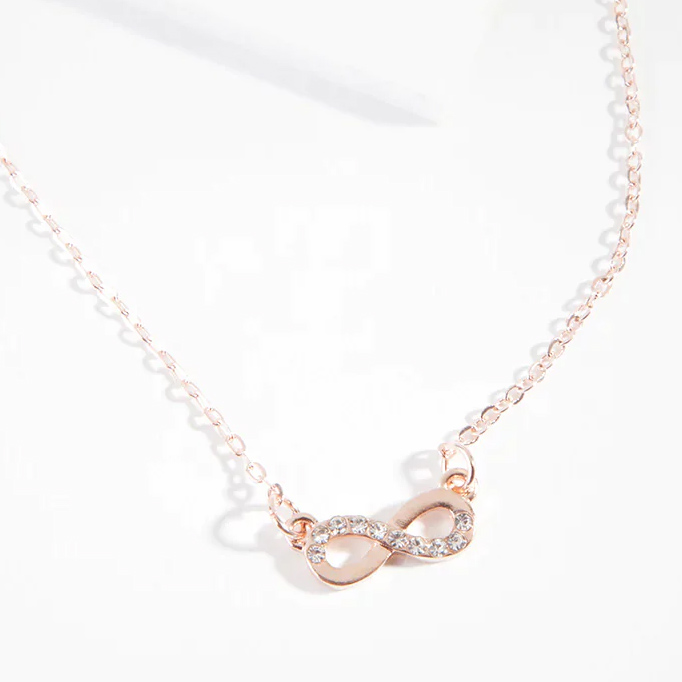
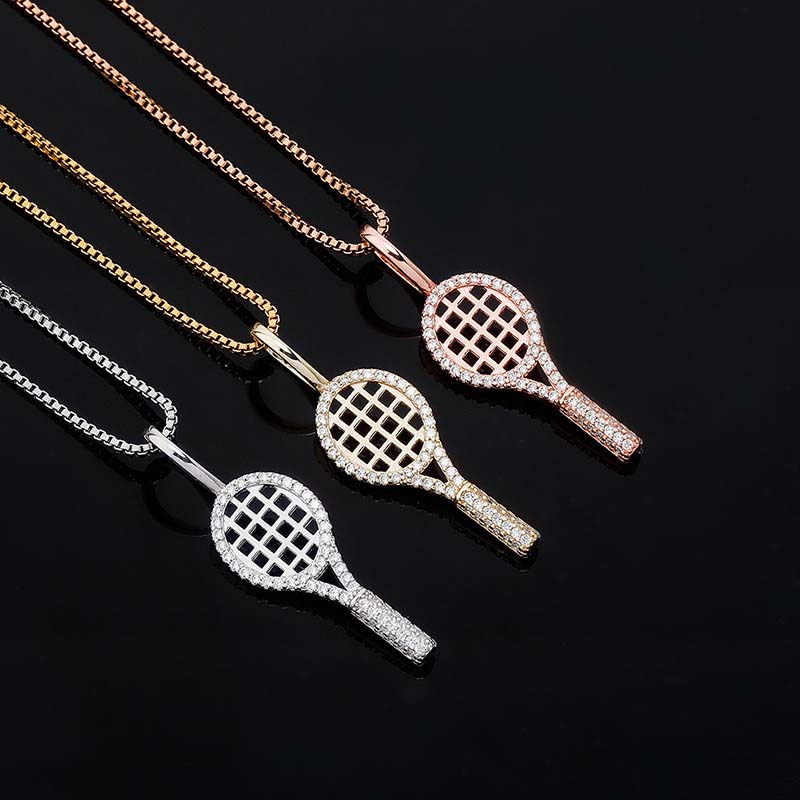
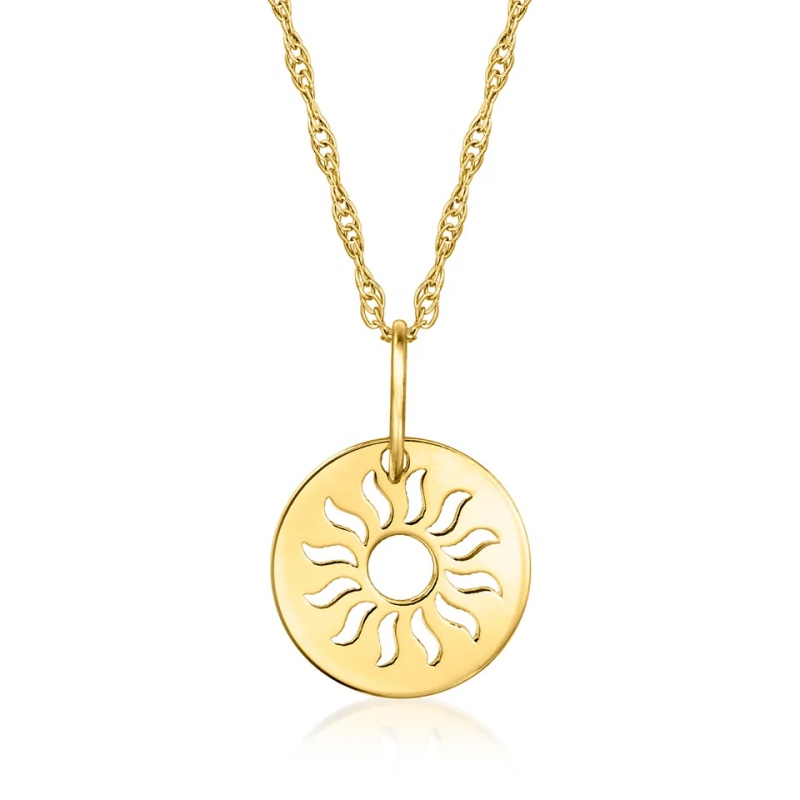
Mama Mary Necklace Silver Manufacturer with OEM ODM Service
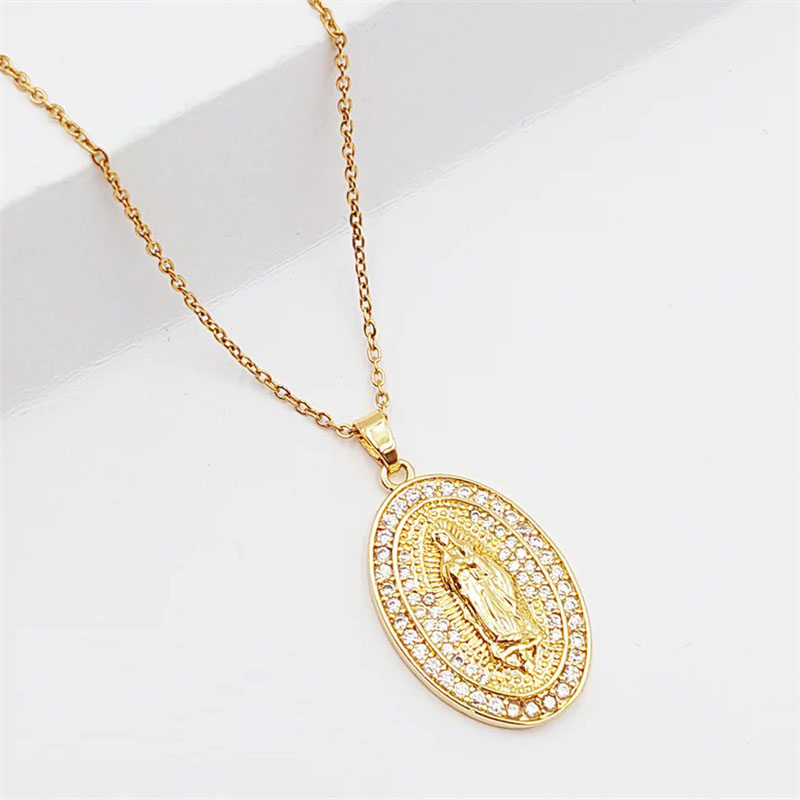
Mama Mary Necklace Silver Manufacturer with OEM ODM Service
LET’S GET STARTED : mo@kingjy.com
How to Produce a Mama Mary Necklace at JINGYING
The Mama Mary necklace—a cherished piece of religious jewelry featuring an image or representation of the Virgin Mary—holds profound spiritual significance for millions worldwide. As a custom jewelry manufacturer with over two decades of experience, JINGYING has developed a sophisticated production process that transforms devotional concepts into high-quality, wearable art. This essay provides a comprehensive examination of how a Mama Mary necklace is produced at JINGYING, from initial design consultation through to final quality control and global delivery.
The Foundation: Understanding JINGYING’s Manufacturing Capabilities
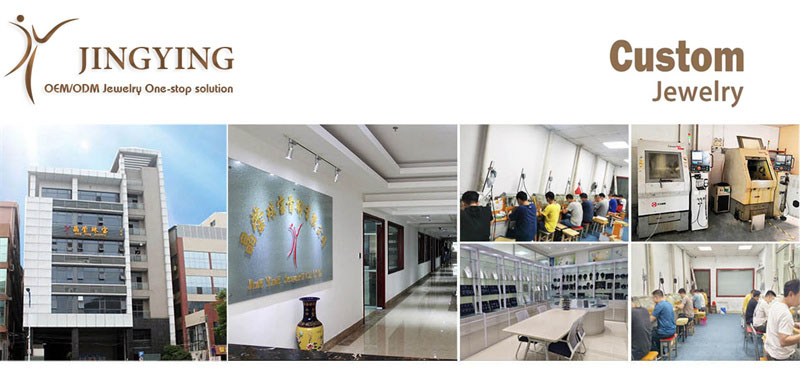
JINGYING Jewelry, established in 1998, has evolved into a comprehensive jewelry manufacturer offering one-stop OEM/ODM solutions for brands worldwide . The company specializes in 925 sterling silver jewelry, with capabilities extending to gold-plated finishes and solid gold options, making it well-suited for producing religious pieces that demand both durability and aesthetic refinement .
The production of a Mama Mary necklace at JINGYING follows the lost-wax casting method—the industry standard for producing high-quality custom jewelry in both small and large quantities . This process is particularly well-suited for religious pendants, which often feature intricate details such as the Virgin Mary’s face, halo, and flowing robes.
Phase One: Design and Conceptualization
The journey of a Mama Mary necklace begins with the client’s vision. At JINGYING, the design phase involves a collaborative consultation where customers specify the pendant’s size, style, metal type, and any additional embellishments such as cubic zirconia stones or personalized engraving .
CAD Design and Digital Modeling
Once the design concept is established, JINGYING’s design team utilizes Computer-Aided Design (CAD) software to create a precise three-dimensional model of the Mama Mary pendant . This digital approach offers several advantages for religious jewelry production:
First, CAD allows for exceptional precision in rendering the Marian image—ensuring that facial features, the traditional blue robe, and the halo are proportionally accurate and aesthetically pleasing. Second, the design can be easily modified, allowing clients to preview and approve multiple variations before production begins . Third, CAD optimization ensures the design is manufacturable, with recommendations made to enhance durability and reduce casting defects .
A realistic rendering is generated and shared with the customer for approval. Adjustments are made until the design perfectly matches the client’s expectations—an essential step before any materials are committed .
Phase Two: Prototyping and Mold Creation
3D Printing and Wax Model Production
Following design approval, JINGYING employs high-resolution 3D printing technology to produce a physical wax model of the pendant . This model serves two critical purposes: it allows the client to examine a tangible prototype before casting, and it creates the master pattern for mold production .
The 3D printing process builds the model layer by layer using specialized casting wax or burn-out resin. This rapid prototyping approach ensures that any design issues are identified and corrected before expensive metal work begins .
Rubber Mold Creation for Production
For orders requiring multiple identical pendants—common for religious jewelry sold through churches, gift shops, or faith-based organizations—JINGYING creates a vulcanized rubber mold from the approved wax master . This rubber mold enables the production of consistent wax patterns for casting, ensuring every Mama Mary pendant maintains identical dimensions and detail quality across the entire production run .
Phase Three: The Lost-Wax Casting Process
The lost-wax casting method is the cornerstone of JINGYING’s jewelry production, and it is particularly well-suited for creating complex religious pendants .
Wax Pattern Assembly and Investment
Multiple wax models are attached to a central wax “tree,” a configuration that allows several pendants to be cast simultaneously . This assembly is then placed inside a steel flask, and a plaster-like investment material is poured around it . The investment hardens into a durable mold that can withstand the high temperatures of the casting process .
Burnout and Casting
The flask is placed in a kiln and heated to high temperatures—a process known as burnout—which melts and vaporizes the wax, leaving a precise hollow cavity in the shape of the Mama Mary pendant . The flask remains hot and is transferred to a vacuum casting machine, where molten sterling silver is drawn into the cavity, filling every minute detail of the Marian design .
Devesting and Initial Cleaning
Once the metal has cooled and solidified, the plaster mold is quenched in water, causing it to break away from the silver tree . The rough silver pendants, still attached to the sprue (the metal equivalent of the wax tree’s branches), are cut off. Ultrasonic cleaning and acid baths remove any remaining investment material, revealing the raw castings .
Phase Four: Finishing and Detail Work
Filing and Surface Preparation
The raw castings typically contain small imperfections—rough edges, seams, or excess metal—from the casting process . Skilled artisans at JINGYING use hand files and rotary tools to refine the pendant’s shape, paying particular attention to the delicate features of the Mama Mary image. This step demands precision; excessive filing could distort the design or diminish the detail quality .
Polishing and Surface Enhancement
The pendants are processed through a tumbling machine with steel shot to smooth surfaces and work-harden the metal . This is followed by hand polishing with progressively finer compounds to achieve the desired finish. JINGYING offers various finish options for religious jewelry—high shine, matte, or antique—allowing clients to match their pendant to specific aesthetic preferences .
Stone Setting (Optional)
For designs incorporating cubic zirconia or other gemstones—perhaps to accent Mary’s halo or crown—JINGYING employs precision stone-setting techniques . The company uses Micro-inlaid machines imported from Japan for setting cubic zirconia stones, achieving a 99% no-lost-stone rate through specialized wax-setting technology . Each stone is set by hand to ensure durability and alignment, with professional steel needle testing to confirm secure placement .
Gold Plating (Optional)
While many Mama Mary necklaces are produced in polished sterling silver, JINGYING also offers gold plating options . The company performs a two-time plating process for sterling silver pieces: a thick silver plating base layer followed by real gold plating . The gold plating thickness can reach up to 3 microns, significantly extending the piece’s longevity and ensuring the coating remains durable under regular wear . This process is particularly popular for clients seeking the appearance of gold jewelry at a more accessible price point.
Phase Five: Quality Control and Assembly
Comprehensive Quality Inspection
Quality assurance is paramount throughout JINGYING’s production line, with a dedicated 10-engineer team conducting inspections at each manufacturing stage . For Mama Mary necklaces, inspection protocols include:
- Dimensional verification against the original CAD design
- Visual examination under magnification to detect flaws or imperfections
- Stone security testing using professional steel needles to test each setting
- Plating thickness verification using specialized testing equipment
The company conducts drop tests from heights up to three meters to ensure stone retention—a critical consideration for religious pieces worn daily . For gold-plated pieces, manual rub tests confirm coating quality and resistance to wear .
Assembly and Packaging
Approved pendants are assembled with high-quality sterling silver chains, carefully attached using soldered jump rings or loops . The completed Mama Mary necklaces undergo a final ultrasonic cleaning to remove any remaining residues before packaging .
JINGYING offers customized packaging options for their products, allowing clients to present their religious jewelry in branded boxes or pouches—an important consideration for retailers selling through faith-based gift shops or church bookstores .
The Role of 925 Sterling Silver in Religious Jewelry
JINGYING’s emphasis on 925 sterling silver is particularly relevant for Mama Mary necklaces. Sterling silver—92.5% pure silver alloyed with other metals such as copper—is hypoallergenic, waterproof, and sweat-proof, making it suitable for daily wear . The material’s natural luster enhances the devotional quality of Marian imagery, while its durability ensures that the piece can be worn for years without significant wear .
The company’s 23 years of experience with sterling silver represents a cumulative expertise that informs every stage of production. JINGYING’s technicians understand silver’s properties intimately—its tendency to tarnish, its behavior during casting, and the optimal finishing techniques to achieve lasting brilliance .
Conclusion
Producing a Mama Mary necklace at JINGYING is a sophisticated process that combines cutting-edge digital design technology with time-honored jewelry-making craftsmanship. From the initial CAD modeling through to final polishing and quality inspection, every step is executed with precision and care—reflecting both the technical demands of high-quality jewelry manufacturing and the spiritual significance of the devotional piece.
The lost-wax casting method, refined through decades of experience, ensures that each pendant captures the delicate features and reverent beauty of the Marian image. Comprehensive quality control protocols, rigorous stone-setting techniques, and careful finish options allow JINGYING to deliver Mama Mary necklaces that meet the high expectations of faith-based consumers worldwide.
Ultimately, the production process at JINGYING demonstrates how advanced manufacturing capabilities can serve the creation of meaningful religious artifacts—combining technical excellence with respect for the devotional purpose these pieces serve for millions of wearers across the globe.