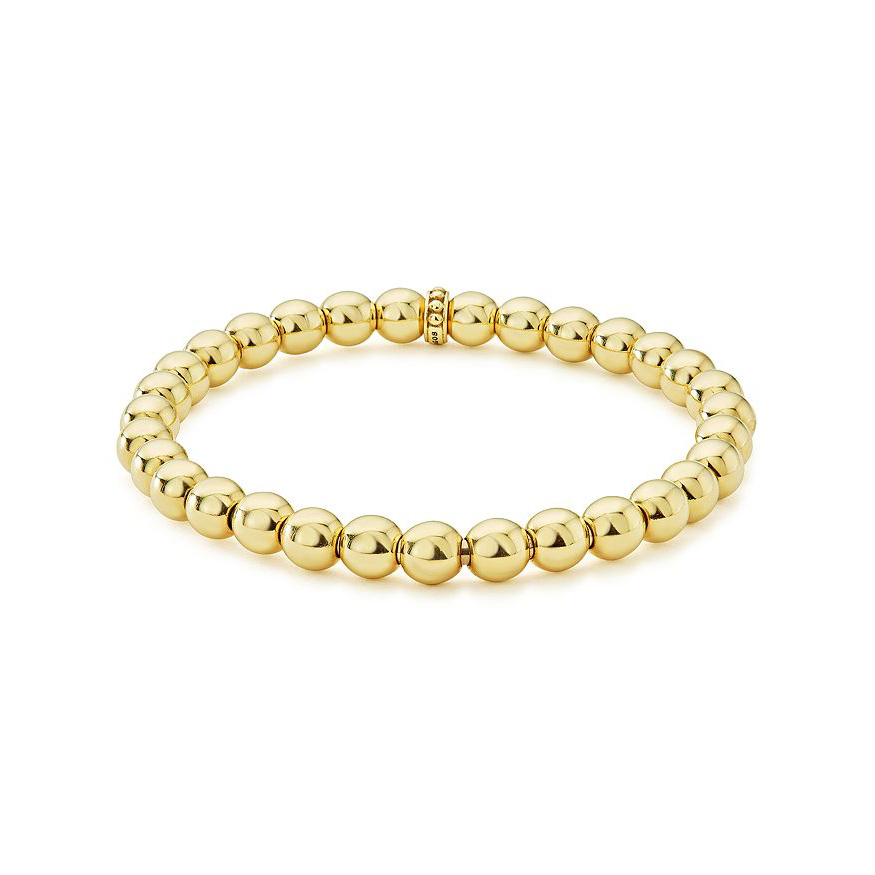
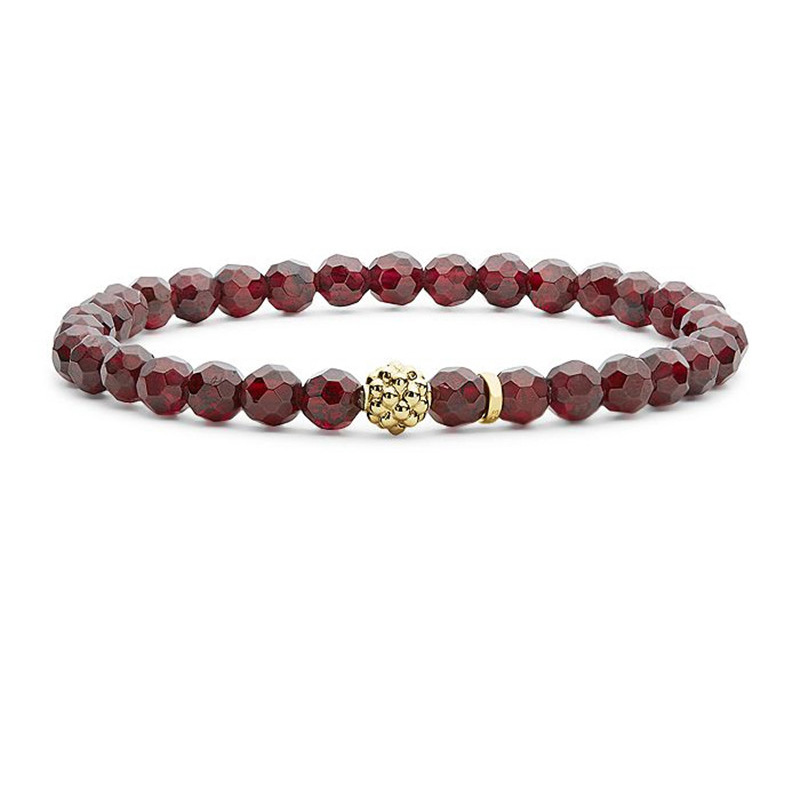
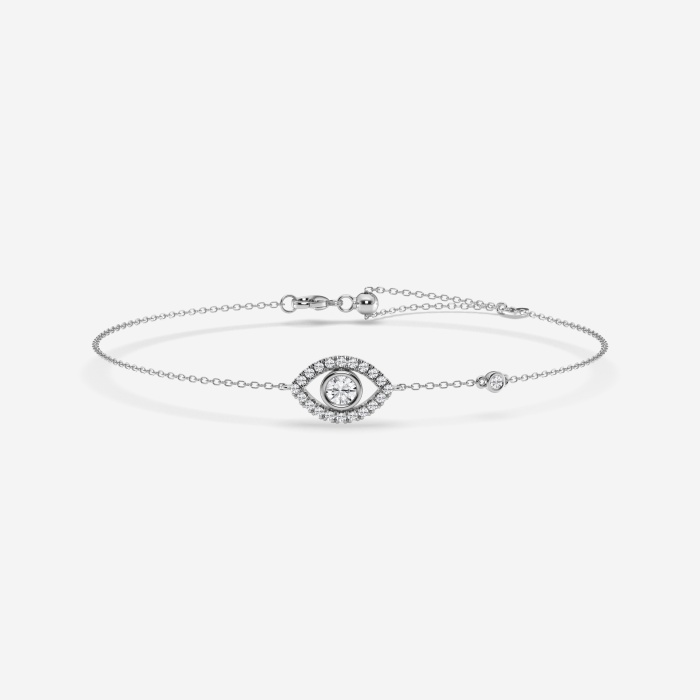
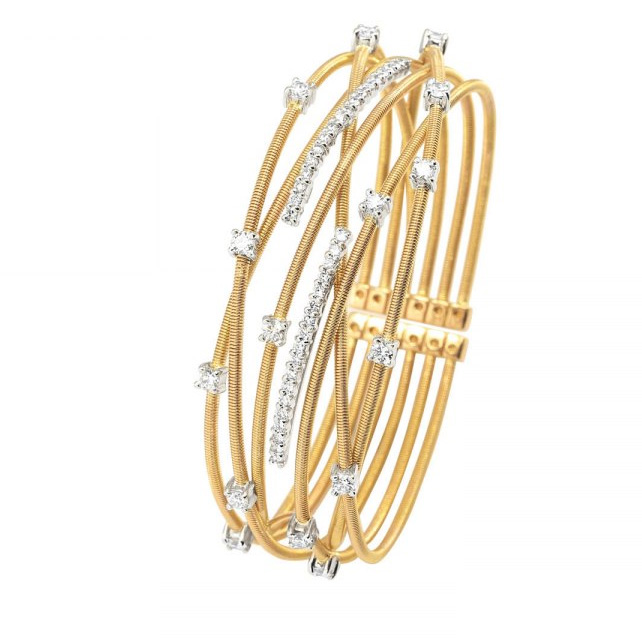
Custom Gold Braid Bracelet in 18k PVD Gold plated over sterling silver
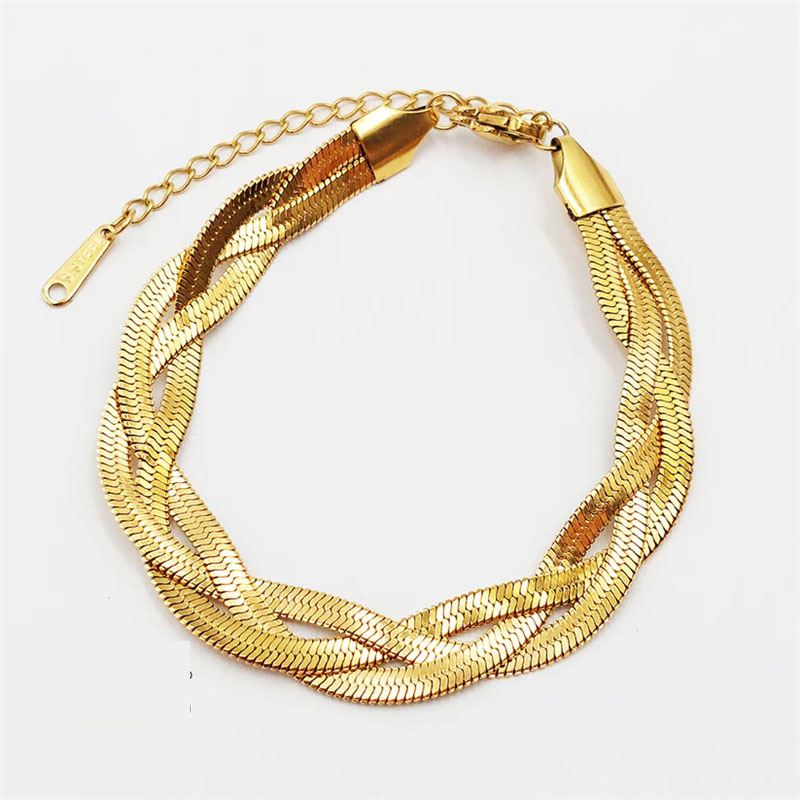
Custom Gold Braid Bracelet in 18k PVD Gold plated over sterling silver
LET’S GET STARTED : mo@kingjy.com
How to Custom Gold Braid Bracelet in 18k PVD Gold Plated over Sterling Silver at JINGYING
Introduction
In the competitive landscape of fine jewelry manufacturing, few pieces embody the fusion of traditional craftsmanship and modern material science quite like a custom gold braid bracelet. The intricate interplay of woven metal strands, combined with the durability of advanced plating technology, creates a product that is both visually striking and commercially viable. JINGYING, a prominent OEM/ODM manufacturer with over two decades of experience, has positioned itself as a leading partner for brands seeking to produce high-quality 18K PVD gold-plated sterling silver bracelets. This article provides a comprehensive, step-by-step guide to navigating the custom production process at JINGYING, from initial concept to final quality assurance, ensuring that your vision is translated into a durable, luxurious, and market-ready piece.
1. Understanding the Material Foundation: Why 925 Sterling Silver with 18K PVD Gold?
Before delving into the production process, it is essential to understand the material choices that define the product’s quality and longevity. JINGYING utilizes 925 sterling silver—an alloy composed of 92.5% pure silver and 7.5% other metals, typically copper—as the base material. This standard is globally recognized for its durability and workability, making it ideal for intricate designs like braided bracelets.
The 18K PVD (Physical Vapor Deposition) gold plating is where modern technology elevates the product. Unlike traditional electroplating, which can be prone to wear and tarnishing, PVD is a vacuum-based process that bonds gold ions to the silver surface at a molecular level. This creates a coating that is significantly more scratch-resistant and durable than standard plating. The “18K” designation refers to the gold’s purity (75% gold), offering a rich, warm color that appeals to luxury markets. For applications like bracelets, which endure significant daily friction and exposure to sweat, this combination of a robust silver core and a hard-wearing PVD finish is a compelling selling point.
2. Phase One: The Genesis – Design, Consultation, and Technical Review
The journey begins not on the factory floor, but in the design studio. This pre-production phase is critical and can last from 5 to 14 days, depending on the client’s readiness. JINGYING’s design team is equipped to work from a variety of inputs, including hand-drawn sketches, photographs of existing styles, mood boards, or precise 3D CAD files.
Step 1: Initial Consultation and Design Brief
The client provides the concept and specifies key details: the width of the braid, the clasp style, surface finish (high-polish, matte, or hammered), and any intended branding or engraving. JINGYING’s engineers conduct a technical feasibility review to ensure the design is structurally sound and castable. For instance, they might advise on the minimum thickness required for a braided link to withstand tension without breaking.
Step 2: CAD Modeling and Digital Rendering
With the concept approved, the design moves into digital space. JINGYING utilizes advanced software like Rhino and MatrixGold to create a precise 3D model. This process typically takes 5 to 7 days and yields photorealistic 360-degree renderings, allowing the client to scrutinize proportions, light reflection, and overall aesthetics. This stage is often iterative; clients may request adjustments to the braid’s tightness or the clasp’s ergonomics. Each revision cycle, while free of charge, adds time to the timeline.
3. Phase Two: Prototyping and Sampling – The “Crucible of Quality”
With the CAD file finalized, the project enters the prototyping phase. This is arguably the most critical stage, where the abstract digital design becomes a tangible object. Rushing this phase is a false economy; discovering a structural flaw after mass production is a costly catastrophe. This phase usually takes 10 to 20 days.
Step 3: 3D Printing (Resin Prototype)
The first physical incarnation of the bracelet is created using high-resolution SLA or DLP 3D printers. These printers cure liquid photopolymer resin layer by layer, producing a wax-like model with exceptional detail. This resin prototype is sent to the client for tactile verification. The client can hold it, check the circumference against their wrist, and confirm the weight and feel. This step often involves shipping, which can add 3 to 5 days to the timeline.
Step 4: The First Article Sample
Upon approval of the resin model, JINGYING crafts the “First Article” sample. This is not a plastic model but a fully functional piece cast in the actual base metal (925 sterling silver) and finished with the specified gold plating.
- Casting: The master mold is created, and the silver is cast using the lost-wax method, ensuring intricate details are captured flawlessly.
- Finishing: The sample is meticulously hand-polished. This is crucial because the quality of the pre-plating polish directly determines the final shine; a rushed job will result in a dull final product.
- Plating: The sample undergoes the exact 18K PVD process specified for the final order. If the client requested a specific plating thickness (e.g., 2.5 microns), this is tested and verified.
This finished sample is shipped to the client for final review. If adjustments are needed (e.g., lengthening the bracelet by 0.5 cm), the process loops back to CAD, creating another revision cycle that can add 1 to 2 weeks to the project.
4. Phase Three: Mass Production and the PVD Process
With the sample signed off as the definitive benchmark, the project moves into mass production. This phase leverages JINGYING’s impressive manufacturing capacity to transform the approved design into a finished collection. This typically accounts for the bulk of the 25 to 35-day total lead time.
Step 5: Casting and Component Manufacturing
Once materials are allocated, production begins. For intricate braided designs, lost-wax casting is the primary method. Wax patterns are arranged on a “tree,” invested in plaster, and baked to evaporate the wax. Molten 925 sterling silver is then forced into the hollow cavity using high-pressure vacuum or centrifugal casting, ensuring a dense core free of air pockets.
Step 6: Surface Refinement and Polishing
Raw cast bracelets undergo mechanical tumbling and multi-stage hand-polishing using specialized buffing wheels. This is followed by ultrasonic cleaning. A perfectly smooth base is mandatory; PVD coatings are incredibly thin and will magnify any tiny scratches left on the silver surface.
Step 7: The 18K PVD Gold Coating (The Differentiator)
This is the most technically sophisticated step. The polished silver bracelets are loaded into a specialized vacuum chamber. Through Physical Vapor Deposition, 18K gold atoms are vaporized and blasted onto the bracelets at an atomic level. This process involves several sub-steps:
- Barrier Layer: To prevent silver molecules from migrating and tarnishing the gold over time, JINGYING first applies a barrier layer, often of palladium.
- Vacuum Deposition: The actual 18K gold is applied. Unlike standard chemical electroplating, PVD creates a mechanical and metallurgical bond, resulting in a structural hardness that standard baths cannot match.
- Nano-Coating: After the PVD gold layer is locked down, an invisible, high-performance nano-coating shield is bonded to the exterior. This creates an impermeable barrier against daily abrasive friction, acidic sweat, water, and chemicals.
Step 8: Quality Control and Certification
Every batch of bracelets is subjected to strict verification before packaging. This includes salt spray corrosion testing, Taber abrasion testing (simulating wear-and-tear), and visual inspection to ensure the plating meets the “Vermeil” standard (a thickness of 2.5 microns or more).
5. Conclusion: The Value of Precision
Customizing a gold braid bracelet at JINGYING is a journey that balances artistry with rigorous engineering. The process—from the initial CAD sketch to the advanced PVD vacuum chamber—demonstrates a commitment to solving common industry problems like fading and skin irritation. By utilizing 925 sterling silver as a base and a thick, durable 18K PVD gold coating, JINGYING delivers a product that offers the luxury of gold at a more accessible price point while ensuring the longevity that brands and consumers demand. For jewelry brands, this means a reliable supply chain; for consumers, it means a beautiful, long-lasting keepsake. The detailed, step-by-step approach ensures that when the bracelet reaches the customer’s wrist, it is a perfect representation of the original vision.