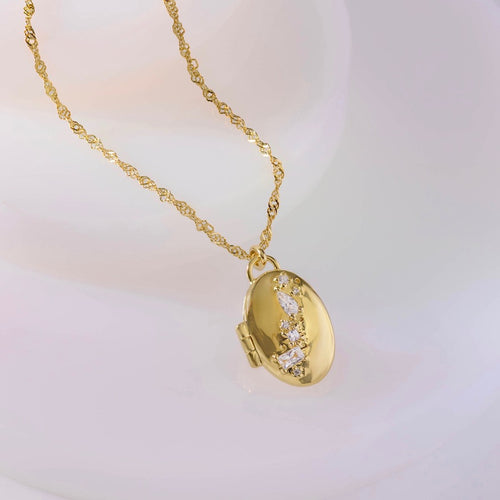
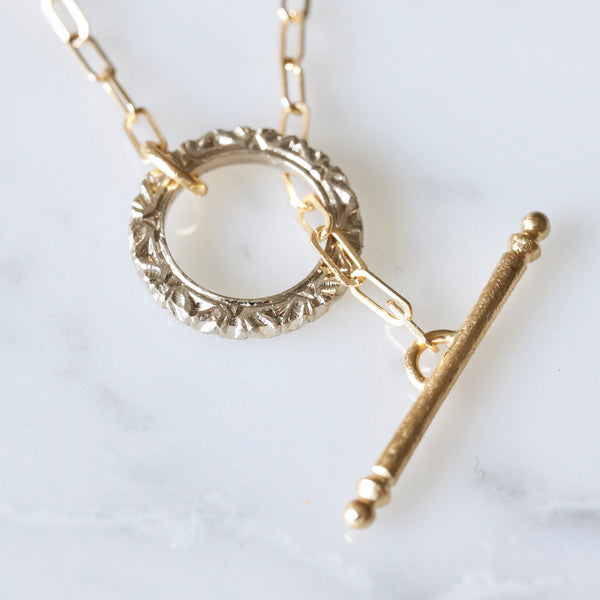
Custom Sterling Silver Jewelry Evil Eye Necklace in Gold
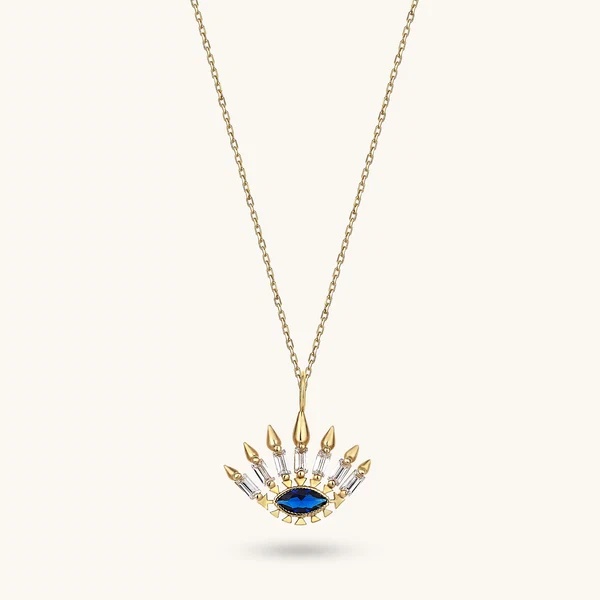

Custom Sterling Silver Jewelry Evil Eye Necklace in Gold
LET’S GET STARTED : mo@kingjy.com
How to Custom a Sterling Silver Evil Eye Necklace in Gold
Introduction
The evil eye is one of the most enduring protective symbols in human history—a talisman that has transcended cultures, borders, and millennia. Dating back more than 5,000 years, with early references appearing in 6th-century BCE Greek texts, the evil eye has been worn as a form of apotropaic magic—magic that deflects or turns away evil influences. Today, this ancient amulet has experienced a remarkable renaissance in contemporary jewelry design, with gold-plated sterling silver evil eye necklaces becoming one of the most sought-after accessories in the modern market.
Customizing your own sterling silver evil eye necklace in gold is not merely about acquiring an accessory—it is about creating a meaningful, personal talisman that carries both protective symbolism and your unique aesthetic signature. This comprehensive guide will walk you through every aspect of the customization journey, from understanding the symbolism and selecting materials to navigating the production process and caring for your finished piece.
Part One: Understanding the Symbolism and Design Philosophy
The Origins and Meaning of the Evil Eye
Before embarking on the customization process, it is essential to understand what you are creating. The evil eye—known in Greek as mati and in Arabic as ‘ayn al-ḥasūd, meaning “the eye of envy”—is a belief that an envious look can transmit negative energy and cause harm or misfortune. The eye-shaped talisman was historically employed as a form of “eye-for-an-eye” protection, designed to stare back at those who would cause harm and deflect malicious energy away from the wearer.
The symbol has roots in Christian, Jewish, Muslim, Buddhist, and Hindu cultures, and has been found in civilizations from ancient Greece and the Ottoman Empire to the Middle East and North Africa. Traditional evil eye amulets were crafted from blue and white glass—the blue symbolizing water and moisture, believed to counteract the withering effects of the evil eye curse.
Contemporary Design Interpretations
In 2026, the evil eye remains a globally recognised talisman, with designers reimagining the motif in precious metals and gemstones. When customizing your necklace, you have the opportunity to honor this ancient tradition while infusing it with contemporary style. Modern evil eye designs range from minimalist and dainty to bold and statement-making, incorporating elements such as:
- Gemstone accents: Cubic zirconia, turquoise, lapis lazuli, and natural diamonds
- Enamel inlays: Traditional blue glass enamel or custom color choices
- Geometric framing: Hearts, circles, coins, and other shapes that incorporate the eye motif
- Layering possibilities: Multiple charms, initial pendants, or zodiac symbols
Part Two: Choosing Your Materials
The Foundation: 925 Sterling Silver
The base metal for your custom evil eye necklace should be 925 sterling silver—an alloy composed of 92.5% pure silver and 7.5% other metals (typically copper). Sterling silver is the industry standard for fine jewelry because it offers:
- Durability: The copper addition makes the metal significantly harder and more wear-resistant than pure silver
- Hypoallergenic properties: 925 sterling silver is generally safe for sensitive skin
- Workability: It can be cast, stamped, filed, polished, and engraved with precision
- Value: It provides the look and feel of precious metal at a fraction of the cost of solid gold
All genuine sterling silver jewelry should be stamped with “925″ as a mark of authenticity.
The Gold Finish: Understanding Your Options
When customizing your necklace “in gold,” you have several finishing options, each with different characteristics in terms of durability, cost, and appearance.
Standard Gold Plating
Standard gold plating involves applying a very thin layer of gold—typically less than 0.5 microns thick—onto the sterling silver base through an electroplating process. This is the most affordable option but offers the least durability, typically lasting around six months with regular wear.
Gold Vermeil (Pronounced “Ver-May”)
Gold vermeil represents a significant upgrade from standard plating. To qualify as vermeil, the gold layer must be at least 2.5 microns thick and applied over a sterling silver base. The production process involves a two-stage plating approach:
- Base plating: A thick silver plating is first applied to ensure a smooth, even surface
- Gold plating: The real gold layer—typically 18K—is then applied, with thickness up to 3 microns
Gold vermeil offers superior durability, typically lasting one to two years with proper care, and is hypoallergenic for all skin types.
Gold-Filled
Gold-filled jewelry contains at least 5% solid gold by weight, mechanically bonded to the base metal through heat and pressure. The gold layer is significantly thicker than plating (often 3+ microns) and can last five years or more. However, gold-filled is less common for custom evil eye pieces than vermeil, as vermeil offers the ideal balance of quality and cost for sterling silver jewelry.
Choosing Your Gold Color
Modern customization allows you to select from multiple gold tones:
- Yellow gold: The classic, warm gold finish that pairs beautifully with the traditional blue of the evil eye
- White gold: A cooler, silvery-gold tone created with rhodium or palladium overplating
- Rose gold: A romantic pink-gold hue created by alloying gold with copper
Selecting Plating Thickness
The thickness of your gold plating directly impacts longevity. For everyday jewelry, a thickness between 1–3 microns is common, while higher-quality pieces may have 5 microns or more. When customizing, specify your desired thickness:
- 0.5–1 micron: Standard fashion plating; wears quickly with daily use
- 1–2 microns: Mid-weight plating; better durability
- 2.5+ microns: Heavy plating; approaching vermeil quality
Part Three: The Customization Process
Step 1: Concept Development
The customization journey begins with your vision. Professional jewelers typically start with a client briefing where you provide:
- Your initial design ideas or references
- Material specifications (sterling silver with gold finish)
- Stone requirements (type, color, size, and placement)
- Desired pendant size and chain length
- Personalization details (engravings, initials, dates)
Even a rough sketch or inspiration photo can serve as a starting point for the design team.
Step 2: CAD Design and 3D Modeling
Once your concept is established, the design team creates a detailed CAD (Computer-Aided Design) model. This digital rendering provides millimeter-level precision and allows you to visualize the piece before production begins.
The CAD file is then transferred to a 3D Rapid Prototyping system, which uses Direct Light Projection Technology to create a resin model. This model serves as a physical prototype for your approval before proceeding to metal casting.
Step 3: Mold Creation
With the approved prototype, a metal master mold is created using CNC machining. This master ensures that every piece produced will maintain the same high quality and precise detail as the original design.
Step 4: Casting
The casting process uses the lost-wax technique:
- Wax injection: Wax is injected into the mold to create wax copies of your design
- Investment: The wax models are encased in plaster to create molds
- Burnout: The plaster molds are heated, melting away the wax and leaving hollow cavities
- Pouring: Molten sterling silver is poured into the cavities
- Cooling: The metal cools and solidifies into the final form
This method, combined with vacuum pressure technology, achieves a yield rate of 99.2% and ensures high precision.
Step 5: Filing and Polishing
After casting, the rough silver pieces undergo several finishing stages:
- Filing: Unwanted bumps and flash (excess material) are removed from edges
- Rough polishing: Initial shaping and smoothing
- Fine polishing: Surface brightening
- Mirror polishing: Velvet cloth polishing to achieve a Ra0.05μm smooth, mirror-like surface
This meticulous process ensures the piece is perfectly prepared for gold plating.
Step 6: Stone Setting (If Applicable)
If your design includes gemstones, professional technicians use micro-setting or prong-setting techniques. Micro-inlaid machines imported from Japan achieve 99% accuracy in stone setting, ensuring stones remain secure. Quality control includes:
- Using steel needles to test each stone individually
- Dropping jewelry from 3 meters to verify stone retention
Step 7: Gold Plating
The gold plating process is where your sterling silver piece transforms into gold:
- Base plating: A thick silver plating is applied first to ensure surface smoothness
- Gold plating: The real gold layer is applied through electroplating—a process that uses electrical current and a metal-ion-containing electrolyte bath to deposit gold onto the sterling silver substrate
The two-stage approach ensures superior adhesion and a flawless finish. Most custom manufacturers offer plating thickness up to 3 microns, ensuring durability for extended wear.
Step 8: Quality Control
Professional manufacturers subject every piece to rigorous quality testing:
- Plating thickness verification: Machine testing provides reports confirming the specified gold thickness
- Adhesion testing: Professional tools manually rub the metal surface for five minutes to ensure coating quality
- Dimensional inspection: 12-step testing processes and 46 testing standards ensure every specification is met
Step 9: Engraving and Personalization
Many customization options include engraving on the reverse side of the pendant:
- Names, initials, or dates
- Short meaningful messages
- Custom symbols or logos
Laser engraving technology provides 20μm fiber laser precision, with adjustable depth for 3D anti-counterfeiting effects.
Step 10: Packaging and Delivery
Your finished piece is packaged according to your specifications, typically in a signature gift box with a luxury bag. Custom manufacturers offer express delivery through DHL, UPS, or TNT. Standard production timelines are approximately 14 days for samples and 30 days for mass production.
Part Four: Customization Options to Consider
Pendant Shape and Size
Evil eye pendants come in various shapes and sizes:
- Classic round: The traditional eye shape
- Heart-shaped: Combining love with protection
- Coin-shaped: A modern minimalist interpretation
- Teardrop: An elegant, elongated silhouette
Pendant dimensions typically range from 15mm to 25mm in length.
Chain Selection
Your choice of chain significantly affects the necklace’s overall appearance:
- Length: Customize from 16 to 20 inches to suit your body proportions
- Style: Cable, rope, curb, or beaded chains
- Adjustability: Many designs include 2-inch extenders for versatile wear
Gemstone Options
Enhance your evil eye with stones that carry their own symbolism:
- Cubic zirconia: Affordable brilliance in various colors
- Turquoise: Revered for bringing good luck and positive energy
- Lapis lazuli: Associated with wisdom and truth
- Natural diamonds: Representing strength and permanence
Enamel Inlays
Colored enamel can be applied to the eye motif for traditional or contemporary effect:
- Traditional blue: The classic protective color
- Black: A modern, edgy interpretation
- Custom colors: Match your personal style or brand identity
Part Five: Caring for Your Custom Necklace
To ensure your gold-plated sterling silver evil eye necklace remains beautiful for years, follow these care guidelines:
Daily Maintenance
- Wipe after each wear: Use a soft, dry cloth to remove oils and sweat—this is the single most effective daily habit
- Put on last: Apply perfume, lotion, and hairspray before putting on your jewelry
Cleaning
- Gentle cleaning: Use warm water with a drop of mild dish soap
- Soak briefly: Dip the piece for a moment, then rinse with clean water
- Pat dry: Never air dry—pat completely dry with a soft cloth before storing
- Avoid: Abrasive polishes, silver cloths, toothpaste, baking soda, ultrasonic cleaners, and silver dips—these will scratch and strip the gold layer
What to Avoid
- Water exposure: Remove before showering, swimming, or exercising
- Chemicals: Avoid contact with aerosols, perfume, detergents, chlorinated water, and saltwater
- Rough wear: Remove during physical activities that may scratch the surface
Storage
Store your necklace in a soft pouch or jewelry box, away from other pieces that might scratch the gold plating. Keep it dry—unlike sterling silver, gold-plated jewelry should be maintained as dry as possible.
Conclusion
Customizing a sterling silver evil eye necklace in gold is a journey that combines ancient symbolism with modern craftsmanship. From understanding the 5,000-year-old tradition of the evil eye as a protective talisman, to selecting the perfect gold finish and personalization details, every step allows you to create a piece that is uniquely yours.
The process—from concept and CAD design through casting, polishing, plating, and quality control—transforms raw materials into a meaningful wearable amulet. Whether you choose the affordability of standard gold plating, the durability of vermeil, or the longevity of gold-filled, your custom necklace will carry both protective energy and personal significance.
In an era where spirituality and self-expression converge, the evil eye necklace stands as a powerful reminder of our connection to ancient traditions and our desire for protection, intuition, and being watched over. By customizing your own piece, you are not just buying jewelry—you are creating a talisman that reflects your story, your style, and your belief in the power of protection.
Wear it with intention, care for it with diligence, and let it serve as your personal guardian against negative energy—a beautiful, golden eye watching over you wherever you go.