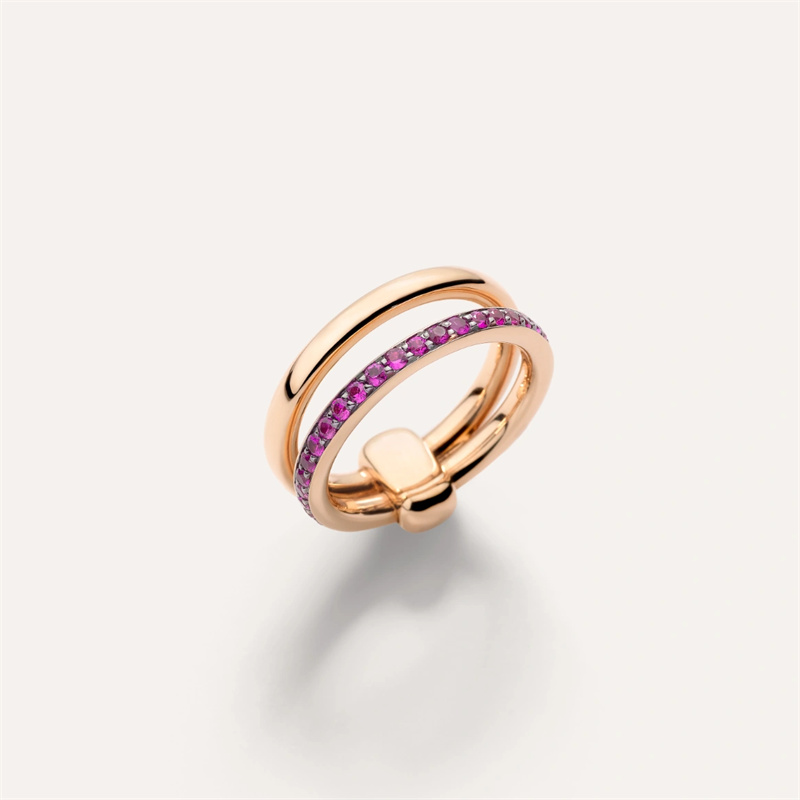
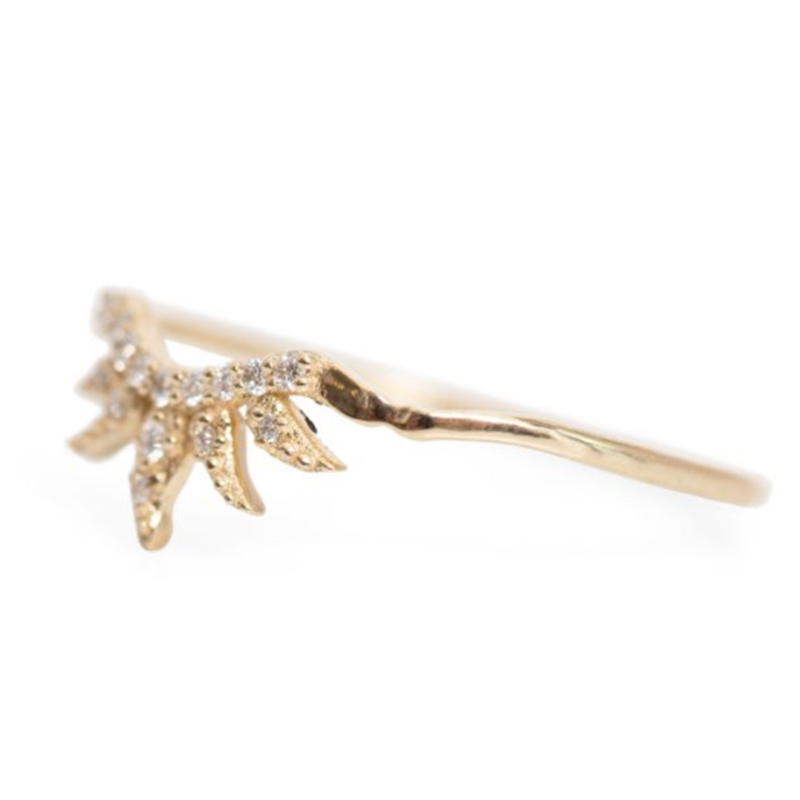
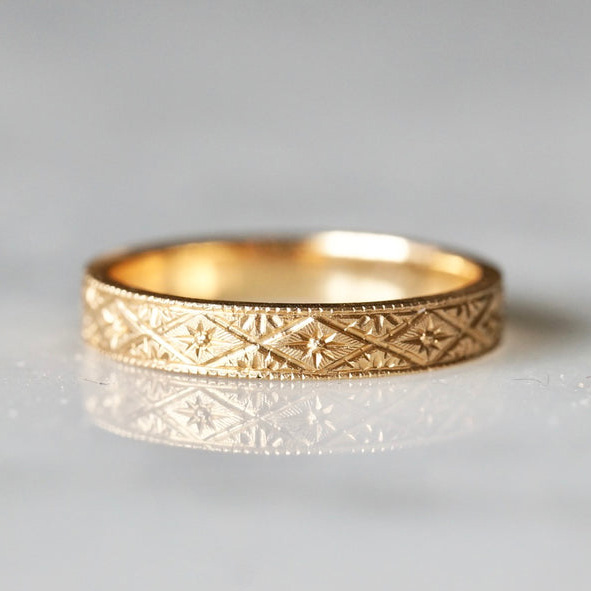
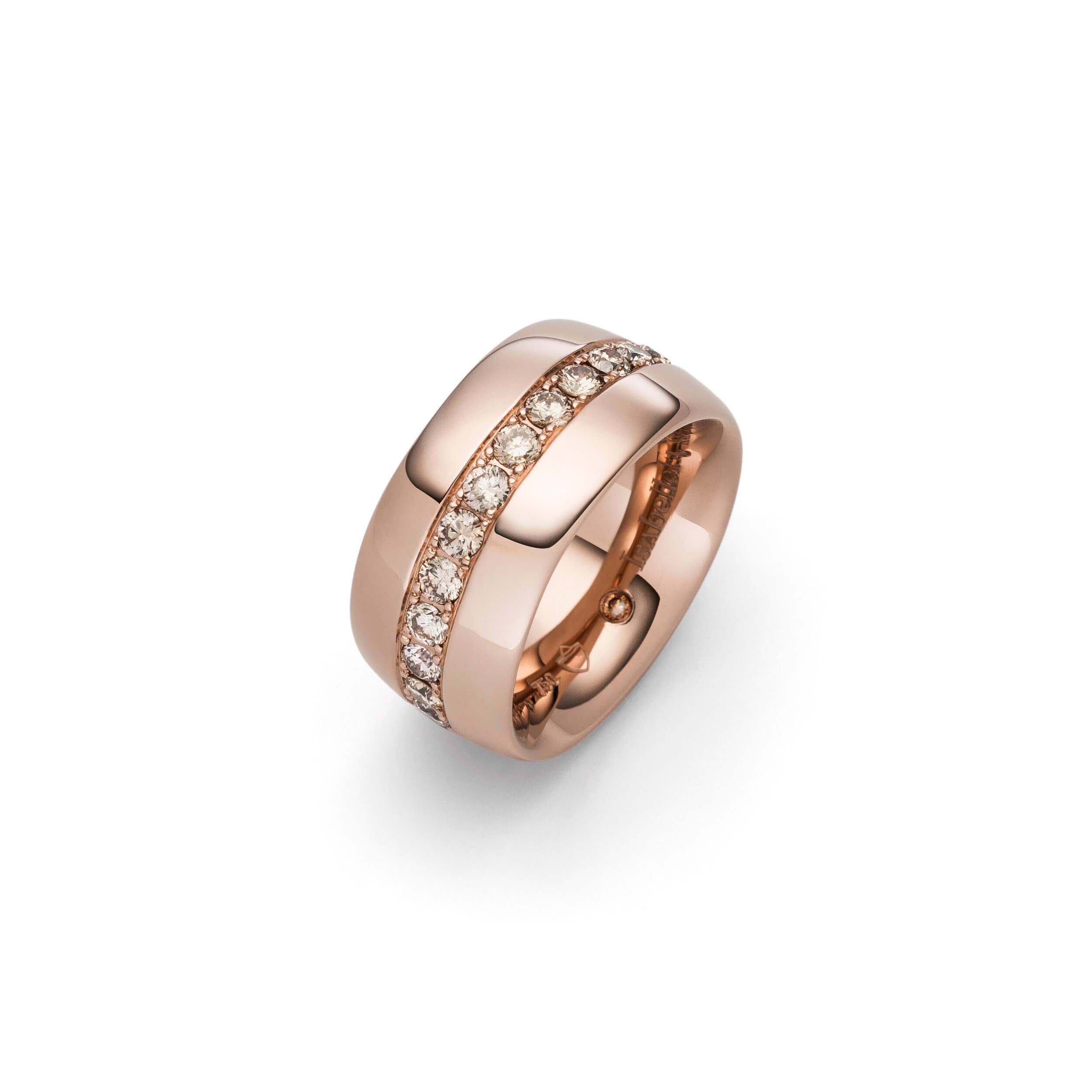
Custom Silver Jewelry Triple Wave Band Ring in Gold
Custom Silver Jewelry Triple Wave Band Ring in Gold
LET’S GET STARTED : mo@kingjy.com
How to Custom a Silver Jewelry Triple Wave Band Ring in Gold
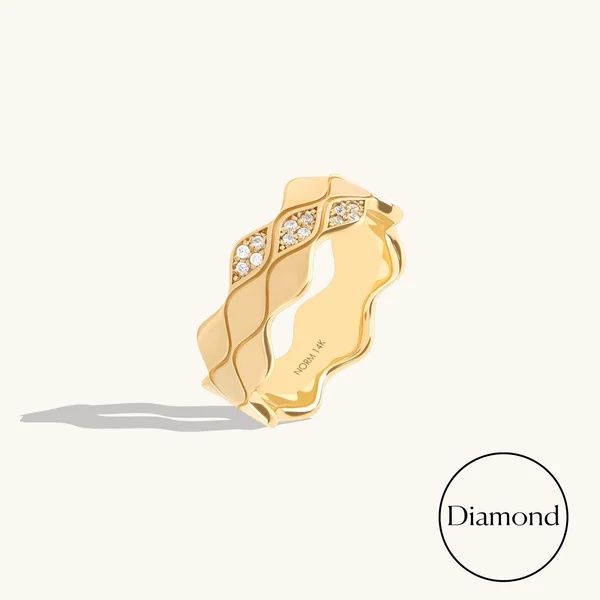
The triple wave band ring is one of those designs that manages to be both strikingly modern and timelessly elegant. With its layered, undulating silhouette, this ring captures the organic rhythm of ocean waves while offering a sophisticated statement piece for any jewelry collection. When crafted in sterling silver and finished in gold—whether through plating, vermeil, or solid gold construction—the triple wave band becomes a versatile accessory that bridges casual wear and formal occasions. But how exactly does one go about customizing such a piece? This guide walks you through the entire process, from initial concept to final polish.
Understanding the Triple Wave Band Design
Before diving into the customization process, it helps to understand what makes a triple wave band ring distinct. The design features three flowing, wavy bands that create a layered, organic silhouette. Unlike a simple stack of separate rings, the triple wave band is typically constructed as a single cohesive piece—though some variations allow the bands to be worn individually or stacked together for a two-tone bicolor look.
The wave pattern can range from subtle ripples to dramatic, sculptural curves. Some designs taper and wave between three gemstone settings, while others feature a continuous undulating band that wraps around the finger. The width of the band also varies considerably—narrow versions may measure around 3mm, while wider interpretations can reach 6mm or more.
Step 1: Define Your Vision
Customization begins with clarity. What do you want your triple wave ring to look like? Consider the following aspects:
Wave Profile: Do you prefer gentle, rolling waves or sharp, angular peaks? Some designs feature asymmetrical waves that feel more organic, while others opt for perfectly symmetrical, repeating patterns.
Band Width: Narrow bands (3–4mm) offer a delicate, understated look ideal for stacking or everyday wear. Wider bands (6–7mm) make a bolder statement and showcase the wave pattern more prominently.
Finish: High-polish finishes give the ring a mirror-like brilliance, while matte or brushed finishes offer a more contemporary, subdued aesthetic.
Gemstone Accents: Many triple wave rings incorporate three 2.5mm round stones—one for each wave—that can be personalized with birthstones, Swarovski zirconia, or genuine diamonds.
Having reference images or sketches ready will make the next steps significantly smoother.
Step 2: Choose Your Gold Finish
This is where the “in gold” aspect of your customization comes into play. When customizing a silver jewelry piece with a gold appearance, you have several options, each with distinct characteristics in terms of durability, cost, and longevity.
Gold-Plated Sterling Silver
Gold plating involves applying a thin layer of gold—typically less than 0.5 microns thick—onto the sterling silver base through electroplating. This is the most affordable option but also the least durable; the thin gold layer can wear off relatively quickly with frequent use. Standard gold-plated pieces are best suited for occasional wear.
Gold Vermeil
Vermeil (pronounced “ver-may”) is a significant step up in quality. It features a thicker layer of gold—at least 2.5 microns—applied over a sterling silver core. For a piece to be labeled as vermeil in the U.S., the gold must be at least 10 karats. Vermeil offers a higher gold content than standard plating, a hypoallergenic sterling silver foundation, and a longer-lasting finish. Many jewelers offer 18k gold vermeil over 925 sterling silver.
Gold-Filled
Gold-filled jewelry contains a mechanical bond of gold to the base metal, with gold accounting for at least 5% of the item’s total weight. This layer is 5 to 10 times thicker than standard gold plating and more durable than vermeil. Gold-filled pieces are highly resistant to tarnishing and fading, making them ideal for everyday wear. However, they cost more than plated or vermeil options and offer less design flexibility due to their thicker construction.
Solid Gold
For the ultimate in luxury and durability, you can forgo silver entirely and have your triple wave ring crafted directly in solid gold—14k, 18k, or even 22k. Solid gold rings can be resized and repaired more easily than plated pieces, and they never fade or wear away. Many jewelers now offer recycled gold options, using 100% reclaimed 14kt yellow, white, or rose gold.
Step 3: Select Your Jeweler
Not all jewelers offer the same customization capabilities. When choosing where to commission your triple wave ring, consider:
Experience with Wave Designs: Wave patterns require specific expertise in metalworking. Ask to see examples of similar organic or sculptural designs the jeweler has produced.
Customization Options: Does the jeweler offer CAD (Computer-Aided Design) rendering? Can they accommodate custom sizing, gemstone selection, and engraving?
Production Timeline: Custom rings can take anywhere from one week to several months to complete, depending on complexity.
Recycled Materials: If sustainability matters to you, look for jewelers who use recycled silver and gold.
Return Policy: Custom pieces are typically non-refundable, so ensure you’re confident in the design before production begins.
Step 4: The Design Phase
Consultation
The customization journey typically begins with a consultation—whether in-person, over email, or via video call. During this stage, you’ll discuss your design preferences, budget, timeline, and any specific requirements. Some jewelers provide a prep questionnaire to help capture your vision before the consultation even begins.
Sketches and Renderings
Based on your input, the jeweler will create initial design sketches or digital renderings. CAD (Computer-Aided Design) has become the industry standard for custom jewelry, allowing jewelers to create photorealistic 3D images of your ring. These renderings let you see exactly how the ring will look from every angle—crucial for a design as three-dimensional as a wave band.
Many jewelers use specialized software like Rhino or Matrix for jewelry CAD, which allows for easy modifications to ring size and design elements.
Revisions and Approval
You’ll typically have the opportunity to request revisions to the design. Once you’re satisfied, you’ll provide written approval and pay a deposit—often 50% of the total estimated price—before production begins.
Step 5: Manufacturing Process
Wax Modeling or 3D Printing
The first physical step in production is creating a model of your ring. Traditionally, this meant carving a wax model by hand. Today, many jewelers use 3D printing to produce a wax or resin model directly from the CAD file. This castable wax resin is then used in the lost-wax casting process.
Lost-Wax Casting
In lost-wax casting, the wax model is used to create a negative mold from fine plaster. The mold is heated in a kiln until the wax melts and vaporizes away, leaving a hollow cavity in the exact shape of your ring. Molten 925 sterling silver is then forced into this cavity using high-pressure vacuum or centrifugal casting. Both the wax model and the plaster mold are “lost” in this process—hence the name.
Surface Refinement
Once the silver has cooled and solidified, the rough casting undergoes surface refinement. This includes filing, sanding, and polishing to achieve the desired finish. For wave designs, this stage is particularly important—the organic curves must be carefully refined to maintain the fluid, natural appearance of the waves.
Gold Application
If you’ve chosen a gold-plated or vermeil finish, this is where the gold is applied. The process typically involves:
- Thorough Cleaning: The silver piece must be perfectly clean before plating.
- Barrier Layer: A thin layer of nickel or palladium is often applied first to prevent the silver from diffusing into the gold plating and to improve shine.
- Electroplating: The piece is immersed in a gold bath, and an electric current bonds the gold to the surface.
For high-quality vermeil, the gold layer should be at least 2.5 microns thick. Some jewelers offer even thicker plating—3 microns or more—for enhanced durability.
Gemstone Setting and Engraving
If your design includes gemstones, they are set at this stage. The three 2.5mm stones are typically secured in claw or prong settings mounted on the wave-shaped shank.
Engraving—whether on the inside of the band or as part of the exterior design—is also completed during this phase.
Step 6: Final Polishing and Quality Control
The completed ring undergoes a final polishing to achieve its intended finish—high polish, matte, or oxidized. It then goes through rigorous quality control to ensure the wave pattern is properly formed, the gold finish is even, and the ring meets the specified size and design requirements.
Measuring Your Ring Size
Accurate sizing is essential for custom rings—alterations after production can be difficult or impossible, especially with plated pieces. Most jewelers provide printable sizing tools or recommend measuring an existing ring that fits well. Some jewelers suggest using two different measuring methods to confirm accuracy.
A general rule: if you’re between sizes, size up for comfort, particularly with wider bands.
Caring for Your Custom Triple Wave Ring
Once your ring arrives, proper care will extend its beauty and lifespan:
For Gold-Plated and Vermeil Rings: Avoid exposure to water, lotions, perfumes, and harsh chemicals. Remove the ring before showering, swimming, or exercising. The gold layer can wear thin over time, especially on high-friction areas.
For Gold-Filled and Solid Gold Rings: These are more durable and can withstand everyday wear. Clean with mild dish soap, warm water, and a soft brush.
For All Rings: Store separately to prevent scratching. Use a microfiber or polishing cloth to restore shine. Many jewelers offer lifetime cleaning and maintenance services for custom pieces.
Conclusion
Customizing a silver triple wave band ring in gold is a journey that transforms a beautiful design into something uniquely yours. From defining your vision and selecting the right gold finish to collaborating with a skilled jeweler through design, casting, and finishing, each step brings you closer to a piece that reflects your personal style.
The triple wave band’s organic, flowing silhouette offers endless possibilities for personalization—whether you choose subtle waves or dramatic curves, a delicate narrow band or a bold wide one, sparkling gemstone accents or pure, unadorned metal. And with options ranging from affordable gold plating to luxurious solid gold, there’s a triple wave ring for every budget and lifestyle.
The result is more than just a ring. It’s a wearable piece of art—one that captures the timeless beauty of ocean waves and the enduring appeal of gold, crafted specifically for you