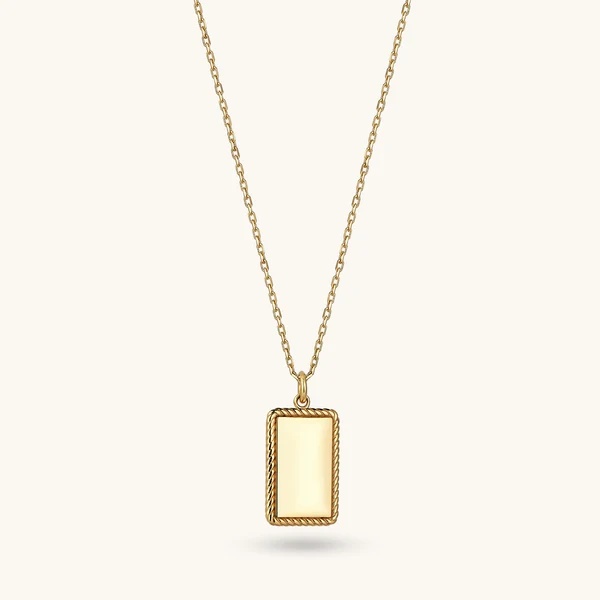
Custom Sterling Silver Engravable Necklace in Gold manufacturer
Loop Bracelet in Gold Custom Jewelry oem odm China
LET’S GET STARTED : mo@kingjy.com
How to Custom a Sterling Silver Engravable Necklace in Gold
Introduction
Personalized jewelry has become one of the most meaningful ways to express identity, commemorate relationships, and mark life’s milestones. Research confirms that personalized jewelry converts at significantly higher rates than generic pieces and is returned far less often. Among the most popular choices in this category is the sterling silver engravable necklace finished in gold—a piece that combines the durability of 925 silver with the warm, luxurious appearance of gold at a fraction of the cost of solid gold jewelry.
This guide provides a comprehensive walkthrough of how to customize a sterling silver engravable necklace in gold, covering everything from material selection and design considerations to engraving techniques, ordering procedures, and long-term care.
Understanding the Materials
What Is 925 Sterling Silver?
Sterling silver, specifically 925 sterling silver, consists of 92.5% pure silver mixed with 7.5% other metals—typically copper—to enhance durability. With a Vickers hardness of 75–100 Hv and a specific gravity of 10.49 g/cm³, sterling silver provides the ideal balance between malleability for engraving and resistance to surface wear. Unlike fine silver (999), which is too soft for high-definition inscriptions, 925 sterling silver maintains structural integrity while accepting both hand and machine engraving beautifully.
For chains intended for daily wear, 925 sterling silver is the exclusive recommendation, as engraving depths of 0.1mm to 0.3mm remain legible against the abrasive contact of clothing and skin. The material is also hypoallergenic for most wearers, easily repairable, and can be refreshed through professional services like re-polishing or re-plating.
What Does “Gold Plating” Mean?
“Gold over sterling silver”—also called gold-plated sterling silver or gold tone sterling silver—means the base metal is sterling silver with a layer of gold applied over the surface through electroplating. This gives you the look of solid gold at a much more affordable price point.
The karat designation indicates the purity of the gold alloy used. For instance, 18k gold is 75 percent pure gold by weight, prized for its warm tone and fine-jewelry appearance. Plating thickness is measured in microns, and thicker layers generally last longer. Professional manufacturers typically apply a two-step plating process: first a thick silver base plating to ensure surface smoothness, followed by the actual gold plating, with thickness reaching up to 3 microns to ensure longevity.
When the gold layer is at least 2.5 microns thick over sterling silver, the piece qualifies as gold vermeil—a premium category that typically lasts 1–3 years with proper care. Standard gold plating, however, can vary significantly in thickness and longevity.
Design Considerations Before You Begin
Choosing the Pendant Style
The first step in customization is selecting the pendant shape and size that will serve as your canvas. Common options include:
- Disc pendants: Round or oval shapes offering ample engraving surface
- Bar pendants: Rectangular bars ideal for names, dates, or coordinates
- Heart pendants: Romantic shapes popular for gifts
- Geometric shapes: Modern designs like hexagons, triangles, or circles
The engravable area is a critical factor—most pendants specify their dimensions in millimeters. For example, some heart pendants offer engravable areas of 16.0 x 10.0 mm, while bar pendants may range from 35 x 6mm to 50 x 8mm. Smaller pendants have strict character limits; exceeding these limits leads to reduced font height, making the engraving susceptible to being obscured.
Selecting the Chain
The chain is an integral part of the necklace. Most custom pieces offer chain length options typically ranging from 40cm to 50cm (approximately 16 to 20 inches). Chain types vary as well—anchor chains are a classic choice, but some retailers offer bead chains or other styles. The chain itself is usually made of sterling silver and finished with the same gold plating as the pendant, ensuring a cohesive look.
Gold Finish Options
Beyond classic yellow gold, customization often includes:
- 18k yellow gold plating: The traditional warm gold tone
- 14k gold plating: Slightly paler but equally popular
- Rose gold plating: A pinkish hue created by alloying gold with copper
- White gold plating: A silvery-white finish
Some manufacturers offer additional plating options such as platinum, black rhodium, or customized plating colors.
Engraving Content
The possibilities for engraving content are virtually endless, but the most popular choices include:
- Names and initials: The most classic choice, often limited to 1–10 characters
- Dates and milestones: Anniversaries, birthdays, or significant dates (8–10 characters)
- Geographical coordinates: The coordinates of a meaningful location (20–25 characters)
- Short messages: Dedications, affirmations, or quotes
- Symbols: Hearts, infinity signs, zodiac symbols
For larger pendants, some retailers allow engraving on both the front and back surfaces. Character limits vary by pendant size—some allow up to 10 characters per line with two lines available, while others cap at 25 characters per side.
Font Selection and Engraving Styles
Choosing the Right Font
Font choice significantly impacts both the aesthetic and longevity of your engraving. Recommended fonts fall into several categories:
- Sans-serif fonts (Arial, Helvetica, Montserrat): Offer strong, uniform strokes that engrave clearly and are easy to center. Best for names, initials, and short dates.
- Simple serif fonts (Times New Roman Bold, Georgia): Maintain clarity while adding a traditional, elegant look.
- Script/cursive fonts (Lucida Calligraphy, Rollerscript): Elegant and stylized, but best reserved for larger items to ensure legibility. Ideal for romantic, feminine designs on pendants larger than 2.5cm.
- Bell MT: A clear, fantastic-looking font that balances readability with style.
For clarity, font size should begin at a minimum of 5.5 points; smaller sizes become difficult to read.
Engraving Methods: Diamond vs. Laser
Two primary engraving methods are available:
Diamond Engraving: A diamond tip carves into the material in relief, creating a colorless inscription. This method typically achieves depths of 0.2mm to 0.5mm and offers high artistic quality with a unique, handcrafted feel.
Laser Engraving: A laser beam burns the design into the material. The color of the engraving comes from the dust of the burned material—a fading of the font color is completely normal over time, though the text itself remains visible. Laser engraving offers precise, replicable results with turnaround times of 1–2 days and depths of 0.05mm to 0.2mm.
For long-lasting engraving on sterling silver, aim for a minimum depth of 0.25–0.50mm for mechanical engraving. Laser engraving at shallower depths (0.02–0.20mm) will fade sooner.
Engraving Direction
Most retailers allow you to choose between horizontal or vertical engraving directions. The choice depends on your pendant shape—horizontal works best for bar and disc pendants, while vertical suits elongated or heart-shaped designs.
The Customization Process: Step by Step
Step 1: Select Your Base Piece
Begin by choosing the necklace style that suits your preferences. Consider:
- Pendant shape and size
- Chain length and type
- Metal finish (yellow gold, rose gold, white gold, etc.)
Ensure the pendant has a sufficiently large engraving surface. Most retailers specify the minimum dimensions required for engraving—typically a minimum diameter of 2cm for rounded shapes.
Step 2: Choose Your Plating Finish
Decide on your gold plating preference. Options typically include 14k or 18k yellow gold, rose gold, or white gold. Some manufacturers allow customization of plating thickness—a thicker layer (2.5–3 microns) provides greater durability.
Step 3: Craft Your Engraving Message
Write your message carefully, keeping character limits in mind. Consider:
- The number of characters allowed (typically 1–25 depending on pendant size)
- Whether both front and back can be engraved
- The emotional significance of your chosen words
For handwriting jewelry, some services allow you to submit an image of actual handwriting, which is then digitized and engraved with every nuance preserved.
Step 4: Select Your Font
Choose a font that complements your message and pendant style. Sans-serif fonts work well for modern, clean looks; script fonts add romance; serif fonts offer traditional elegance. If uncertain, consult the retailer’s font samples—most offer 8 or more font options.
Step 5: Place Your Order
When ordering, double-check:
- Spelling and punctuation (engraved items are typically excluded from exchange and return)
- Chain length (have your measurement determined in advance)
- Plating finish and karat
- Engraving direction (horizontal or vertical)
Some retailers offer the option to receive the piece unengraved for a fitting, then engrave it afterward for a surcharge.
Step 6: Production and Delivery
Production times vary by method. Hand engraving typically takes 3–7 days, while laser engraving can be completed in 1–2 days. Most retailers note that engraving does not prolong the overall delivery time of the product.
Caring for Your Gold-Plated Sterling Silver Necklace
Expected Longevity
With mindful wear and proper storage, 18k gold plating over 925 sterling silver typically looks its best for about 6 to 24 months. Pieces worn occasionally and stored well can last longer before showing signs of wear. Everyday friction points—such as necklace clasps or areas that rub against skin and clothing—may show softening of the finish sooner than low-contact surfaces.
Factors That Affect Longevity
Several factors can accelerate wear on the gold layer:
- Friction from rubbing against zippers, clothing, or hard surfaces
- Sweat from workouts and heat (which can be slightly acidic)
- Perfume, hairspray, lotions, and sunscreen
- Water exposure, including showering, swimming in chlorinated pools, and ocean salt
- Humidity and improper storage conditions
The Do’s and Don’ts of Care
Do:
- Wipe gently with a soft microfiber cloth after each wear to remove oils and residue
- Put jewelry on last and take it off first to avoid contact with skincare products and sprays
- Store pieces separately in soft pouches or compartments to prevent scratches
- Keep storage areas dry and cool; use silica gel or anti-tarnish tabs to reduce humidity
Don’t:
- Wear jewelry while showering, swimming, or working out
- Apply perfume or hairspray after putting on the jewelry
- Expose the piece to household chemicals, cleaning agents, or hand sanitizer
- Store jewelry loose in a drawer where it can rub against other items
- Use abrasive cloths, polishing compounds, or ultrasonic cleaners
Simple Cleaning Routine
The cleaning routine should be minimalist and gentle:
- Wipe with a soft cloth after each wear
- If needed, use mild soap sparingly (avoid soaking)
- Dry thoroughly before storing
When Discoloration Occurs
If the gold layer begins to thin and the underlying silver shows through, don’t panic. Gold-over-silver pieces can often be refinished and re-plated to restore the gold look. Professional re-plating services can refresh the piece and extend its life significantly.
Conclusion
Customizing a sterling silver engravable necklace in gold is a rewarding process that results in a piece of jewelry carrying deep personal meaning. By understanding the materials—925 sterling silver with gold plating—selecting the right pendant, chain, and finish, choosing an appropriate font and engraving method, and following proper care guidelines, you can create a beautiful, lasting keepsake.
Whether you’re engraving a name, a date, coordinates, or a heartfelt message, the piece becomes more than jewelry—it becomes a wearable autobiography, a tangible connection to a person, place, or moment that matters. With the right choices and proper maintenance, your custom gold-plated sterling silver necklace will remain a cherished possession for years to come.