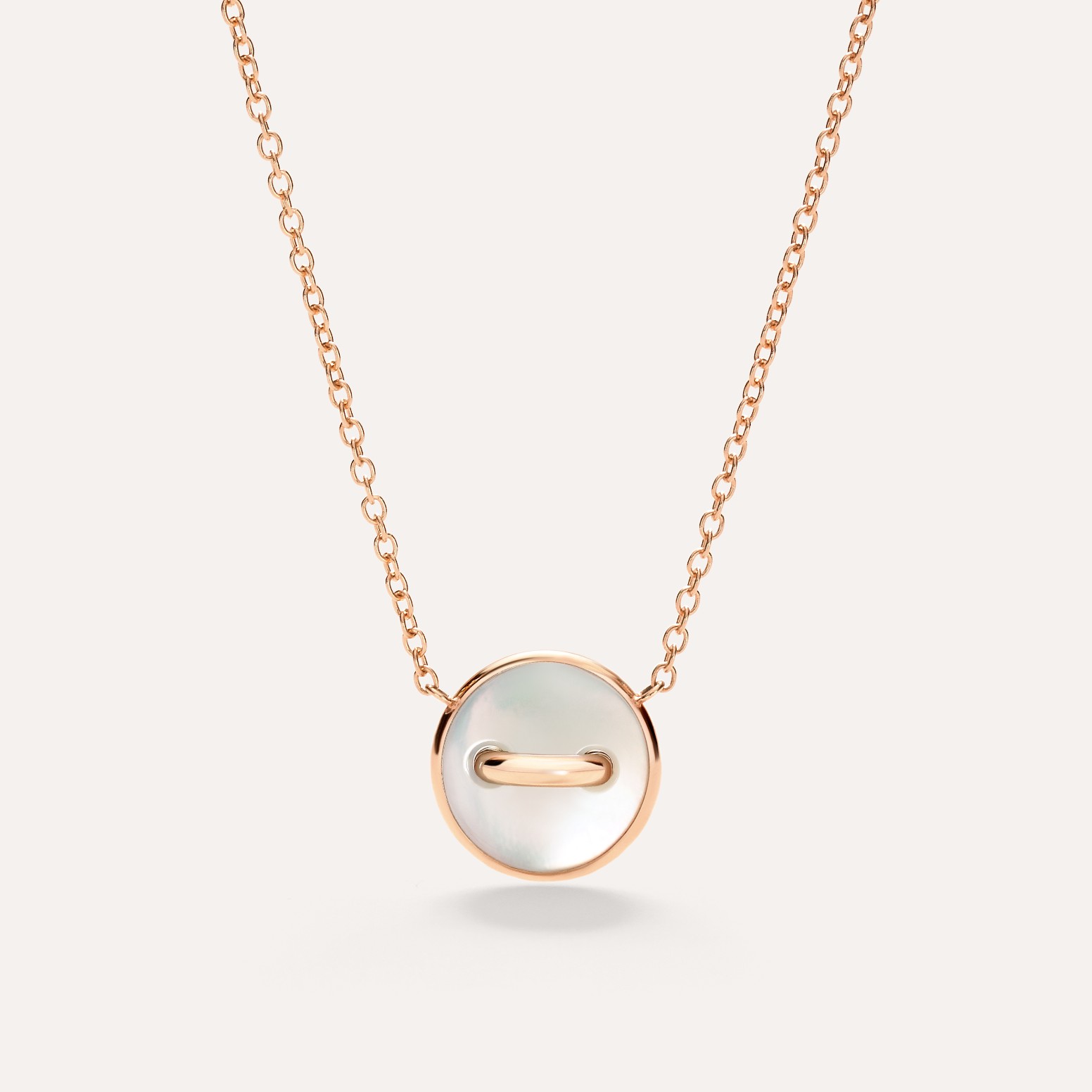
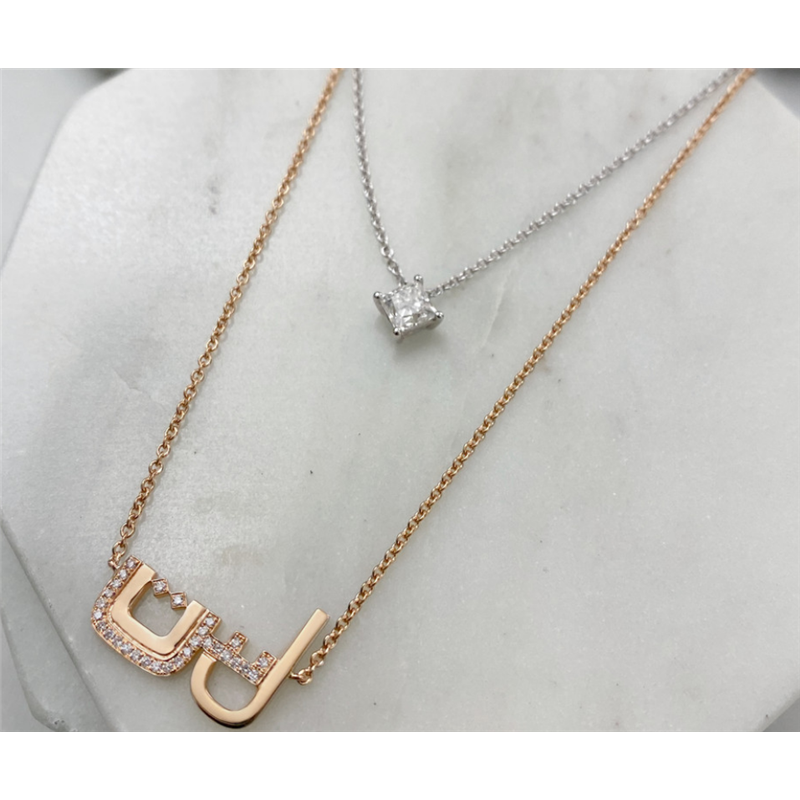
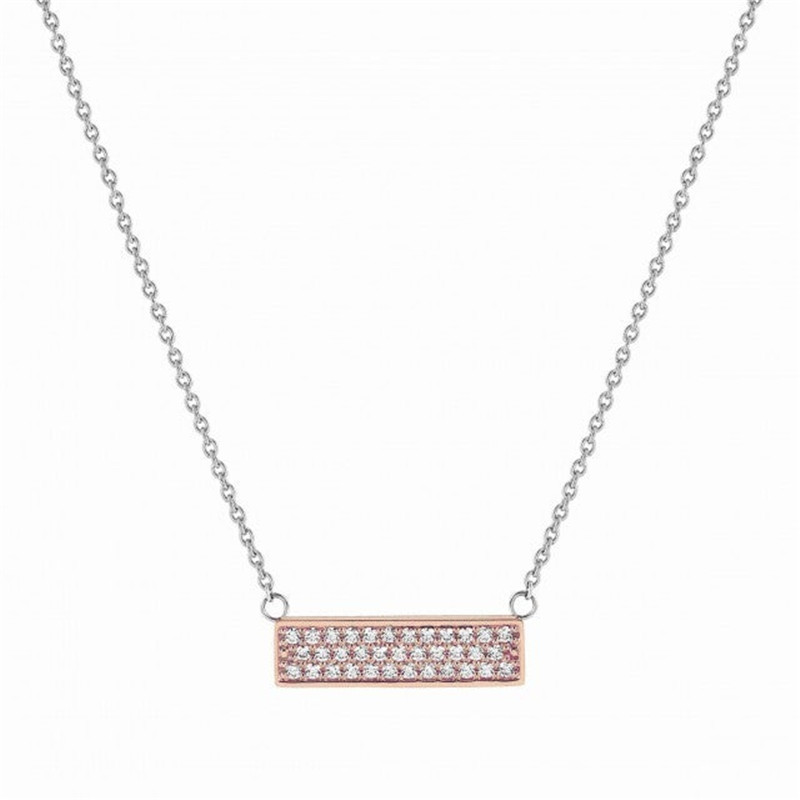
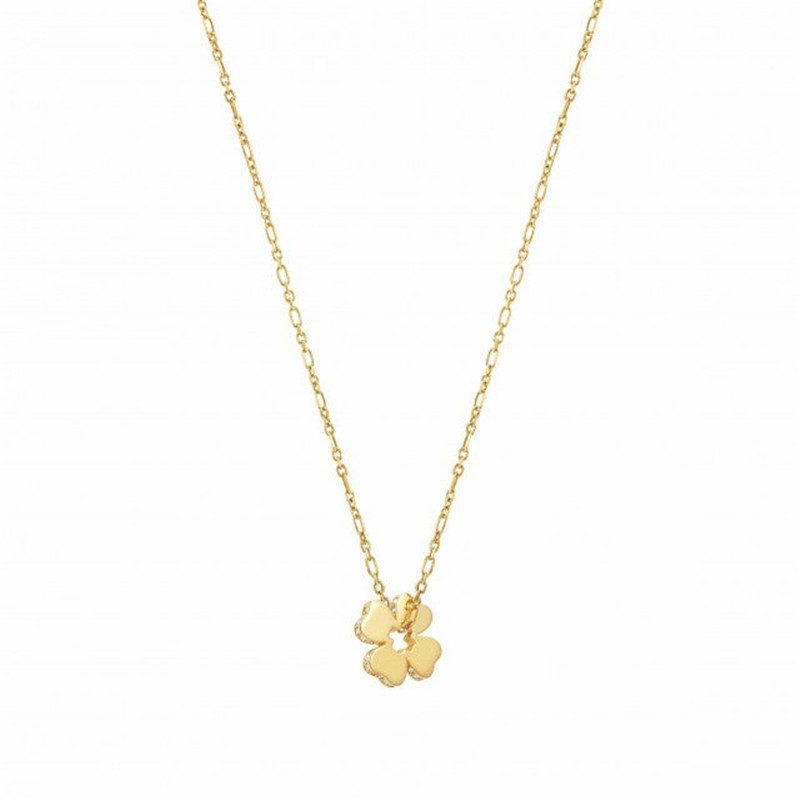
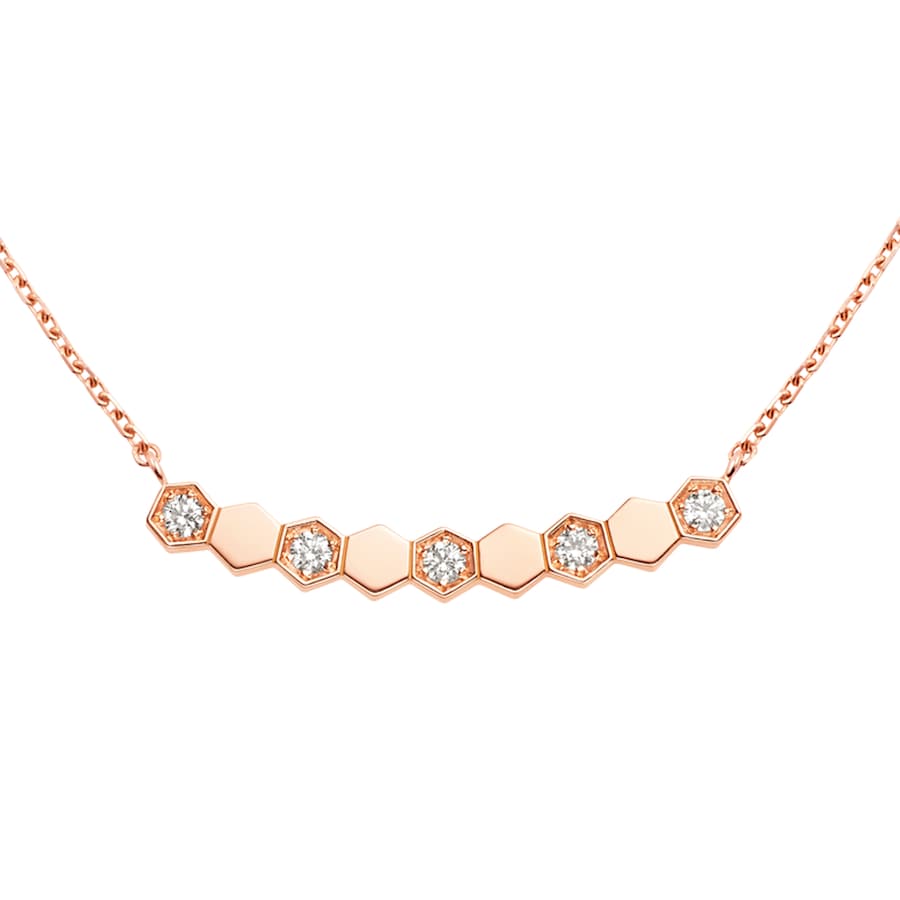
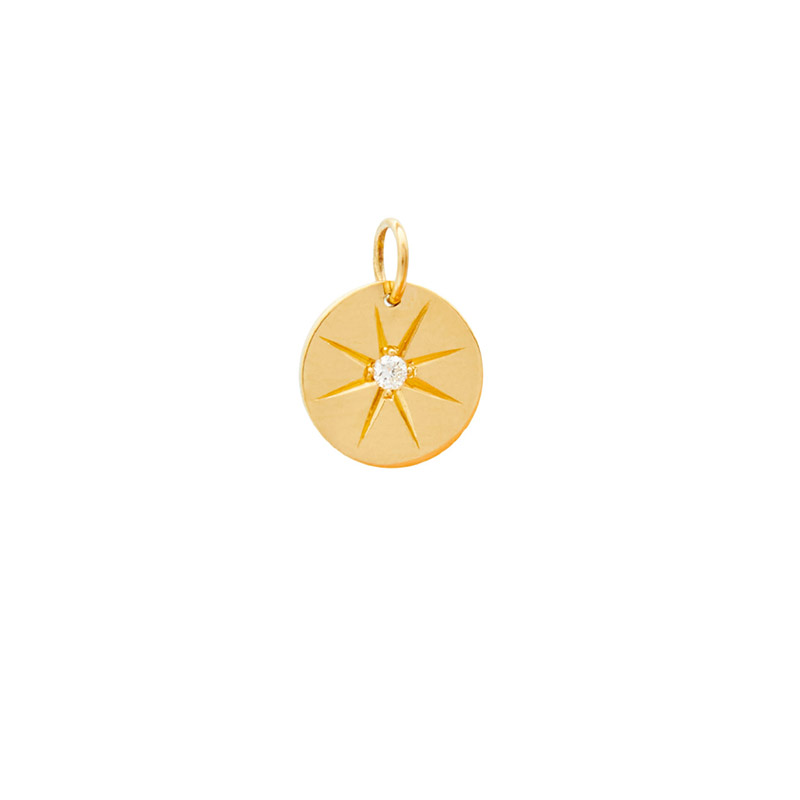
Custom China 925 sterling silver pendant necklace manufacturers
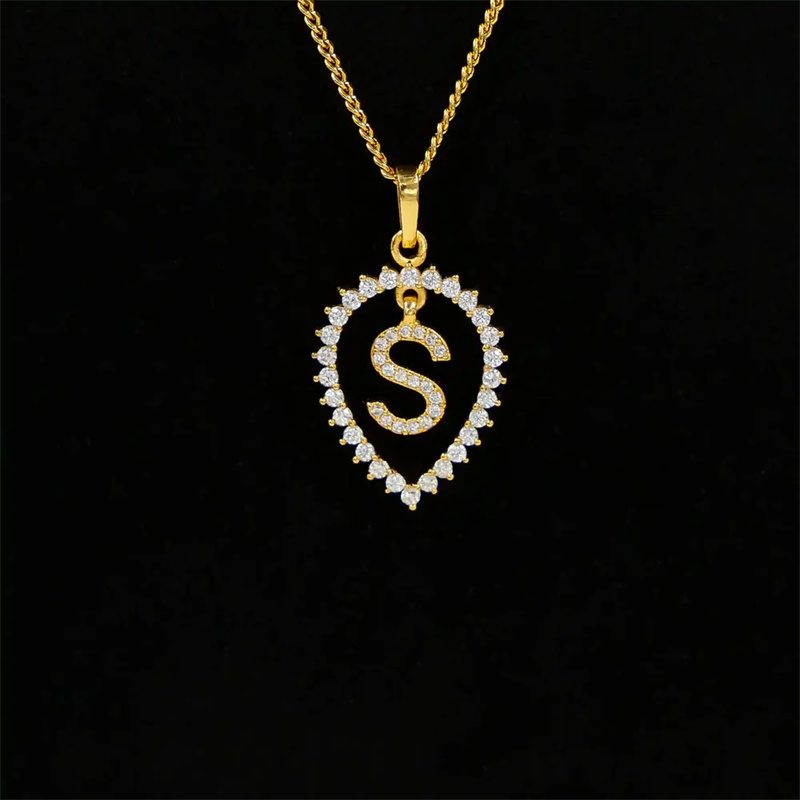
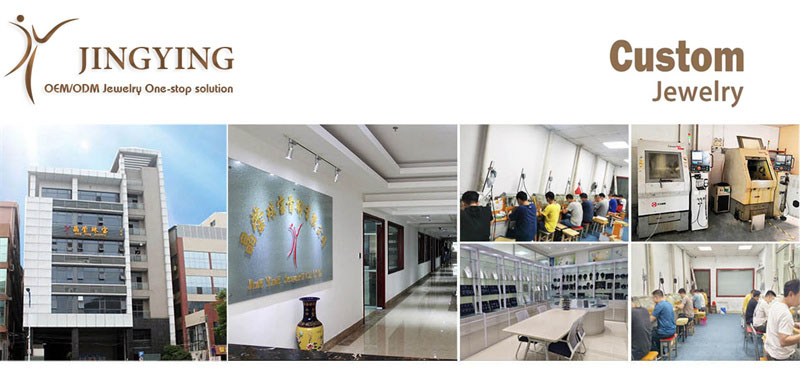
Custom China 925 sterling silver pendant necklace manufacturers
LET’S GET STARTED : mo@kingjy.com
JINGYING: Custom China 925 Sterling Silver Pendant Necklace Manufacturers
In the vast and intricate ecosystem of global jewelry manufacturing, China has long held a position of unparalleled dominance. Yet, within this expansive industry, a new breed of manufacturers is emerging—companies that are not merely content with mass production but are dedicated to the art of customization. At the forefront of this movement stands JINGYING, a name that has become synonymous with precision, quality, and bespoke craftsmanship in the realm of 925 sterling silver pendant necklaces.
As the global market pivots toward personalization and unique brand identity, the role of the original equipment manufacturer (OEM) and original design manufacturer (ODM) has evolved. Today, it is not enough to simply cast metal; a top-tier manufacturer must be a partner in creation. This article delves deep into the world of JINGYING, exploring its manufacturing processes, the technical mastery behind its products, and why it represents the gold standard for brands seeking custom sterling silver jewelry solutions.
The Evolution of Jewelry Manufacturing in China
To understand the significance of JINGYING, one must first appreciate the landscape from which it rose. For decades, Chinese jewelry manufacturing was characterized by high-volume, low-cost production. Factories churned out thousands of identical pieces destined for global markets, often at the expense of intricate detail and quality control. However, the last decade has witnessed a seismic shift. Rising labor costs, increased competition, and a demand for “fast fashion” jewelry have pushed factories to innovate or perish.
JINGYING represents the pinnacle of this evolution. It has transitioned from a simple production house to a comprehensive solutions provider. This means offering services that encompass 3D design, rapid prototyping, casting, finishing, and packaging—all under one roof. The company understands that in the modern jewelry market, speed and flexibility are just as important as quality and price.
Furthermore, the rise of social media and e-commerce has given birth to countless independent jewelry brands. These brands do not have the capital to own their own foundries, yet they require the same level of precision and quality as luxury houses. JINGYING fills this gap by offering scalable solutions, from small-batch artisan pieces to large-scale production runs, ensuring that every client, regardless of size, receives the same meticulous attention to detail.
The Material: Why 925 Sterling Silver?
At the heart of JINGYING’s expertise is its mastery of 925 sterling silver. This alloy, consisting of 92.5% pure silver and 7.5% other metals (usually copper), is the industry standard for high-quality jewelry. It strikes the perfect balance between purity and durability. Pure silver is too soft for daily wear; it bends easily and scratches readily. The addition of copper or other alloys strengthens the metal, allowing it to hold intricate designs while retaining its brilliant, white lustre.
JINGYING takes material sourcing seriously. The company sources its silver from certified refineries, ensuring that the metal is not only pure but also ethically mined. This commitment to sustainability is increasingly important to Western brands who are accountable to environmentally conscious consumers. By using recycled silver and ensuring traceability, JINGYING allows its clients to market their products with a clear conscience.
Moreover, 925 sterling silver offers an excellent canvas for a variety of finishes. Whether a client desires a high-polish mirror finish, an antiqued oxidized look, or a matte satin texture, JINGYING’s craftsmen possess the skills to deliver. The metal also lends itself well to the setting of stones, from cubic zirconia to genuine diamonds and gemstones, making it a versatile choice for pendant designs ranging from minimalist modernism to ornate vintage revival.
Technical Mastery: From Concept to Casting
The journey of a custom pendant from a sketch to a tangible piece of jewelry at JINGYING is a marvel of modern manufacturing fused with traditional craftsmanship. It all begins with the design phase.
JINGYING employs a team of skilled CAD (Computer-Aided Design) engineers. For custom orders, clients can provide a rough sketch, a photograph, or a detailed technical drawing. The engineers then translate this into a precise 3D model using industry-leading software. This digital model is not merely a visual representation; it contains the exact dimensions, weight calculations, and structural integrity data necessary for manufacturing. This step is crucial because it allows the client to “see” the final product before any metal is cut, saving time and resources.
Once the design is approved, the process moves to the creation of the mold. Traditionally, this involved hand-carving a wax model. While JINGYING still respects traditional wax carving for highly complex or artistic pieces, the company heavily invests in 3D printing technology. Using high-resolution resin printers, the factory produces a physical wax or resin model directly from the CAD file. This method is incredibly precise, capable of capturing details as fine as 0.1 millimeters.
The next step is the Lost-Wax Casting process, a technique that dates back thousands of years but is now executed with modern precision. The wax model is attached to a “tree” and encased in a plaster-like investment material. Once the investment hardens, it is placed in an oven where the wax burns away, leaving a hollow cavity. Molten 925 sterling silver is then centrifugally or vacuum-forced into the mold, filling every crevice of the design. After cooling, the plaster is broken away, revealing the “rough cast” pendant.
The Art of Finishing: Where Quality Shines
This is where JINGYING distinguishes itself from lower-tier manufacturers. The rough casting is merely the beginning; it requires hours of skilled labor to transform it into a finished piece of jewelry. The “finishing” department at JINGYING is the heart of the operation.
- Grinding and Polishing: The pendants are meticulously ground to remove any casting imperfections, such as sprue marks (where the metal flowed into the mold) or seam lines. This is followed by progressive stages of polishing using finer and finer abrasives until the surface gleams.
- Setting: If the pendant design calls for stones, JINGYING’s expert setters take over. Whether it is a prong setting, bezel setting, or pavé setting, these artisans use microscopic tools to secure gemstones without damaging the metal or the stone.
- Plating and Oxidation: While 925 silver naturally has a beautiful white color, many clients request plating to enhance durability or alter the aesthetic. JINGYING offers rhodium plating to provide a whiter, brighter finish and resistance to tarnish. For a vintage look, the factory uses controlled oxidation (darkening) of the recesses to highlight the details, a process known as “antiquing.”
The company employs a rigorous quality control (QC) system at every stage. Statistical process control is used to monitor the consistency of the casting. Visual inspections are conducted under high-powered magnification to catch micro-scratches or porosity. Each piece is individually tested for metal purity using X-ray fluorescence (XRF) analyzers, ensuring that the final product is indeed 92.5% pure silver.
Customization: The Core of JINGYING’s Philosophy
While the technical capabilities are impressive, what truly sets JINGYING apart is its approach to customization. In the global market, “brand identity” is paramount. Companies do not want to sell “off-the-shelf” jewelry that can be found in a dozen other stores; they need exclusive designs that tell their brand story.
JINGYING offers three primary levels of customization:
- Material Customization: Clients can choose the grade of silver (sterling, Argentium, or fine silver), the karat of gold plating, or the type of patina finish.
- Design Customization: This is the flagship service. Clients can take an existing JINGYING design and modify it—changing the size, adding a logo, or altering the stone setting. For a higher fee, clients can commission an entirely bespoke “Original Design” (ODM) piece where JINGYING’s design team creates something new from the client’s mood boards and concepts.
- Packaging Customization: JINGYING understands that the first interaction a customer has with a product is often the packaging. They offer custom-designed jewelry boxes, pouches, and polishing cloths with brand logos, creating a complete unboxing experience.
Logistics and Global Supply Chain Efficiency
An often-overlooked aspect of partnering with a Chinese manufacturer is the logistical complexity. JINGYING excels in this area, providing a seamless experience from order to delivery.
The company operates with an agile manufacturing model. By maintaining a stock of raw materials and employing a flexible workforce, they can offer rapid turnaround times—often as fast as 10 to 15 working days for prototypes and 20 to 30 days for bulk orders. For clients in the fast-paced fashion market, this speed is a competitive advantage.
Furthermore, JINGYING handles the complex web of international shipping and customs documentation. They partner with major logistics providers like FedEx and DHL to ensure secure, tracked shipping. Crucially, they are adept at managing international trade regulations, ensuring that all shipments comply with import/export laws concerning precious metals, thus avoiding costly delays for the client.
Quality Control and Ethical Manufacturing
In an era of “fast fashion,” durability and ethics are becoming key differentiators. JINGYING adheres to strict international standards. Many of its manufacturing processes are certified by entities like the Responsible Jewellery Council (RJC) or adhere to the standards set by the World Gold Council and the Silver Institute.
The company employs a strict Zero-Defect Policy where any piece failing inspection is melted down and recycled, rather than shipped to the client. This reduces waste and ensures that only the highest quality pieces leave the factory floor.
On the labor front, JINGYING is committed to fair wages and safe working conditions. The production facilities are well-ventilated, and workers are provided with protective equipment to handle chemicals and polishing compounds. This commitment to CSR (Corporate Social Responsibility) makes JINGYING an attractive partner for Western brands that are subject to scrutiny regarding their supply chain ethics.
The Economic Value Proposition
For a business, the decision to partner with a manufacturer like JINGYING is ultimately an economic one. However, it is a fallacy to think that “cheap” is the primary driver. JINGYING clients know that the true value lies in the “cost-to-quality” ratio.
By consolidating the entire supply chain—design, prototyping, casting, finishing, and logistics—JINGYING reduces the client’s overhead. A brand does not need to hire in-house designers, purchase casting equipment, or manage multiple vendors. This centralization saves money and drastically reduces the risk of communication errors.
Moreover, the bulk purchasing power of JINGYING allows them to buy high-quality silver and gemstones at lower prices than smaller competitors. These savings are passed on to the client, allowing for healthier profit margins on the retail side. While JINGYING’s services command a higher price than bargain-basement foundries, the difference in quality and reliability is palpable, protecting the client’s brand reputation against tarnished or broken products.
Challenges and Innovations
No manufacturer operates without challenges, and JINGYING is no different. Fluctuations in the global silver market, rising labor costs in China, and increasing environmental regulations require constant adaptation.
However, JINGYING has turned these challenges into catalysts for innovation. The company invests heavily in automation and AI to maintain efficiency. They use computer vision systems for initial QC checks, though human oversight remains crucial for aesthetic judgments. They are also exploring eco-friendly alternatives to traditional chemical polishing, such as “tumble polishing” using sustainable media.
Conclusion: The Future of Custom Jewelry is Jingying
As we look toward the future of the jewelry industry, the trends are clear: personalization, sustainability, and speed. JINGYING is not just keeping pace with these trends; it is setting the pace.
For a boutique startup launching its first collection, JINGYING offers a low-risk entry into the market with low minimum order quantities (MOQs) and rapid prototyping. For an established brand looking to revamp its line, JINGYING offers the technical capacity to innovate without the need for massive capital expenditure.
JINGYING has transcended the traditional role of a manufacturer. It is a collaborative partner that understands the nuances of the international jewelry trade, from the sparkle of a perfectly polished silver pendant to the intricacies of shipping logistics. Their commitment to 925 sterling silver as their medium, combined with a mastery of modern and traditional techniques, ensures that every pendant necklace that leaves their factory is not just a piece of metal, but a piece of art that carries the identity of the brand it represents.
In an industry where “Made in China” is often debated, JINGYING is redefining the narrative. It proves that with the right focus on quality, ethics, and innovation, Chinese manufacturing can be the pinnacle of global excellence in custom jewelry. The next time you see a stunning, high-quality pendant necklace on a shelf, there is a good chance it was born in the design rooms and foundries of JINGYING—a testament to what happens when tradition meets technology.