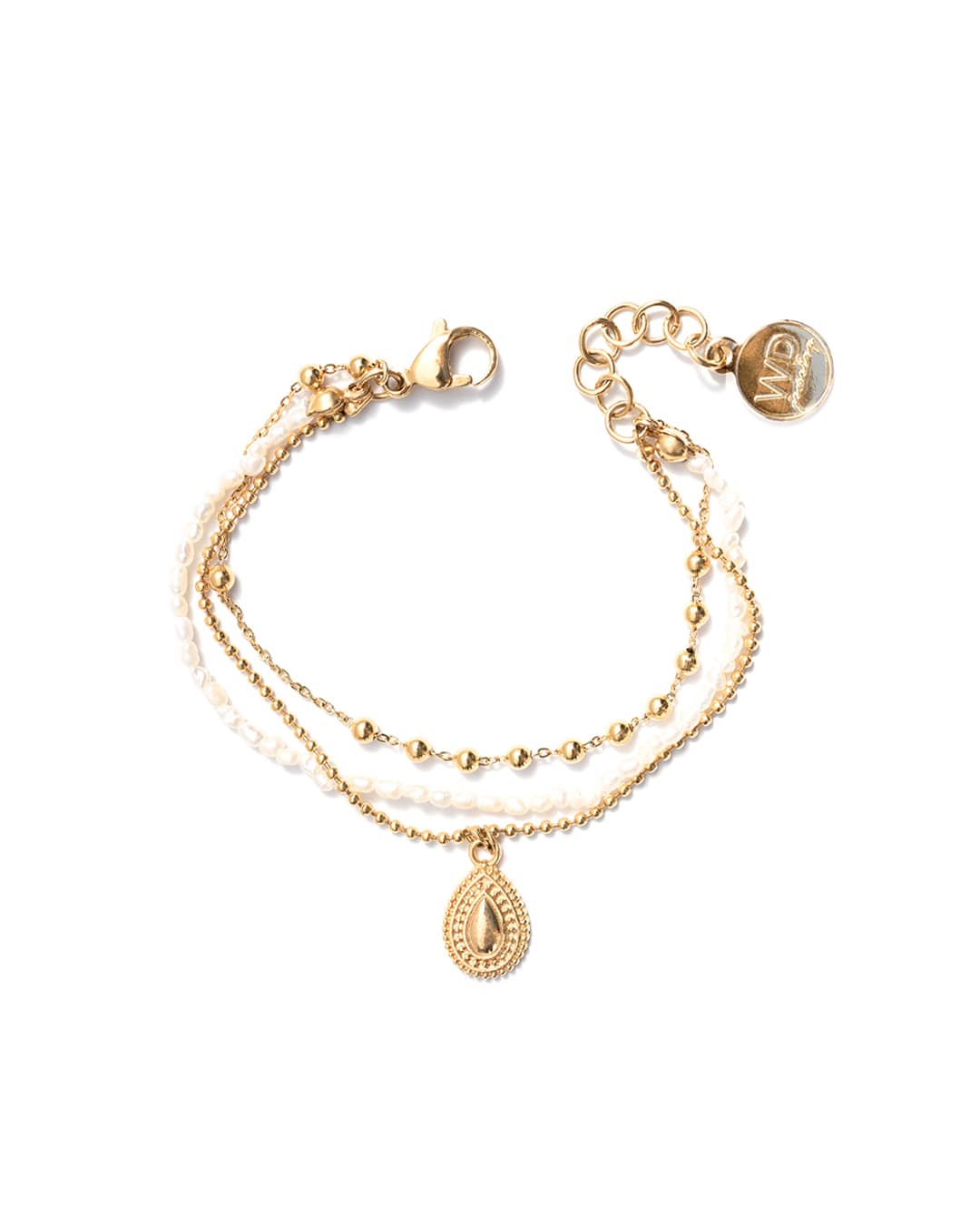
18kt Yellow Gold Bar Station Bracelet Custom Jewelry Manufacturer and Designer
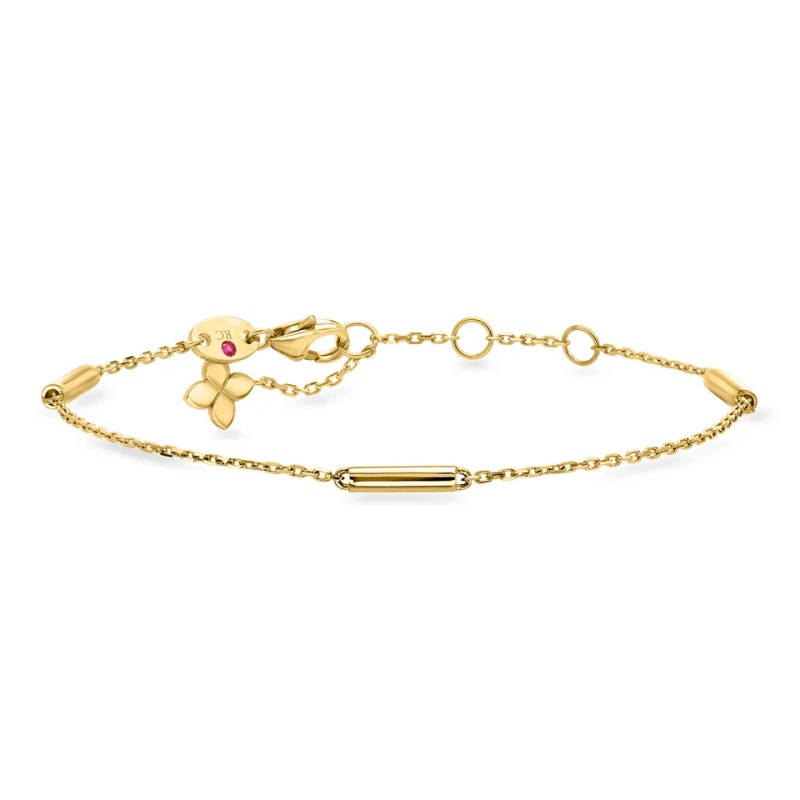
18kt Yellow Gold Bar Station Bracelet Custom Jewelry Manufacturer and Designer
LET’S GET STARTED : mo@kingjy.com
How to Custom an 18kt Yellow Gold Bar Station Bracelet at JINGYING
Introduction: The Allure of the Bar Station Bracelet
The bar station bracelet occupies a unique position in contemporary fine jewelry. It is at once minimalist and architectural, subtle yet unmistakably luxurious. Unlike the continuous sparkle of a tennis bracelet or the heavy presence of a chain-link bangle, a bar station bracelet interrupts a delicate chain with evenly spaced horizontal bars—each one a small, polished monument of gold that catches light from every angle. It is the kind of piece that works as seamlessly with a white oxford shirt as it does with an evening gown, which explains its enduring popularity among discerning wearers.
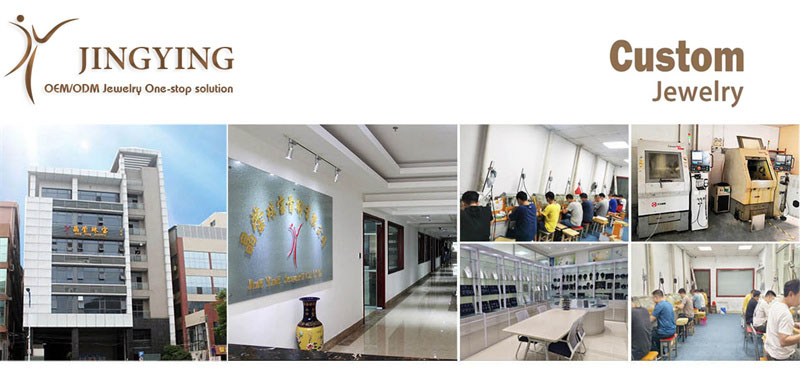
For those who want a bar station bracelet in genuine 18-karat yellow gold, the question is not simply where to buy one, but how to have one made exactly to their specifications. This is where JINGYING Jewelry enters the picture. Guangzhou JINGYING Jewelry Co., Ltd., established in 1998, has spent over two decades building a reputation as a premier OEM/ODM manufacturer for brand jewelers, wholesalers, and private-label clients worldwide. The company operates from a 15,000-square-meter facility and exports to more than 30 countries, producing 925 sterling silver and 9K, 10K, 14K, and 18K gold jewelry in a variety of finishes and stone settings.
This article provides a comprehensive, step-by-step guide to customizing an 18kt yellow gold bar station bracelet at JINGYING—from the initial consultation and material selection through CAD design, casting, finishing, and final quality assurance.
Understanding the Bar Station Bracelet Before You Customize
What Defines a Bar Station Bracelet?
A station bracelet, in the broadest sense, is any bracelet in which decorative elements are spaced at regular intervals along a chain or cord rather than covering it continuously. The “bar” variant replaces those decorative elements with horizontal bars—typically rectangular or slightly rounded—that sit perpendicular to the chain’s direction. The result is a piece with a rhythmic, almost architectural quality: the eye is drawn from bar to bar, creating a sense of measured elegance.
Bar station bracelets can vary enormously in their execution. The bars may be solid gold, engraved, set with diamonds or gemstones, or left with a high-polish mirror finish. The chain itself may be a fine cable chain, a box chain, or a more substantial link. The spacing between bars can be tight and dense or open and airy. Every one of these variables is a customization decision, and JINGYING’s manufacturing infrastructure is designed to accommodate them all.
Why 18kt Yellow Gold?
The choice of 18-karat yellow gold is itself a meaningful design decision. The “18K” designation means the alloy is 75% pure gold, a standard that balances the rich, warm color of gold with the durability required for daily wear. Pure 24K gold is too soft for a structured bracelet; it would deform under the ordinary stresses of wearing. The remaining 25% of an 18K alloy is typically a combination of copper and silver, and the precise ratio of these metals determines both the color and the mechanical properties of the finished piece.
At JINGYING, the metallurgical team formulates a specific 18K yellow gold alloy that is strictly controlled: 75% gold, 22.25% copper, and 2.75% silver. This particular ratio provides the tensile strength needed to keep bar elements rigid while preserving the warm yellow luster that clients expect from high-karat gold. Before any melting begins, the alloy is verified using X-ray fluorescence spectrometry, and if the color deviation exceeds a ΔE of less than 1.0 in CIELab measurements, the batch is rejected. This level of material control is one of the reasons JINGYING is trusted by professional jewelry brands rather than only individual consumers.
The Customization Process at JINGYING: A Step-by-Step Guide
Step 1: Initial Consultation and Design Brief
The customization journey begins with a conversation. JINGYING’s design team works with clients to understand not just the technical specifications of the desired bracelet—dimensions, bar count, chain type, clasp style—but also the aesthetic and emotional intent behind the piece. In a documented case involving a Singapore client, the process began with an initial consultation in which the client provided detailed specifications and design preferences, including dimensions, style, and any specific features desired. This collaborative approach ensures that the final product aligns with the client’s vision from the outset.
For a bar station bracelet, the design brief should address several key questions: How many bars should the bracelet have? What should the bar dimensions be—length, width, and thickness? Should the bars be plain, engraved, or stone-set? What type of chain should connect them? What is the desired overall length, and should it be adjustable? JINGYING’s team is experienced in translating even rough ideas—sketches, reference photos, or written descriptions—into manufacturable designs.
Step 2: CAD Engineering and Design for Manufacturing
Once the design brief is finalized, JINGYING’s CAD engineers create a high-resolution 3D model of the bracelet. This is not merely a visual rendering; it is an engineering document. The team performs a Design for Manufacturing (DFM) analysis, identifying potential issues before any metal is cut or cast.
For a bar station bracelet, the DFM analysis addresses several critical factors. Bar spacing must be calculated precisely to ensure the bracelet drapes naturally on the wrist without the bars clustering or gaps appearing when the wrist flexes. The weight distribution of each bar must be balanced so that the bracelet hangs evenly and does not rotate on the wrist. The connection points between the bars and the chain—often the weakest part of the design—must be engineered to withstand daily wear without fatigue.
JINGYING’s machinery allows for a precision tolerance of ±0.01mm during the CNC waxing stage, a level of accuracy that ensures every bar in a multi-bar bracelet is dimensionally identical. Clients typically receive a CAD render for approval before any gold is cut, allowing for adjustments at the digital stage where changes are inexpensive and instantaneous.
Step 3: Wax Injection and Tree Assembly
With the CAD model approved, production moves to the wax pattern stage. For a bar station bracelet, lost-wax casting is the appropriate method because the bar elements have undercuts and three-dimensional geometry that cannot be efficiently stamped from flat sheet metal.
JINGYING utilizes SLA/DLP 3D printers to produce the wax patterns for each component. The bar elements, the chain links, and the clasp components are printed separately, then assembled onto a wax “tree”—a central sprue from which multiple patterns branch out. This tree will later be embedded in a plaster mold, and the wax will be melted out to create the negative cavity into which molten gold will be poured. The precision of the wax patterns determines the precision of the final cast pieces.
Step 4: Casting
The plaster mold is heated to high temperature, both to harden the plaster and to melt out the wax, leaving behind an empty cavity in the exact shape of the bracelet components. Molten 18K yellow gold—prepared according to the strict alloy specifications described earlier—is then poured or injected into the mold. After cooling, the plaster is broken away, revealing the raw cast pieces: the bars, the chain links, and the clasp.
At this stage, the pieces are rough. They have a matte, slightly pitted surface from the casting process, and the chain links are not yet connected. The finishing work that follows is what transforms these raw castings into a polished, wearable bracelet.
Step 5: Molding, Polishing, and Assembly
The cast bar elements are first filed and sanded to remove any casting flash and to refine their edges. They are then progressively polished using increasingly fine abrasives until the surface reaches the desired finish. For a high-polish bar station bracelet, the final polish is done with a soft buffing wheel and a fine rouge compound, producing a mirror-like surface that reflects light cleanly.
The chain is assembled by linking the individual components and then soldering the connections. This is delicate work: the solder must be strong enough to hold under tension but must not discolor the surrounding gold or leave visible marks. JINGYING’s craftsmen use micro-torches and precisely measured solder to achieve clean, invisible joints. Once the chain and bars are assembled, the clasp is attached and the entire bracelet is given a final ultrasonic cleaning to remove any polishing residue.
Step 6: Hand-Setting Gemstones (If Applicable)
If the design calls for diamonds or gemstones set into the bars, this step is performed after polishing but before final plating. JINGYING uses micro-inlaid machines imported from Japan for precision stone setting, a technology that allows for 99% retention of stones with a “no lost stone” wax-setting technique. For bar station bracelets, stones are typically set in a channel or pavé arrangement along the face of each bar, creating a continuous line of sparkle that contrasts with the polished gold.
The setting process is meticulous. Each stone is placed individually and secured with metal pushed over its edges. After setting, the bracelet undergoes a “drop test”—it is dropped from a height of three meters to verify that no stones become dislodged. This might seem extreme, but it reflects the reality that a bracelet encounters significant impact forces during daily wear, and a stone that fails under laboratory conditions would certainly fail in the real world.
Step 7: Plating and Final Finish
For solid 18K gold pieces, plating is generally unnecessary—the gold is the material throughout. However, if the bracelet incorporates 925 sterling silver components (for example, if the client wants a two-tone effect with silver chain and gold bars), JINGYING applies a multi-layer plating process. The base is first given a thick silver plating to smooth the surface, followed by a real gold plating with a thickness of up to 3 microns.
For solid 18K gold bracelets, the final step is a careful re-polishing to ensure uniform color and finish across all components. The entire bracelet is inspected under magnification for any surface imperfections, and the clasp is tested for secure function.
Step 8: Quality Control and Packaging
Quality assurance at JINGYING is not a single step but a continuous process that runs through every stage of production. A dedicated team of engineers conducts quality checks at each phase, from alloy verification before casting to final inspection before packaging.
For a bar station bracelet, the final QC inspection verifies several critical parameters. Bar dimensions are measured against the CAD model to ensure uniformity. The chain is tested for tensile strength and flexibility. The clasp is opened and closed repeatedly to confirm reliable function. The surface finish is examined under bright light for scratches, porosity, or color inconsistencies. If the bracelet includes stones, each stone is checked for security and alignment. Only after all these checks are passed does the bracelet move to packaging.
JINGYING offers independent packaging or packaging to the client’s specifications, and ships via DHL, UPS, or other express services as requested. For brand clients, the company can include personalized logos and packaging as part of the OEM service.
Design Considerations for Your Custom Bar Station Bracelet
Bar Geometry and Spacing
The visual character of a bar station bracelet is determined largely by the geometry of the bars and the spacing between them. Wider bars create a more substantial, architectural presence; narrower bars read as more delicate and refined. Longer bars create a stronger horizontal line across the wrist, while shorter bars are subtler. JINGYING’s CAD team can model multiple variations quickly, allowing clients to compare different proportions before committing to production.
Spacing is equally important. Tight spacing creates a continuous, almost link-like effect, while wide spacing emphasizes the individual bars as distinct “stations.” The optimal spacing depends on wrist size and personal preference, but JINGYING’s engineers will advise on spacing that maintains structural integrity while achieving the desired aesthetic.
Chain Selection
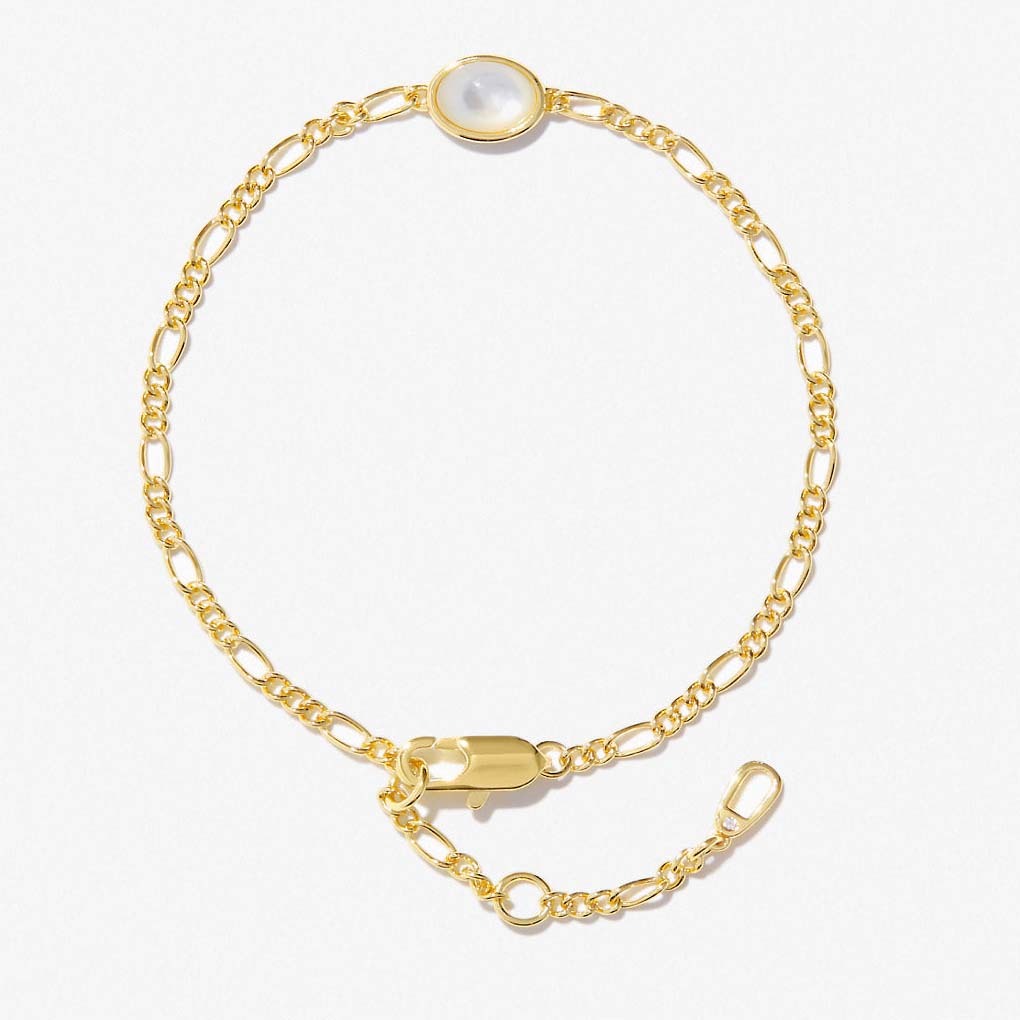
The chain connecting the bars is not merely a functional necessity—it is a design element in its own right. A fine cable chain keeps the focus on the bars. A box chain adds a subtle texture. A paperclip or oval link chain introduces a more casual, contemporary feel. JINGYING manufactures bracelets with a wide range of chain styles and can produce custom chain links if the design requires them.
Surface Finish
The finish of the gold itself is a customization decision. A high-polish finish maximizes reflectivity and creates a classic, luxurious look. A satin or brushed finish is more understated and hides scratches better over time. Some designs combine finishes—polished bars with a brushed chain, for example—to create visual contrast. JINGYING offers all standard finishes and can develop custom finishes upon request.
Engraving and Personalization
Bar station bracelets are particularly well suited to engraving because each bar provides a discrete surface for text or symbols. Clients can engrave dates, initials, coordinates, or short messages on one or more bars. JINGYING offers laser engraving services according to client requirements. For more traditional aesthetics, hand engraving is also available.
Cost and Timeline: What to Expect
Custom jewelry pricing at JINGYING follows a transparent formula: the actual gold weight multiplied by the day’s gold price, plus the stone’s carat size multiplied by unit price, plus labor cost, plus design fee. This means that the cost of a custom 18K yellow gold bar station bracelet is driven primarily by the weight of gold required. A bracelet with six solid bars and a substantial chain will naturally cost more than a minimalist design with three thin bars.
JINGYING is not the least expensive option in the market, but as one customer review noted, “They are not the least expensive, but worth the money for the service and quality”. For clients accustomed to retail jewelry pricing, the difference is significant: a comparable retail piece might sell for several times the manufacturing cost, with the gap representing brand markup, merchandising, and channel expenses.
In terms of timeline, JINGYING has demonstrated remarkable efficiency. In one documented case, the company completed a custom bracelet sample for a Singapore client in just three days. For standard production, sample lead times of approximately seven days and mass production times of around thirty days are typical. Clients should factor in time for design revisions and approval at the CAD stage, particularly for complex designs.
Conclusion: A Bracelet That Is Uniquely Yours
Customizing an 18kt yellow gold bar station bracelet at JINGYING is a process that combines personal creativity with industrial precision. From the initial conversation about design intent to the final quality inspection, every step is guided by the client’s vision and executed with the technical rigor that comes from over two decades of fine jewelry manufacturing experience.
The result is not simply a bracelet. It is a piece that has been engineered to your specifications, cast in a gold alloy formulated for both beauty and durability, finished by hand, and inspected against standards that would satisfy a professional jewelry brand. Whether you are a brand seeking an OEM partner for a new collection or an individual commissioning a one-of-a-kind piece, JINGYING offers the expertise, the infrastructure, and the attention to detail required to bring an 18kt yellow gold bar station bracelet to life exactly as you imagine it.