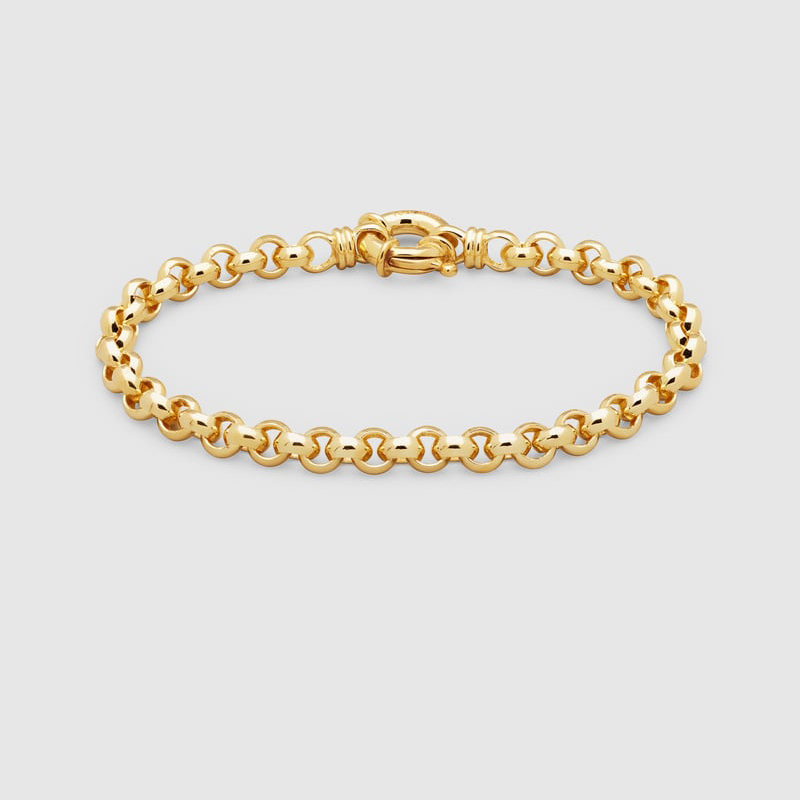
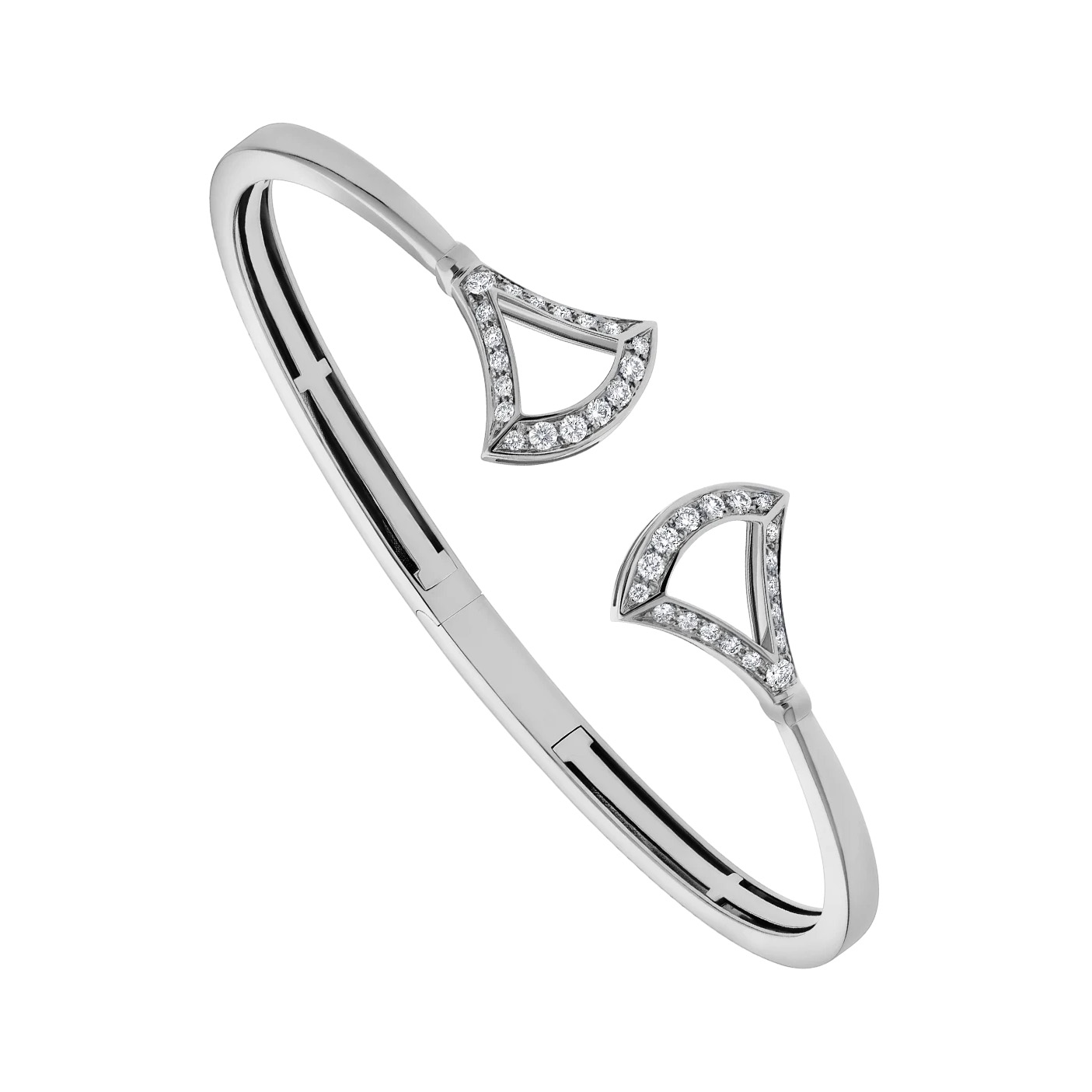
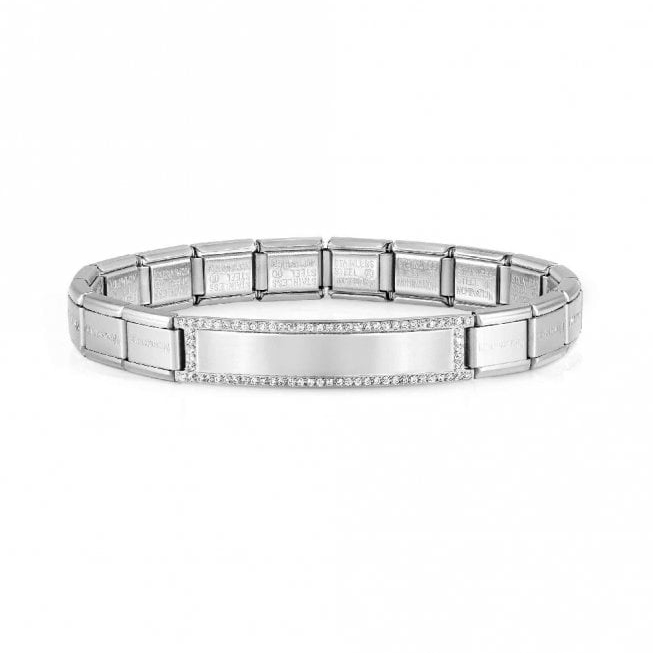
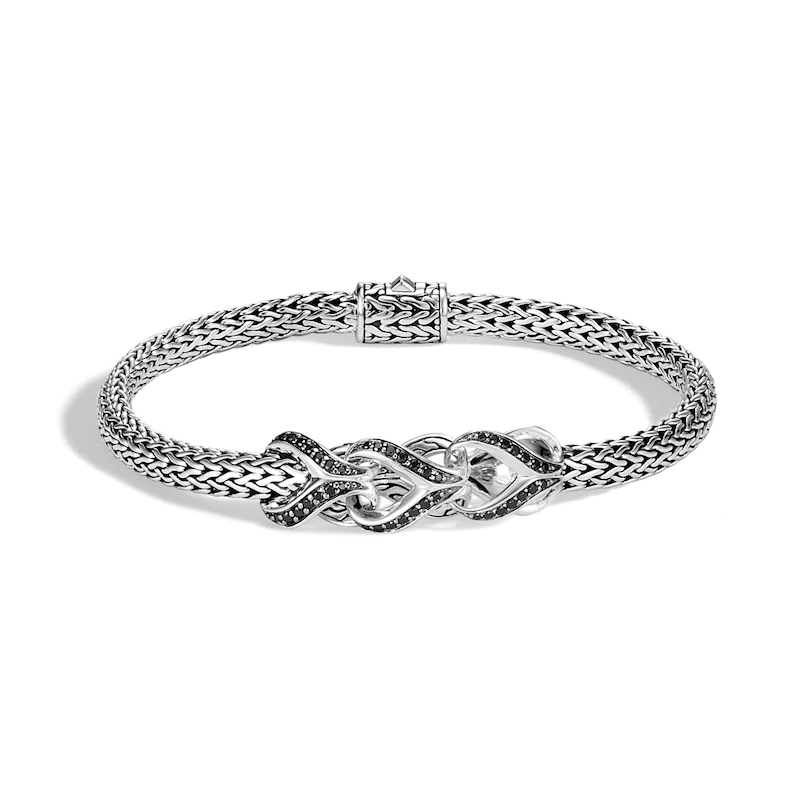
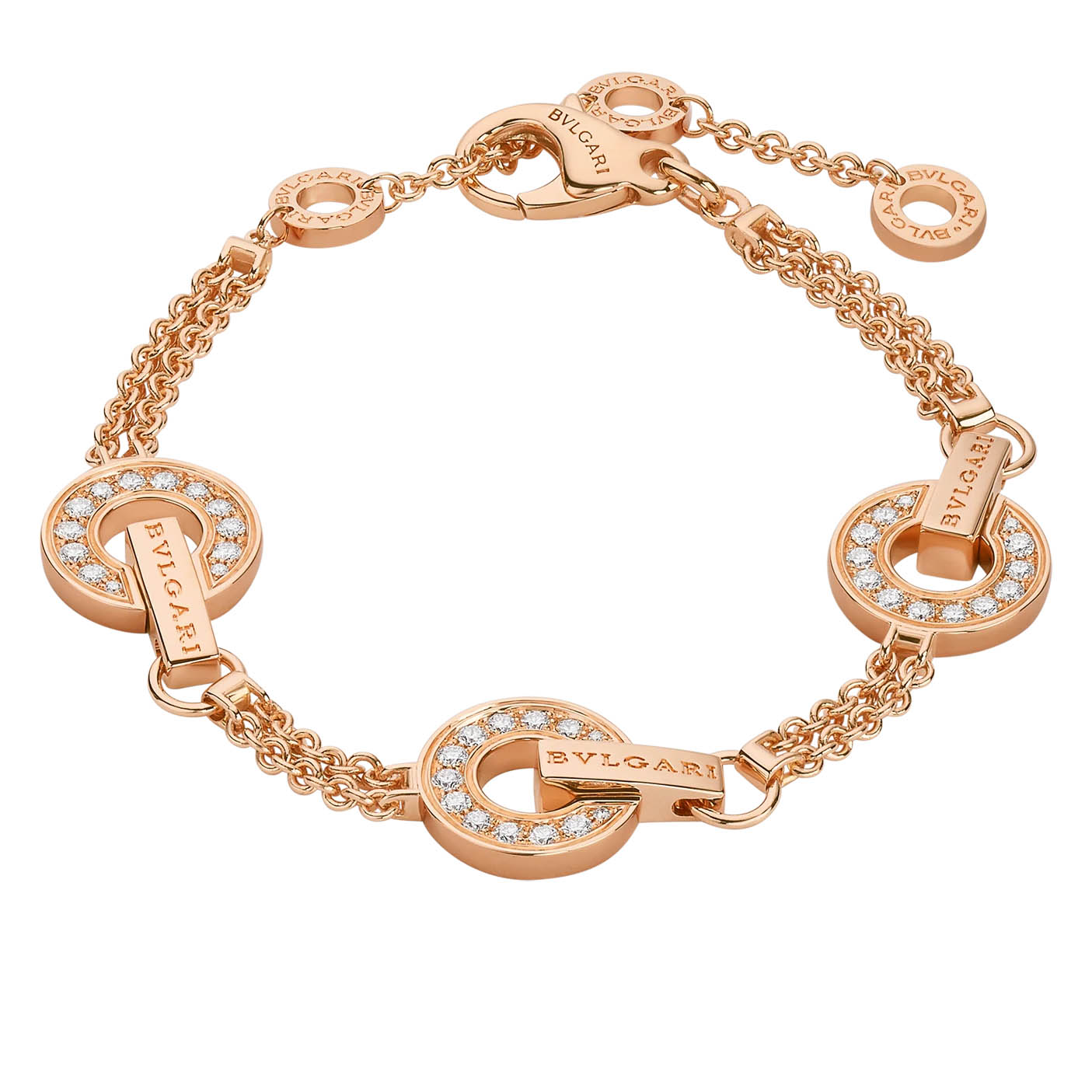
The Custom Manufacturer of Rigid Bracelet in 925 Silver plated with 18Kt Yellow Gold with Cross
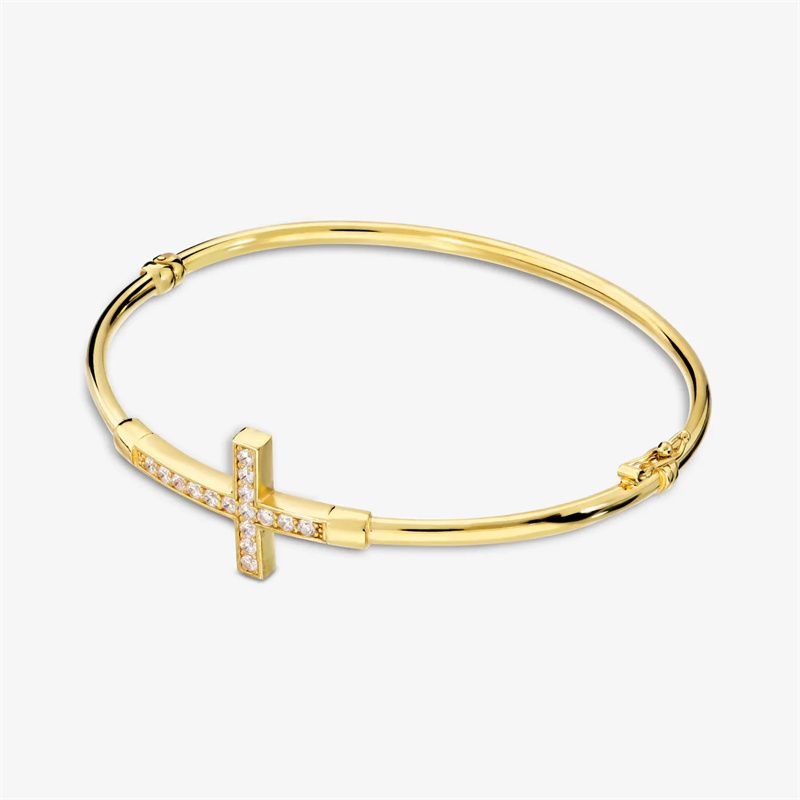
The Custom Manufacturer of Rigid Bracelet in 925 Silver plated with 18Kt Yellow Gold with Cross
LET’S GET STARTED : mo@kingjy.com
The Art of Production: How to Manufacture a Rigid 18K Gold-Plated 925 Silver Bracelet with a Cubic Zirconia Cross at JINGYING
Introduction
In the competitive landscape of fashion jewelry manufacturing, few products embody the fusion of traditional craftsmanship and modern precision quite like a rigid bracelet crafted from 925 sterling silver, plated in 18-karat yellow gold, and adorned with a cubic zirconia (CZ) cross. This specific piece represents a significant portion of the global jewelry market, offering consumers the luxurious aesthetic of gold and gemstones at an accessible price point.
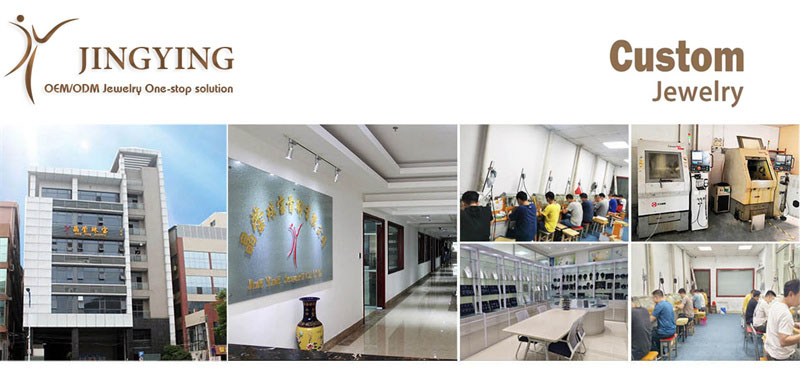
At the forefront of this specialized production stands JINGYING Jewelry, a premier manufacturer based in Guangzhou, China, established in 1998. With over two decades of experience, a monthly production capacity of up to 50,000 pieces, and a team of over 100 skilled employees, JINGYING has become a trusted OEM/ODM partner for global brands. This essay provides a comprehensive, step-by-step technical exploration of how JINGYING produces this complex jewelry item, from initial concept to final quality control.
I. Conceptualization and Design: The Foundation of Craftsmanship
The journey of a rigid bracelet at JINGYING begins long before any metal is cast. The production process is built on a foundation of collaborative design, leveraging the company’s expertise in both OEM and ODM services.
A. Client Collaboration and Original Design
The process typically initiates when a client approaches JINGYING with an idea, a sketch, a photograph, or even an existing piece to be replicated or modified. JINGYING’s in-house design team of skilled artisans works closely with the client to refine the concept. This collaborative stage is critical for the rigid bracelet, as the design must balance aesthetic appeal with structural integrity. The cross motif, made of cubic zirconia, must be integrated seamlessly into the bracelet’s rigid structure, requiring careful consideration of the setting style (e.g., claw setting or micro-pavé) and the overall metal framework.
B. The Digital Blueprint: 3D CAD Modeling
Once the design is finalized on paper, JINGYING utilizes advanced Computer-Aided Design (CAD) technology. The design team creates a highly detailed 3D computer model of the bracelet and its cross component. This step is crucial for a rigid bracelet, as it allows the engineers to analyze the model for structural weaknesses, ensure the correct proportions for a rigid fit, and plan the precise placement of the stones.
II. Molding and Casting: From Digital Model to Solid Form
With a perfect digital blueprint, the production moves from the virtual world to the physical, utilizing time-honored techniques enhanced by modern precision.
A. Creating the Master Model
The 3D CAD file is used to create the initial “master” model. According to JINGYING’s process, this involves using CNC (Computer Numerical Control) machining to carve a metal master. This step is fundamental for the quality of the final product. CNC machining ensures that the master is produced with the high precision required for a rigid bracelet. The surface is exceptionally smooth, ensuring no loss of detail or stone during later stages.
B. The Lost-Wax Casting Process
To create multiple identical bracelets, JINGYING employs the traditional lost-wax casting method.
- Wax Injection: The master model is used to create a rubber mold, into which hot wax is injected to create numerous hollow wax replicas of the bracelet.
- Investment: These wax models are attached to a “tree” and dipped into a liquid plaster-like material called investment, which hardens around them.
- Burnout: The investment mold is placed in a high-temperature furnace. The wax melts and burns away, leaving a negative cavity in the shape of the bracelet.
- Casting: Molten 925 sterling silver is then forced into the cavity using centrifugal force or a vacuum, perfectly filling the shape of the bracelet and cross.
III. The Base Metal: Understanding 925 Sterling Silver
The choice of 925 sterling silver as the base metal is no accident. JINGYING uses 92.5% pure silver alloyed with 7.5% other metals, typically copper. This specific composition is chosen for its durability, workability, and its status as the global standard for high-quality fashion jewelry. It provides the necessary strength for a rigid bracelet structure while remaining malleable enough for intricate setting work. It is also hypoallergenic, a key selling point, as JINGYING ensures their silver is nickel-free and lead-free, meeting international safety standards.
IV. Shaping, Polish, and Setting: The Human Touch
Once the silver pieces are cast, they are far from finished. They must be refined and prepared for their final adornments.
A. Molding and Finishing
The casting leaves the bracelet with a rough surface and a sprue (the channel where the silver entered the mold). This is where skilled artisans take over. Using specialized tools and wheels, the jeweler cuts off the sprue and files down the rough edges. This process, known as “Molding & Polish,” is essential for achieving a smooth, high-polish surface on the bracelet. It prepares the metal for the setting of stones and for the subsequent plating, ensuring an even and lustrous finish.
B. The Art of Setting Cubic Zirconia
Setting the cubic zirconia stones on the cross is one of the most critical and delicate stages of production. CZ is prized for its brilliance and diamond-like appearance, making it the perfect accent stone.
Techniques Employed: For a complex design like a cross, JINGYING likely uses a combination of setting techniques. A common and highly reliable method is Micro-Inlaid Technology.
- Micro-Inlaid Setting: JINGYING uses micro-inlaid machines, often imported from Japan, to set the stones. This process involves using a specialized tool to precisely cut a channel or seat in the silver cross, then meticulously pressing the CZ stones into place. The metal is then burnished over the stones to secure them.
- Claw (Prong) Setting: For larger, more prominent stones on the cross, JINGYING might use a traditional claw setting. This involves creating prongs within the cast metal that are bent over the crown of the CZ to hold it securely. This is done with precise hand tools, as a masterclass would teach, ensuring the stone is perfectly seated for maximum light reflection.
C. Quality Control for Stone Setting
JINGYING has developed rigorous, almost aggressive, testing protocols to ensure no stones fall out. Their quality control process is a key differentiator.
- Needle Test: Each stone is individually tested with a professional steel needle to ensure it is completely tight and immobile in its setting.
- Drop Test: A highly effective test for a rigid bracelet involves a 3-meter drop test. The bracelet is deliberately dropped to check if the impact causes any stones to fall out. This rigorous testing guarantees the “99% no lost stone” standard that JINGYING promises.
V. The Transformation: 18-Karat Yellow Gold Plating
The final step in the bracelet’s aesthetic transformation is the 18-karat yellow gold plating. This process not only gives the silver the luxurious look of solid gold but also protects the underlying silver.
A. The Plating Process
JINGYING uses an electroplating process. The piece is submerged in a gold solution, and an electric current is applied, causing the gold ions to bond to the surface of the silver. To achieve the highest quality and a “Vermeil” level of durability, JINGYING employs a two-time plating method.
- Base Layer: The bracelet receives an initial plating of pure silver to create an exceptionally smooth and flawless surface.
- Gold Layer: The piece is plated again, this time with genuine 18-karat yellow gold. By doing this, JINGYING can achieve a plating thickness of up to 3 microns. This is significantly thicker than standard gold plating, ensuring the color, shine, and tarnish resistance can last for over a year with normal wear. This thickness and the two-step process are what classifies it as a high-quality vermeil product.
B. Quality Control for Plating
Aesthetics are not enough; the durability of the plating is paramount.
- Thickness Testing: JINGYING provides clients with a report from a machine test that verifies the exact plating thickness, ensuring it meets the required standard.
- Rub Test: To test the adhesion of the plating, QC technicians use professional tools to manually rub the metal surface for five minutes. This ensures the coating is durable and will not flake or peel with regular use.
VI. The Final Check and Journey to Market
The final step before packaging and shipping is a comprehensive final quality control check. This ensures every aspect of the bracelet, from the stone setting to the plating, is perfect. Any piece that does not meet JINGYING’s standards is rejected for rework.
Packaging and Shipping
Once the rigid bracelets have passed inspection, they are packaged according to the client’s specifications. This can range from independent packaging in individual pouches to custom-branded boxes. Finally, the products are prepared for global shipment via express delivery services like DHL, UPS, or TNT, arriving at their destinations ready for retail.
Conclusion
The production of a rigid 925 silver bracelet, plated in 18-karat yellow gold with a cubic zirconia cross at JINGYING, is a microcosm of the modern fashion jewelry industry. It is a process that masterfully blends the precision of digital design and CNC machining with the irreplaceable skill of human artisanship. From the initial 3D CAD model to the meticulous setting of CZ stones and the multi-layer electroplating, each step is underpinned by a rigorous commitment to quality control.
JINGYING’s two-decade evolution has perfected this dance between art and science, enabling them to produce millions of pieces with the “exquisite workmanship and smooth surface” that has earned them recognition from chain brands worldwide. The next time a consumer admires the gleam of a gold-plated silver bracelet, they are seeing not just a fashion accessory, but the end result of a sophisticated, globalized production system perfected over decades.