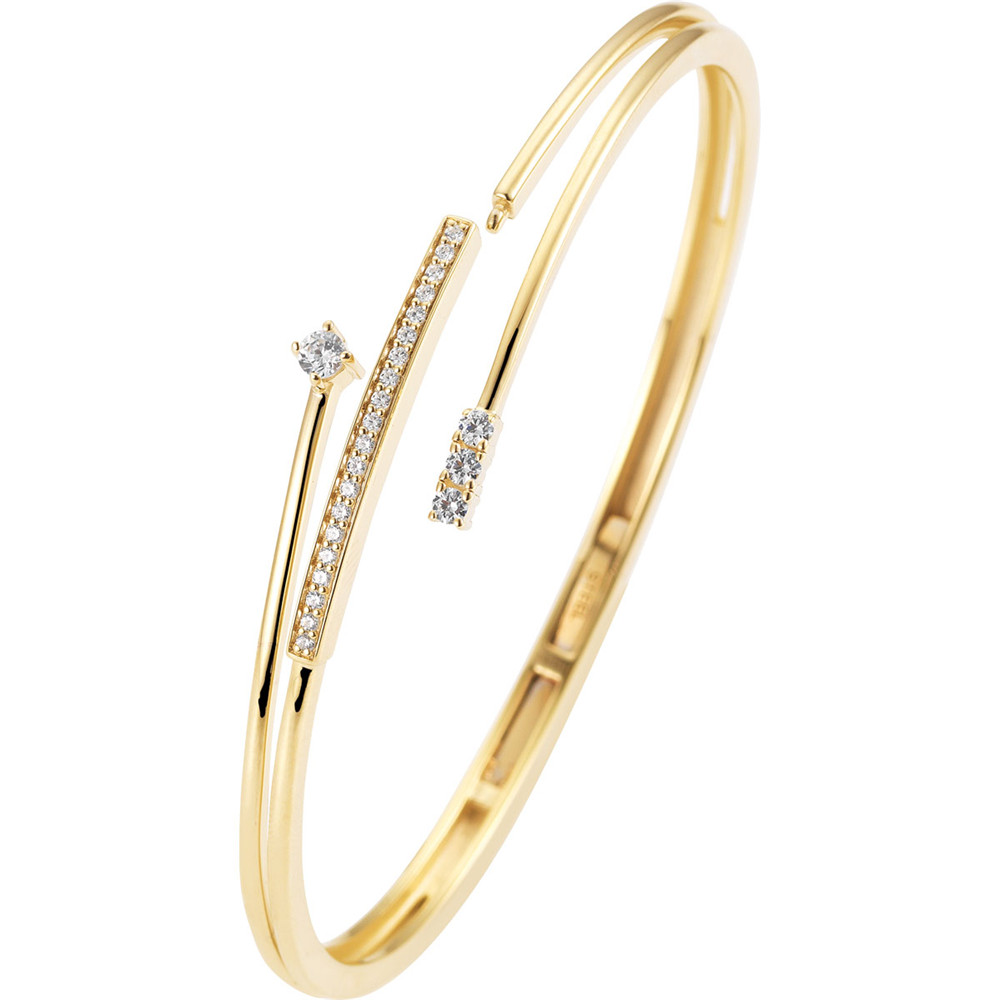
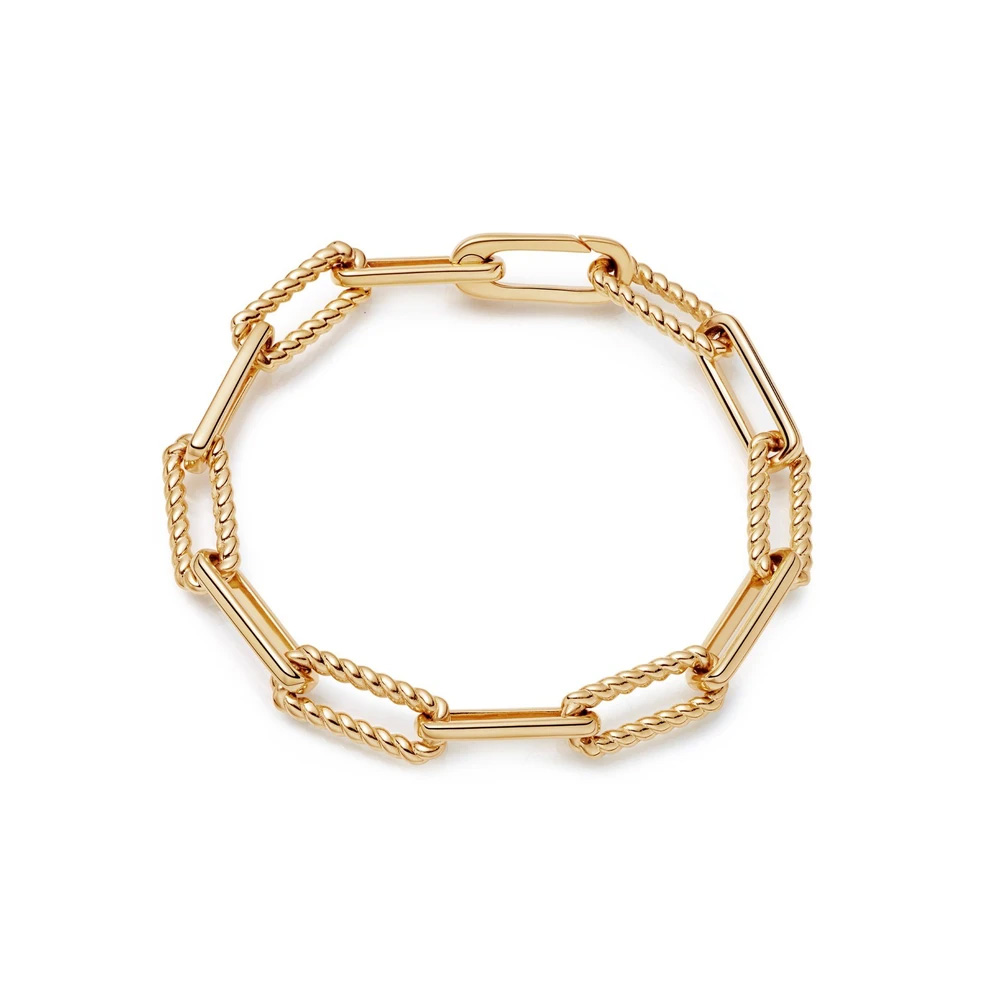
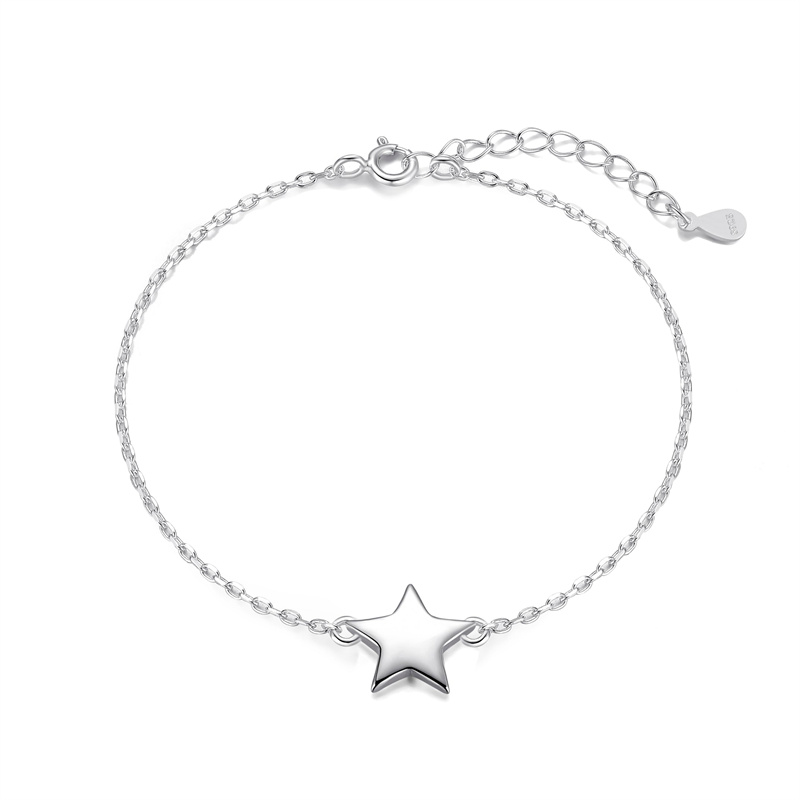
Custom Gold Filled Jewelry Rolo Mesh Bracelet in Rhodium Plated 925 Silver
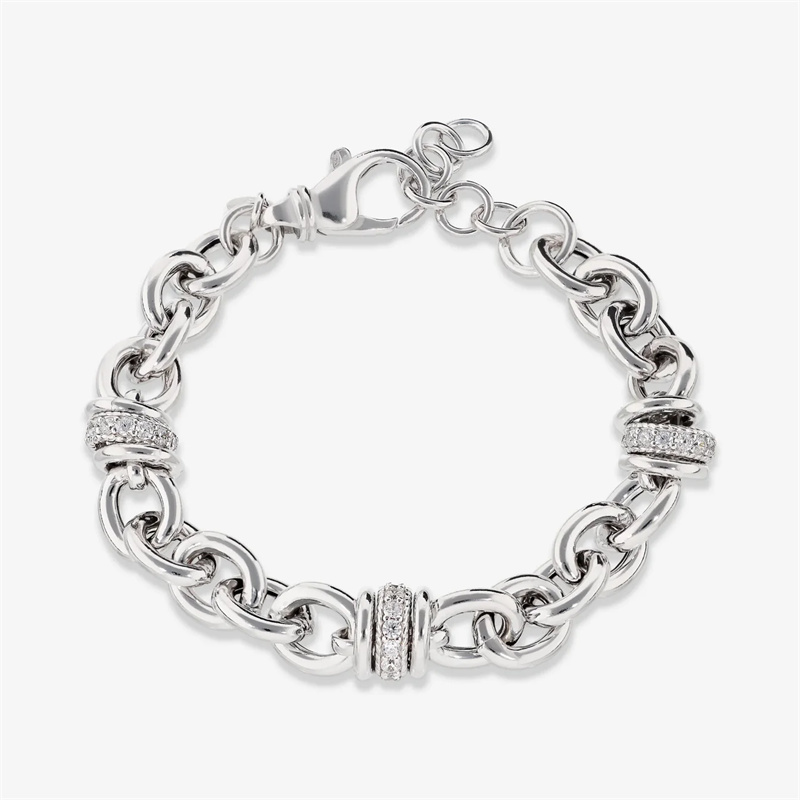
Custom Gold Filled Jewelry Rolo Mesh Bracelet in Rhodium Plated 925 Silver
LET’S GET STARTED : mo@kingjy.com
How to Custom Gold Filled Jewelry Rolo Mesh Bracelet in Rhodium Plated 925 Silver with Cubic Zirconia Pavé Rondelle at JINGYING
In the competitive world of fine jewelry, the difference between a generic accessory and a future heirloom lies in the details: the quality of the base metal, the thickness of the plating, and the precision of the stone setting. For brands looking to create a signature piece—specifically a Gold Filled Jewelry Rolo Mesh Bracelet in Rhodium Plated 925 Silver with Cubic Zirconia Pavé Rondelle—the manufacturing process requires a partner who understands both metallurgy and aesthetics.
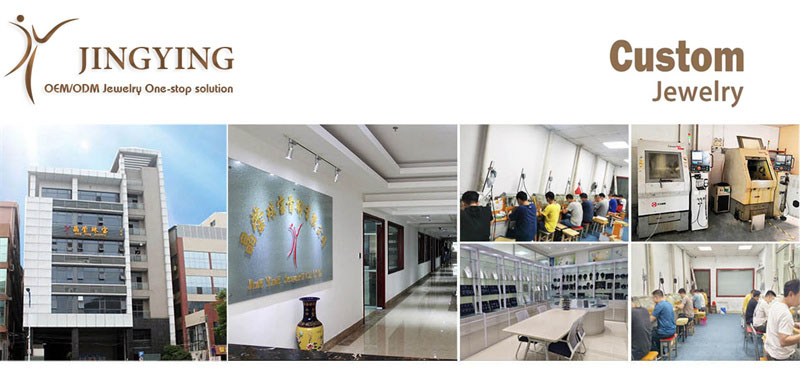
JINGYING Jewelry, a Guangzhou-based manufacturer with over 23 years of experience in OEM/ODM services, specializes in exactly this level of complex, multi-material customization . This guide provides a comprehensive walkthrough of how to conceptualize, engineer, and produce this specific luxury bracelet, detailing the scientific processes of electroplating, the art of pavé setting, and the rigorous quality controls that ensure a durable, tarnish-free finish.
Phase 1: Conceptualization and Material Sourcing
The journey of creating a hybrid metal bracelet begins long before the casting machine starts. At JINGYING, the process initiates with a deep-dive consultation regarding material integrity. The specific request for a “Gold Filled Rolo Mesh Bracelet” paired with “Rhodium Plated 925 Silver” components requires a distinct separation of manufacturing techniques.
1.1 Understanding the “Gold Filled” Component
Unlike gold plating (which is a thin layer measured in microns), “Gold Filled” involves a thick layer of gold (typically 5% or 1/20 of the total weight) mechanically bonded to a base metal core, usually brass or copper. JINGYING approaches this by sourcing high-pressure bonded gold filled sheet or wire. For the Rolo Mesh structure, which requires flexibility and tensile strength, the metal must be drawn into wire without cracking the gold outer layer. The factory utilizes specific heat treatment protocols to ensure the gold filled wire retains its color integrity while being formed into the classic “Rolo” (round and oval interlocking links) and the “Mesh” (honeycomb or woven texture).
1.2 The Rhodium Plated 925 Silver Rondelle
The focal point of this bracelet is the “Pavé Rondelle.” A rondelle is typically a disk or spacer bead. In this design, the rondelle is crafted from 925 Sterling Silver.
- Why 925 Silver? Silver provides the rigid structural support required for drilling and setting stones, which softer gold-filled materials cannot always provide.
- The Rhodium Necessity: Since the bracelet combines yellow gold (filled) and white accents, the silver rondelles must not oxidize or turn black. JINGYING mandates that any silver component adjacent to skin or gold must receive a heavy rhodium plating . Rhodium, a platinum group metal, provides a mirror-bright, blackening-resistant surface that also prevents the yellow gold from color-contaminating the silver via galvanic corrosion.
Phase 2: Engineering the Rolo Mesh Structure
The “Rolo Mesh” is a specific chain style characterized by uniform, round links (Rolo) arranged in a dense, fabric-like grid (Mesh). This is not a standard cable chain; it requires precision tooling.
2.1 CNC Machining vs. Casting
For a hybrid bracelet involving moving parts, JINGYING relies on CNC machining for the gold-filled links and investment casting for the silver rondelles.
- The gold-filled wire is fed into automatic link-making machines that coil, cut, and solder each Rolo link individually to ensure uniform tensile strength.
- The Mesh component requires interlocking these links in a specific 2-in-1 or 4-in-1 pattern (similar to chainmaille). Technicians at JINGYING use magnification to verify that every link lies flat, ensuring the bracelet has the soft, draping “fabric” feel associated with high-end mesh.
- The silver rondelles are created via the lost-wax casting method using 925 sterling silver grains. The “Rolo” links are left unplated or “Natural Yellow Gold Filled,” while the silver components are set aside for the plating line.
Phase 3: The Science of Rhodium Plating at JINGYING
This is the most critical technical phase for the silver rondelles. JINGYING has developed a stringent electroplating protocol that distinguishes commercial jewelry from luxury goods .
3.1 Preparation and Purity Verification
Before any plating occurs, the 925 silver rondelles undergo XRF (X-ray fluorescence) testing. JINGYING guarantees that the material is 92.5% pure silver and 7.5% copper alloy, which is hypoallergenic and “will NOT turn green” . Any deviation in the copper content affects how the rhodium adheres.
3.2 The Three-Layer Plating Process
To achieve a rhodium finish that lasts for years without peeling, JINGYING employs a multi-layer system, avoiding the industry pitfall of direct plating :
- Base Layer (Palladium Strike): Historically, nickel was used, but to comply with EU Nickel Directives and cater to sensitive skin, JINGYING uses a Palladium strike. Palladium (another platinum group metal) acts as a superior adhesive layer, bonding the silver to the subsequent layers without causing allergic reactions.
- Barrier Layer: A layer of semi-bright rhodium or pure Palladium is applied. This acts as the “hard armor,” preventing the silver sulfide (tarnish) from migrating to the surface.
- Finish Layer (99.9% Rhodium): The final layer uses pure rhodium. According to JINGYING’s quality protocols, while standard industry plating is 0.1 microns, their “Luxury Finish” for items like bracelets (which experience high friction) is rated at 0.25 to 0.5 microns, with heavy plating options reaching 1.0 micron for maximum durability .
3.3 Pulse Plating Technology
To prevent porosity (microscopic pinholes that lead to tarnish spots), JINGYING utilizes Pulse Plating technology. Instead of a constant current, the rectifier pulses on and off. This creates a denser, more uniform grain structure on the silver rondelle, ensuring that sweat and salt air cannot penetrate to the silver base .
Phase 4: The Cubic Zirconia Pavé Rondelle
With the base metal plated to a mirror finish, the next step is setting the stones. The “Pavé Rondelle” requires setting small Cubic Zirconia (CZ) stones into the outer diameter of the silver bead.
4.1 Stone Selection
JINGYING sources high-grade Cubic Zirconia. Unlike diamonds, CZ can be synthesized in perfect white (D color) and flawless (IF) clarity. For maximum brilliance against the white rhodium, the stones are typically cut in “round brilliant” or “pavé” geometry.
4.2 Setting Technique: Micro-Pavé
Setting stones into a curved rondelle is delicate work.
- CAD Pre-Setting: The design file for the rondelle includes pre-drilled holes or a pre-cast “bead” pattern.
- Manual Setting: Master setters use microscopes to place each CZ into its seat. Using a pneumatic graver, they lift a tiny bead of rhodium-plated silver over the girdle of the stone.
- The “Rondelle” Effect: Because the stones wrap around the bead (like a donut), the setter must ensure the stones on the inner circumference do not scratch the gold filled Rolo links. JINGYING’s quality control ensures that the stones are flush-set, creating a smooth surface that won’t snag clothing or the chain itself .
Phase 5: Assembly and Final Integration
This is the “marriage” of the yellow gold and white rhodium components.
5.1 Assembly Protocol
The bracelet is assembled by hand. A technician threads the gold filled Rolo Mesh through the center of the CZ Pavé Rondelles. Spacers (small gold filled beads) are added between each rondelle to prevent the CZs from grinding against each other or the metal links.
- Clasp Attachment: A gold filled lobster clasp or magnetic box clasp is soldered (using laser welding to avoid heat damage to adjacent stones) onto the ends of the mesh .
5.2 Final Polish and Sonic Cleaning
Once assembled, the entire bracelet undergoes a final tumble polish with stainless steel shots (not abrasive media) to burnish the gold filled links. It then enters an ultrasonic cleaner to remove any residual polishing compound from the crevices of the pavé setting.
Phase 6: Quality Control (QC) and Assurance
Before the bracelet is packaged for a brand client or shipped via DHL/FedEx, it must pass the JINGYING Quality Assurance gauntlet .
6.1 Salt Spray Testing
To simulate years of wear, samples from the batch are placed in a salt spray chamber for 24-48 hours. This accelerated aging test checks for corrosion. Because the silver is protected by 0.5 microns of rhodium and the gold is filled (not plated), the bracelet must show zero signs of pitting or green tarnish .
6.2 Adhesion and Bend Testing
A sacrificial link (a duplicate silver rondelle) is bent 180 degrees. Under magnification, the QA team checks the bend radius. If the rhodium plating flakes or cracks, the entire batch is rejected. “Zero flaking is the standard” at JINGYING .
6.3 Stone Pull Test
Every CZ in the rondelle is subject to a microscopic inspection. A probe is used to apply lateral pressure to ensure that the micro-pavé beads hold the stones firmly. Loose stones are unacceptable in a flexible bracelet design .
6.4 Hallmarking
Finally, the bracelet is laser engraved with the necessary hallmarks: “925″ for the silver components (usually hidden on the clasp or a discreet tag), and “GF” or specific carat weight (e.g., 14k GF) for the gold-filled mesh .
Why Choose JINGYING for This Specific Design?
Creating a bracelet that is part yellow gold filled and part heavy rhodium-plated silver with pavé is technically difficult for most factories. Standard manufacturers often struggle with plating adhesion on assembled pieces or color mismatch between metals.
JINGYING excels because of their vertical integration and scientific approach.
- Anti-Tarnish Expertise: Their detailed understanding of rhodium thickness (0.25 to 1.0 microns) ensures the silver stays white next to the yellow gold .
- 23 Years of OEM: They have solved the problem of “solder bloom” (discoloration where gold meets silver) through laser welding techniques .
- Low MOQ Flexibility: For brands testing the market, JINGYING offers low MOQs (as low as 50 pieces for custom designs), allowing for market testing without massive inventory risk .
Conclusion
The Custom Gold Filled Rolo Mesh Bracelet with Rhodium Plated 925 Silver and Cubic Zirconia Pavé Rondelle is a testament to modern jewelry craftsmanship. At JINGYING, this piece is not just assembled; it is engineered. From the pulse-plated rhodium that guarantees a lifetime of shine to the micro-pavé setters who meticulously place each CZ, the process transforms raw materials into a durable, luxurious accessory.
For brand owners, the path to this product begins with sending a sketch or CAD file to JINGYING. The factory handles the rest: sourcing the certified 925 silver, applying the luxury rhodium finish, CNC-machining the gold-filled mesh, and assembling a final product that withstands salt spray, bend tests, and daily wear. It is a partnership that turns a design concept into a commercial reality, supported by two decades of metallurgical precision.