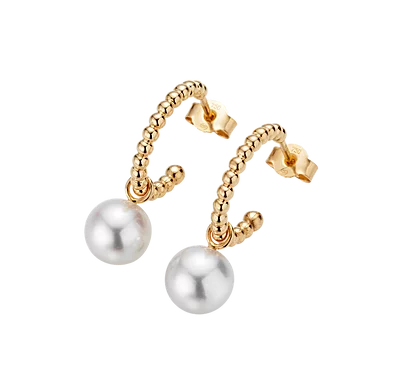
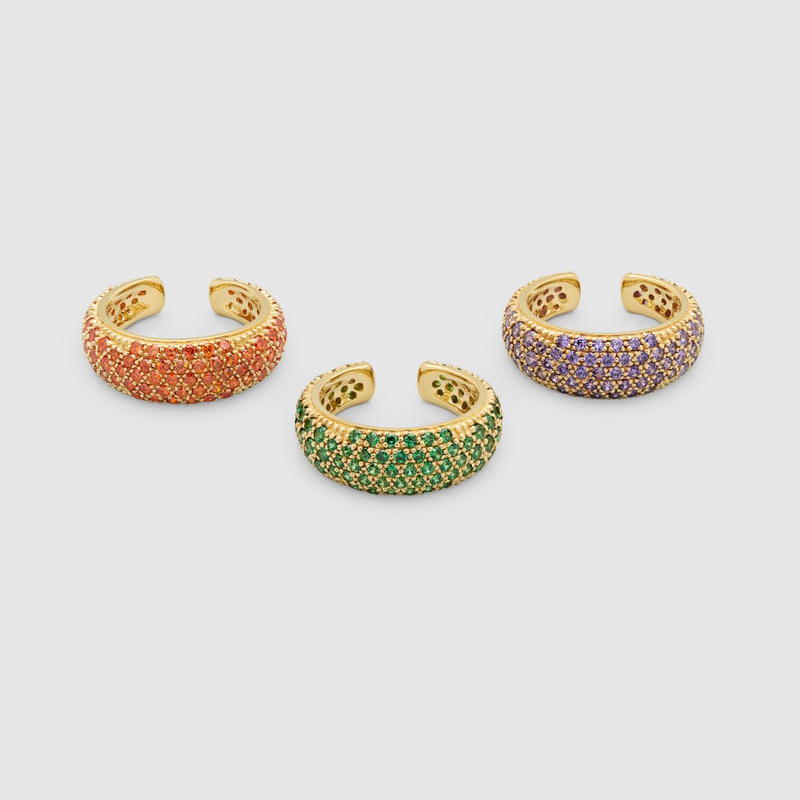
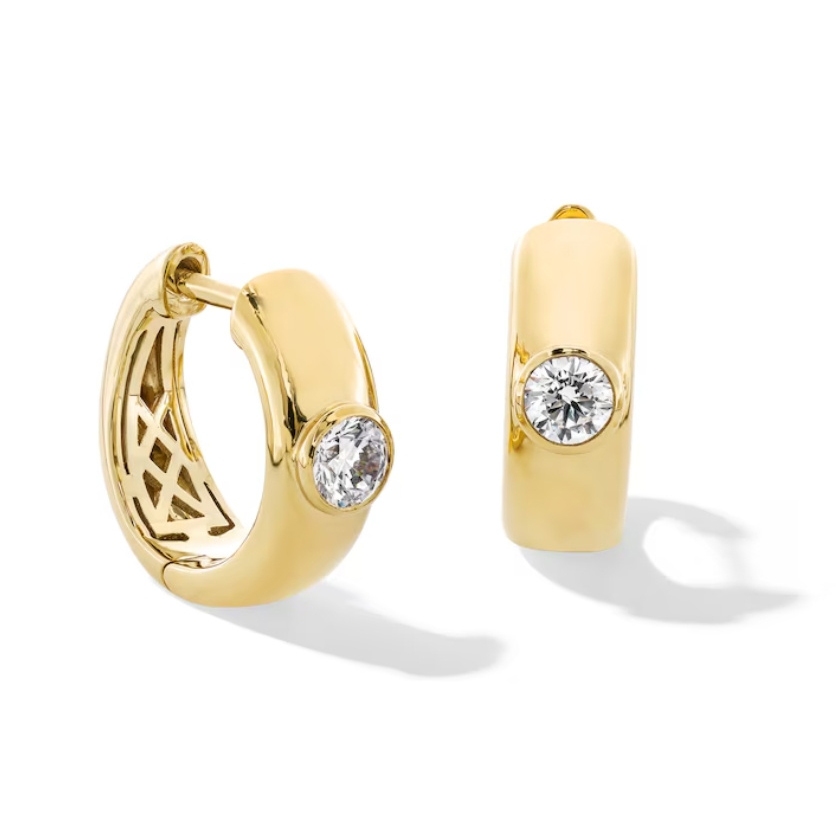
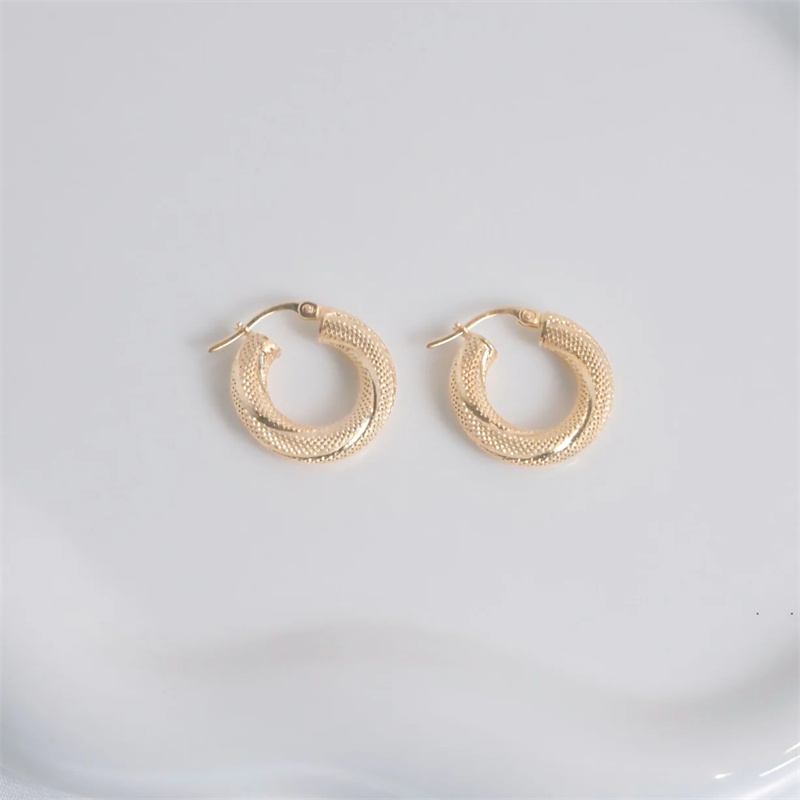
Producing recycled Italian 925 Silver flat allungata earrings at JINGYING
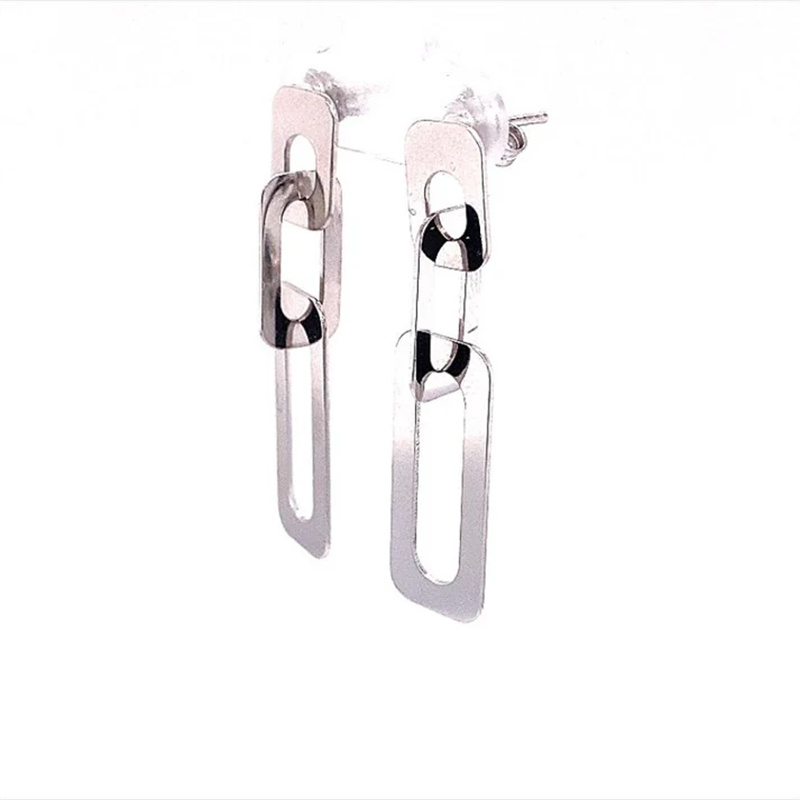
Producing recycled Italian 925 Silver flat allungata earrings at JINGYING
LET’S GET STARTED : mo@kingjy.com
How to Produce Recycled Italian 925 Silver Flat Allungata Earrings at JINGYING
Introduction
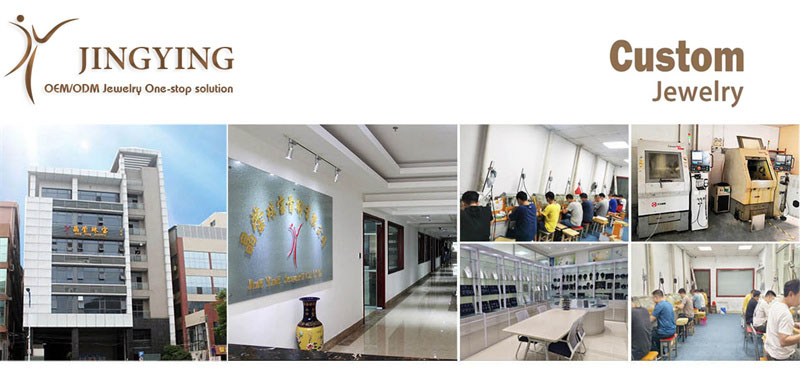
In the evolving landscape of fine jewelry manufacturing, the convergence of sustainable practices, design heritage, and technical precision has become the new standard. JINGYING, a premier jewelry manufacturer with over 23 years of experience, stands at this intersection, offering comprehensive OEM/ODM services for brands worldwide . This article provides a detailed technical account of how JINGYING produces recycled Italian 925 silver flat allungata earrings—a design characterized by its elongated, flat silhouette that draws from Italian aesthetic traditions.
The term “allungata” (Italian for “elongated”) describes earrings with an extended, graceful profile that flatters the wearer. When executed in recycled 925 sterling silver, these pieces represent both environmental responsibility and enduring style. The production process at JINGYING integrates recycled silver sourcing, CAD-driven design, lost-wax casting, and meticulous hand-finishing—all within a framework of rigorous quality control and ethical manufacturing .
Part I: The Foundation—Recycled 925 Sterling Silver
Understanding 925 Sterling Silver
Sterling silver, defined as an alloy containing 92.5% pure silver and 7.5% other metals (typically copper), achieves the optimal balance of purity and durability for fine jewelry . Pure silver is too soft for functional wear; the copper addition provides structural integrity while preserving the metal’s brilliant white luster and hypoallergenic properties .
The Case for Recycled Silver
JINGYING’s commitment to sustainable production begins with material sourcing. Recycled sterling silver is in no way inferior to newly mined silver—no purity is lost during the recycling process . By utilizing recycled metal, JINGYING reduces environmental impact associated with mining operations while maintaining the highest quality standards.
The silver recycling process involves several stages. Collected silver remnants are melted until homogeneous, then cast into bars. Samples undergo cupellation—a process where lead binds base components, oxidizes at high temperature, and is absorbed by a cupellation stone, leaving behind a precious metal bead. This bead is further refined chemically (including treatment with aqua regia) to separate precious metals. The recovered fine silver is then alloyed with copper to produce 925 sterling silver ready for jewelry production .
For JINGYING, every gram of recycled silver is fully traceable and certified, ensuring transparency throughout the supply chain .
Part II: Design and Prototyping
CAD Design and Digital Modeling
The production journey begins with translating the flat allungata earring design into digital form. JINGYING employs industry-standard CAD software including Rhino, Matrix, and ZBrush, enabling designers to achieve the precise elongated proportions characteristic of the allungata style .
CAD technology offers critical advantages for this design type. The flat, extended geometry requires exact symmetry and consistent thickness throughout the earring body. Digital modeling allows engineers to review manufacturability, making recommendations to enhance durability while maintaining aesthetic integrity . The 3D visualization capability enables clients to approve the design before any physical production begins.
3D Printing and Prototyping
Once the CAD file receives approval, JINGYING produces a resin prototype using high-resolution SLA/DLP 3D printing technology. This physical model serves as the master pattern for the production process. The prototyping phase typically requires 7-10 days, allowing for design validation and any necessary refinements before proceeding to mold creation .
Part III: Production Workflow
Rubber Mold Creation
For the flat allungata earrings, JINGYING employs rubber mold technology to achieve consistent replication across production batches. The master model is encased in vulcanized rubber, creating a negative space that precisely captures every detail of the elongated, flat silhouette .
This rubber mold becomes the blueprint for production, enabling efficient wax injection while maintaining intricate design details. The mold’s durability allows for hundreds of wax replicas, making it ideal for both small-batch and large-scale production .
Wax Formation and Assembly
Individual wax replicas are produced by injecting molten wax into the rubber mold. Each wax model is then fused onto a central stem using heat, forming a structure known as a “wax tree.” This assembly method serves two critical functions: it allows multiple earring pairs to be cast simultaneously, increasing production efficiency, and it facilitates the flow of molten silver during the casting process .
The wax tree structure is carefully arranged to ensure proper spacing between pieces, minimizing waste and ensuring consistent metal flow during casting.
Lost-Wax Casting
The completed wax tree is placed into a casting cylinder and filled with liquid plaster. Once the plaster hardens, the cylinder is placed into a high-temperature industrial oven. The heat melts away the wax, leaving a negative imprint inside the plaster—an exact inverse of the earring design .
At this crucial stage, JINGYING’s skilled technicians pour molten recycled 925 silver into the cylinder, filling the negative spaces. The metal is heated to precise temperatures to ensure proper flow into every detail of the mold, particularly important for the flat, thin profile of allungata earrings. After cooling with water, the plaster is blasted away, revealing the newly cast silver tree with earring forms attached .
Separation and Initial Finishing
Each earring is carefully cut from the silver tree formation, revealing the raw, untreated piece with attached sprues (the connection points to the tree). This stage highlights the circularity of JINGYING’s process: the remaining silver sprues are collected and recycled for future production, ensuring that every fragment of precious metal is repurposed .
Part IV: Finishing and Quality Control
Hand-Filing and Polishing
After separation, master artisans begin the meticulous finishing process. Initial filing removes rough edges and sprue remnants, establishing the smooth outline characteristic of quality allungata earrings. This hand-finishing stage is critical for the flat design, as inconsistent filing would compromise the earring’s clean, elongated silhouette .
Polishing represents the culmination of the manufacturing journey. JINGYING employs both mechanical tumbling and hand-polishing techniques. Tumbling work-hardens the surface and creates initial luster, while skilled artisans apply hand-polishing to achieve the brilliant, reflective finish that distinguishes fine silver jewelry .
The polishing process often involves multiple rounds, requiring artisans to work with precision—over-polishing can soften the sharp, clean lines that define the allungata aesthetic .
Optional Plating and Protective Finishes
For clients requiring enhanced durability or specific aesthetic effects, JINGYING offers various plating options. Rhodium plating provides additional tarnish resistance and a bright, white finish. For designs requiring gold accents, JINGYING’s electroplating capabilities—including advanced pulse-reverse current technology—ensure dense, adherent gold layers that resist wear .
As an optional final step, JINGYING may apply a microscopically thin, clear protective coating that acts as a barrier against everyday abrasives and atmospheric chemicals. This coating is engineered to be breathable and non-yellowing, preserving the earring’s appearance without altering its color .
Quality Control
JINGYING implements rigorous quality assurance measures throughout production. Dimensional accuracy is verified through microscopic inspection, ensuring each earring matches the CAD specifications. Plating thickness is tested using XRF analyzers when applicable. Stone tightness and prong alignment are verified for pieces with gemstone settings. Tarnish and wear resistance testing simulates years of use, ensuring longevity .
Part V: Sustainability and Ethical Production
JINGYING’s commitment to sustainability extends beyond material sourcing. Their manufacturing facilities incorporate water recycling systems that recover over 95% of water used in plating processes. Closed-loop filtration systems capture and reclaim precious metal particles, minimizing waste .
All recycled silver is certified and traceable back to the refinery, ensuring that every piece produced meets the highest standards of responsible sourcing .
Conclusion
The production of recycled Italian 925 silver flat allungata earrings at JINGYING represents a sophisticated integration of traditional craftsmanship and modern manufacturing technology. From the initial CAD design and rubber mold creation through lost-wax casting, hand-finishing, and stringent quality control, each step is executed with precision and care. The use of certified recycled silver ensures that these elegant, elongated earrings embody both environmental responsibility and enduring quality—a testament to JINGYING’s position as a leader in sustainable jewelry manufacturing.