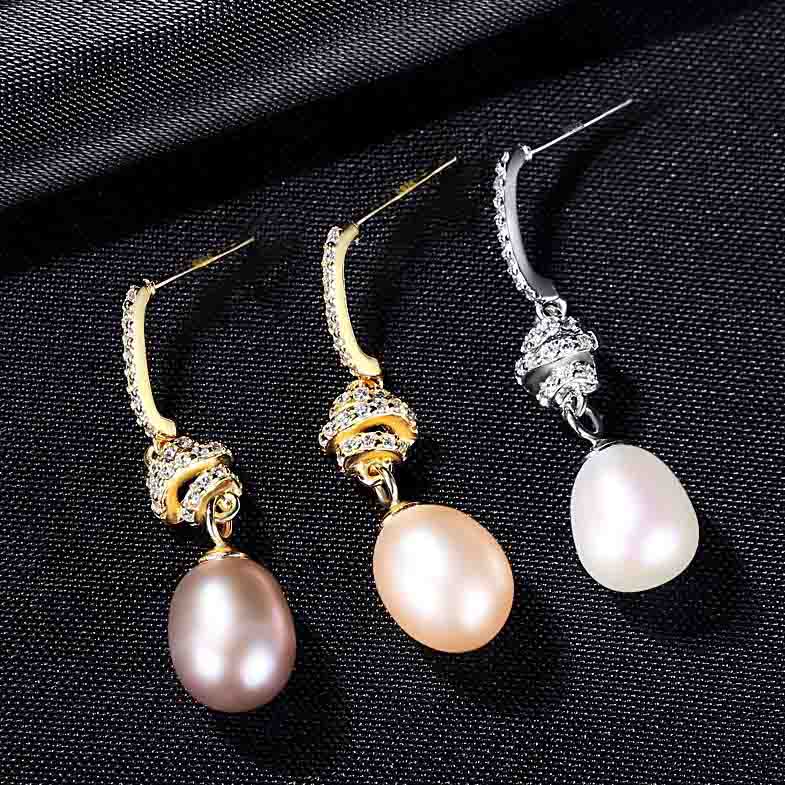
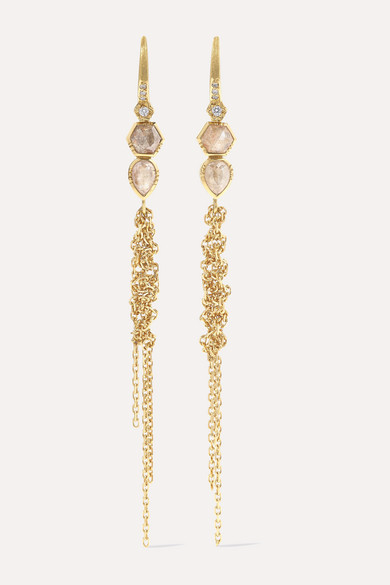
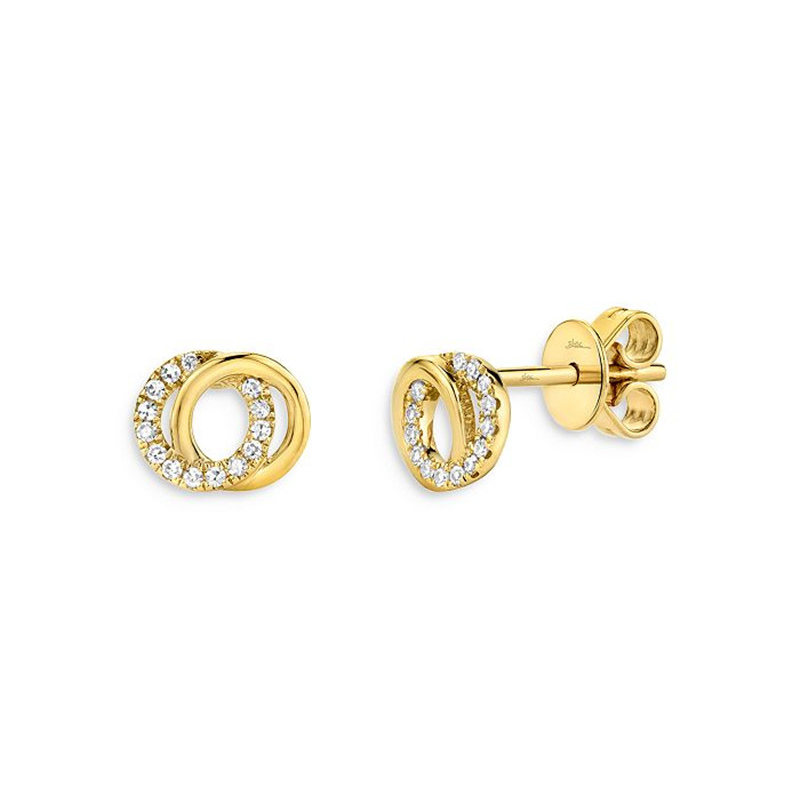
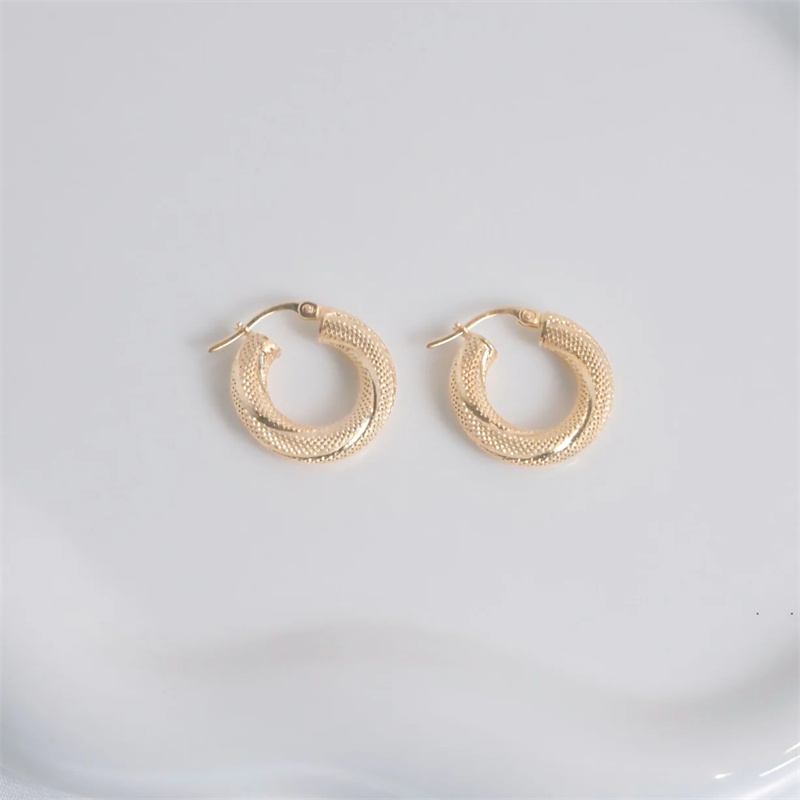
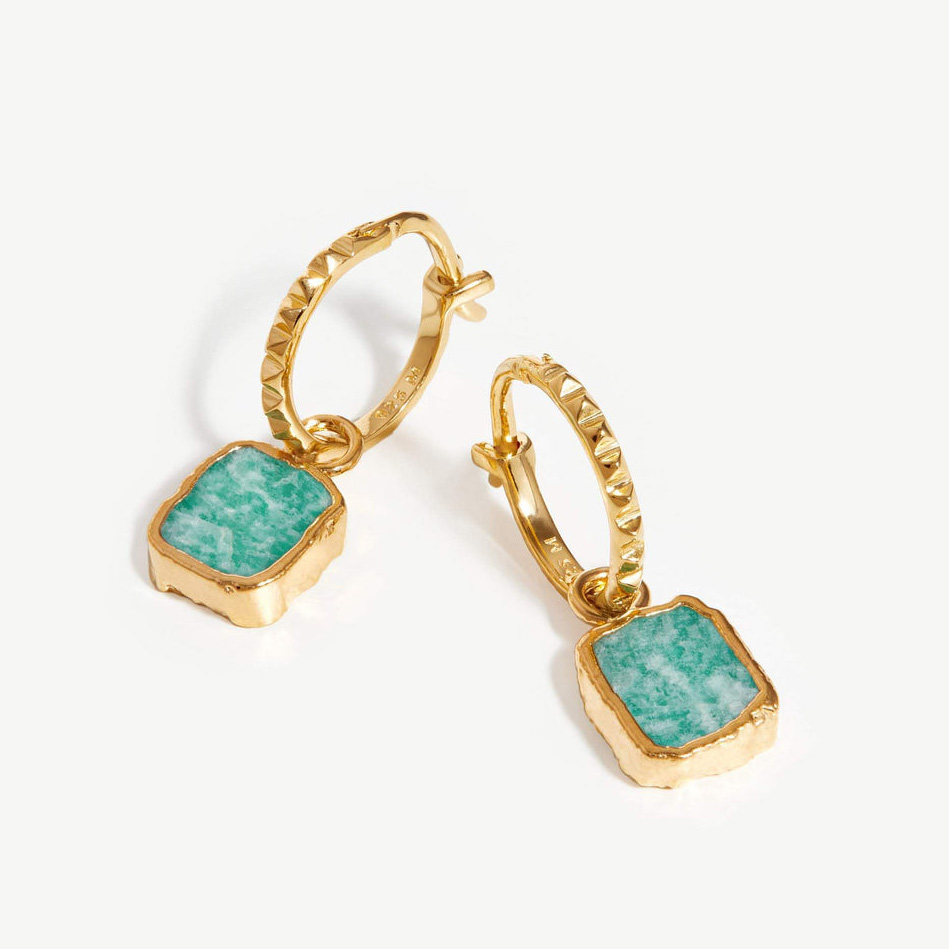
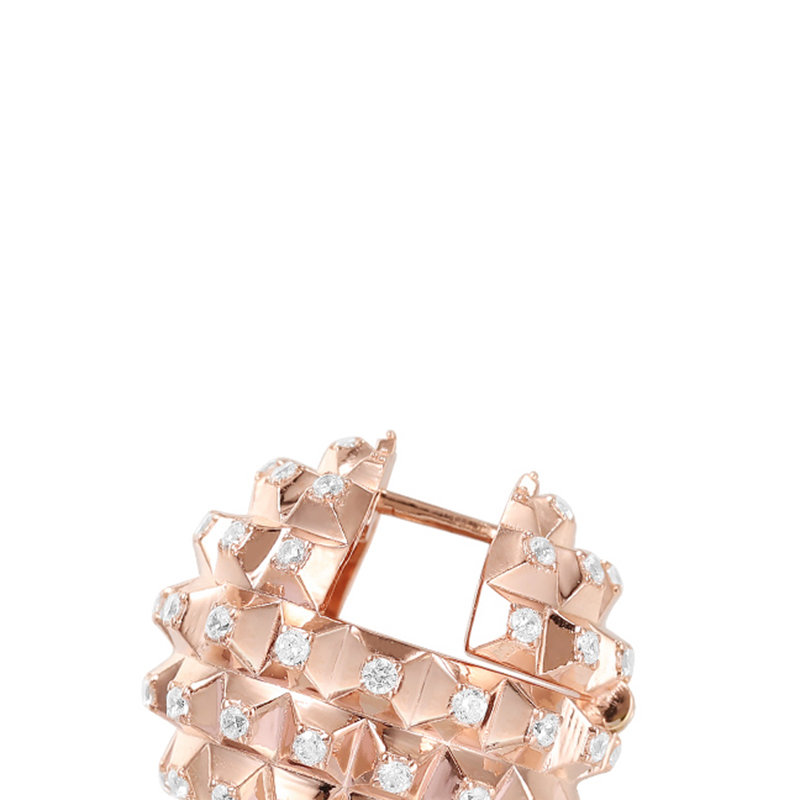
OEM Service Manufacturers of Gallery Drop Earrings
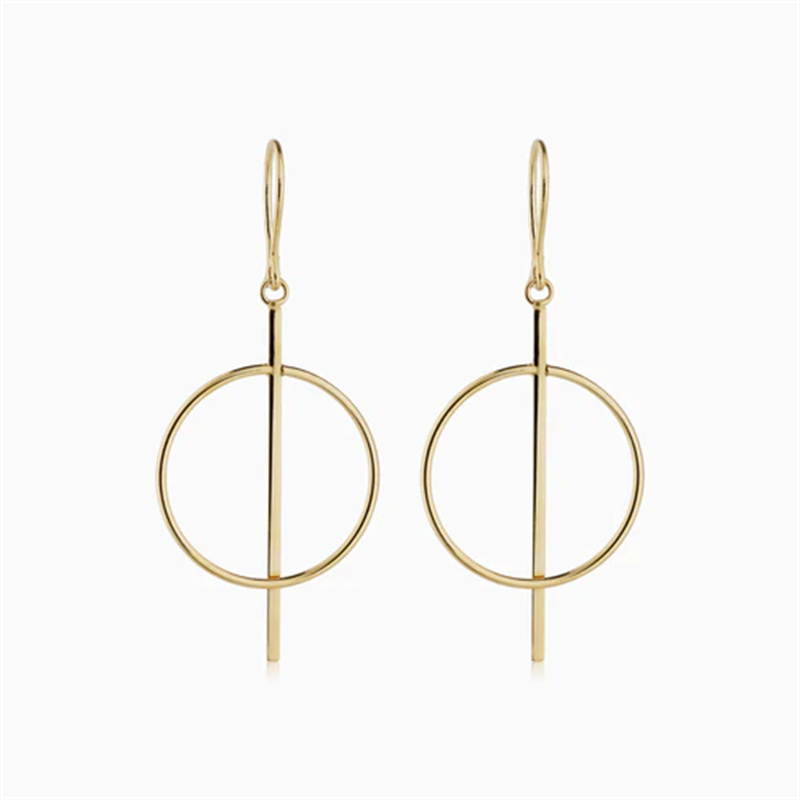
OEM Service Manufacturers of Gallery Drop Earrings
LET’S GET STARTED : mo@kingjy.com
JINGYING: OEM Service Manufacturers of Gallery Drop Earrings
Introduction
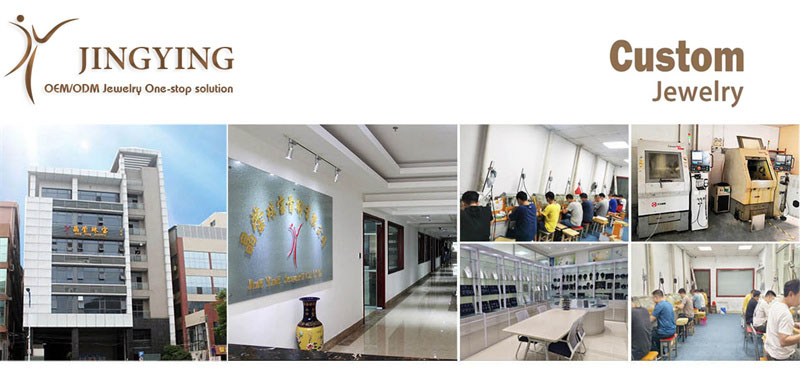
In the competitive landscape of fashion jewelry, success depends on more than inspired design — it requires a manufacturing partner capable of translating creative vision into tangible products with precision, consistency, and commercial viability. JINGYING Jewelry Manufacturing has established itself as a premier OEM (Original Equipment Manufacturer) service provider specializing in custom earring production, including the increasingly popular gallery drop earring category. With 23 years of industry expertise, JINGYING offers brands a comprehensive solution for bringing their jewelry collections to market .
This article examines JINGYING’s OEM manufacturing capabilities through the lens of gallery drop earrings, exploring the technical processes, quality assurance protocols, material expertise, and partnership framework that distinguish the company in the global jewelry manufacturing sector.
Understanding Gallery Drop Earrings
Gallery drop earrings represent a sophisticated design category characterized by decorative elements that suspend below the earlobe, creating movement and visual interest. The “gallery” concept encompasses the dimensional space where the drop element connects to the finding, often incorporating intricate metalwork, gemstone settings, or sculptural forms. These designs range from minimalist geometric drops to elaborate cascading compositions, requiring varied manufacturing approaches and specialized techniques .
For OEM clients, gallery drop earrings present unique production challenges: achieving proper balance and weight distribution, ensuring durable connections between components, maintaining consistent finishing across complex surfaces, and meeting diverse market compliance requirements. JINGYING’s manufacturing ecosystem addresses these challenges through an integrated approach combining advanced technology with traditional craftsmanship.
The JINGYING OEM Process: From Concept to Commercialization
Design Development and Technical Translation
The OEM journey at JINGYING begins with collaborative design development. Clients submit design concepts through sketches, CAD files, photographs, or physical samples. JINGYING’s engineering team performs a comprehensive technical feasibility analysis, identifying potential production issues before they escalate .
This critical evaluation addresses several key considerations for gallery drop earrings. Wall thickness and structural integrity require assessment to ensure the earring can withstand daily wear without deformation, particularly at connection points between the top finding and drop element. For pieces incorporating gemstone settings, prong design and placement are evaluated for security and aesthetics. The engineering team examines the hinge mechanism for articulated drops, ensuring smooth movement and proper tension. Weight optimization is also calculated to prevent earlobe strain while maintaining the design’s intended visual presence .
A documented case study demonstrates this technical refinement process: JINGYING’s team modified an American client’s CAD design from 0.3mm prongs to 0.5mm for enhanced durability, redesigned hinge mechanisms for easier assembly, and reduced weight from 8.2g to 6.5g per earring. These technical adaptations ensure production viability without compromising the design’s aesthetic integrity .
Prototyping: Validating Form and Function
The prototyping phase establishes manufacturing standards through multiple validation stages. Initial CAD modeling creates precise 3D digital representations for client review. Physical 3D printing produces resin prototypes enabling tangible assessment of proportions, scale, and ergonomic qualities. The functional prototype is then crafted in the actual metal, allowing rigorous testing of mechanical components such as clip mechanisms, hinge movement, and stone setting security .
For gallery drop earrings, JINGYING’s prototyping process focuses on critical functional elements including drop articulation and movement, finding stability and security, weight distribution for comfortable wear, and finishing consistency across the design. Client approval of the functional prototype establishes the “gold standard” governing all subsequent production .
Technical Package Development
Once prototypes receive approval, JINGYING creates a comprehensive Technical Package (Tech Pack) that documents every production specification. Engineering drawings provide exact dimensions, tolerances, and angles for each component, while material specifications mandate precise metal alloys and plating compositions .
Plating specifications define minimum thickness requirements to ensure durability and color consistency. For rose gold vermeil, for example, the specification may require 3.0+ microns with specific alloy ratios of gold, copper, and silver to achieve the desired hue. Approved physical samples and photographic references complete the documentation, creating an exhaustive manufacturing guide .
Material Expertise and Manufacturing Capabilities
925 Sterling Silver Production
JINGYING maintains comprehensive capabilities for 925 sterling silver manufacturing, the premium material of choice for many gallery drop earring designs. Sterling silver comprises 92.5% pure silver and 7.5% copper alloy, creating a material that balances beauty, durability, and hypoallergenic properties .
The manufacturing process for sterling silver gallery drop earrings follows a meticulous sequence beginning with material preparation, where ethically sourced 925 silver grains are alloyed at approximately 960°C . Lost-wax casting transforms digital designs into physical metal components using advanced vacuum casting technology, minimizing porosity and maximizing detail accuracy .
Post-casting processing involves deburring to remove rough edges, annealing for structural strengthening, and assembly of components through skilled soldering . Finishing operations include extensive hand-polishing to achieve the desired surface quality, with options ranging from mirror shine to matte or brushed textures. JINGYING’s artisans spend significant time finishing gallery drop earrings, particularly addressing the challenging interior curves of hoops and the contours of sculptural drops .
Brass Manufacturing for Fashion Jewelry
For fashion-forward gallery drop earring collections, JINGYING offers brass manufacturing capabilities. Brass, an alloy primarily of copper and zinc, provides excellent malleability for intricate designs and cost-effectiveness for accessible price points .
The brass production process parallels silver manufacturing but incorporates additional protective measures. Raw brass jewelry is rarely sold without plating, as the material develops a greenish patina over time through oxidation. JINGYING applies protective finishes including gold plating (GP), rose gold plating, rhodium plating, and anti-tarnish lacquer coatings .
Electroplating precision is particularly critical for gallery drop earrings, where complex geometries require careful racking to ensure even current distribution. Pulse plating technology enables consistent deposition on recessed areas, ensuring color uniformity across the entire piece .
Plating and Finishing Options
JINGYING offers extensive plating and finishing options enabling brands to achieve distinct aesthetics. Gold plating in 14K, 18K, rose gold, and yellow gold variations provides premium finishes with controlled thickness specifications. Rhodium plating enhances shine and scratch resistance, while oxidized and antiqued finishes create vintage character .
Surface finish choices include high polish for reflective brilliance, matte for contemporary subtlety, brushed for textured depth, and hammered for artisanal character . These options allow brands to differentiate their gallery drop earring collections while maintaining consistent quality standards.
Quality Assurance: The JINGYING Standard
JINGYING’s quality assurance protocol operates through multiple inspection checkpoints throughout the production process, ensuring compliance with international standards and client specifications. In-process checks occur after each major production stage: post-casting inspection examines raw components for defects such as porosity, post-assembly verification ensures solder joints and mechanism alignments meet specifications, and pre-plating inspection confirms surface preparation quality .
Final inspection is comprehensive and rigorous. Every individual piece undergoes 100% visual inspection under magnification, examining plating consistency, polishing quality, soldering integrity, and any microscopic defects. Dimensional accuracy is verified against Tech Pack specifications, and weight matching confirms pairs are balanced within strict tolerances .
For gallery drop earrings, specialized testing addresses product-specific requirements. Mechanical function tests cycle clip or hinge mechanisms 50+ times to ensure long-term durability and consistent tension. Comfort and security assessments verify the earring provides proper hold without discomfort .
XRF (X-ray fluorescence) testing analyzes a statistical sample from each production batch, verifying metal purity and plating thickness specifications. For compliance with international standards, JINGYING conducts proposition 65 testing for the U.S. market, REACH and RoHS compliance checks for Europe, and CPSIA tracking label verification for children’s products .
Compliance and Market Standards
U.S. Market Requirements
JINGYING maintains robust compliance capabilities for the U.S. market, where gallery drop earring brands must navigate several regulatory requirements. California Proposition 65 compliance requires testing for substances including lead, cadmium, and nickel, with specific thresholds mandating product warnings or reformulation. CPSIA (Consumer Product Safety Improvement Act) tracking labels are required for products intended for children, while nickel release testing verifies content below 0.05% to satisfy hypoallergenic claims. ASTM F2923-20 standards govern the safety of children’s jewelry .
European Market Standards
For the European market, JINGYING’s compliance framework includes REACH (Registration, Evaluation, Authorisation and Restriction of Chemicals) compliance for chemical substances, RoHS (Restriction of Hazardous Substances) testing for electrical and electronic equipment components, and EN71 certification for children’s jewelry safety .
The Strategic OEM Partnership
Cost Structure and Value Proposition
JINGYING’s OEM pricing structure reflects the sophisticated processes involved in gallery drop earring manufacturing. NRE (Non-Recurring Engineering) costs cover model and mold creation, prototyping, and Tech Pack development. Per-unit pricing incorporates materials, labor, overhead, quality assurance, and profit .
Significant economies of scale apply, with substantial per-unit cost reductions as order volumes increase. Volume tiering typically shows price reductions from smaller runs of 100-250 pairs to larger orders of 1,000+ pairs. Brands can negotiate on order volume and forecasting commitments, payment terms, and packaging choices, though JINGYING’s guidance suggests never compromising on core quality aspects such as plating thickness or the rigor of the QA process .
Intangible Benefits of Partnership
Beyond the per-unit price, JINGYING’s OEM partnership delivers critical intangible benefits. Risk mitigation through rigorous quality assurance protects brands from product returns and reputation damage. Access to engineering expertise enables designs that are both beautiful and manufacturable. Supply chain reliability ensures on-time delivery, securing product launch schedules and inventory plans. These advantages transform the manufacturer from a vendor into a strategic partner .
Conclusion
JINGYING’s OEM service for gallery drop earrings exemplifies the sophistication required of modern jewelry manufacturing partnerships. Through a combination of advanced technology, skilled craftsmanship, rigorous quality assurance, and comprehensive compliance capabilities, the company enables brands to bring complex designs to market with consistency and confidence.
The 23-year track record of JINGYING demonstrates that successful OEM manufacturing requires more than production capacity — it demands technical expertise in material science, mastery of finishing techniques, precision in quality control, and commitment to ethical production practices. For brands seeking to establish or expand their gallery drop earring collections, JINGYING offers a proven framework for transforming creative vision into commercial reality .
The cost of OEM manufacturing represents an investment in product excellence, brand reputation, and market reliability. In the final analysis, JINGYING’s value lies not in producing jewelry but in enabling brands to deliver exceptional products that build customer loyalty and sustainable business success.