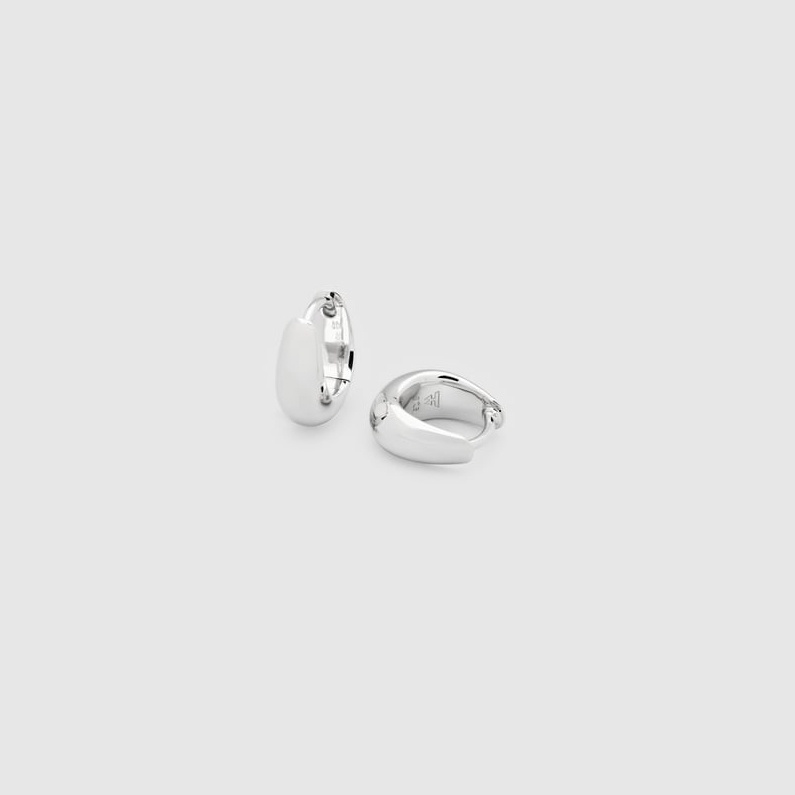
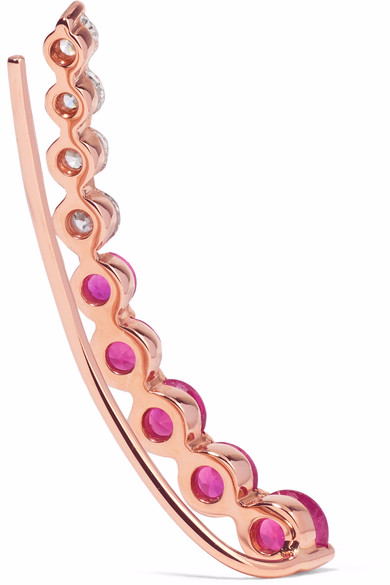
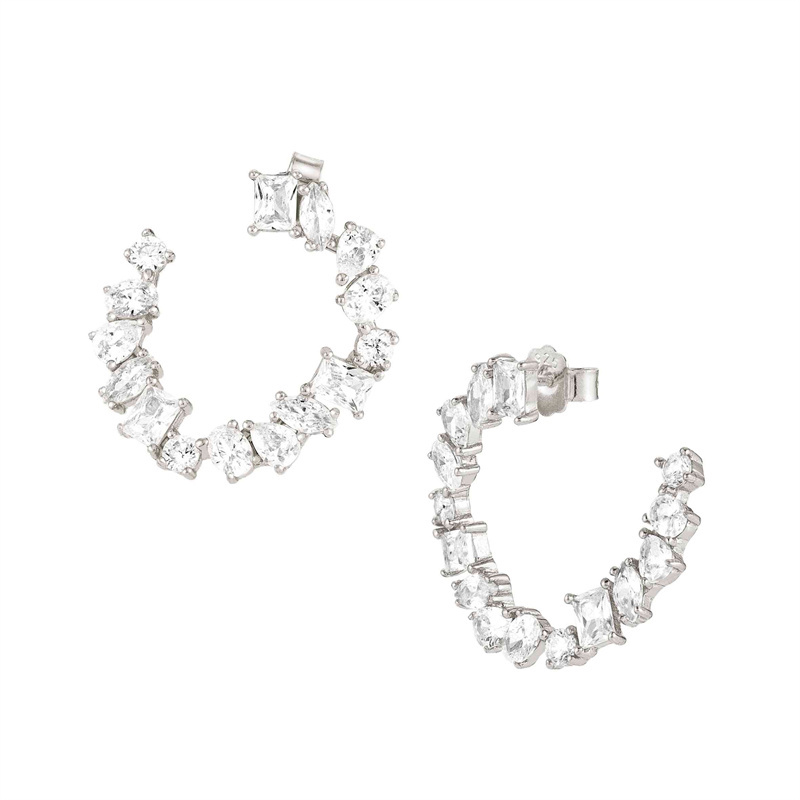
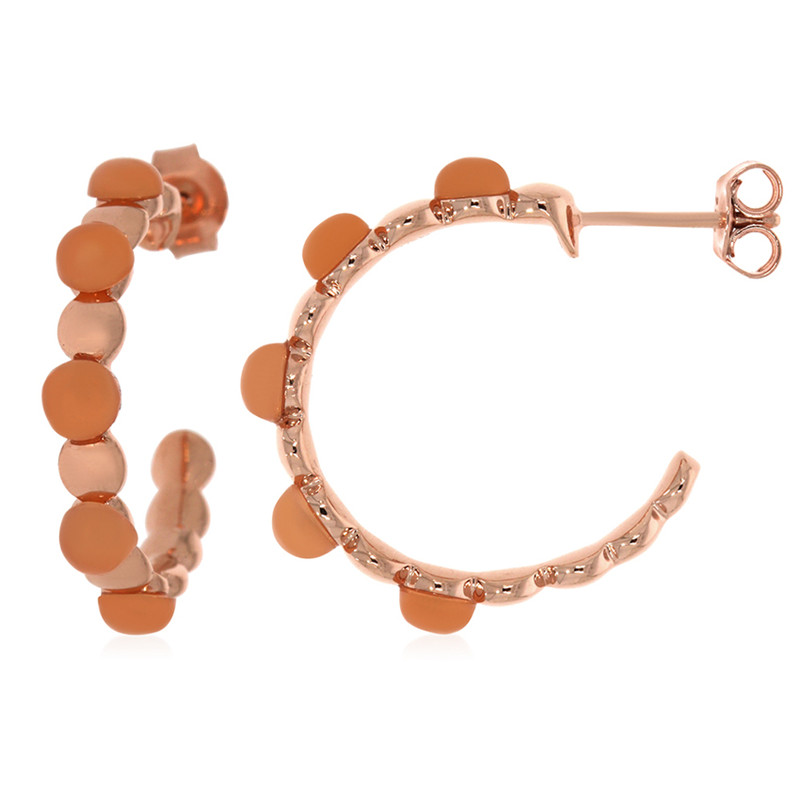
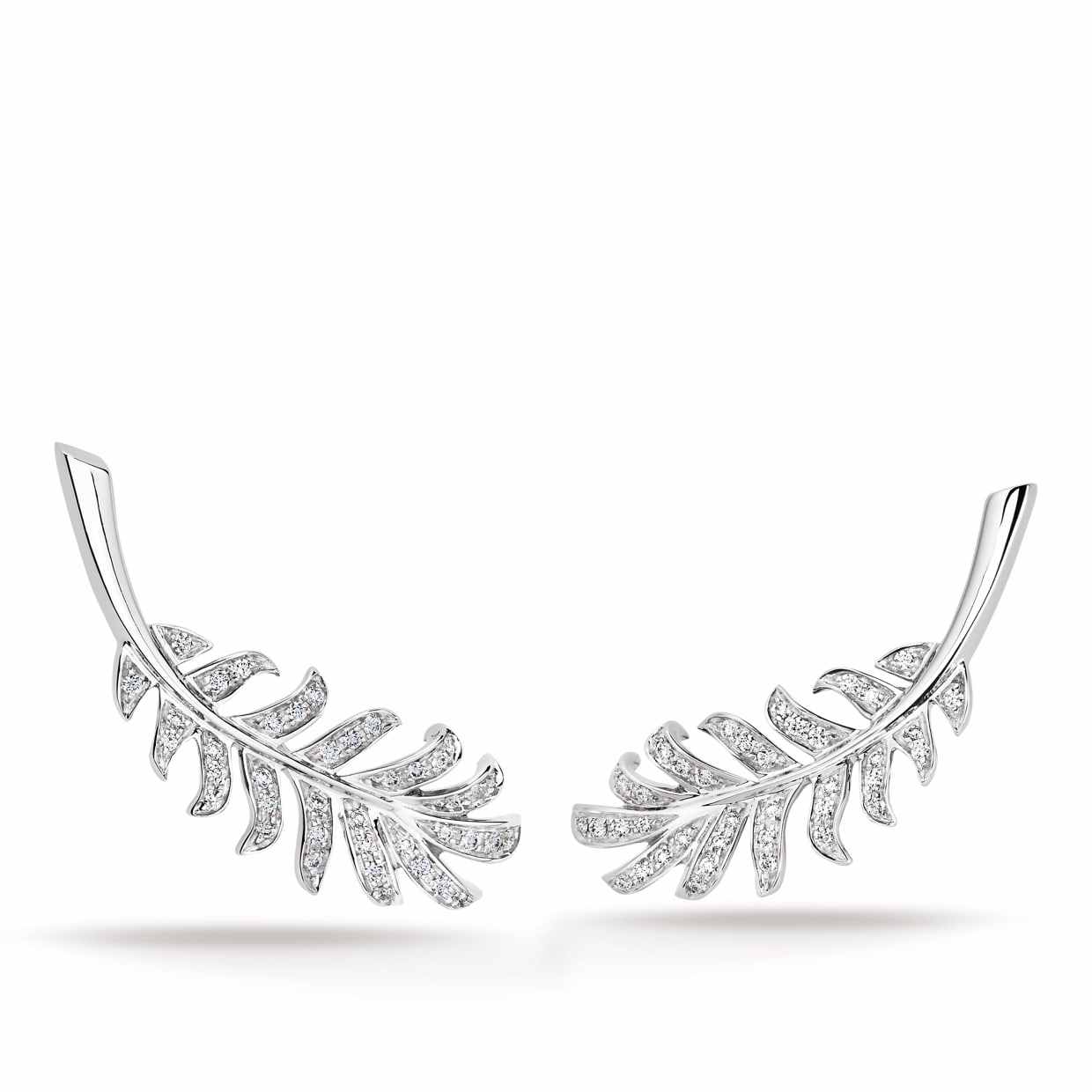
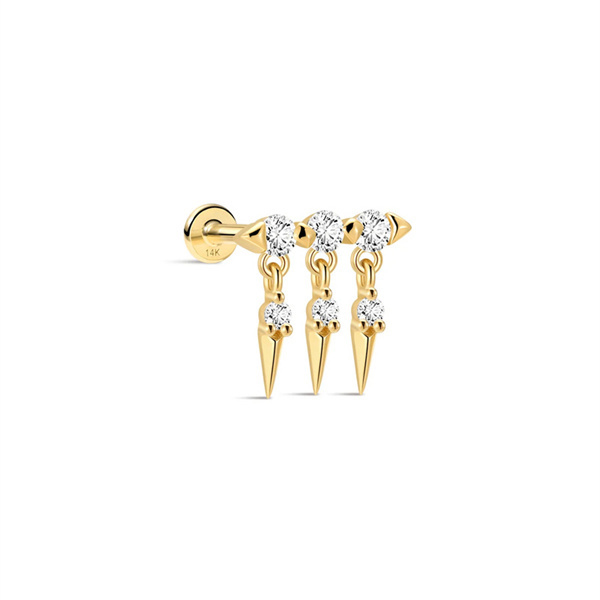
OEM manufacturing Sylvie Waterproof Earring Set at JINGYING
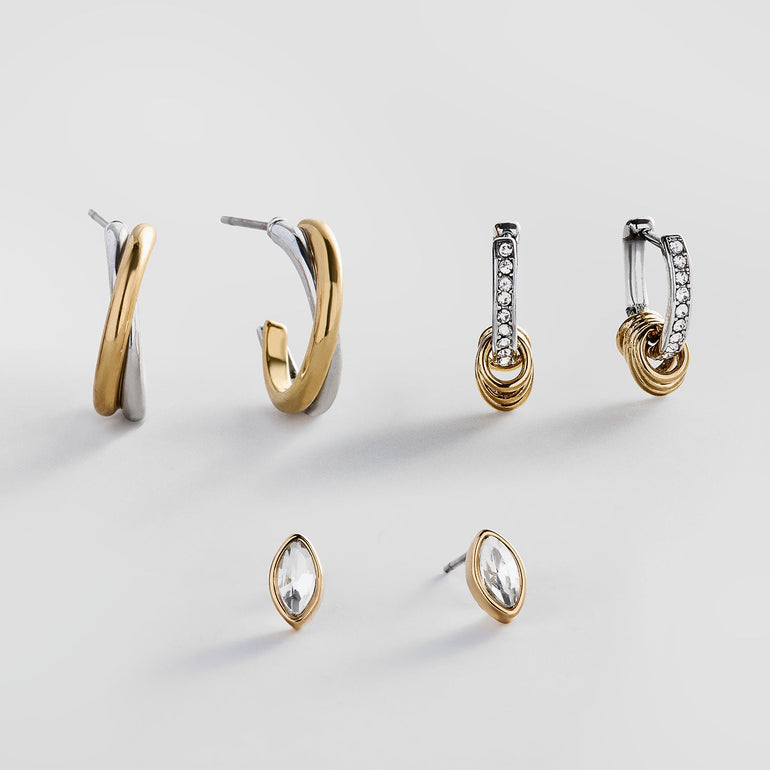
OEM manufacturing Sylvie Waterproof Earring Set at JINGYING
LET’S GET STARTED : mo@kingjy.com
How to Manufacture the Sylvie Waterproof Earring Set at JINGYING
A Comprehensive Technical Guide to OEM Production
1. Introduction: The Sylvie Waterproof Earring Set
The “Sylvie” earring set represents a sophisticated category in contemporary fashion jewelry: a waterproof, hypoallergenic accessory engineered for active lifestyles without sacrificing aesthetics. As consumer demand grows for jewelry that withstands daily wear—including exposure to water, sweat, and humidity—JINGYING Jewelry has positioned itself as a leading OEM/ODM manufacturer capable of delivering such products at scale.
With over 23 years of experience, JINGYING offers a one-stop solution for brand jewelers, transforming concepts, photos, or CAD designs into finished collections. The company specializes in materials including 925 sterling silver, copper with gold plating, and solid gold options, with a strong focus on durability and long-lasting plating. This guide details the complete manufacturing process for a waterproof earring set—designated here as the “Sylvie” collection—from initial design through to quality control and packaging.
2. Phase I: Design & Technical Development (CAD)
2.1 Design Conceptualization
The manufacturing journey begins with translating creative vision into a manufacturable design. JINGYING’s engineering team collaborates closely with clients to develop the Sylvie earring set’s aesthetic—whether inspired by natural forms, architectural geometry, or contemporary trends. The company accepts design inputs ranging from hand-drawn sketches and photographs to existing physical samples.
2.2 3D CAD Modeling
Using industry-standard software such as RhinoGold or MatrixGold, JINGYING’s designers build detailed 3D models. For earrings—particularly those featuring posts, hinges, or stone settings—precision in the digital model is critical. Key considerations during this phase include:
- Structural Integrity: The model must account for the specific demands of waterproof coatings and daily wear.
- Stone Setting Seats: If the Sylvie set incorporates cubic zirconia or other stones, the CAD model includes precise seats for bezel or prong settings.
- Functional Elements: For hinged designs (e.g., huggie-style earrings), the CAD must account for tolerances as tight as 0.2mm between moving parts to ensure smooth operation.
2.3 Prototyping
JINGYING utilizes SLA/DLP 3D printing technology to produce resin prototypes within 24 to 48 hours. This physical “feel” allows clients to assess proportions, weight, and ergonomics before proceeding to expensive tooling—a critical step in avoiding costly revisions later.
3. Phase II: Material Selection
Material selection is fundamental to achieving the “waterproof” and “hypoallergenic” attributes that define the Sylvie collection.
3.1 Base Metal Options
JINGYING offers several base material options, each with distinct properties:
| Material | Composition | Properties | Best For |
|---|---|---|---|
| 925 Sterling Silver | 92.5% pure silver + 7.5% copper alloy | Hypoallergenic, naturally antimicrobial, highly waterproof and sweatproof | Premium Sylvie sets with natural silver luster |
| 316L Stainless Steel | Iron-chromium-nickel alloy | Extremely durable, corrosion-resistant, affordable | High-durability Sylvie sets for active wear |
| Copper with Gold Plating | Copper base + thick gold layer | Cost-effective, good weight and feel | Budget-friendly Sylvie collections |
For premium Sylvie sets, 925 sterling silver is the preferred choice. JINGYING sources LBMA-certified silver and validates purity through X-ray fluorescence (XRF) testing on every batch. Sterling silver is naturally hypoallergenic, nickel-free, and does not turn green, making it ideal for customers with sensitive skin.
3.2 Verification of Material Purity
All incoming raw materials undergo XRF testing to verify the 92.5% silver content in sterling silver batches, ensuring compliance with international standards and client specifications.
4. Phase III: Tooling & Mold Making
4.1 Master Model Creation
Once the CAD design and prototype are approved, JINGYING moves to tooling. CNC precision milling machines cut a steel master model with accuracy of 0.01mm. This master serves as the benchmark for all subsequent production.
4.2 Rubber Mold Injection
The steel master is pressed into heated rubber to create production molds. For complex designs—particularly those with undercuts, hinges, or intricate stone settings—multi-piece molds are required to ensure clean release of the wax patterns.
5. Phase IV: Wax Injection & Casting
5.1 Wax Injection
Liquid wax is injected into the rubber molds under high pressure. This pressure is particularly critical for designs with sharp corners or fine details, as insufficient pressure can result in “short shots”—rounded or incomplete details.
5.2 Tree Assembly
Hundreds of wax models are meticulously attached to a central wax “tree” or “sprue.” This assembly method allows efficient casting of multiple units in a single cycle.
5.3 Lost-Wax Casting Process
JINGYING operates a complete lost-wax casting facility:
- Investment: The wax tree is placed in a steel flask and covered with liquid plaster (investment material).
- Burnout: The flask is heated in a kiln. The wax melts and burns away, leaving a cavity in the exact shape of the earrings.
- Casting: Molten metal (sterling silver, stainless steel, or brass) is forced into the cavity using centrifugal or vacuum casting equipment.
The result is raw metal “blanks” that precisely match the original wax patterns.
6. Phase V: Surface Preparation & Polishing
Raw castings have a dull appearance and may show “orange peel” texture or attachment nubs from the tree. JINGYING’s surface preparation process transforms these blanks into glossy, refined components ready for plating.
6.1 Barrel Tumbling
Hundreds of castings are placed in a rotating barrel with steel shot and soap. This process cleans the pieces, removes surface oxidation, and provides a preliminary shine.
6.2 Mechanical Buffing
Skilled workers use cloth buffing wheels with abrasive compounds to polish the earrings. For angular or geometric designs, achieving a mirror finish on flat surfaces requires careful technique. JINGYING employs both robotic polishing systems for consistency and final hand-finishing for precision.
6.3 Electropolishing (Optional)
For premium Sylvie sets, electropolishing may be applied to achieve a surface roughness of 0.1–0.3µm—significantly smoother than standard jewelry (1–2µm). This medical-grade finish removes microscopic pores where irritants could accumulate.
6.4 Hinge Cleaning
For hinged designs, special attention is paid to cleaning the hinge joint. Compressed air is used to remove polishing compound; residual compound can cause the hinge to stick.
7. Phase VI: Stone Setting
If the Sylvie earring set incorporates cubic zirconia or other gemstones, stone setting is performed prior to plating.
7.1 Stone Selection
JINGYING typically uses 5A or 8A grade cubic zirconia (CZ) for fashion jewelry, offering high brilliance and durability at a competitive price point.
7.2 Setting Methods
Two primary setting methods are employed:
- Bezel Setting: A metal rim is rolled over the edge of the stone, completely encircling it. This method provides excellent stone security and a sleek, modern look—ideal for contemporary Sylvie designs.
- Prong Setting: Small metal claws are bent over the stone to hold it in place. This method allows more light to enter the stone, enhancing brilliance.
For the waterproof Sylvie collection, bezel settings are often preferred as they provide a flush surface that resists water penetration and protects the stone from dislodging. Setting is performed under a microscope using precision micro-setting equipment, often imported from Japan.
8. Phase VII: Plating & Waterproof Coating
This phase is the technical heart of the “waterproof” claim. JINGYING employs Physical Vapor Deposition (PVD) coating technology, which creates a durable, water-resistant barrier superior to conventional electroplating.
8.1 The PVD Process
PVD (Physical Vapor Deposition) is a vacuum deposition process where vaporized metal is deposited onto the earrings in a thin, hard layer. For the Sylvie collection:
- Pre-cleaning: Earrings are degreased in ultrasonic chemical baths to remove all finger oils—contamination can prevent coating adhesion.
- Chamber Loading: Earrings are placed in a vacuum chamber.
- Deposition: Zirconium or titanium nitride (for gold finishes) is vaporized and deposited onto the earrings at the molecular level, forming a 2–5µm nano-coating.
- Thickness Control: JINGYING applies a PVD layer of 3 microns for optimal durability—substantially thicker than the 0.5–1 micron typical of standard fashion jewelry.
8.2 Why PVD Delivers Waterproof Performance
The PVD coating provides multiple protective functions:
- Water & Sweat Barrier: Blocks H₂O, sweat (NaCl), and skin oils from penetrating the base metal.
- Scratch Resistance: PVD coatings are 10 times more scratch-resistant than standard plating.
- Corrosion Resistance: PVD-coated jewelry withstands prolonged exposure to water, chlorine, and humidity—allowing wear in showers, pools, and gyms.
8.3 Molecular Sealant Application
JINGYING applies a proprietary silane-based sealant that fills microscopic gaps in the metal’s crystalline structure. Testing confirms that this sealant allows PVD-coated earrings to withstand 500+ hours in artificial sweat environments (per EN 1811 standards) and 72-hour salt spray exposure with zero tarnish (ASTM B117).
8.4 Rhodium Plating (Optional Finish)
For white metal finishes, JINGYING offers rhodium plating—a 0.5–3µm rhodium layer that provides a hypoallergenic barrier, enhanced shine, and reduced oxidation.
8.5 Final Rinse
Following plating, earrings are rinsed in deionized water to prevent water spots and ensure a flawless finish.
9. Phase VIII: Quality Control
JINGYING implements comprehensive quality control protocols to ensure the Sylvie collection meets durability, safety, and aesthetic standards.
9.1 Dimensional Accuracy
Laser micrometers verify critical dimensions, including post thickness (standard 0.8mm/20G) and hinge tolerances.
9.2 Plating Adhesion Testing
Tape tests (per ASTM D3359) verify that PVD layers will not peel or delaminate under normal wear conditions.
9.3 Durability Testing
- Hinge Durability: For hinged designs, the mechanism is opened and closed 50 times by machine to ensure it does not break.
- Drop Test: Earrings are dropped from 1.5 meters onto a steel plate to verify stone security. JINGYING aims for 99% no-stone-loss.
- Corrosion Resistance: Samples undergo 500+ hours exposure to artificial sweat (per EN 1811 standards).
9.4 Biocompatibility & Safety
- Nickel Testing: Spot tests confirm no nickel leaching, critical for hypoallergenic claims.
- Plating Thickness: An XRF gun is used to read the micron level of the gold or PVD coating. Batches reading below the specified standard are rejected.
- ISO Compliance: JINGYING conducts ISO 10993-10 certified biocompatibility testing, confirming no skin irritation or cytotoxicity.
9.5 Final Visual Inspection
Each pair of earrings is visually inspected by skilled artisans for imperfections, irregularities, and adherence to design specifications.
10. Phase IX: Private Label & Packaging
10.1 Branding
JINGYING offers comprehensive private label services:
- Laser Engraving: Earring posts or backs can be laser-engraved with the client’s brand name or metal content designation (e.g., “14K GP” for gold plating).
- Logo & Packaging: Personalized logos and custom packaging are available.
10.2 Intellectual Property Protection
JINGYING signs a Non-Disclosure Agreement (NDA) prior to manufacturing, ensuring that client designs are never shared with third parties.
10.3 Packaging
Earrings are typically:
- Inserted into backing cards or display trays
- Sealed in individual anti-tarnish polybags
- Packed with anti-tarnish strips in airtight packaging
10.4 Shipping
From its manufacturing facilities in Guangzhou, JINGYING ships to global destinations.
11. Production Timeline Summary
For a typical Sylvie Waterproof Earring Set order:
| Phase | Duration | Key Activities |
|---|---|---|
| Design & Prototyping | 1–2 weeks | CAD development, 3D resin prototyping |
| Tooling & Molding | 1–2 weeks | Steel master creation, rubber mold injection |
| Mass Production | 3–4 weeks | Wax injection, casting, polishing, stone setting, plating |
| QC & Packaging | 1 week | Inspections, testing, packaging, shipping |
12. Conclusion
Manufacturing the Sylvie Waterproof Earring Set at JINGYING represents a sophisticated integration of traditional craftsmanship and advanced materials engineering. The process—from CAD design and lost-wax casting to PVD coating and rigorous quality control—ensures a final product that is waterproof, hypoallergenic, and aesthetically refined.
JINGYING’s 23 years of OEM/ODM experience, combined with its technical capabilities in 3D prototyping, precision tooling, and PVD coating, make it a reliable partner for brands seeking to bring waterproof jewelry collections to market. The company’s commitment to thick plating standards (3 microns), biocompatibility testing, and rigorous quality control directly align with consumer demands for jewelry that withstands the rigors of modern, active lifestyles.