How to Produce the Gold Ribbon Ring Vermeil 14K Gold at JINGYING
Introduction
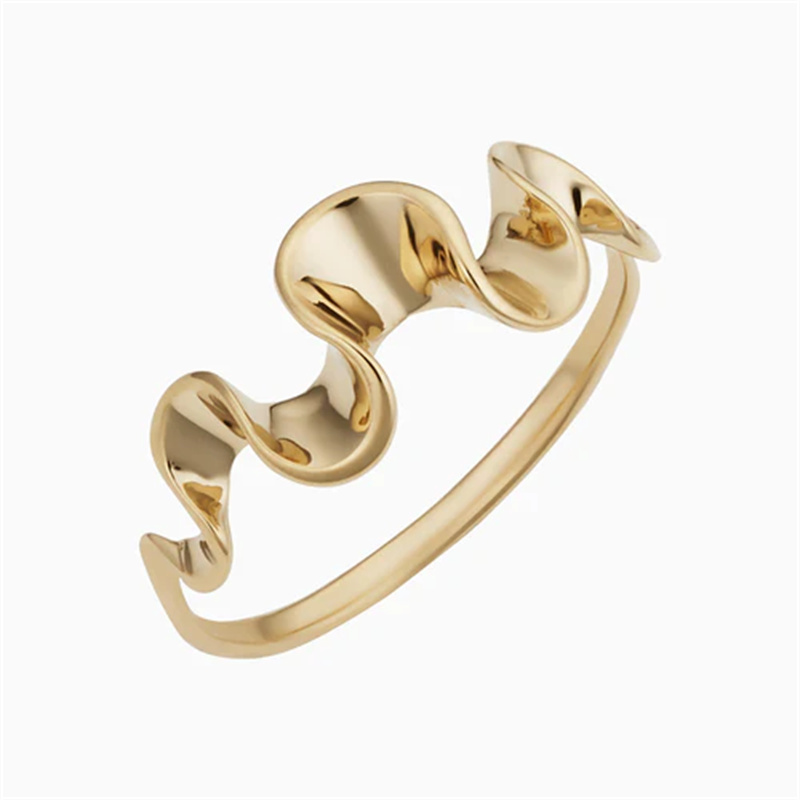
The Gold Ribbon Ring Vermeil 14K Gold represents an exquisite fusion of elegant design and premium demi-fine jewelry craftsmanship. This intricate piece, featuring a sculptural bow motif atop a delicate band, captures the essence of modern femininity while maintaining a timeless appeal . Producing such a refined piece requires a sophisticated manufacturing process that balances traditional artistry with advanced technology. JINGYING Jewelry, a leading manufacturer established in 1998 with over two decades of expertise in sterling silver and gold jewelry production, has perfected the methodology for creating high-quality vermeil pieces . This article provides a comprehensive examination of the step-by-step production process for the Gold Ribbon Ring Vermeil 14K Gold at JINGYING.
Understanding Gold Vermeil: The Foundation of Quality
Before delving into the production process, it is essential to understand what distinguishes genuine gold vermeil from standard gold-plated jewelry. Authentic vermeil consists of a sterling silver base (92.5% pure silver) coated with a thick layer of gold through electrolytic deposition . To qualify as vermeil under US federal regulations, the gold layer must be at least 10 karats in fineness and have a minimum thickness of 2.5 microns . JINGYING exceeds these standards by applying 14K gold plating up to 3.0 microns thick, ensuring superior durability and a luxurious appearance that can withstand everyday wear . This commitment to quality positions JINGYING’s vermeil pieces in the premium demi-fine jewelry category, offering brands the ability to market their products as luxury alternatives to solid gold .
Step 1: Design and CAD Modeling
The production journey begins with the design phase, where creative concepts are transformed into precise digital models. JINGYING’s engineering team, comprising over 20 design specialists, utilizes industry-leading software including Rhino and JewelCAD to create detailed 3D models of the Ribbon Bow Ring . During this stage, the design undergoes rigorous optimization for manufacturability, with particular attention paid to the ring’s sculptural bow element and the 2.2mm band width . The CAD models allow clients to review and approve the design specifications before any physical production begins, ensuring that the final product aligns perfectly with their vision . For intricate features such as the ribbon’s flowing curves and the precise band dimensions, JINGYING’s engineers may recommend adjustments to enhance durability while maintaining aesthetic integrity .
Step 2: Prototyping and Mold Creation
Once the CAD design receives client approval, JINGYING proceeds to create physical prototypes using high-resolution SLA/DLP 3D printing technology . These resin prototypes serve as tangible representations of the final piece, allowing designers and clients to assess the look, feel, and functionality before mass production . This critical step enables any necessary refinements to be made early in the process, preventing costly revisions during later stages.
Following prototype approval, rubber molds are crafted for wax pattern production. JINGYING employs both silicone and vulcanized rubber molds, which ensure consistency across production batches . For the Ribbon Bow Ring with its 12.7mm bow element and 2.2mm band, precise mold creation is essential to maintain the design’s sculptural integrity throughout the casting process .
Step 3: Material Selection and Preparation
JINGYING sources ethically refined 925 sterling silver from RJC-certified suppliers, ensuring both quality and sustainability . For the Gold Ribbon Ring Vermeil 14K Gold, the base material must be high-purity sterling silver (92.5% silver, 7.5% copper) to provide durability and hypoallergenic properties suitable for sensitive skin . The silver is melted at approximately 1760°F (960°C) and formed into ingots or casting grains ready for the production process .
Step 4: Casting – The Lost-Wax Process
JINGYING employs the lost-wax casting method, a time-honored technique refined through modern technology, to create the sterling silver base of the Ribbon Bow Ring . This process involves several precise stages:
First, wax patterns are injected into the rubber molds created earlier. Multiple wax patterns are attached to a wax “tree,” forming a sprue system that will guide molten metal into each cavity. The wax tree is then invested in a heat-resistant plaster-like material called investment, which hardens around the wax patterns. The invested flask is placed in a kiln, where the wax is burned out, leaving a negative cavity of the ring design.
Molten sterling silver is then cast into the cavity using either vacuum or centrifugal casting techniques. JINGYING’s advanced equipment ensures minimal porosity and high detail accuracy, capturing the delicate ribbon bow design with precision . For the 2.2mm band and 12.7mm bow, this level of precision is essential to achieve the sculptural quality that defines the piece .
Step 5: Post-Casting Processing
After casting, the raw silver rings undergo several processing stages. Deburring removes rough edges and casting sprues, while annealing—a controlled heat treatment—strengthens the metal and relieves internal stresses . For rings requiring assembly, components are carefully soldered together using laser welding technology, which creates seamless joins without visible solder marks .
Step 6: Finishing and Surface Preparation
The finishing stage transforms the cast ring into a refined piece ready for plating. JINGYING employs a combination of hand and machine polishing techniques to achieve the smooth surface required for the vermeil plating process. Tumbling in polishing media provides initial smoothing, while skilled artisans perform hand-polishing with microfiber wheels to bring out the metal’s natural luster and ensure all surfaces are flawlessly prepared .
For the Ribbon Bow Ring, particular attention is given to the bow’s sculptural details and the band’s inner surface. The ring’s 2.2mm band must be uniformly smooth to ensure comfortable daily wear . JINGYING’s artisans meticulously inspect each piece at this stage, as any surface imperfections would be magnified during the gold plating process.
Step 7: The Vermeil Plating Process
The defining stage of creating a Gold Ribbon Ring Vermeil 14K Gold is the electroplating process that applies the 14K gold layer. JINGYING employs a sophisticated two-step plating process to ensure exceptional adhesion and longevity .
First, the sterling silver ring is thoroughly cleaned and prepared in a series of chemical baths to remove any contaminants that could compromise plating adhesion. A base layer of pure silver is often applied to ensure optimal bonding between the sterling silver substrate and the subsequent gold layer.
The ring is then immersed in an electroplating bath containing 14K gold solution. Through electrolysis, an electric current causes gold ions to deposit onto the silver surface, forming a uniform, molecularly bonded layer . JINGYING’s advanced plating technology allows them to deposit up to 3.0 microns of gold—significantly exceeding the US regulatory minimum of 2.5 microns required for vermeil classification . This thicker gold layer provides superior scratch resistance, color retention, and durability for everyday wear . The ring can be worn during activities such as gym workouts, showering, and sleeping without significant degradation .
Step 8: Post-Plating Treatment and Quality Control
After the 14K gold plating is complete, the rings undergo anti-oxidation sealing or waterproof coating treatments to extend product life and maintain brilliance . The rings are then carefully polished to achieve the desired mirror finish, enhancing the gold’s natural radiance .
JINGYING implements rigorous quality control protocols throughout production. The plating thickness is verified using XRF testing equipment, ensuring compliance with vermeil standards . Each piece undergoes magnified visual inspection to detect any surface imperfections, plating inconsistencies, or defects . The ring’s dimensions, weight, and overall appearance are verified against the approved specifications. JINGYING’s commitment to quality assurance includes hallmark stamping to indicate the metal purity and authenticity of each piece .
Step 9: Packaging and Final Inspection
The finished Gold Ribbon Rings Vermeil 14K Gold receive a final inspection before packaging. Each ring is carefully cleaned, placed in appropriate packaging, and prepared for shipment to clients. JINGYING offers personalized logo and packaging services for brands seeking private label solutions, allowing retailers to present the rings under their own brand identity .
Manufacturing Considerations and Customization Options
For brands interested in producing the Gold Ribbon Ring Vermeil 14K Gold through JINGYING, several practical considerations should be noted. Minimum order quantities typically range from 50 to 100+ pieces per specific design and size . Custom CAD design services are available for brands wishing to modify the ribbon bow design or incorporate brand-specific elements . JINGYING’s ability to work with both CNC machining for intricate designs and traditional handcrafting techniques provides flexibility in production methods . The company also offers various plating color options, including yellow gold, rose gold, and rhodium finishes .
Conclusion
Producing the Gold Ribbon Ring Vermeil 14K Gold at JINGYING is a sophisticated process that seamlessly integrates advanced technology with traditional craftsmanship. From initial CAD design through final quality control, each stage is meticulously executed to create a piece that embodies the elegance of the ribbon bow motif while delivering the durability and luxury of premium gold vermeil. JINGYING’s commitment to exceeding industry standards—applying up to 3.0 microns of 14K gold and maintaining rigorous quality control—ensures that each ring offers the appearance and longevity that brands and consumers demand . For jewelry brands seeking a manufacturing partner capable of producing high-quality vermeil pieces, JINGYING’s comprehensive capabilities, established expertise, and dedication to quality make it a trusted choice in the competitive world of demi-fine jewelry manufacturing.