How to Find the Right Jewelry Manufacturing Factory in China: The 2026 Sourcing Bible
Introduction: The Challenge of Finding a Needle in a Thriving Ecosystem
China remains the undisputed powerhouse of global jewelry production. From the fashion-forward streets of Yiwu to the precision-engineering hubs of Dongguan and the premium craftsmanship of Guangzhou, the country offers an unparalleled ecosystem for producing everything from
0.50fashionringsto1,600 gold-filled necklaces.
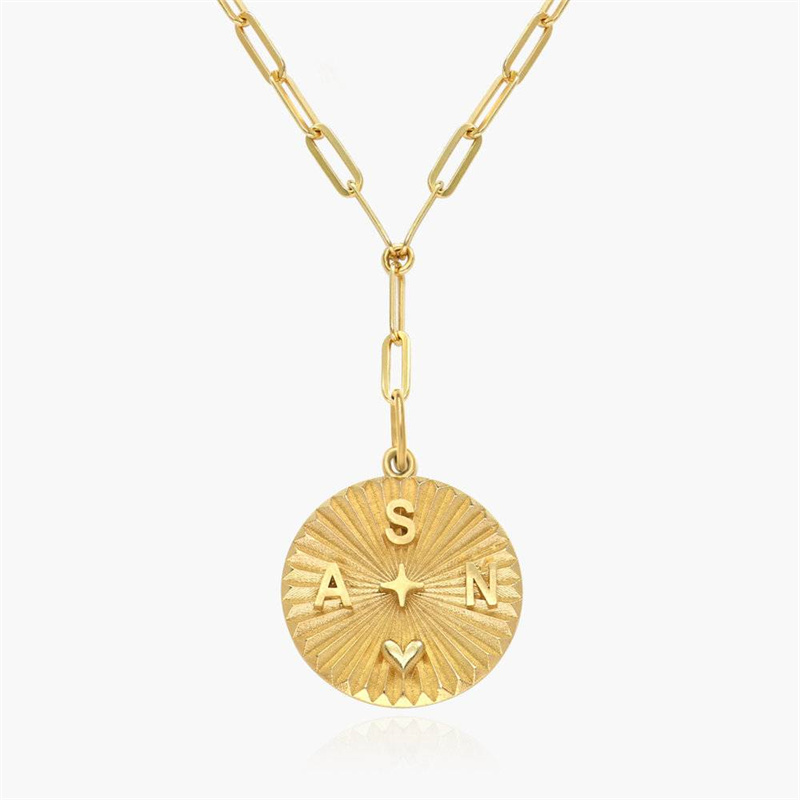
However, for international buyers—whether a first-time entrepreneur launching a brand or a seasoned retailer expanding a private label—the process of finding the right factory can feel like navigating a minefield. How do you distinguish a genuine manufacturer from a middleman? How do you ensure your intricate design translates from a 3D render into a physical product that doesn’t tarnish after two wears? How do you protect your intellectual property in a high-speed production environment?
This guide moves beyond the typical “check Alibaba and pray” advice. Drawing on 2026 industry data, audit protocols, and supply chain strategies, we will walk you through a step-by-step process to find, vet, and partner with a jewelry factory in China that aligns with your brand’s quality standards and growth trajectory.
Part 1: Understanding China’s Jewelry Manufacturing Geography
Before you send a single inquiry, you must understand that “China” is not a monolith for manufacturing. Different regions specialize in different products, volumes, and quality levels. Sourcing from the wrong region is the most common mistake new buyers make.
The “Big Three” Manufacturing Hubs
1. Yiwu (Zhejiang Province): The King of Fast Fashion & Low MOQs
Yiwu is the center of the universe for inexpensive, trend-driven fashion jewelry. If you need 500 pieces of a resin bangle or a stainless-steel chain that mimics this season’s runway look, you go to Yiwu.
- Best for: Alloy jewelry, resin pieces, hair accessories, beaded bracelets, and basic stainless steel.
- MOQ: Very low (2–10 pieces per style often possible).
- Quality: Low to Mid. Ideal for fast fashion and impulse buys.
- Lead Time: 7–15 days for repeats; 15–25 for custom.
- Supplier Example: Yiwu Lucky Jewelry Co., Ltd. offers high reorder rates and specific plating options like rose gold PVD.
2. Guangzhou & Shenzhen (Guangdong Province): The Hub of Quality & Precious Metals
This is where serious brands go. Shenzhen is particularly famous for fine jewelry (gold, diamonds, high-end silver). Guangzhou excels in mixed-material assembly and complete jewelry sets. The factories here are usually larger, ISO-certified, and capable of complex OEM/ODM work.
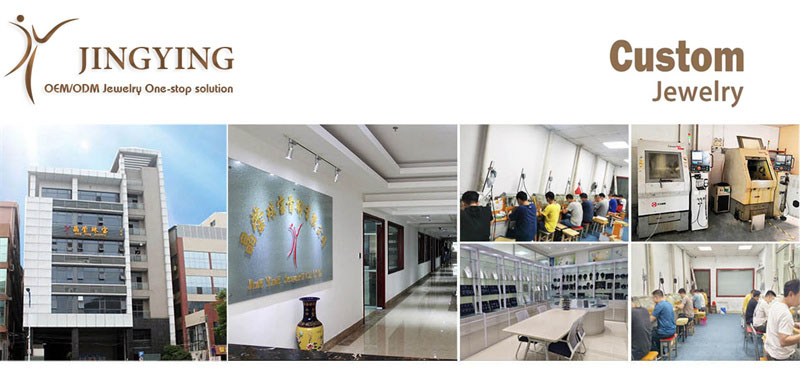
- Best for: 925 Sterling Silver, 14k/18k Gold Plating (over brass/copper), PVD finishes, moissanite, lab-grown diamonds, and complex casting.
- MOQ: 50–500 pieces per design (though some premium factories still require 1,000+).
- Quality: Mid to High.
- Lead Time: 20–35 days for custom designs.
- Supplier Example: JINGYING Jewelry (Guangzhou) operates 35,000 sqm facilities and serves 300+ global brands.
3. Dongguan (Guangdong Province): The Tech & Precision Specialist
Often overshadowed by Shenzhen, Dongguan is the “factory floor” of the world. It is specifically renowned for high-volume stainless steel jewelry and advanced PVD vacuum plating. If you need waterproof, non-tarnish jewelry, you look here.
- Best for: Stainless steel 316L, tungsten carbide, advanced electroplating (IP Plating), and watchbands.
- MOQ: Moderate (500–1,000 pieces).
- Quality: High (Industrial precision).
- Lead Time: 25–40 days.
- Unique Advantage: They are leaders in vacuum plating technology, offering 24-month warranties against tarnishing.
| Region | Specialization | MOQ | Quality Tier | Lead Time |
|---|---|---|---|---|
| Yiwu | Fashion/Alloy/Resin | Very Low (2–10 pcs) | Low to Mid | 7–15 Days |
| Guangzhou | Silver/Gold/Fine Sets | Low to Mid (50–500) | Mid to High | 20–35 Days |
| Shenzhen | Diamonds/Gold/Luxury | High (100–500+) | High to Luxury | 25–40 Days |
| Dongguan | Stainless Steel/Tech | Moderate (500+) | High (Industrial) | 25–40 Days |
Expert Tip: Do not source stainless steel from Yiwu if you need a high-polish finish that lasts, and do not go to Dongguan for cheap resin fashion rings. Match the hub to your product.
Part 2: The Sourcing Workflow – From Search to Sample
Finding the factory is only 20% of the battle. The remaining 80% is verification. Here is the recommended 5-step workflow for 2026.
Step 1: Digital Prospecting (B2B Platforms & Verification)
Start on platforms like Alibaba, Made-in-China, or Global Sources. However, do not just look at the photos. Look at the data.
- Verify Gold Supplier status: Check for “Assessed Supplier” badges.
- Check Transaction History: On Alibaba, look for suppliers with >$100,000 in online sales. This indicates they have experience with international logistics.
- Deep Dive into Metrics:
- On-time Delivery Rate: Look for >95% .
- Response Time: < 4 hours is good; < 1 hour is excellent for urgent communication.
- Reorder Rate: >30% is a golden signal. It means existing clients trust them enough to come back.
Step 2: The “Audit” – Separating Factories from Traders
In China, there are “Trading Companies” (middlemen who speak English but outsource production) and “Factories” (actual producers). You want the factory.
- How to spot a Trader: They dodge video calls, cannot show you machinery, or provide utility bills that don’t match the company name.
- The Virtual Audit: Since flying to China takes time, request a live video walkthrough. Ask them to show you the specific machine that makes your product. Ask to see the raw material storage area.
- Documents to Request: Business License, Export License, and ISO 9001 certificate (if applicable). A real factory will provide these without hesitation.
Step 3: Communication and IP Protection
Communication is the biggest risk factor. A factory that misunderstands “Rose Gold” might send you “Hot Pink” plating.
- The Technical Packet: Do not send vague descriptions. Send a Technical Packet including:
- Material spec (e.g., “Brass base with 18K Gold PVD plating, 3-micron thickness”).
- CAD drawings with tolerances (±0.1mm).
- Pantone color codes.
- Physical reference images (multiple angles).
- NDA (Non-Disclosure Agreement): Before sending your secret designs, get them to sign an NDA. Professional factories in Guangdong are used to this and have secure servers for CAD files.
Step 4: The Sample Phase (The Litmus Test)
Do not, under any circumstances, skip sampling.
- Standard Timeline: 7–14 days for simple designs; up to 25 days for complex molds.
- Cost: You usually pay for samples (often
30–50), but many factories refund this on the bulk order.
- What to check on the sample:
- Weight: Does it feel cheap or solid?
- Plating: Is it smooth? No flaking at the edges?
- Function: Do the clasps snap shut tightly? Do earring posts bend easily?
- The “Tap Test”: Gently tap a stone-set piece with your fingernail. If you hear a rattle, the stone is loose.
Step 5: Negotiating Terms (MOQ, Price, Payment)
Once the sample is approved, negotiate the bulk contract.
- MOQ (Minimum Order Quantity): Don’t be afraid to ask for exceptions. Many factories are now offering “low MOQ” (100–300 pieces) for startups, specifically catering to E-commerce brands.
- Payment Terms: Stay away from 100% upfront. 30% deposit / 70% balance against copy of Bill of Lading is the industry standard. Use Trade Assurance or Letters of Credit (L/C) for large sums.
- Lead Time: Standard is 15–30 business days. If you need it faster, ask for “Rush Production” (usually adds 15-20% to the cost).
Part 3: How to Evaluate Quality Without Being an Expert
You don’t need to be a metallurgist to spot a bad factory. You need to ask the right questions and look for specific indicators during the vetting process.
1. The Plating Test (Most important for fashion jewelry)
The #1 complaint about Chinese jewelry is that the “gold rubs off.”
- Ask: ”What is your plating thickness in microns?”
- Bad answer: ”Very thick.” or “Standard.”
- Good answer: ”1 micron PVD gold” or “3 microns for heavy wear.”
- The Machine Validation: Ask for a photo of their XRF Analyzer. This is a machine that measures the exact thickness of the gold layer. Factories that care about quality use this on every batch.
- The Warranty: Some high-end Dongguan factories offer a 24-month plating warranty. If a factory offers this, you have found a winner.
2. The “Dirt” Check (Workshop Hygiene)
When you do a video audit (or visit in person), look at the floor.
- Casting Area: Is the floor dusty with plaster? A messy casting area leads to “porosity” (air bubbles in the metal), making the jewelry brittle.
- Polishing Station: Are the workers wearing masks and using ventilation? If they don’t care about their workers’ lungs, they likely don’t care about your quality.
- Lighting: If the QC (Quality Control) inspection table has dim lighting, they are not looking for defects. They are just packing boxes.
3. Factory “Personality” Checklist
Based on industry SOPs for factory audits, a reliable partner should demonstrate these four traits during communication:
- Proactivity: Do they point out potential flaws in your design before you ask? (e.g., “This chain is too thin for that heavy pendant, we recommend X”).
- Transparency: Will they tell you if a material is out of stock, or will they substitute a cheaper one secretly?
- Speed: Do they answer your technical email within 24 hours?
- Documentation: Do they keep records of your previous orders and QC reports?
Part 4: Understanding Costs – The Price Breakdown
If a price looks too good to be true, it usually is. In 2026, material costs and labor are rising in China. Understand what you are paying for.
The “Hidden” Costs of Cheap Jewelry
- Base Metal: Brass is cheaper than Copper, but Copper is hypoallergenic. Stainless steel is cheap but hard to resize.
- Plating: Electroplating (cheap) vs. PVD/IP Plating (durable).
- Packaging: A polybag costs
0.01.Acustom−printedvelvetboxcosts1.50. This adds up.
Sample Price Benchmarks (FOB China)
Based on 2026 market data, here is what you should expect to pay for BULK orders (excluding shipping):
| Product Type | Material | Quality Expectation | Approx. Unit Price (Bulk) |
|---|---|---|---|
| Fashion Necklace | Zinc Alloy / 3A Cubic Zirconia | Seasonal trends, short lifespan |
1.50–5.00 |
| Chain (per meter) | Stainless Steel / Basic Gold Plating | Basic, risk of tarnish |
2.70–6.00 |
| Signet Ring | 925 Sterling Silver / 18k Plated | Daily wear, tarnish resistant |
8.00–20.00 |
| Earrings (Pair) | Surgical Steel / Gold PVD | Waterproof, durable for gym/swim |
3.50–15.00 |
| Custom Fine Jewelry | 14k Solid Gold / Lab Diamonds | Heirloom quality, certified |
150.00–600.00+ |
Part 5: Advanced Considerations for 2026
The Rise of “Eco-friendly” and Compliance
Western markets are cracking down on “Forever Chemicals” and heavy metals.
- EU Compliance (REACH) & US (CPSIA): You need suppliers who understand Nickel-Free and Lead-Free standards.
- The Ask: ”Can you provide an SGS test report for this batch of materials?”.
- Why it matters: If customs in Germany or California tests your jewelry and finds high nickel content, your entire shipment will be destroyed.
Low MOQ as a Strategy
Gone are the days when you needed to order 10,000 pieces. “Agile manufacturing” is the trend for 2026. Factories like JINGYING and many Yiwu suppliers now cater to 100-piece MOQs. This allows brands to test 5 different designs instead of betting the farm on one. If a supplier refuses to do less than 3,000 pieces for a simple design, they are likely not the right partner for an emerging brand.
Part 6: Red Flags – When to Walk Away
Not every supplier deserves your business. Watch out for these absolute deal-breakers:
- The “Everything is Free” Trap: They offer free samples, free molds, and free shipping immediately. They will make the money back by using inferior materials or adding hidden fees later.
- The Ghosting Response: They reply instantly before payment, but take 5 days to reply after you send the deposit. Communication consistency is the #1 predictor of a successful order.
- Vague Factory Location: They only give a P.O. Box or a high-rise office address. Manufacturers need ground-floor industrial space.
- Refusal of Video Call: In 2026, if a factory refuses to do a Zoom/WeChat video call to show the production line, they are almost certainly a trader.
Conclusion: The Partnership Mindset
Finding the right jewelry factory in China is not a one-time transaction; it is a partnership. The factories in Yiwu, Guangzhou, and Dongguan are not just laborers; many are skilled artisans and technical experts. The best sourcing strategies treat the factory as an extension of the brand.
To summarize the path to success:
- Match the region to your material (Yiwu for fashion, Guangdong for silver/gold, Dongguan for steel).
- Audit the data (on-time delivery, reorder rates) before you audit the facility.
- Validate the tech (Ask for XRF plating thickness reports and salt spray tests).
- Secure your IP with NDAs and secure CAD transfer protocols.
By following this structured, data-driven approach, you mitigate the risk of supply chain disasters and position your brand for consistent, high-quality growth in the competitive global jewelry market.