Choosing the Best Materials for Custom Pendant Necklaces
Introduction
Custom pendant necklaces have gained immense popularity over the years due to their personal and unique nature. Whether they are crafted to celebrate a special event, represent a meaningful symbol, or simply to add a personal touch to everyday wear, these necklaces offer an avenue for creativity and individuality. One of the key aspects of creating the perfect custom pendant necklace is selecting the right material. The material not only defines the aesthetic and style of the pendant but also influences its durability, comfort, and overall appeal.
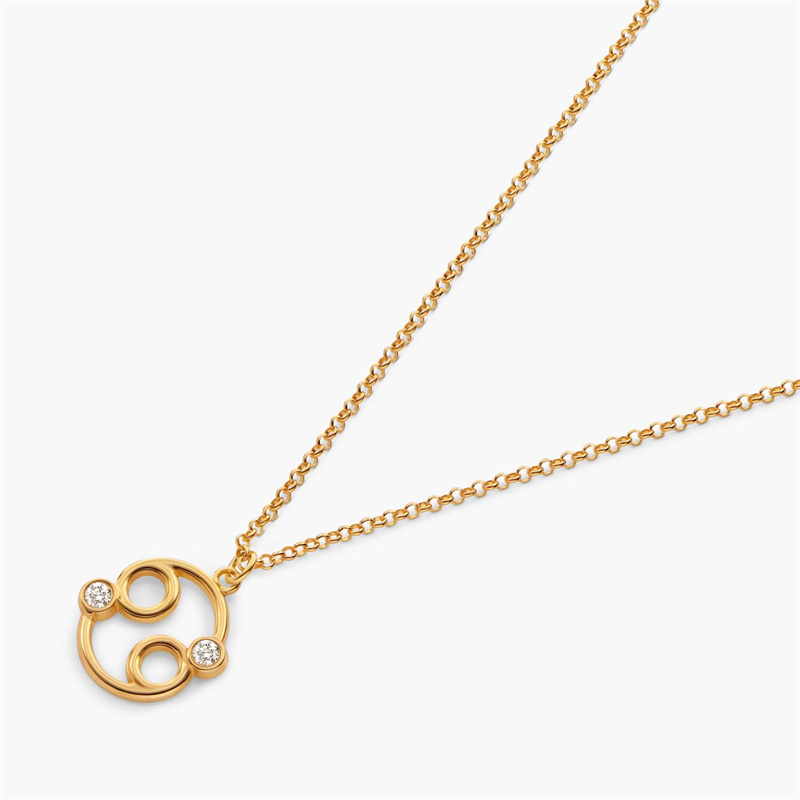
In this article, we will explore the various materials that can be used for custom pendant necklaces, providing insight into their benefits, drawbacks, and the best scenarios for each type. From metals and gemstones to more unconventional options like wood or glass, understanding these materials is essential for creating a piece that is both beautiful and meaningful.
1. Metals: The Foundation of Custom Pendants
1.1 Gold
Gold is undoubtedly one of the most popular choices for custom pendant necklaces. Its timeless appeal, malleability, and lustrous shine make it a top contender for those seeking elegance and sophistication.
- Types of Gold:
- Yellow Gold: Classic and rich, yellow gold has been a staple in jewelry-making for centuries. It is often associated with luxury and high-end fashion.
- White Gold: Known for its silvery-white appearance, white gold offers a more modern, sleek look. It is often coated with rhodium to enhance its shine and durability.
- Rose Gold: A trendy choice in recent years, rose gold offers a romantic, warm hue that makes it perfect for sentimental pieces.
- Advantages:
- Durability: Gold is highly resistant to tarnishing and corrosion, making it a long-lasting choice.
- Hypoallergenic: Pure gold is unlikely to cause allergic reactions, making it suitable for people with sensitive skin.
- Customizability: Gold is easy to work with, allowing artisans to create intricate designs.
- Drawbacks:
- Price: Gold is one of the more expensive materials, especially in its purest form.
- Softness: While gold is durable, it can be relatively soft compared to other metals, especially in its 24K form. This means it may be prone to scratching.
1.2 Silver
Silver, another precious metal, is a popular choice for custom pendant necklaces due to its affordability and versatility.
- Types of Silver:
- Sterling Silver: The most common type of silver used in jewelry, sterling silver is composed of 92.5% pure silver and 7.5% alloy (usually copper).
- Argentium Silver: A newer, more advanced form of sterling silver that contains a small amount of germanium, making it more resistant to tarnishing.
- Advantages:
- Affordability: Silver is generally more affordable than gold, making it an excellent choice for budget-conscious buyers.
- Versatility: Silver has a neutral tone that complements a wide variety of gemstones and design styles.
- Durability: Sterling silver is relatively strong and resistant to wear, though it may tarnish over time.
- Drawbacks:
- Tarnishing: Silver tends to tarnish when exposed to air and moisture, so it may require regular cleaning and maintenance.
- Softness: Like gold, silver can be relatively soft, which means it may scratch more easily than harder metals.
1.3 Platinum
Platinum is one of the most durable and valuable metals used in custom pendant necklaces.
- Advantages:
- Durability: Platinum is extremely strong and resistant to tarnishing, making it an excellent choice for everyday wear.
- Lustrous Appearance: Platinum has a naturally white and shiny finish that doesn’t require rhodium plating like white gold.
- Hypoallergenic: Platinum is hypoallergenic, making it ideal for those with sensitive skin.
- Drawbacks:
- Cost: Platinum is one of the most expensive metals available, which may make it less accessible for some buyers.
- Weight: Platinum is much heavier than gold or silver, which may not be suitable for all styles or preferences.
1.4 Other Metals
While gold, silver, and platinum are the most common metals used in custom pendants, there are other options worth considering:
- Titanium: Known for its strength and lightweight properties, titanium is an excellent choice for those seeking a durable and modern pendant. It’s also hypoallergenic.
- Stainless Steel: A more affordable alternative to platinum or gold, stainless steel is highly resistant to tarnishing and corrosion.
- Copper: Often used for bohemian-style or rustic pendants, copper has a warm reddish tone and is relatively easy to work with. However, it may tarnish over time and can cause skin reactions in some people.
2. Gemstones: Adding Color and Meaning
Gemstones can transform a simple pendant into something truly special. They can be chosen for their beauty, symbolism, or healing properties, adding depth to the necklace.
2.1 Popular Gemstones for Pendants
- Diamonds: As one of the hardest substances on earth, diamonds are perfect for a pendant that will withstand daily wear. Their sparkle and rarity make them a symbol of luxury and permanence.
- Sapphires: Known for their deep blue color, sapphires are often associated with wisdom and loyalty. They are durable and come in a range of colors, making them versatile for any design.
- Emeralds: Known for their rich green color, emeralds symbolize rebirth and growth. They add a touch of elegance to any pendant.
- Rubies: With their fiery red hue, rubies symbolize passion and energy. They are durable and add a bold statement to a custom pendant.
- Opals: Opals are unique because they reflect a range of colors, making them a dynamic choice for custom pendants. They are associated with creativity and inspiration.
2.2 Other Gemstones and Materials
- Amethyst: This purple gemstone is often associated with calm and healing properties.
- Turquoise: Popular in boho and southwestern jewelry, turquoise has a vibrant blue-green color and is often associated with protection and healing.
- Pearls: While technically not a gemstone, pearls are a classic choice for pendants. Their smooth, lustrous appearance adds a touch of sophistication.
2.3 Considerations for Choosing Gemstones
When choosing a gemstone for a custom pendant, there are several factors to consider:
- Hardness: Harder gemstones like diamonds and sapphires are more durable and resistant to scratches.
- Color and Clarity: The color and clarity of the gemstone will affect its appearance. Choose a stone that complements the design and metal of the pendant.
- Symbolism: Many people choose gemstones based on their meaning or symbolism, such as birthstones or stones that represent personal qualities.
3. Alternative Materials: Unique Choices for Creative Pendants
While precious metals and gemstones are popular choices, there are also many alternative materials that can give a custom pendant a unique touch.
3.1 Wood
Wooden pendants have become increasingly popular for their natural, earthy look. Available in various types like maple, oak, or bamboo, wood can be carved and shaped into intricate designs. It’s lightweight, customizable, and eco-friendly.
3.2 Glass
Glass pendants offer a beautiful, modern aesthetic. They can be clear, frosted, or colored, and often feature intricate designs or patterns. Glass is a versatile material that can be used in many creative ways.
3.3 Resin
Resin is a synthetic material that can encapsulate almost anything, including flowers, shells, or tiny objects, making it a great choice for personalized pendants. It can be shaped into almost any form and comes in many colors and finishes.
3.4 Leather
For a more rustic or casual look, leather can be used in custom pendants. Leather cords or pendants with metal clasps or accents offer a more bohemian or rugged style.
Conclusion
Choosing the right material for a custom pendant necklace is a personal decision that should be based on a variety of factors, including durability, appearance, cost, and meaning. Whether you choose a precious metal like gold or platinum, a colorful gemstone, or a unique alternative material like wood or glass, the material you select will play a major role in defining the overall look and feel of the pendant. By understanding the properties and characteristics of each material, you can make an informed decision that results in a custom pendant necklace that is not only beautiful but also meaningful and lasting.