JINGYING : Kali Tennis Bracelet Custom Girls Jewelry Factory
JINGYING : Kali Tennis Bracelet Custom Girls Jewelry Factory
LET’S GET STARTED : mo@kingjy.com
JINGYING: The Art and Engineering of Custom Jewelry Manufacturing for the Modern Girl
In the intricate world of jewelry manufacturing, where precision meets artistry, JINGYING stands as a testament to the power of specialization. As a factory that has spent over two decades perfecting its craft, the company represents the convergence of traditional jewelry-making techniques with modern OEM/ODM capabilities . This essay explores the multifaceted operations of JINGYING, with particular focus on its signature product—the Kali tennis bracelet for girls—examining the technical processes, customization frameworks, and market positioning that define this manufacturer’s place in the global jewelry ecosystem.
The Foundation of Excellence: 23 Years of Craftsmanship
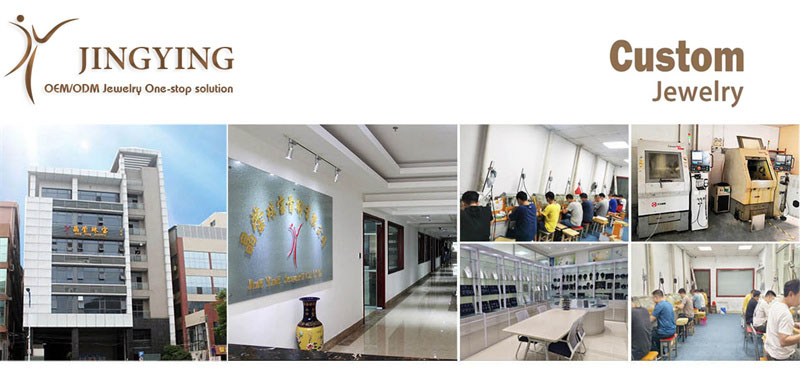
For more than two decades, JINGYING Jewelry has established itself as a one-stop solution for brand jewelers seeking OEM/ODM services . This longevity in the industry is not merely a testament to survival but to adaptation and mastery. The company has navigated the shifting tides of fashion trends, material innovations, and manufacturing technologies while maintaining its core commitment to quality. This experience manifests in the factory’s ability to transform a client’s thoughts, photographs, or CAD designs into finished jewelry collections that meet exacting standards .
The factory’s production capabilities span a comprehensive range of jewelry categories, with particular expertise in rings, necklaces, pendants, earrings, bracelets, and pearl jewelry. However, within this diverse portfolio, the tennis bracelet—and specifically, the Kali line for girls—has emerged as a signature offering that showcases the factory’s technical sophistication and design sensitivity.
Understanding the Kali Tennis Bracelet
The term “tennis bracelet” carries a fascinating history that adds cultural weight to JINGYING’s production. The name originated in 1987 when tennis champion Chris Evert’s diamond bracelet fell off during a match, causing a pause in the game . This moment transformed the simple line bracelet into a cultural icon, with its symmetrical row of gemstones becoming synonymous with elegance and understated luxury.
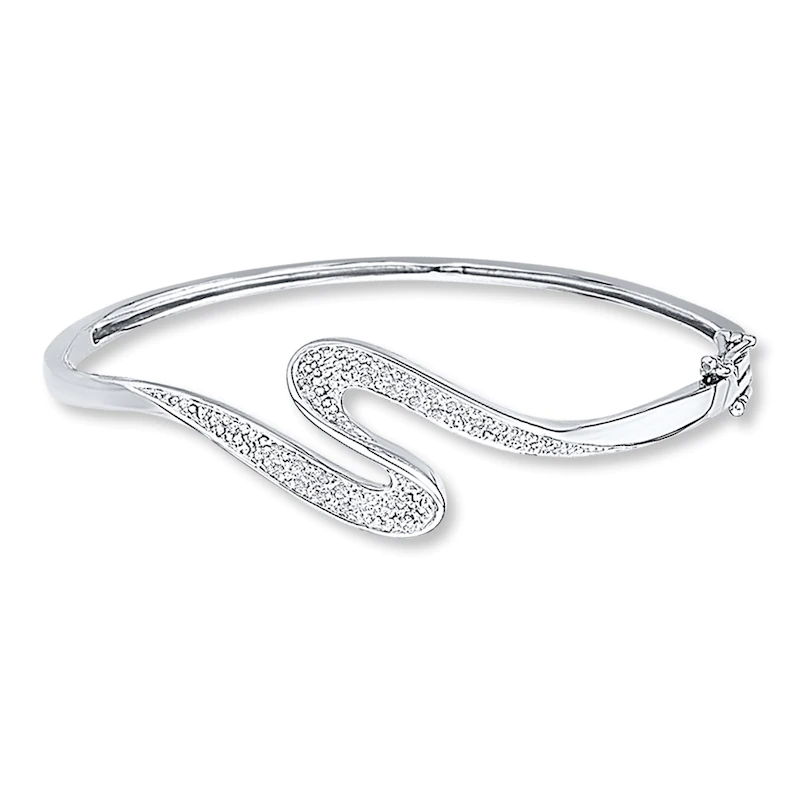
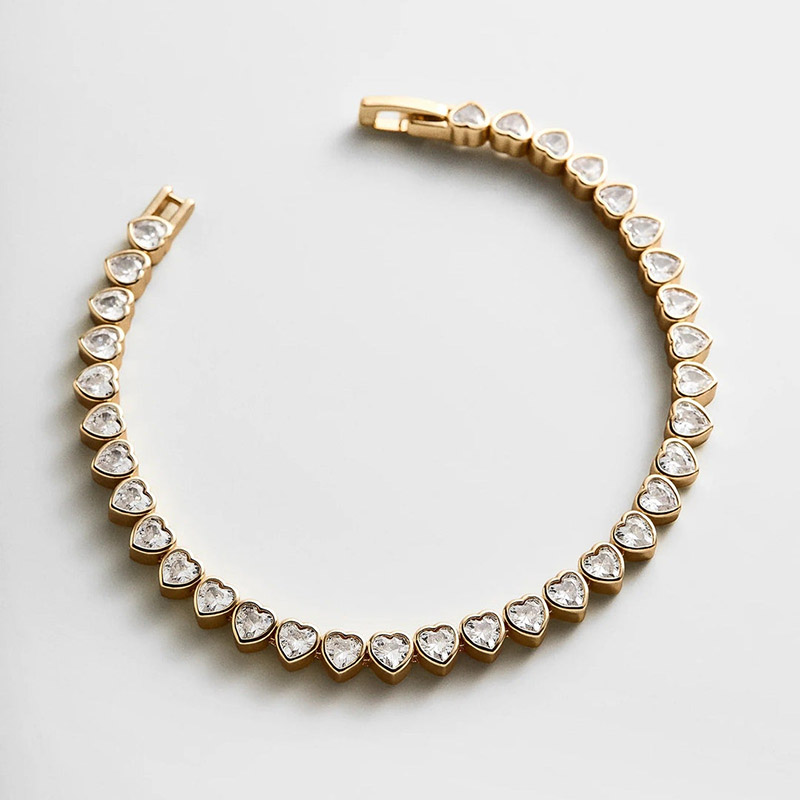
JINGYING’s Kali tennis bracelet for girls represents a thoughtful reimagining of this classic form. The name “Kali” evokes strength and femininity, suggesting a piece designed for the modern girl who moves through the world with confidence. The bracelet features the characteristic line of gemstones that defines the tennis bracelet style, set in precious metal that ensures both durability and aesthetic appeal.
The manufacturing process for these bracelets draws upon multiple production techniques that have been refined over the factory’s history. Each link in the tennis bracelet must be meticulously crafted and connected to ensure the bracelet sits comfortably on the wrist while maintaining the visual integrity of a continuous line of stones. This requires precision in metalwork, stone setting, and assembly that few factories can achieve at scale.
Materials and Technical Specifications
The foundation of any quality tennis bracelet lies in the materials selected for its construction. JINGYING offers multiple metal options to accommodate different market segments and price points. Sterling silver (925 silver) serves as the most common base, consisting of 92.5% pure silver alloyed with 7.5% copper for enhanced durability . This alloy provides the strength needed for everyday wear while maintaining the bright, white appearance that makes silver jewelry so appealing.
For clients requiring a more luxurious feel, the factory also offers copper gold-plated options and solid gold alternatives . The gold-plating process involves depositing a layer of real gold onto the base metal, creating the appearance of fine jewelry at a more accessible price point. JINGYING emphasizes the importance of long-lasting plating, achieved through careful electroplating processes and quality control measures that ensure the gold layer resists wear and tarnishing.
The gemstones set into the Kali tennis bracelet represent another crucial aspect of the product’s appeal. Cubic zirconia (CZ) is the most common choice, offering the brilliance of diamonds at a fraction of the cost . These lab-created stones can be produced with remarkable consistency, ensuring that every bracelet displays a uniform line of sparkling gems. For higher-end clients, the factory also works with lab-grown diamonds and other simulants that offer greater durability and optical performance.
Stone sizes typically range from 1.5mm to 5mm, with the Kali bracelet designed to showcase stones that catch light with every movement . The setting techniques employed—whether prong, bezel, or channel—determine how securely each stone is held and how much light can pass through it. JINGYING’s expertise in these various setting methods allows the factory to produce bracelets that meet different aesthetic and durability requirements.
The OEM/ODM Framework: Customization as Core Competency
JINGYING’s business model revolves around its ability to offer both OEM and ODM services, serving distinct market needs. In the OEM (Original Equipment Manufacturing) model, clients provide existing designs, CAD files, or samples for production . The factory then replicates these designs with any requested modifications—whether changes to metal type, stone selection, or size specifications. This approach is ideal for established brands with proprietary designs who need a manufacturing partner capable of executing their vision with precision.
The ODM (Original Design Manufacturing) model represents a different value proposition. Here, JINGYING offers pre-designed models that brands can customize with their own logos, choice of materials, and packaging . This approach benefits startups and retailers who may lack in-house design capabilities but want to offer distinctive jewelry under their own brand names. The Kali tennis bracelet may be offered as an ODM product, allowing different brands to carry the same high-quality bracelet while differentiating through branding and presentation.
The customization process typically follows a structured workflow. It begins with consultation, where the client’s needs are clarified and initial concepts are developed. This is followed by CAD modeling, where the design is rendered in three dimensions for client approval . Once the design is finalized, prototypes are created—often using wax or resin—to verify the design’s viability before mass production begins. This iterative process ensures that the final product matches the client’s expectations and that any potential issues are identified early.
The prototyping stage is particularly important for tennis bracelets, where the interplay between links, settings, and clasp mechanisms must be precisely coordinated. A poorly designed tennis bracelet can twist on the wrist, catch on clothing, or have stones fall out. JINGYING’s experience in producing these pieces allows the factory to anticipate and resolve such issues during the prototyping phase.
Manufacturing Processes: From Raw Material to Finished Bracelet
The production of a tennis bracelet involves multiple sophisticated processes that must be executed with care. The first stage is casting, where the metal components are formed. For sterling silver bracelets, the investment casting process is typically employed. This begins with creating a wax model of the bracelet, which is then encased in plaster. When the plaster hardens, it is heated to melt out the wax, leaving a mold that can be filled with molten silver . After cooling, the plaster is broken away to reveal the rough casting.
For tennis bracelets, the casting process must account for the multiple links that will be connected to form the flexible chain. Each link is cast as a separate piece, with small connecting loops that will allow the links to be joined. This modular approach gives the bracelet its characteristic flexibility, allowing it to conform to the wrist while maintaining the continuous line of stones.
Following casting, the components undergo forming and assembly. The individual links are filed and polished to remove any imperfections from the casting process, then connected together using small hinges or soldering . The clasp mechanism is attached at this stage, with lobster clasps being the most common choice for their security and ease of use. For the Kali bracelet, the clasp is designed to be both functional and aesthetically pleasing, maintaining the bracelet’s elegant appearance.
Stone setting is perhaps the most demanding phase of production. Each stone must be carefully positioned and secured in its setting to ensure it remains in place during wear while maximizing its brilliance. Prong setting—where small metal claws hold each stone—is common for tennis bracelets, as it allows maximum light to enter the stones . This technique requires extraordinary precision, as any misalignment in the prongs can lead to stones falling out or an uneven appearance.
The final stages of production involve finishing and quality control. The bracelet is polished to achieve a mirror finish, then cleaned ultrasonically to remove any residues from the manufacturing process . Each bracelet undergoes inspection to verify metal purity, check stone alignment, ensure clasp functionality, and test plating durability. This rigorous quality control process is essential for maintaining the factory’s reputation for producing jewelry that stands up to daily wear.
Quality and Durability: The JINGYING Difference
JINGYING distinguishes itself through its unwavering focus on quality and durability. The factory’s marketing emphasizes that its sterling silver jewelry will “NOT turn green”—a common concern with lower-quality silver products . This confidence stems from careful material selection and rigorous plating processes. Sterling silver naturally tarnishes over time, but proper rhodium plating can prevent this, and JINGYING’s plating processes are designed to be long-lasting.
The factory’s quality control procedures are comprehensive. Metal purity is verified using XRF analyzers that confirm the 925 silver standard . Stone alignment is checked carefully, with any gaps or misplacements identified and corrected. Clasps are tested for security, ensuring that the bracelet will stay securely on the wrist. Plating durability is assessed through tests that simulate regular wear.
These quality measures are particularly important for the Kali tennis bracelet, which is designed for daily wear. Girls who wear these bracelets should not have to worry about stones falling out, the bracelet breaking, or the metal tarnishing. JINGYING’s commitment to quality ensures that the bracelets can withstand the active lifestyle of modern girls while maintaining their beauty.
Packaging and Presentation: The Complete Experience
JINGYING recognizes that the packaging is as important as the product itself. The factory offers comprehensive packaging options that allow brands to create a complete customer experience . From eco-friendly boxes in velvet or leather to custom-branded packaging with logos and certificates of authenticity, the presentation can be tailored to match the brand’s identity.
This attention to packaging is particularly important for the Kali tennis bracelet, which is often purchased as a gift. A beautiful bracelet presented in a luxurious box creates an emotional connection that enhances the value of the jewelry. For brands working with JINGYING, the ability to customize packaging ensures consistency in their brand experience from product to customer.
Conclusion
JINGYING’s position as a leading custom jewelry manufacturer is built on a foundation of technical expertise, quality commitment, and customer-centric service. The Kali tennis bracelet for girls exemplifies the company’s ability to merge classic design with modern manufacturing capabilities, creating pieces that combine beauty with durability.
The factory’s 23 years of experience have taught it the value of precision—in metalworking, stone setting, and customer service. The technical processes involved in creating tennis bracelets—casting, assembly, stone setting, finishing—are executed with a level of care that ensures each bracelet meets rigorous standards. The customization capabilities offered through OEM and ODM services allow brands to differentiate themselves while benefiting from JINGYING’s manufacturing expertise.
For global buyers seeking a partner in jewelry production, JINGYING offers the complete package: technical skill, quality assurance, customization flexibility, and packaging expertise. The Kali tennis bracelet serves as a showcase for these capabilities, representing the best of what the factory can achieve when artistry meets engineering.