Custom Premium Gold & Silver Jewelry Manufacturer OEM ODM Sterling Silver Hoop Earrings
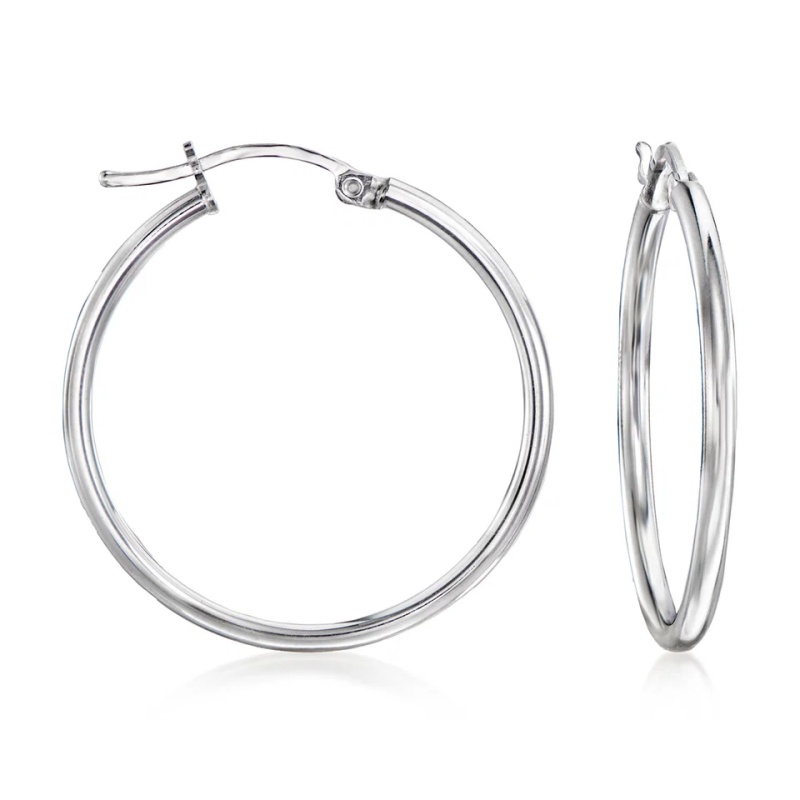
Custom Premium Gold & Silver Jewelry Manufacturer OEM ODM Sterling Silver Hoop Earrings
LET’S GET STARTED : mo@kingjy.com
How to Custom Premium Gold & Silver Jewelry Sterling Silver Hoop Earrings
Custom hoop earrings represent one of the most rewarding projects in fine jewelry. Whether you are a brand owner developing a signature collection, a designer bringing a personal vision to life, or an individual seeking a one-of-a-kind pair, understanding the materials, processes, and decisions involved transforms the experience from intimidating to empowering. This guide walks through every stage of customizing premium gold and sterling silver hoop earrings, from initial concept to finished piece.
Understanding Your Material Options
The foundation of any custom earring project begins with metal selection. Sterling silver and gold are the two most common choices, but each category contains important distinctions that affect durability, appearance, cost, and wearability.
Sterling silver is defined as an alloy containing 92.5% pure silver and 7.5% other metals, typically copper. This composition gives sterling silver the strength necessary for everyday jewelry while preserving the bright, white luster that makes silver so appealing. Pure silver alone would be too soft for hoop earrings, which endure constant movement and contact with skin and hair. Sterling silver’s malleability also makes it ideal for detailed craftsmanship, allowing artisans to create intricate textures, precise curves, and fine wirework. The trade-off is that sterling silver can tarnish over time and may scratch with regular wear, requiring occasional polishing to maintain its shine.
Gold offers a different set of advantages. For custom earrings, solid 14K or 18K gold provides superior durability and resistance to tarnish, along with a warmth of color that flatters most skin tones. However, pure 24K gold is far too soft for structural earring components; it is the alloyed forms—14K (58.5% gold), 18K (75% gold), and other caratages—that deliver the necessary hardness. For those seeking the look of gold at a more accessible price point, gold vermeil presents an excellent middle ground. Vermeil is composed of a solid sterling silver base coated with a thick layer of gold—legally required to be at least 2.5 microns in most jurisdictions, though quality makers often apply 3 microns or more. This thickness is roughly five times that of standard gold plating, making vermeil substantially more durable and suitable for regular wear.
The choice between these materials ultimately depends on your priorities. Sterling silver offers affordability, brightness, and design flexibility. Solid gold delivers longevity and prestige. Gold vermeil balances the two, providing the warmth of gold over a reliable sterling silver foundation.
The Custom Design Process: From Concept to Approval
Creating a custom pair of hoop earrings follows a structured journey that ensures the final piece matches your vision. The process typically unfolds across several distinct stages.
Consultation and Brief Development. Every great piece begins with a conversation. During this initial stage, you share your inspiration—whether that is a sketch, a photograph, a mood board, or simply a description of the feeling you want the earrings to evoke. Designers draw inspiration from diverse sources: architectural lines, natural forms, vintage jewelry, or personal milestones. This is also the moment to discuss practical considerations such as intended wear frequency, budget parameters, and any metal sensitivities. A clear brief at this stage prevents costly revisions later.
Design Development and Material Selection. Once the brief is established, the designer translates ideas into preliminary sketches. At this point, you will also finalize your metal choice. For hoop earrings specifically, sterling silver and gold vermeil are the most popular options, though solid gold is available for higher-end projects. You may also select finishes—high polish, matte, brushed, or oxidized—each of which dramatically changes the character of the final piece.
Sketch Approval and Technical Specification. Before any metal is cut or cast, you review detailed design sketches. These renderings show proportions, closure mechanisms, surface treatment, and any decorative elements. You have the opportunity to request changes—adjusting the hoop diameter, the wire thickness, or the placement of a texture—until the design is exactly right. Only after your approval does the project move into production.
Production and Crafting. With the design locked in, skilled artisans begin the manufacturing process. This stage varies depending on whether the earrings are fabricated by hand or produced through casting, and it is where the real craftsmanship becomes visible.
Manufacturing Techniques for Hoop Earrings
The method used to produce your custom hoops significantly affects their character, cost, and production timeline. Two primary approaches dominate fine jewelry manufacturing: hand fabrication and lost-wax casting.
Hand fabrication is the traditional approach. For hoop earrings, this typically involves selecting sterling silver wire or tubing in the desired gauge, shaping it around a mandrel or triblet to form the circular profile, cutting and soldering the join, and then finishing the surface through filing, sanding, and polishing. Hand-fabricated hoops carry the subtle variations that distinguish artisan work; no two pieces are perfectly identical, and this individuality is often precisely what clients seek. This method is particularly well suited to simple, elegant hoops where the quality of the metal and the precision of the form are the primary features.
Lost-wax casting, by contrast, is the method of choice for more complex or repeatable designs. The process begins with a CAD (computer-aided design) model, which is then 3D-printed in wax. Multiple wax models are attached to a central “tree” and encased in a plaster-like investment material. Once the investment hardens, the wax is melted out, leaving hollow cavities that are filled with molten precious metal. After cooling, each casting is separated from the tree, cleaned, and finished. Modern casting services can work with a wide range of precious metals including 100% recycled gold and sterling silver, and the process offers excellent precision for intricate textures or repeating patterns.
For gold vermeil hoops, an additional plating stage follows casting or fabrication. Quality manufacturers employ a two-step plating process: first applying a thick layer of fine silver to smooth the surface, then depositing the gold layer to the specified thickness—typically 2.5 to 3 microns. This dual-layer approach ensures a smooth, even gold surface that adheres durably to the sterling silver beneath.
Personalization and Design Details
What transforms a well-made hoop earring into a truly custom piece is the layer of personalization applied on top of the foundational design. Several avenues for customization exist, and they can be combined to create a piece that is uniquely yours.
Size and Proportion. Hoop earrings range from tiny “huggies” that sit close to the earlobe to dramatic oversize statements. A universally flattering size for everyday wear is a 25 to 30 mm hoop in 2 mm wire, which covers the vast majority of outfits and occasions. However, custom design allows you to specify exact dimensions to suit your face shape, hair length, and personal style. Larger hoops make a bolder statement, while smaller ones offer understated elegance.
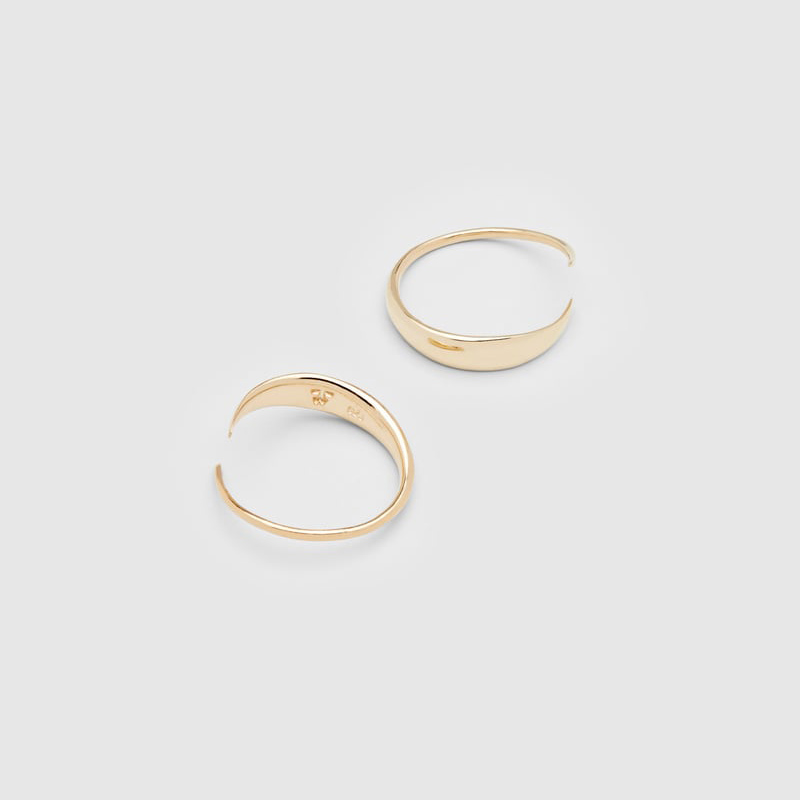
Shape Variations. While the classic circular hoop remains timeless, custom designs increasingly explore alternative geometries. Elongated ovals, soft geometric forms, and asymmetrical silhouettes are gaining traction in contemporary jewelry design. A skilled designer can adapt the hoop profile to complement your features—an oval hoop, for instance, can create a lengthening effect, while a triangular form adds architectural interest.
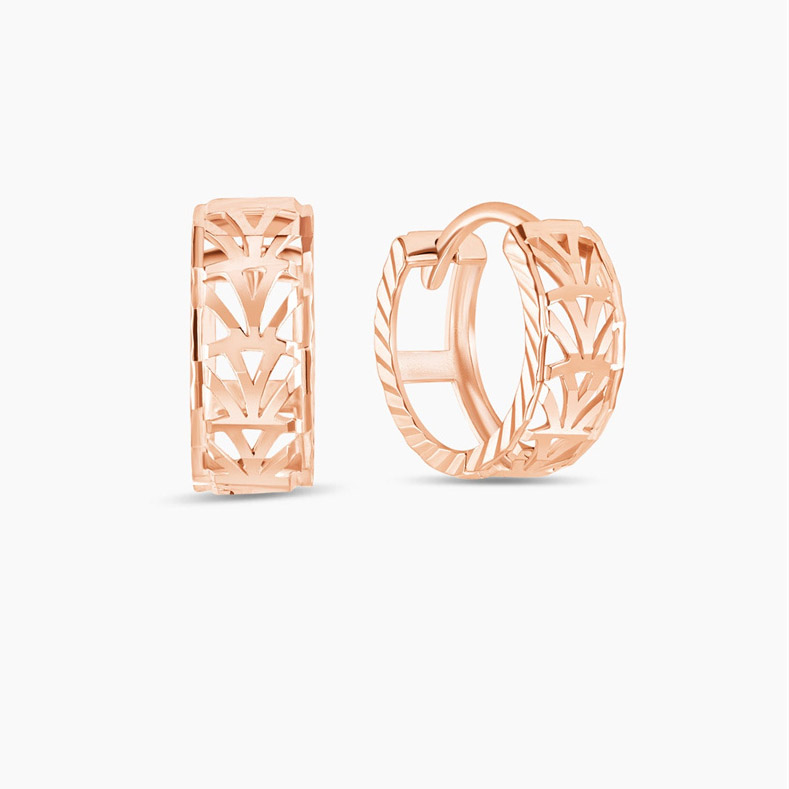
Surface Finish and Texture. The finish applied to your earrings fundamentally changes their character. High polish creates a mirror-like shine that catches light from every angle. A brushed or satin finish offers a softer, more understated elegance. Hammered textures add organic warmth and conceal minor scratches that accumulate with wear. Oxidation, achieved by chemically darkening the recessed areas of a textured surface, creates dramatic contrast and depth.
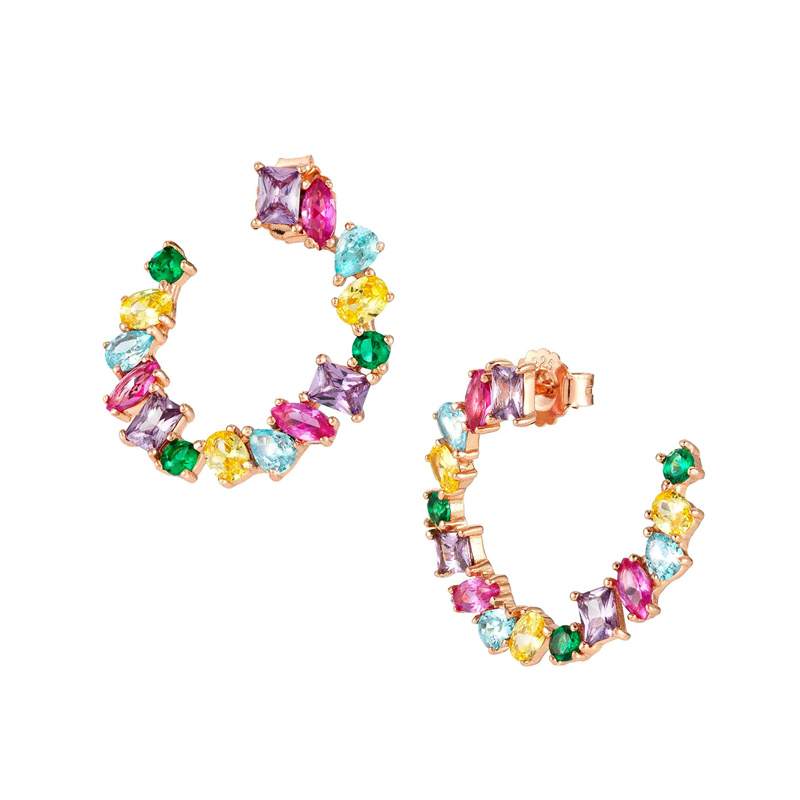
Engraving and Stone Setting. Personal inscriptions—initials, dates, coordinates, or short phrases—can be engraved on the inner or outer surface of the hoop. Stone setting, whether flush-set diamonds or bezel-set gemstones, adds another dimension of luxury. For hoop earrings, the most practical stone placements are on the front-facing surface or as small accents near the closure.
Closure Mechanisms. The closure of a hoop earring affects both security and comfort. Common options include the hinged snap closure, the post-and-nut style, and the lever-back. For custom pieces, the choice of closure should align with the weight of the earring and the wearer’s dexterity preferences.
Quality Standards and Hallmarking
Any custom piece made from precious metals should bear a hallmark—an official stamp indicating the metal’s purity and origin. Hallmarking is not merely a nicety; in many jurisdictions, it is a legal requirement. In the United Kingdom, for example, the Hallmarking Act of 1973 makes it an offence to describe an item as being made of gold or silver if it does not bear a recognized hallmark. Threshold weights apply: silver items over 7.78 grams and gold items over 1 gram require hallmarking.
For sterling silver, the hallmark typically includes the number 925, indicating 92.5% purity. Gold hallmarks indicate the caratage: 375 for 9K, 585 for 14K, 750 for 18K, and 916 for 22K. These marks provide assurance of material quality and are essential for resale value and consumer confidence.
When commissioning custom earrings, confirm that your maker will arrange for independent assay and hallmarking. Reputable casting services often partner with assay offices to offer this as part of their standard process, saving time and ensuring compliance.
Pricing Custom Hoop Earrings
Understanding how custom jewelry is priced helps you make informed decisions and avoid surprises. The retail price of a custom piece is generally calculated using a formula that accounts for materials, labor, overhead, and a markup multiplier. A common approach is: Retail Price = (Materials + Labor + Overhead) × Markup, where the markup typically ranges from 2.5× to 4× the total production cost.
Materials costs vary widely. Sterling silver is the most affordable precious metal option, while 18K gold commands a significant premium. Gold vermeil sits between the two, offering the appearance of gold at a fraction of the material cost. Labor costs depend on complexity: simple hand-fabricated hoops require fewer hours than cast designs with intricate textures or stone settings. Skilled jewelry labor rates typically range from $25 to $75 per hour.
Design fees are also a consideration. Many jewelers charge separately for CAD modeling and design consultation—often a flat fee that covers initial concept development, revisions, and a wax or resin model. When comparing quotes from different makers, ensure you understand what is included: some bundle design fees into the final price, while others charge them upfront regardless of whether the project proceeds.
Navigating 2026 Trends in Hoop Earring Design
Staying attuned to current trends can inform your customization choices and ensure your earrings feel contemporary. The 2026 jewelry landscape reveals several directions relevant to hoop design.
Minimalism remains influential, but with an emphasis on intentional geometry rather than mere simplicity. Sleek, precisely formed hoops with clean lines continue to appeal to those who value versatility. However, sculptural statements are gaining momentum: designs that resemble wearable art, with molten shapes, twisted wirework, and organic yet architectural forms. The “soft geometry” trend favors curves and ovals that follow the natural contours of the face, often rendered in high-polish finishes.
Mixed-metal and reversible designs offer practical versatility. A pair that presents silver on one side and gold vermeil on the other allows the wearer to shift between cool and warm tones without owning two separate pairs. Larger hoops are trending over smaller ones in fashion-forward circles, though the classic medium-sized hoop remains the safest investment for long-term wear.
Ultimately, the most important trend is authenticity—choosing designs that feel genuinely aligned with the wearer’s style and story. A custom piece should not chase trends but should incorporate elements that will remain meaningful over time.
Marketing and Selling Custom Hoop Earrings
For brand owners and independent designers, understanding how to communicate the value of custom work is essential. Digital marketing strategies for custom jewelry should emphasize education and craftsmanship. Websites optimized with location-aware keywords such as “custom hoop earrings,” “bespoke gold earrings,” or “handcrafted sterling silver hoops” improve search visibility among high-intent buyers. High-quality content—blog articles, buying guides, and behind-the-scenes process videos—builds trust and positions the maker as an authority.
Social media platforms, particularly Instagram and Pinterest, are powerful channels for showcasing custom work. Consistent posting of new designs, work-in-progress shots, and customer stories sustains engagement. Responding thoughtfully to comments and hosting live Q&A sessions further strengthens community relationships.
Email marketing remains one of the most reliable tools for nurturing repeat business. Building a subscriber list through newsletter sign-ups and sending segmented messages based on client preferences and purchase history can significantly increase appointment bookings and sales. Perhaps most importantly, social proof—reviews, testimonials, and before-and-after photographs—drives confidence among prospective clients considering a custom commission.
Conclusion
Customizing premium gold and sterling silver hoop earrings is a collaborative process that rewards thoughtful decision-making at every stage. From selecting the right metal alloy to choosing a manufacturing method, specifying design details, and ensuring quality through hallmarking, each choice contributes to the final result. Whether you are creating a personal heirloom or building a collection for clients, the key lies in understanding the materials, communicating clearly with your maker, and investing in the craftsmanship that transforms raw metal into wearable art. With the right approach, a pair of custom hoop earrings becomes far more than an accessory—it becomes a piece that carries meaning, reflects individual style, and endures for years to come.