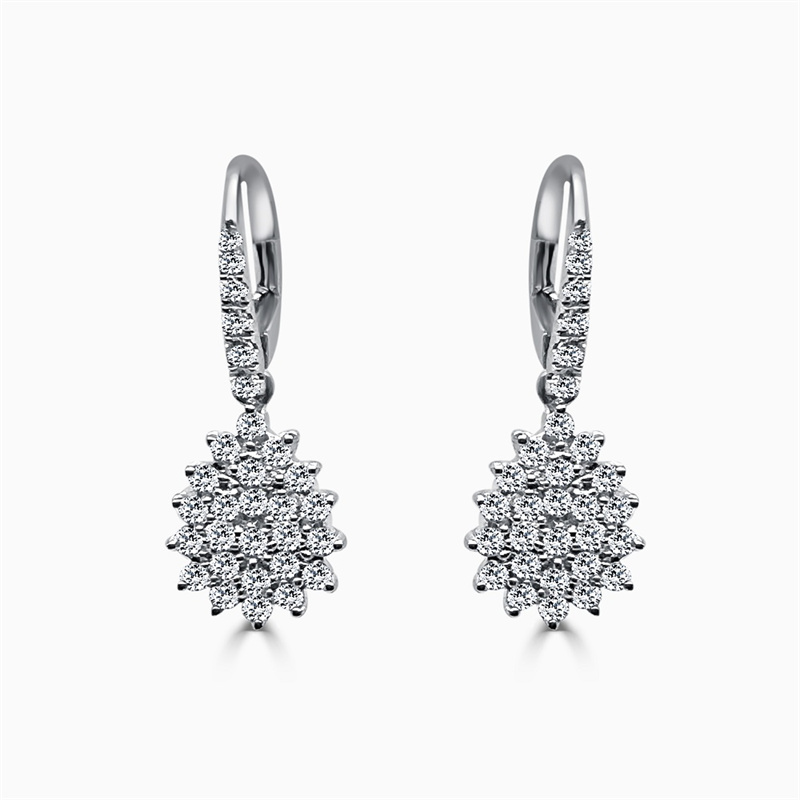
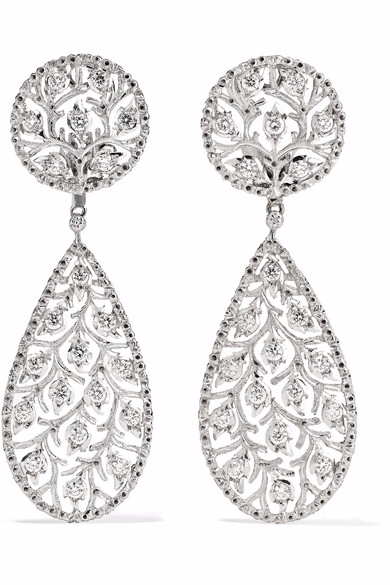
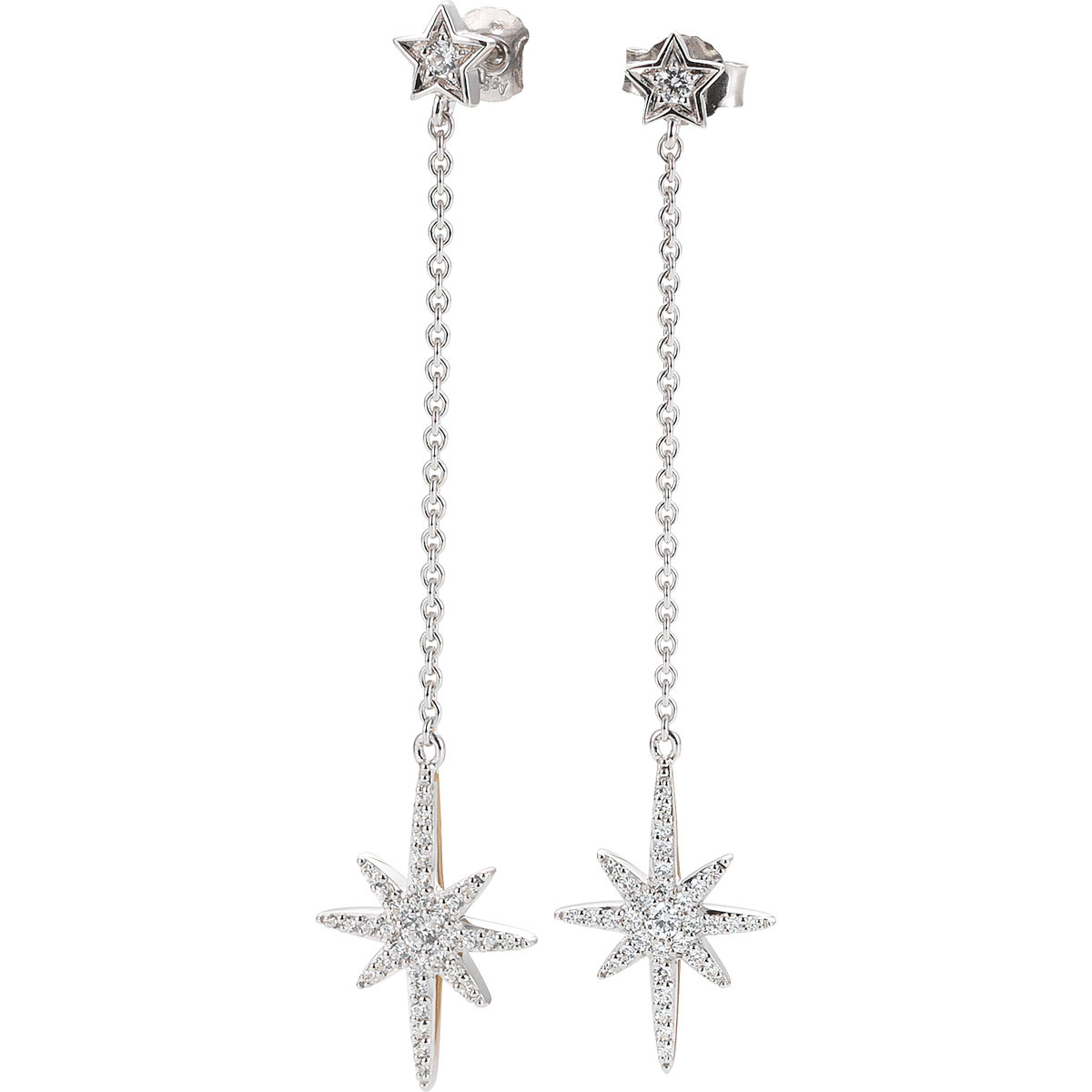
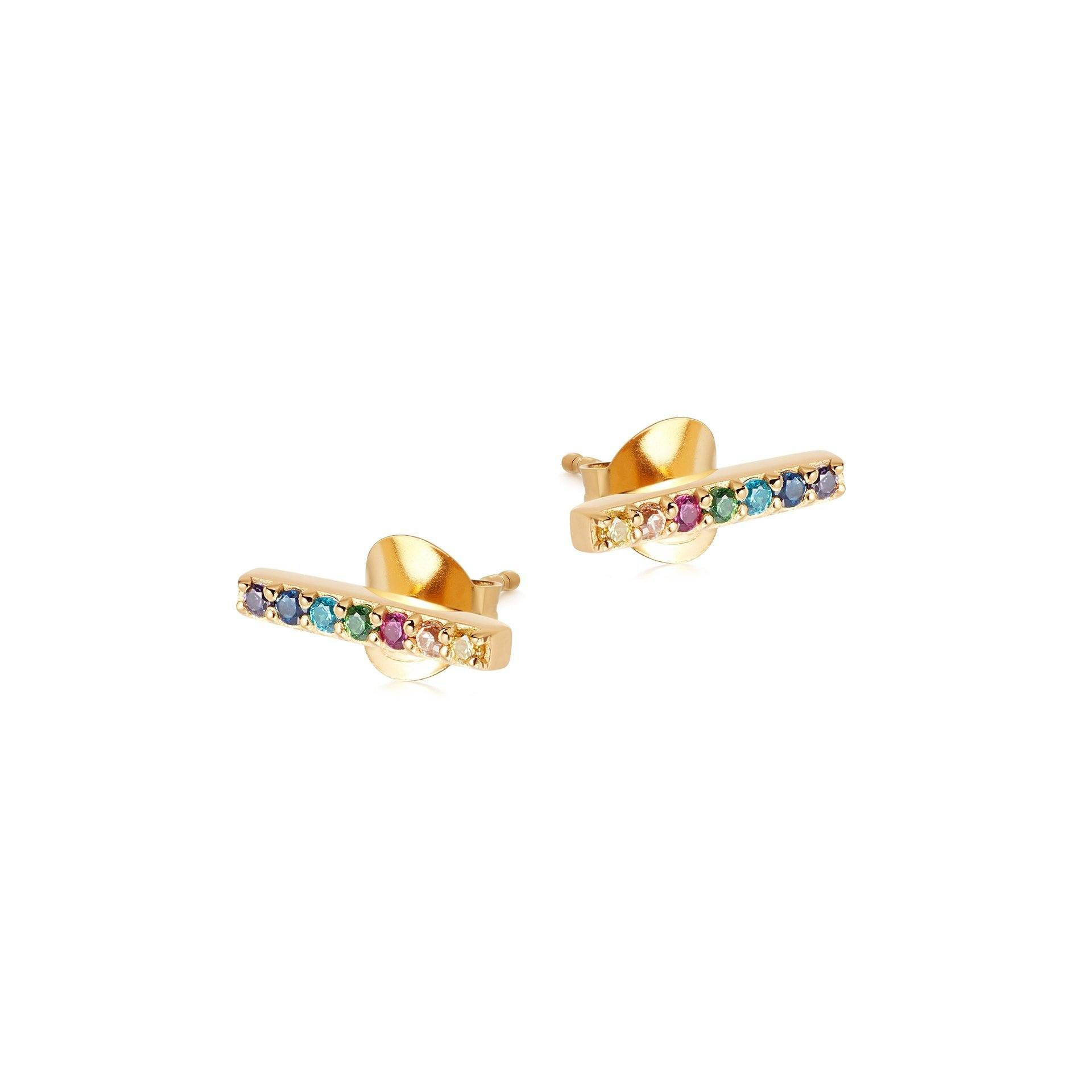
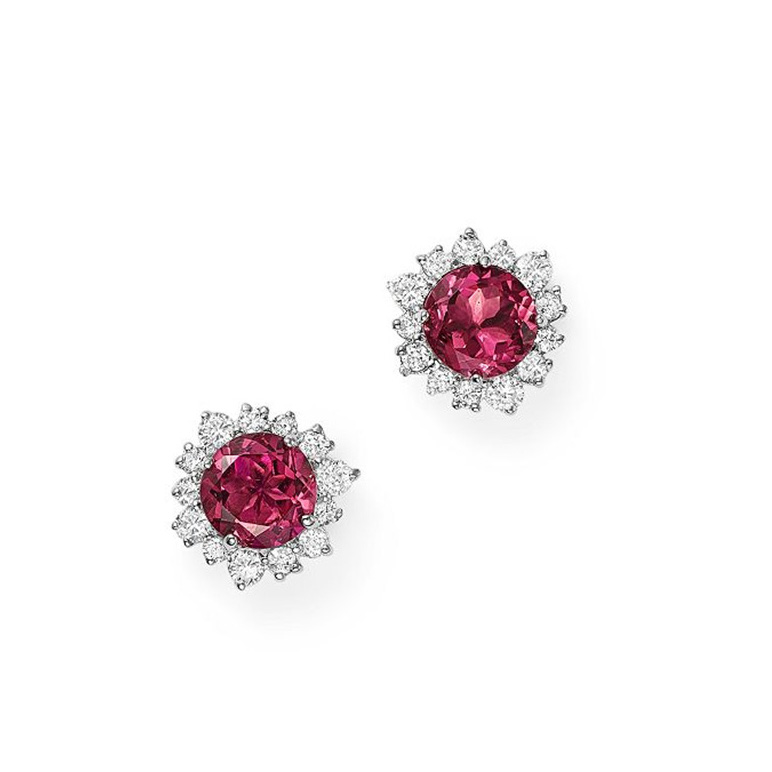
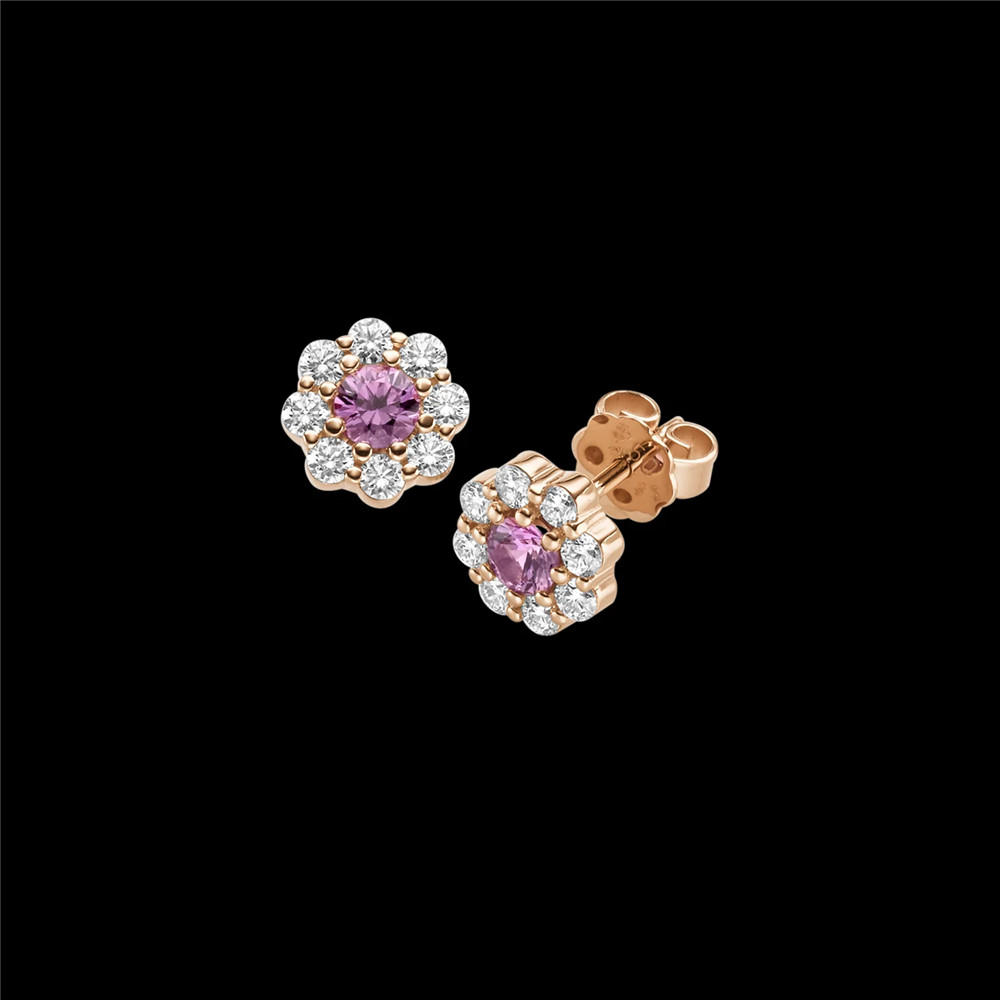
Custom OEM ODM Jewelry Silver and 14kt Gold-Plated Hoop Drop Earrings
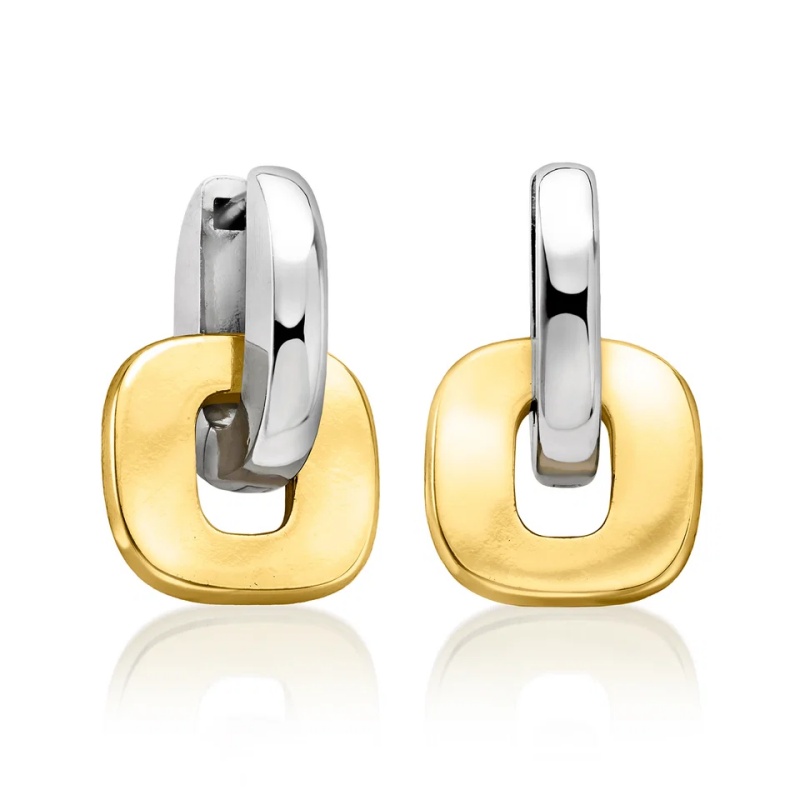
Custom OEM ODM Jewelry Silver and 14kt Gold-Plated Hoop Drop Earrings
LET’S GET STARTED : mo@kingjy.com
How to Custom OEM/ODM Jewelry: Silver and 14kt Gold-Plated Hoop Drop Earrings
Introduction
The global jewelry market has witnessed a significant shift toward customization, with brands and retailers increasingly seeking OEM (Original Equipment Manufacturer) and ODM (Original Design Manufacturer) partnerships to bring their unique visions to life. Among the most sought-after products in this space are silver and 14kt gold-plated hoop drop earrings—versatile, timeless pieces that appeal to a wide range of consumers across North American and European markets. This guide provides a comprehensive walkthrough of the custom jewelry manufacturing process, from initial concept to final delivery, specifically tailored for businesses looking to produce high-quality hoop drop earrings in sterling silver with 14kt gold plating.
Understanding OEM vs. ODM in Jewelry Manufacturing
Before embarking on the customization journey, it is essential to understand the distinction between OEM and ODM services.
OEM (Original Equipment Manufacturer) refers to a manufacturing arrangement where you provide an existing design, sketch, or reference, and the factory produces the jewelry according to your exact specifications—including materials, plating, and quality standards. This model is best suited for established brands with finalized designs or buyers looking to create private label collections.
ODM (Original Design Manufacturer), on the other hand, involves the manufacturer assisting you from concept to finished product. You can either choose from the factory’s existing design library or co-develop new styles with their in-house design team. This approach is ideal for new brands, boutique buyers, or those looking to launch faster with lower development costs.
For hoop drop earrings, both models are viable. The choice depends on whether you already have a specific design in mind or need creative assistance in developing your collection.
Material Selection: The Foundation of Quality
Sterling Silver (925) as the Base Metal
The choice of base material significantly impacts both the quality and cost of your earrings. 925 sterling silver remains the industry standard for premium hoop earrings. It offers a bright luster, classic appeal, and hypoallergenic properties that appeal to sensitive customers.
When sourcing sterling silver, reputable manufacturers source materials from certified suppliers. For instance, some factories partner with LBMA (London Bullion Market Association) certified suppliers to guarantee purity. This certification ensures that the silver meets international standards for quality and ethical sourcing.
14kt Gold Plating: Achieving the Premium Finish
Gold plating involves depositing a layer of 14kt gold onto the sterling silver base through electroplating or PVD (Physical Vapor Deposition) systems. Quality manufacturers typically employ a two-step plating process: first applying a thick silver base layer to ensure surface smoothness, followed by the real gold plating.
Plating thickness is measured in microns—a critical specification that determines durability. High-quality manufacturers can achieve plating thickness up to 3 microns, ensuring the finish can last for years with proper care. For brands targeting the demi-fine jewelry segment, this level of quality is essential for building customer trust and brand reputation.
Additional Material Options
Some manufacturers also offer copper with gold plating or solid gold alternatives for different price points. However, for hoop drop earrings positioned in the mid-to-premium market, 925 sterling silver with 14kt gold plating remains the most popular combination due to its balance of quality, durability, and cost-effectiveness.
The Customization Process: Step by Step
Step 1: Concept Development and Design Brief
The process begins when you bring a design idea, sketch, photo, or CAD file to the manufacturer. For ODM projects, the factory’s design team collaborates with you to refine the vision, creating mood boards and sketches. This stage involves defining key specifications:
- Product type: Hoop drop earrings (various designs available)
- Dimensions: Diameter variations (e.g., 20mm, 25mm, 30mm)
- Finish: High polish, matte, or textured surfaces
- Customization: Brand engravings, unique clasps, or distinctive matte finishes
Step 2: 3D CAD Modeling and Technical Design
Once the concept is approved, the manufacturer creates precise 3D CAD (Computer-Aided Design) digital prototypes. This technology allows for virtual inspection and adjustment before any physical production begins, saving time and resources.
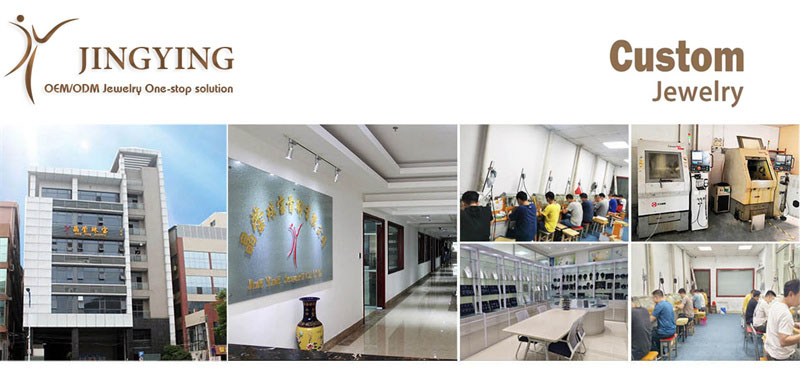
Advanced manufacturers utilize computer-controlled casting, CNC machining for wax models, and programmable furnaces to ensure precision. The 3D modeling stage is crucial for hoop earrings, as it allows designers to verify the structural integrity of hinges, clasps, and the overall weight distribution.
Step 3: Quotation and MOQ Confirmation
Following design finalization, the manufacturer provides a detailed quotation based on material costs, plating requirements, design complexity, and order quantity.
MOQ (Minimum Order Quantity) varies significantly depending on the product material and design complexity. Typical MOQ ranges include:
- Brass and silver jewelry: 100 pieces per design
- Stainless steel jewelry: 200 pieces per design
- Complex casting or stone-setting designs: higher quantities may be required
Some manufacturers offer flexible MOQs for trial orders, enabling brands to test new designs before scaling production.
Step 4: Prototyping and Sample Development
This is one of the most critical stages in the customization process. The manufacturer creates physical samples based on the approved 3D models. For hoop drop earrings, sampling typically involves:
- Wax model creation: Injecting wax into molds to create precise shapes
- Casting: High-temperature heating transforms wax molds into metal goods
- Assembly: Hinges and clasps are hand-soldered for durability
- Polishing: Mirror polish for premium shine; optional matte sandblasting for texture
The first sample is typically delivered within 7-15 business days. Some manufacturers operate under a “Golden Sample” protocol—once the prototype is approved, it becomes the quality benchmark for the entire bulk production.
Step 5: Sample Approval and Revisions
Upon receiving the first sample, you evaluate it for design accuracy, material quality, plating finish, and overall craftsmanship. Revisions may be necessary—adjusting thickness, clasp mechanisms, or engraving depth. This iterative process continues until the sample perfectly matches your vision.
Step 6: Bulk Production
Once the sample is approved, mass production begins. Reputable manufacturers implement multi-stage quality control inspections throughout the production process.
For hoop drop earrings specifically, quality checks typically include:
- XRF Testing: Verifies gold purity and metal composition
- Tension Testing: Ensures hinge strength for daily wear durability
- Microscopic Inspection: Checks for surface defects and plating consistency
- Plating Thickness and Adhesion Checks: Verifies durability and color retention
Standard bulk production lead time ranges from 15 to 30 days, depending on order volume. For larger orders, some manufacturers can complete production in 4-6 weeks after sample approval.
Step 7: Plating and Finishing
The plating process deserves special attention, as it determines the final appearance and longevity of your earrings. Quality manufacturers typically:
- Apply a thick silver base layer: Ensures surface smoothness
- Apply the 14kt gold plating: Using electroplating or PVD systems with precise thickness control
- Monitor color consistency: Technicians ensure uniform gold tone across all pieces
Additional finishing options may include E-coating, Nano-coating, IPG, or PVD finishes to enhance color durability and tarnish resistance.
Step 8: Packaging and Shipping
The final stage involves customized packaging and global shipping. Manufacturers offer various packaging options—from simple OPP bags to branded packaging with private labels. Orders can be shipped via express, air, or sea freight depending on urgency and volume.
Quality Control and Compliance Standards
For brands targeting North American and European markets, compliance with international standards is non-negotiable. Leading manufacturers ensure their products meet:
- REACH compliance: Confirms nickel-free, safe finishes
- RoHS compliance: Restricts hazardous substances
- EN1811 nickel release testing: Verifies low nickel migration for sensitive skin
- Salt Spray Test (240H): Demonstrates corrosion resistance in real-world conditions
Quality control is managed through structured inspection processes: raw material inspection, in-process quality checks, plating thickness verification, and final packaging inspection.
Why Partner with an OEM/ODM Manufacturer?
Choosing the right manufacturing partner is about more than price—it’s about reliability, transparency, and long-term partnership. Benefits of working with established OEM/ODM manufacturers include:
- In-house production control: From design to final packaging, maintaining stable quality across batches
- Competitive pricing: Factory-direct pricing without middlemen
- Scalability: Ability to handle both small trial orders and large-scale production
- Expertise: Years of specialized experience in specific product categories like hoop earrings
Conclusion
Customizing 925 sterling silver hoop drop earrings with 14kt gold plating through OEM/ODM manufacturing is a structured yet flexible process that empowers brands to create unique, high-quality products. From initial concept development and 3D modeling to prototyping, bulk production, and quality control, each stage offers opportunities for customization and refinement.
For brands entering the jewelry market or expanding their collections, partnering with an experienced manufacturer provides the technical expertise, quality assurance, and scalability needed to succeed in competitive markets. Whether you choose OEM for your own designs or ODM for collaborative development, the key lies in selecting a partner committed to craftsmanship, compliance, and consistent quality—ensuring your hoop drop earrings not only meet but exceed customer expectations.