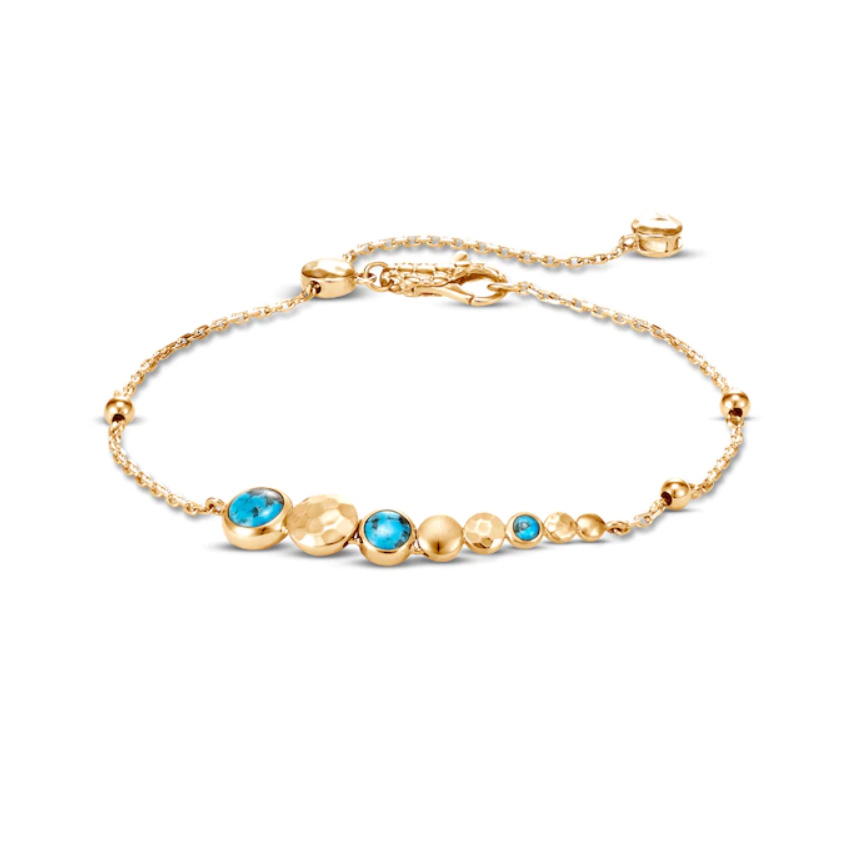
Custom Design Italian Jewelry 10kt Yellow Gold Curb-Link Centerpiece Bracelet
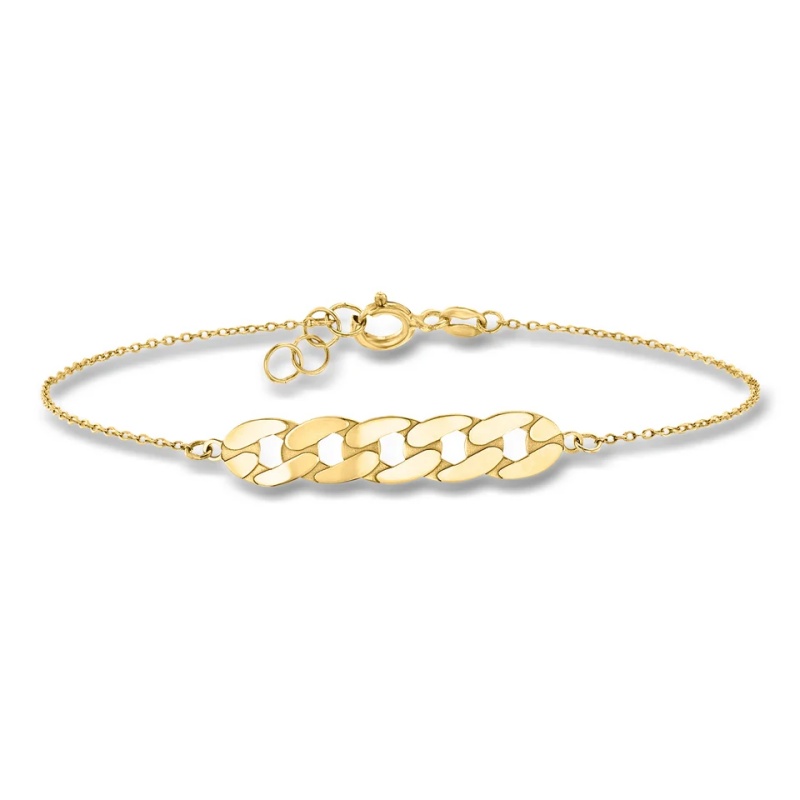
Custom Design Italian Jewelry 10kt Yellow Gold Curb-Link Centerpiece Bracelet
LET’S GET STARTED : mo@kingjy.com
The Cost of Custom Design Italian Jewelry: 10kt Yellow Gold Curb-Link Centerpiece Bracelet
Introduction
In the world of fine jewelry, few items carry the weight of heritage, craftsmanship, and personal significance quite like a custom-designed piece from Italy. The 10kt yellow gold curb-link centerpiece bracelet represents a fascinating intersection of accessible luxury and artisanal tradition. To understand its true cost—both in monetary terms and in the value it delivers—one must look beyond the price tag and examine the intricate web of materials, labor, design, and heritage that defines Italian goldsmithing.
The Bracelet Itself: A Study in Design
The Italian 10kt yellow gold curb-link centerpiece bracelet is a study in contrasts: bold yet refined, substantial yet wearable. The design typically features a satin and polished 10kt yellow gold construction with a shining centerpiece of curb links stationed on a dainty cable chain. The curb link—characterized by its flat, interwoven links that lie flat against the wrist—has been a staple of jewelry design for generations, prized for its strength, durability, and timeless aesthetic.
What sets the “centerpiece” variation apart is the deliberate placement of larger, more prominent curb links at the focal point of the bracelet, creating visual interest and a sense of deliberate design. This is not merely a chain; it is a composition. The bracelet typically measures approximately 1/4 inch in width and is finished with a spring-ring clasp. The “Made in Italy” stamp—often found on the clasp or a discreet link—is not just a geographic marker but a seal of quality that carries centuries of goldsmithing tradition.
The Four Pillars of Cost
Understanding the price of a custom Italian gold bracelet requires breaking down the cost into four fundamental components: material costs, labor and production costs, design complexity, and the maker’s overhead and expertise.
Material Costs: The Gold Standard
The most immediate and volatile factor in any gold jewelry’s cost is the precious metal itself. A 10kt yellow gold bracelet contains 41.7% pure gold, with the remainder composed of alloy metals such as copper, silver, and palladium. This alloying serves a practical purpose: pure 24kt gold is too soft for everyday wear, while 10kt gold offers superior durability and scratch resistance.
The gold market is notoriously volatile. In early 2025, gold was trading at approximately €51 per gram, and prices have continued to climb. By May 2025, gold had reached €93.78 per gram—a 32% increase year-over-year. These fluctuations directly impact the cost of raw materials, and Italian jewelers, particularly small artisans, often cannot hedge against these price swings, absorbing the volatility or passing it along to customers.
The weight of the bracelet is the primary determinant of its gold cost. A solid 10kt yellow gold curb link bracelet weighing 11.2 grams contains approximately 4.67 grams of pure gold. At current market prices, the intrinsic gold value alone represents a significant portion of the final price. For a custom piece, the gold weight may be higher or lower depending on the client’s specifications—length, width, and whether the links are solid, semi-solid, or hollow.
Hollow construction, while reducing weight and cost, sacrifices durability and heft. Semi-solid and solid constructions command higher prices but offer superior longevity and a more satisfying weight on the wrist. The choice between these options is one of the earliest and most consequential decisions in the custom design process.
Labor and Production: The Artisan’s Touch
Italian jewelry carries a premium that extends far beyond the gold itself. The labor costs associated with handcrafted Italian jewelry typically account for 15% to 40% of the final price. This range reflects the vast difference between machine-made pieces and those crafted by master goldsmiths.
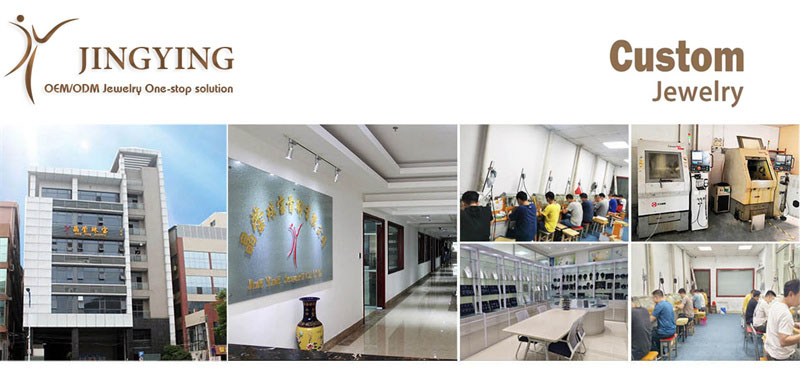
The production of a curb-link bracelet involves multiple stages. The process begins with design—the goldsmith translates the client’s vision into technical sketches, iterating until every detail is perfected. From there, the creation moves to the workshop, where master goldsmiths execute every weld and every setting by hand using precision tools. This is not assembly-line production; it is the work of skilled artisans who have often spent decades honing their craft.
The curb link itself presents specific manufacturing challenges. The flat, interwoven links must be precisely formed and soldered to achieve the characteristic lie-flat design. Gold, particularly in lower karats like 10kt, presents difficulties during soldering—the alloy is harder and requires more precise temperature control to avoid discoloration or weakening at the joints. Each link must be individually crafted, filed, and polished, a labor-intensive process that machine production cannot replicate.
The finishing process adds another layer of cost and craftsmanship. The satin and polished finishes found on Italian curb-link bracelets are not merely aesthetic choices; they require skilled hand-finishing. The satin finish creates a subtle, matte texture, while the polished areas capture and reflect light. Achieving this contrast on a single piece demands patience, skill, and specialized tools.
Design Complexity: The Centerpiece Premium
The “centerpiece” designation is not merely descriptive—it is a cost driver. A standard curb-link chain is relatively straightforward to produce; the links are uniform, and the construction is repetitive. A centerpiece bracelet, however, features a deliberate focal point where larger or more prominently finished links are positioned.
This design choice introduces complexity at multiple levels. The transition between the dainty cable chain and the larger curb links must be seamless. The proportion and spacing must be carefully calculated. The centerpiece itself may require additional finishing, more precise soldering, and careful quality control to ensure that the visual focal point achieves its intended effect.
For custom designs, the complexity can escalate significantly. Clients may request specific link widths, custom lengths, personalized engravings, or the incorporation of gemstones. A 10kt yellow gold curb-link bracelet with diamond accents, for example, can command prices well into the thousands. Each customization adds time, skill requirements, and cost.
The Maker’s Overhead and Expertise
Perhaps the most intangible yet significant cost factor is the jeweler’s reputation, location, and expertise. A master goldsmith with decades of experience commands a higher price for their work than an apprentice. An atelier in a major Italian city like Florence, Vicenza, or Genoa has higher overhead than a rural workshop.
Italian goldsmithing has been renowned since ancient times, with artifacts from the Roman era and the 19th-century archaeological revival movement consistently achieving prices five times or more above estimates at auction. This heritage is not mere marketing—it represents an unbroken chain of knowledge transmission, technique refinement, and quality standards that have been maintained for millennia.
When a client commissions a custom piece from an Italian goldsmith, they are not just buying gold and labor; they are buying into this tradition. The bespoke service itself carries a premium—many Italian jewelers offer custom services starting at €1,000 or more. This covers the design consultation, the creation of technical drawings, prototyping, and the personalized attention that defines the bespoke experience.
The Price Spectrum: From Accessible to Investment
The range of prices for 10kt yellow gold curb-link bracelets reflects the variation in these cost factors. At the accessible end, mass-produced pieces may sell for a few hundred dollars. A 5mm hollow curb chain bracelet, for example, might be discounted to $389.99. A 7mm hollow curb chain bracelet can be found for around $335.
At the mid-range, prices climb into the hundreds and low thousands. A beveled curb link chain bracelet in 10k gold might retail for $1,800. A 9.3mm semi-solid curb chain bracelet commands premium pricing. The Ross-Simons curb-link centerpiece bracelet, weighing just 1.0 gram, represents a lightweight, accessible entry point into Italian curb-link design.
At the upper end, custom pieces and those with significant gold weight or gemstone accents can reach five figures. A 9.5″ custom 10k yellow gold curb-link bracelet might be priced at $32,000. An 11.3mm hollow Cuban curb chain bracelet can be discounted from $7,999. These prices reflect not just the gold content but the combination of design complexity, craftsmanship, and exclusivity.
The Italian Premium: Why “Made in Italy” Matters
The “Made in Italy” designation is not arbitrary—it represents a specific set of values and quality standards. Italy is home to the largest jewelry market in the region, with demand reaching $14.9 billion in 2025. The country’s jewelry districts—Valenza, Vicenza, Arezzo—have been centers of goldsmithing for centuries, each with its own traditions and specialties.
Italian jewelers face unique pressures. The gold price rally has forced many to redesign their pieces to reduce gold content while maintaining aesthetic appeal. Smaller workshops struggle with the costs and risks of hedging against gold price volatility. Yet despite these pressures—or perhaps because of them—Italian jewelry maintains its reputation for quality.
The Italian approach to jewelry-making emphasizes the integration of tradition and technology. Modern Italian goldsmiths use CAD programs and 3D design tools alongside traditional techniques like lost-wax casting. This synthesis allows for precision and customization that would have been impossible for previous generations, while the hand-finishing and artisanal attention ensure that each piece retains the human touch.
Conclusion: The True Cost of Custom Design
The cost of a custom-designed Italian 10kt yellow gold curb-link centerpiece bracelet cannot be reduced to a single number. It is a sum of many parts: the fluctuating price of gold, the skill of the artisan, the complexity of the design, the reputation of the maker, and the intangible value of Italian heritage.
For the client, commissioning such a piece is an investment in more than jewelry. It is participation in a tradition that spans millennia. It is the translation of a personal vision into a tangible, wearable form. It is the assurance that what they wear is not just gold, but gold that has been shaped by hands that have inherited the knowledge of generations.
The price may range from a few hundred to tens of thousands of dollars. But the value—the satisfaction of wearing a piece that exists nowhere else in the world, that was conceived and crafted specifically for you—is beyond measure. In the end, the cost of custom design Italian jewelry is not just what you pay; it is what you receive: a piece of Italy, a piece of history, and a piece of yourself, forged in 10kt gold.