Custom Manufacturer of Sterling Silver and 18kt Gold Over Sterling Lumachina-Chain Toggle Necklace
Custom Manufacturer of Sterling Silver and 18kt Gold Over Sterling Lumachina-Chain Toggle Necklace
LET’S GET STARTED : mo@kingjy.com
How to Custom Sterling Silver and 18kt Gold Over Sterling Lumachina-Chain Toggle Necklace at JINGYING
Introduction: The Allure of the Two-Tone Lumachina Toggle
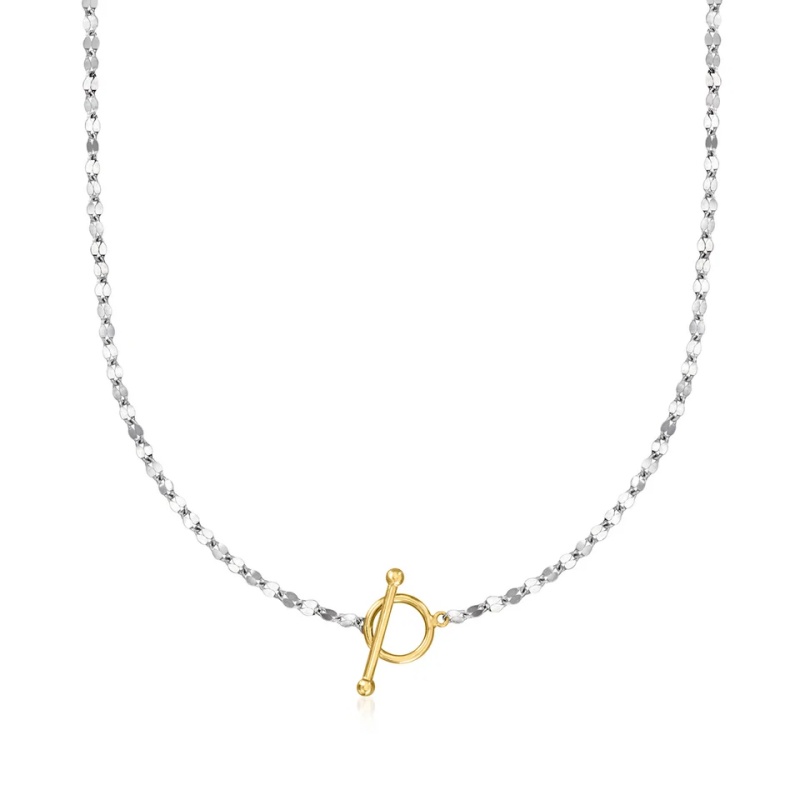
A necklace is never merely an accessory. It is a statement, a talisman, a quiet declaration of taste. The Sterling Silver and 18kt Gold Over Sterling Lumachina-Chain Toggle Necklace embodies this truth with unusual elegance. Crafted in polished sterling silver with an 18kt yellow gold over sterling silver toggle clasp, this necklace carries the aura of a designer statement—wearable solo or layered with other strands for a two-tone aesthetic that opens up endless styling possibilities. The Lumachina chain itself, with its twisted links reminiscent of interlocking shell curls, measures 2.8mm in width and weighs approximately 2.7 grams, a delicate yet substantial presence at the collarbone.
For those who wish to move beyond ready-made acquisition, JINGYING offers a path to personalization that transforms this design into something uniquely yours. As a manufacturer producing 925 sterling silver and 9K/10K/14K/18K gold jewellery in a variety of finishes, stone settings, and platings, JINGYING applies each customization in accordance with the client’s demands. This article details the complete custom journey, from the first consultation to the final polished piece.
Phase One: The Genesis of an Idea — Concept and Consultation
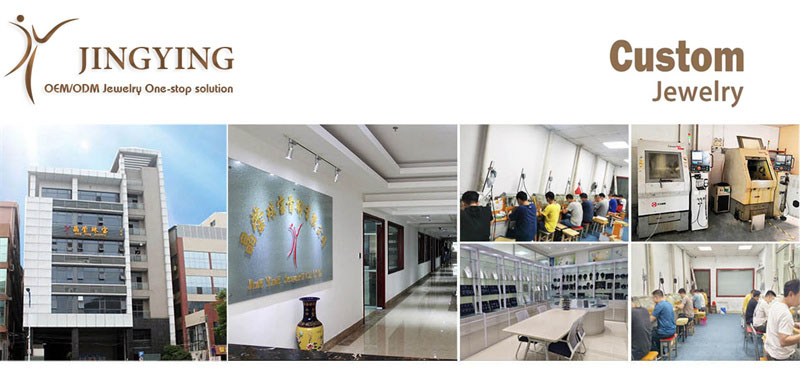
The customization process at JINGYING does not begin with machines or metal. It begins with a conversation. Established in 1998 and operating from a 15,000-square-meter facility, JINGYING has evolved from a small workshop into a major OEM/ODM manufacturer serving brands across more than 30 countries. This scale matters because it means the infrastructure exists to support both small-batch bespoke orders and larger private-label production runs.
When you approach JINGYING with the intention of customizing a Lumachina-chain toggle necklace, the first step is articulating what you wish to change or preserve. Perhaps you love the original two-tone aesthetic but want a different chain length. Perhaps you wish to alter the toggle clasp’s proportions or introduce a subtle engraving on the clasp surface. Perhaps you are developing a private-label line and need this design as a template for a signature collection. Whatever the motivation, the initial consultation serves to translate that vision into parameters that a jewelry manufacturer can execute.
JINGYING’s experts thrive at customizing the manufacturing process to meet the specific requirements of each customer, whether that means creating unique mechanical components, utilizing novel materials, or adding a brand’s distinctive matte finish. This flexibility is the foundation upon which every subsequent decision rests.
Phase Two: Material Selection — Sterling Silver as the Canvas
Before exploring plating options or chain variations, it is essential to understand the base material. The “925″ in 925 sterling silver is not an arbitrary designation; it is a hallmark of quality recognized worldwide. This composition—92.5% pure silver and 7.5% other metals, typically copper—exists because pure silver (99.9%) is too soft for the daily wear and tear required of a necklace. The copper alloy retains silver’s precious luster and anti-tarnish properties while gaining the structural integrity necessary for longevity.
For the custom Lumachina toggle necklace, the sterling silver base serves two distinct functions. The first is as the visible metal of the chain itself, which in the original design remains polished sterling silver. The second is as the foundation for the 18kt gold vermeil toggle clasp. JINGYING sources its silver with attention to compliance with international regulations, including the EU’s nickel-free standards and California’s Proposition 65, ensuring that the final piece is hypoallergenic and safe for sensitive skin.
When selecting materials, clients may also discuss whether the entire chain should receive gold plating or whether the two-tone aesthetic—silver chain with gold toggle—should be preserved. The original design specifies a polished sterling silver chain with an 18kt gold over sterling silver toggle clasp, a contrast that defines its visual character.
Phase Three: Design Development — From Sketch to 3D Model
With materials established, the design development phase begins. JINGYING’s process starts when a client brings a design idea or sample; the team then creates an original design with a sketch according to the request. For the Lumachina toggle necklace, this might involve adapting the existing design rather than creating from whole cloth. The Lumachina chain’s distinctive twisted-link structure—sometimes called “snail” in reference to its shell-like curls—must be replicated with precision.
Following the sketch approval, the design moves to 3D modeling. Creating a 3D mold is a critical step that translates two-dimensional concepts into a digital representation of the final product. This stage allows for precise adjustments to chain link proportions, toggle clasp dimensions, and overall necklace length before any metal is cast. Clients typically receive several design proposals within 48 hours through a secure client portal, enabling iterative refinement.
The toggle clasp deserves particular attention during design development. Unlike a standard lobster clasp, a toggle closure is both functional and decorative—it becomes a visible design element at the front or back of the neck. The original design features a polished 18kt yellow gold over sterling silver toggle that functions as a statement piece in its own right. Customization options include altering the toggle’s size, adding engraved initials or symbols, or changing the clasp’s finish from polished to matte or satin.
Phase Four: The Science of Creation — Manufacturing Processes
Once the 3D design is approved, the manufacturing process begins in earnest. The workflow follows a sequence that JINGYING has refined over decades: metal mold creation, casting, molding and polishing, hand setting of gemstones (if applicable), and finally plating.
For the Lumachina chain, the casting process requires particular skill because the twisted links must interlock seamlessly while maintaining consistent spacing and flexibility. Each link is cast individually and then assembled, or the chain may be cast in sections that are subsequently joined. The 2.8mm width of the original design demands precision—too much variance and the chain loses its uniform shimmer; too little and it becomes stiff and unyielding.
The toggle clasp is cast separately in sterling silver and then prepared for gold plating. The base metal is cleaned and polished to ensure effective bonding before the gold layer is applied. This preparation is critical because any surface imperfection on the silver will be magnified beneath the gold layer.
Phase Five: 18kt Gold Vermeil — The Plating Process
The term “18kt gold over sterling silver” refers to a specific standard of gold plating known as vermeil. To qualify as vermeil, the gold must be at least 10 karat and at least 1.5 micrometers thick. JINGYING’s specification of 18kt gold for this necklace exceeds the minimum standard, offering a higher gold content and a richer, warmer tone than lower-karat alternatives.
Modern vermeil is produced through electrodeposition, an electrochemical process in which the silver piece is immersed in a solution containing dissolved gold ions and subjected to an electrical current. This causes the gold ions to bond with the silver surface at a molecular level, creating a durable and uniform layer. Some manufacturers apply a barrier layer of palladium between the silver and gold to prevent tarnish migration, though this is an optional enhancement that depends on the client’s priorities.
A hard 18kt gold plating of vermeil thickness can last a lifetime in low-wear situations and several years on necklaces with regular use. For a toggle necklace, the clasp experiences more friction than the chain itself, so ensuring adequate gold thickness at the toggle is particularly important. JINGYING’s plating process is applied in accordance with client demands, meaning the thickness and finish can be adjusted to suit the intended wear pattern and aesthetic preference.
Phase Six: Assembly, Polishing, and Quality Control
After plating, the chain and clasp are assembled. The Lumachina links are joined to the toggle mechanism, and the necklace is inspected for structural integrity. The polishing stage brings out the intended finish—polished in the original design, though satin, matte, or antiqued finishes are available for custom orders.
JINGYING operates a strict quality control system that includes raw material testing with an XRF spectrometer before storage to ensure that silver materials meet the 925 standard. This level of scrutiny continues through production, with inspections at each stage to catch defects before they propagate. The final necklace should bear the “925″ purity mark and, if required, a manufacturer’s mark indicating JINGYING as the producer of record—a layer of traceability and authenticity that matters to both brands and end consumers.
Phase Seven: Receiving Your Custom Necklace
The finished necklace arrives with the two-tone aesthetic intact: a polished sterling silver Lumachina chain flowing into a warm 18kt gold toggle clasp. The 2.7-gram weight feels substantial without being heavy, and the 2.8mm chain width sits elegantly at the collarbone. For those who have customized dimensions, engravings, or finishes, the piece is the tangible result of a collaborative process that transformed a concept into a wearable object.
Caring for Your Custom Piece
To preserve the vermeil finish, avoid contact with soaps, detergents, and chlorine, and store the necklace in a dry pouch to protect against oxidation. Regular wear actually helps prevent tarnish on the sterling silver portions, as the natural oils from your skin keep the silver shining. For deeper cleaning, a silver polishing cloth can restore sparkle to the chain, while the gold-plated toggle should be wiped gently with a soft, dry cloth. Steam cleaners and ultrasonic cleaners should not be used on vermeil jewelry, as they can compromise the gold layer.
Conclusion: Customization as Collaboration
Customizing a Sterling Silver and 18kt Gold Over Sterling Lumachina-Chain Toggle Necklace at JINGYING is not a transaction but a collaboration. From the first conversation about chain length and clasp proportions to the final quality inspection, each phase invites the client’s input. JINGYING’s position as a manufacturer of 925 sterling silver and 9K/10K/14K/18K gold jewellery, with full OEM/ODM capabilities, means that the infrastructure exists to realize designs that range from subtle refinements to complete reimaginings. Whether you are an individual seeking a personalized statement piece or a brand developing a signature collection, the Lumachina toggle necklace offers a canvas that rewards thoughtful customization. The result is not merely jewelry—it is a record of decisions made, preferences honored, and craftsmanship applied.