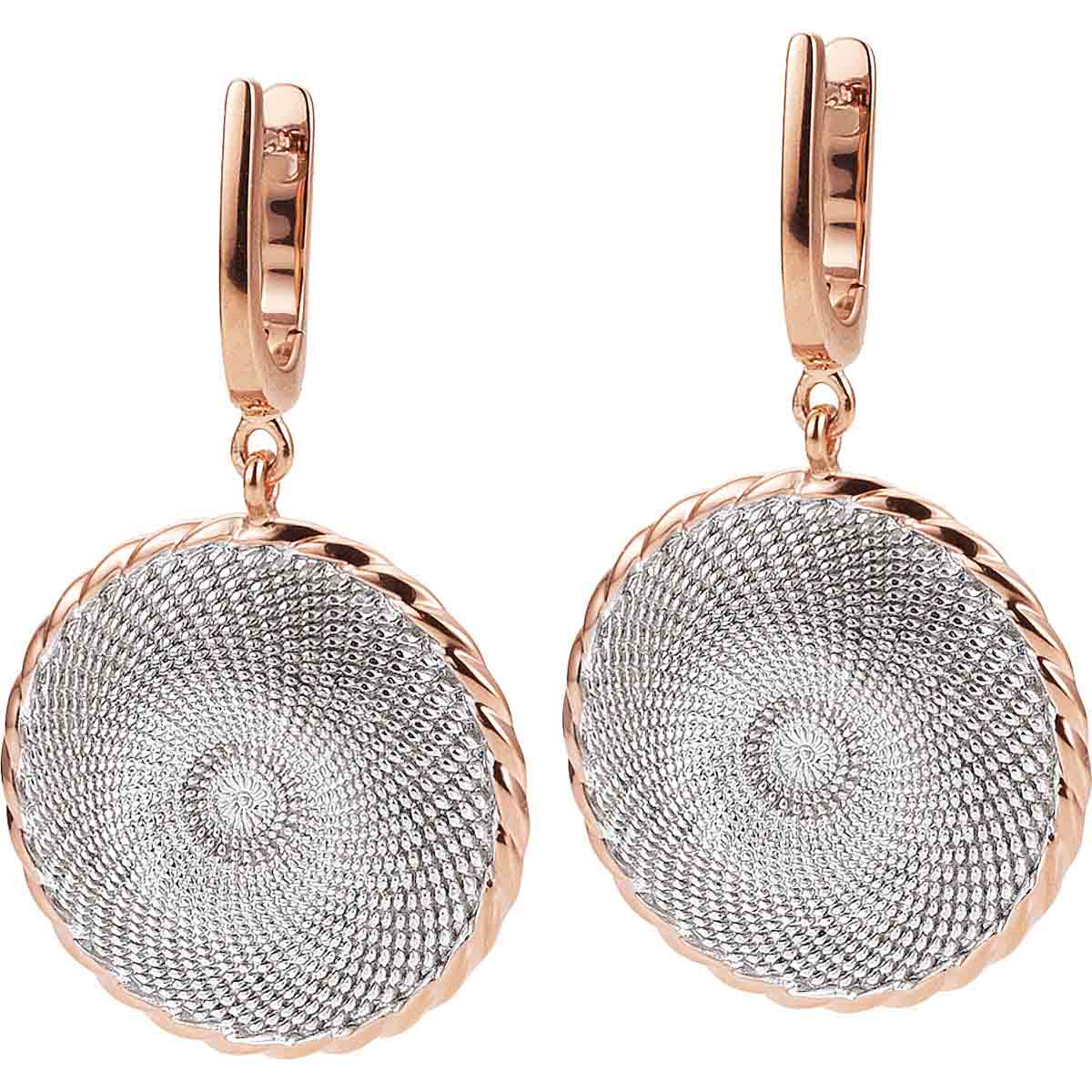
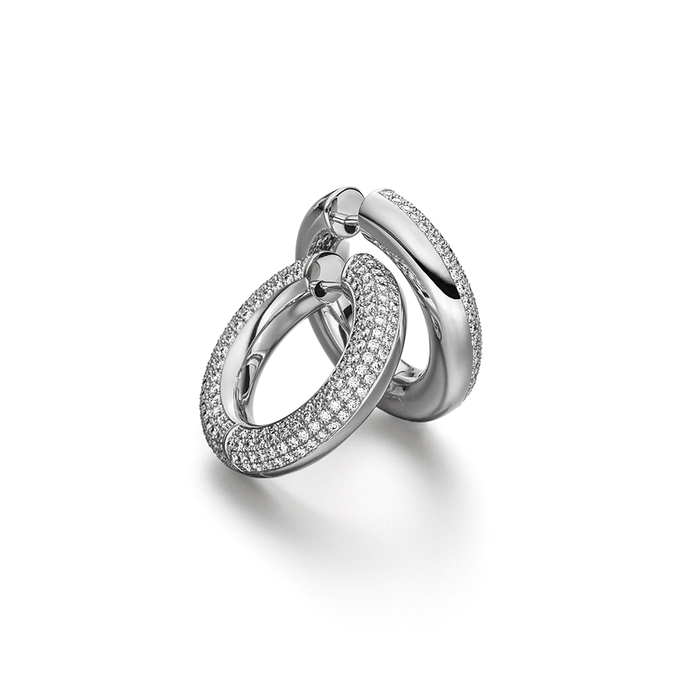
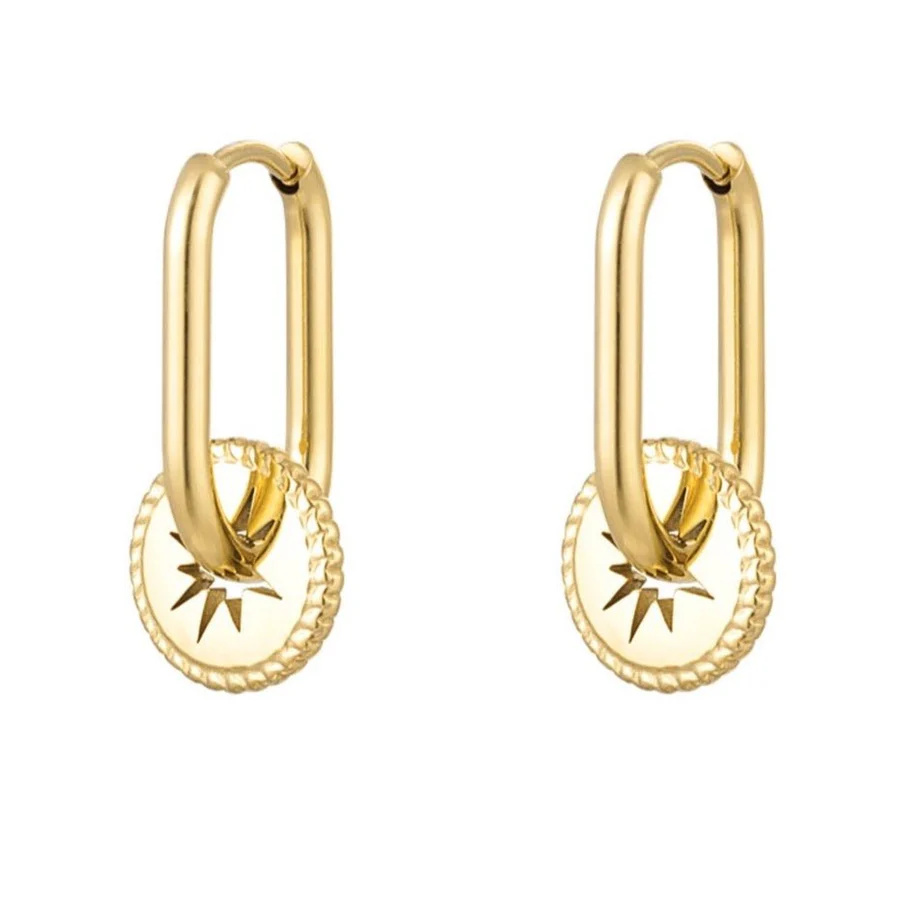
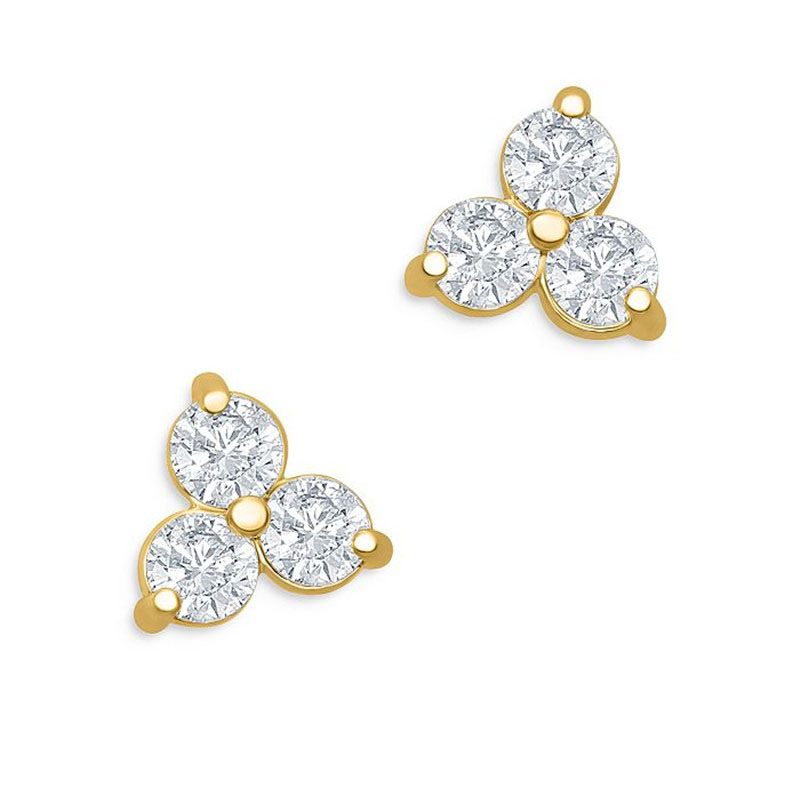
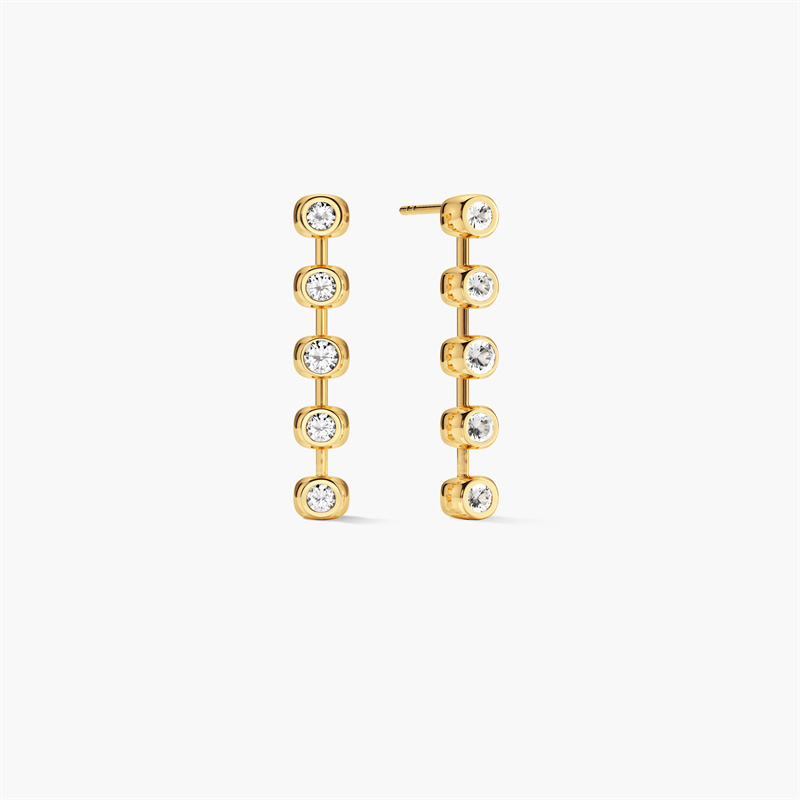
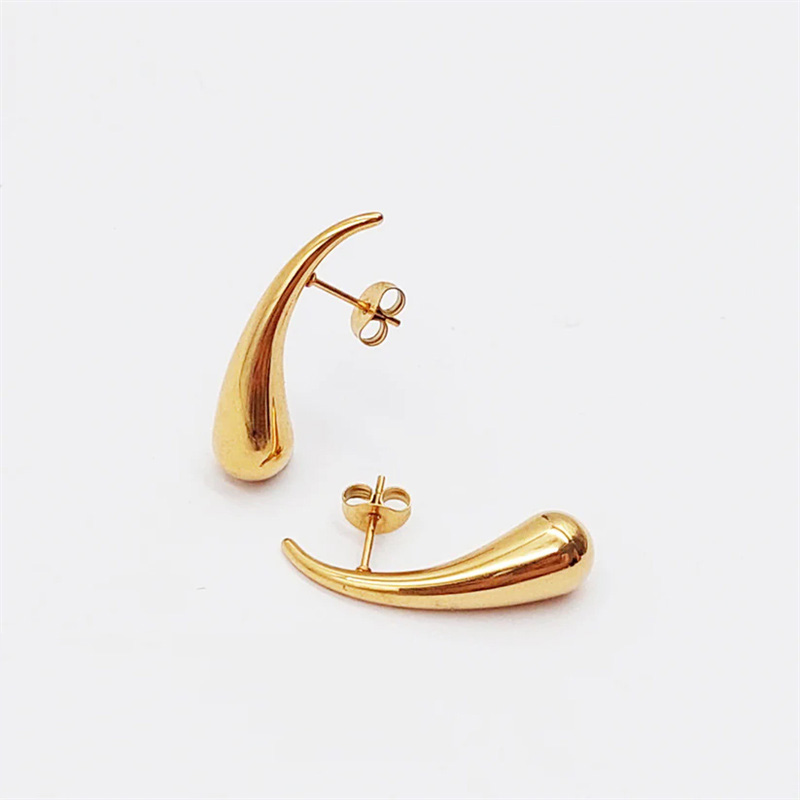
Custom Jewelry oem odm Earrings in 18kt Gold Over Sterling
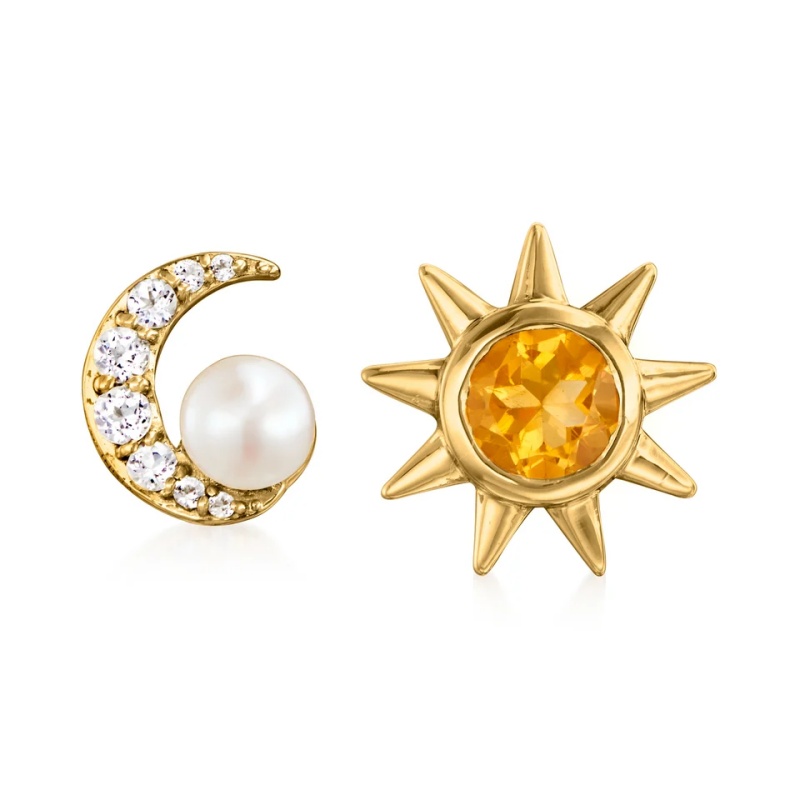
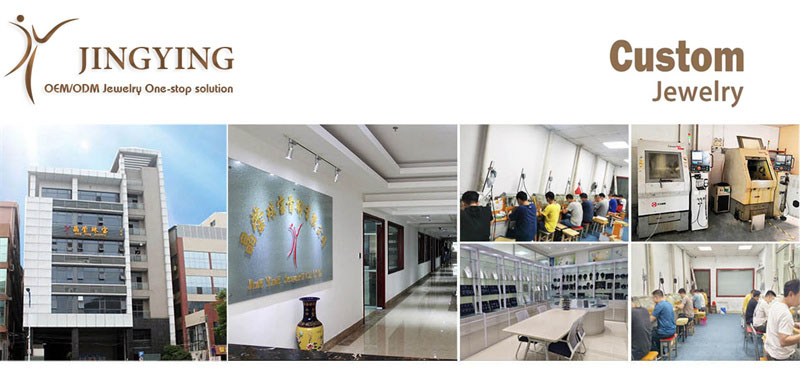
Custom Jewelry oem odm Earrings in 18kt Gold Over Sterling
LET’S GET STARTED : mo@kingjy.com
How to Custom Jewelry OEM/ODM Earrings in 18kt Gold Over Sterling Silver
Introduction
In the competitive world of fine jewelry, 18kt gold over sterling silver—commonly known as gold vermeil—has emerged as one of the most compelling value propositions for brands and retailers alike. It offers the luxurious appearance of solid gold at a fraction of the cost, while maintaining the durability and hypoallergenic properties that discerning customers demand. For businesses looking to launch or expand their jewelry lines, understanding the OEM (Original Equipment Manufacturing) and ODM (Original Design Manufacturing) process for 18kt gold vermeil earrings is essential.
This comprehensive guide walks you through every stage of the custom jewelry manufacturing journey, from initial concept to final delivery, with a focus on earrings crafted in 18kt gold over sterling silver.
Part I: Understanding 18kt Gold Vermeil
What Is Gold Vermeil?
Gold vermeil is a regulated category of gold-plated jewelry with specific legal requirements. Under U.S. Federal Trade Commission standards, genuine gold vermeil must meet three criteria: the base metal must be sterling silver (92.5% pure silver), the gold coating must be at least 10 karats (though 18kt is the industry premium standard), and the gold layer must be a minimum of 2.5 microns thick.
What sets 18kt gold vermeil apart from standard gold plating is both the quality of the base metal and the thickness of the gold layer. Standard gold flash plating typically measures less than 0.5 microns, while vermeil’s 2.5-micron minimum represents a structurally thicker finish that produces richer color saturation and more gradual wear. With 18kt gold containing 75% pure gold, a 2.5-micron finish delivers exceptional warmth and dimensional glow.
Why Choose 18kt Gold Over Sterling Silver for Earrings?
Earrings present unique manufacturing challenges. They must be lightweight enough for comfortable all-day wear, durable enough to withstand frequent handling, and visually striking enough to command premium pricing. 18kt gold vermeil addresses all three requirements:
- Hypoallergenic Properties: The 925 sterling silver base is nickel-free, making it suitable for sensitive skin. This is particularly important for earrings, which have direct and prolonged contact with skin.
- Cost-Effectiveness: Solid 18kt gold earrings can be prohibitively expensive for many consumers. Vermeil offers the same visual impact at a significantly lower price point, expanding your addressable market.
- Durability: With proper care, 18kt gold vermeil earrings typically last one to three years under regular wear, significantly outlasting standard gold-plated jewelry.
- Perceived Value: The combination of precious sterling silver and substantial 18kt gold creates a product that feels luxurious and commands higher retail margins than base-metal plated alternatives.
Part II: The OEM/ODM Process — Phase by Phase
Phase 1: Project Initiation and Design Development
1.1 Defining Your Vision
The OEM/ODM journey begins with a clear understanding of your product requirements. Whether you are a jewelry brand, wholesaler, retailer, or e-commerce seller, you must establish:
- Product specifications: Earring type (studs, hoops, drops, chandeliers, huggies), dimensions, weight targets, and closure mechanisms
- Design aesthetics: Modern minimalist, vintage romantic, geometric, organic, or statement pieces
- Target market: Geographic regions, price positioning, and customer demographics
- Order quantities: Initial batch size and projected reorder volumes
- Budget parameters: Per-unit cost targets and total project investment
1.2 Original Design vs. Existing Designs
OEM and ODM services offer two distinct pathways:
OEM (Original Equipment Manufacturing): You provide complete design specifications—whether through detailed sketches, CAD files, or physical samples—and the manufacturer produces according to your exact requirements. This path is ideal for brands with established design capabilities.
ODM (Original Design Manufacturing): You provide a concept, mood board, or rough idea, and the manufacturer’s design team develops the full product specification. This suits brands with limited in-house design resources or those seeking to leverage a manufacturer’s market expertise.
Most established jewelry manufacturers, such as JingYing Jewelry (established in 1998 with monthly production capacity exceeding 50,000 pieces), offer both pathways with experienced design teams capable of bringing sketches to life as fully realized pieces.
1.3 CAD Modeling and Design for Manufacturability
Once the design direction is established, the manufacturer’s engineering team creates detailed 3D CAD models using professional jewelry design software such as Rhino or JewelCAD. This stage is critical for:
- Weight optimization: Earrings must be balanced to hang correctly without dragging down the earlobe. Designers calculate the exact center of gravity and strategically hollow out the back of the metal to shed weight without sacrificing visual thickness.
- Structural integrity: Prong thickness, post length, and hinge mechanisms must be engineered for durability. For example, a U.S. client’s CAD designs required prong thickness adjustment from 0.3mm to 0.5mm and weight reduction from 8.2g to 6.5g per earring to ensure durability and comfort.
- Compliance review: Manufacturers conduct Design for Manufacturability (DFM) reviews to ensure the design can be produced efficiently and meets regulatory requirements.
1.4 Regulatory Compliance Planning
For earrings destined for international markets, compliance is non-negotiable. Key regulations include:
- California Proposition 65: Requires warnings for products containing certain chemicals above defined thresholds. Jewelry must typically maintain lead content below 0.05% (500 ppm).
- CPSIA (Consumer Product Safety Improvement Act): U.S. requirements for children’s jewelry, including tracking labels and lead content limits.
- EU REACH: European regulations restricting hazardous substances in jewelry, including nickel content below 0.05%.
- ASTM Standards: Industry standards for jewelry manufacturing and testing.
Reputable manufacturers conduct XRF testing to verify metal purity and maintain comprehensive compliance documentation.
Phase 2: Prototyping and Sampling
2.1 Creating the Master Model
With approved CAD designs, the manufacturer proceeds to prototype development. The process typically involves:
3D Wax Printing: The digital file is exported to a high-resolution 3D wax printer to create the initial master matrix. This allows for rapid iteration and form verification.
Metal Prototype Casting: A prototype pair is vacuum-cast in solid 925 sterling silver. This physical sample allows you to:
- Test the earring’s drape and balance
- Verify post positioning (correct height to hide the piercing hole)
- Assess overall scale against the face
- Evaluate comfort and wearability
2.2 Sample Refinement and Approval
The sampling phase typically requires 7–15 working days, depending on design complexity. Multiple rounds of revisions may be necessary:
- Adjusting thickness, clasp mechanisms, and engraving depth
- Testing different surface finishes (high polish, matte, brushed, sandblasted)
- Verifying stone settings for security and aesthetics
Some manufacturers offer rapid prototyping using SLA 3D printing for form verification, followed by lost-wax casting for metal samples and hand-fabricated samples for mechanism testing.
2.3 Sample Costs and MOQ Considerations
Sample development typically incurs separate costs from bulk production. Minimum Order Quantities (MOQs) for custom vermeil earrings vary by manufacturer and design complexity. Many factories enforce MOQs starting at 50 to 100 pairs per design. However, some manufacturers offer flexible MOQs for new designs to help brands test the market with lower risk.
Phase 3: Production Execution
3.1 Lost-Wax Casting
Once the sample is approved, mass production begins. The lost-wax casting process is the industry standard for sterling silver jewelry:
- Wax injection: Wax is injected into rubber molds created from the master model
- Tree assembly: Multiple wax models are attached to a central wax sprue
- Investment: The wax tree is encased in a plaster-like investment material
- Burnout: The mold is heated to high temperatures, melting out the wax and leaving a cavity
- Casting: Molten 925 sterling silver is poured into the cavity using vacuum or centrifugal casting machines
- Quenching and cleaning: The mold is cooled and the casting is cleaned
Manufacturers typically achieve material utilization rates around 92%.
3.2 Assembly and Soldering
After casting, components are assembled:
- Post welding: Friction posts (or hinge mechanisms for hoop-style earrings) are soldered using high-durability laser welding
- Hinge assembly: For hoop and hinged earrings, mechanisms are hand-soldered for durability
- Clasp attachment: Custom clasps and brand engravings are added
3.3 Molding and Polishing
The raw castings undergo extensive finishing:
- Centrifugal tumbling: Pieces are run through tumbling bowls with polishing media to achieve smooth surfaces
- Hand polishing: Skilled artisans polish each piece to achieve perfectly crisp, sharp edges and a mirror-like finish
- Surface texturing: Optional matte sandblasting, brushing, or satin finishing for specific design requirements
3.4 Stone Setting
For earrings incorporating gemstones, setting is a critical quality stage:
- Micro-pavé setting: Using micro-inlaid machines (often imported from Japan) for precision setting of 5A cubic zirconia stones
- Wax setting technology: Achieves 99% stone retention rates
- Laser stone setting: Precision placement with 0.1mm tolerance and stone loss rates as low as 0.3% (industry average: 1.2%)
3.5 The Plating Process — The Defining Step
This is where 18kt gold vermeil is created. The plating process distinguishes vermeil from standard gold plating:
Two-Stage Plating: Reputable manufacturers perform double plating for all 925 sterling silver jewelry:
- Base plating: A thick silver plating is applied first, with double polishing to ensure a perfectly smooth surface
- Gold plating: The real 18kt gold plating follows, with thickness typically reaching 3 microns—exceeding the 2.5-micron vermeil minimum
The electroplating process uses automated baths to apply a thick, uniform finish. This substantial gold layer ensures the gold doesn’t wear off down to the silver after a few wears.
Phase 4: Quality Control
4.1 In-Process Inspection
Quality checking is the most important process in the entire production line. Leading manufacturers employ dedicated engineering teams to conduct quality control at every stage.
Stone Security Testing:
- Professional steel needles test each stone individually to ensure no fall-out
- Drop tests from 3 meters verify stone retention under impact
Plating Quality Verification:
- Machine testing provides reports on actual plating thickness
- Professional tools manually rub metal surfaces for five minutes to ensure coating quality
Dimensional Accuracy: Measurements verified to ±0.15mm tolerance
Stone Tightness: 50g pull tests confirm stone security
Surface Defects: Allowance maintained below 0.5%
4.2 Final Inspection and Testing
Before packaging, finished earrings undergo:
- Microscopic inspection for surface defects
- Tension testing for hinge and clasp mechanisms
- XRF testing to verify gold purity and confirm compliance
- Weight consistency verification using automated laser calibration
Many manufacturers offer warranties: for example, 3–6 months repair coverage for non-human-damage quality issues.
Phase 5: Packaging and Shipping
5.1 Custom Packaging Solutions
Packaging options are highly customizable:
- Independent packaging or as per customer request
- Recyclable materials, soy-based ink printing, and multilingual care cards
- Branded presentation boxes, pouches, and display cards
- Care instructions specific to gold vermeil maintenance
5.2 Shipping and Logistics
International shipping typically uses express carriers such as DHL, UPS, or FedEx. For larger orders, sea freight offers cost advantages, though transit times are longer.
Typical timelines from order confirmation:
| Stage | Duration |
|---|---|
| CAD development | 2–7 days |
| Sample production | 7–15 working days |
| Bulk production | 20–45 days after sample approval |
| Shipping | 5–10 days worldwide |
Part III: Practical Considerations for Brands
Cost Factors
The final cost of custom 18kt gold vermeil earrings depends on:
- Design complexity: Intricate designs require more labor and longer production times
- Gold thickness: 3-micron plating costs more than 2.5-micron but offers superior durability
- Stone type and quality: 5A cubic zirconia versus genuine gemstones
- Order quantity: Larger orders achieve economies of scale
- Packaging requirements: Custom branded packaging adds to unit costs
Durability Expectations
Brands should set realistic customer expectations:
- With reasonable care, 18kt gold vermeil earrings typically last 1–3 years
- Consistent luster holds for 6–12 months under regular daily use
- Top-tier vermeil can achieve up to 3 years of resistance to sweat oxidation and surface scuffs
- Vermeil is more durable than standard plating but remains a surface layer—it will wear over time
Care Instructions for Customers
To maximize product longevity, brands should educate customers on proper care:
- Remove earrings before swimming, showering, or exercising
- Avoid contact with perfumes, lotions, and hair products
- Clean gently with a soft, dry cloth
- Store in a cool, dry place, preferably in individual pouches
Part IV: Choosing the Right Manufacturing Partner
What to Look For
When selecting an OEM/ODM manufacturer for 18kt gold vermeil earrings, evaluate:
Experience and Track Record: Look for manufacturers with at least 15–20 years in sterling silver jewelry production.
Production Capacity: Ensure the factory can handle your order volumes—some manufacturers produce 50,000–100,000 pieces monthly.
Quality Certifications: Verify compliance with international standards and availability of testing reports.
Communication and Transparency: The best partners provide clear timelines, regular updates, and responsive customer service.
Comprehensive Services: Full-service manufacturers offer design, prototyping, production, quality control, packaging, and shipping under one roof.
Red Flags to Avoid
- Manufacturers unable or unwilling to provide plating thickness reports
- Vague timelines or reluctance to commit to delivery dates
- No clear quality control processes or warranties
- Limited experience with international compliance requirements
Conclusion
Custom OEM/ODM earrings in 18kt gold over sterling silver represent a strategic opportunity for jewelry brands seeking the perfect balance of luxury, affordability, and durability. The journey from concept to finished product requires careful attention to design, engineering, compliance, and quality control—but with the right manufacturing partner, the process is both manageable and rewarding.
Whether you are launching a new brand, expanding an existing line, or entering new markets, 18kt gold vermeil earrings offer exceptional value proposition. The combination of 925 sterling silver base, 18kt gold’s 75% pure gold content, and the substantial 2.5- to 3-micron plating thickness creates products that look and feel premium while remaining accessible to a broad customer base.
By understanding the OEM/ODM process thoroughly and partnering with an experienced manufacturer, you can bring your custom earring designs to market with confidence, knowing that quality, compliance, and customer satisfaction are built into every step of the production journey.