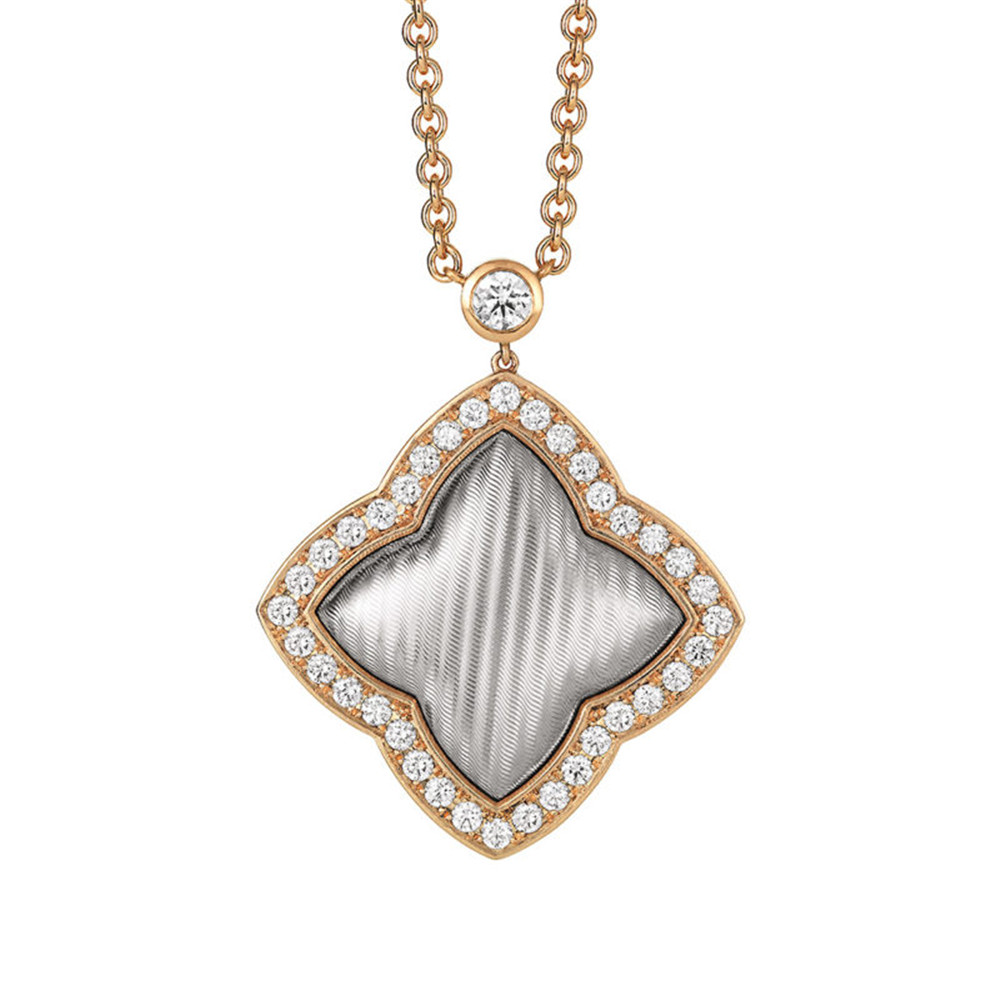
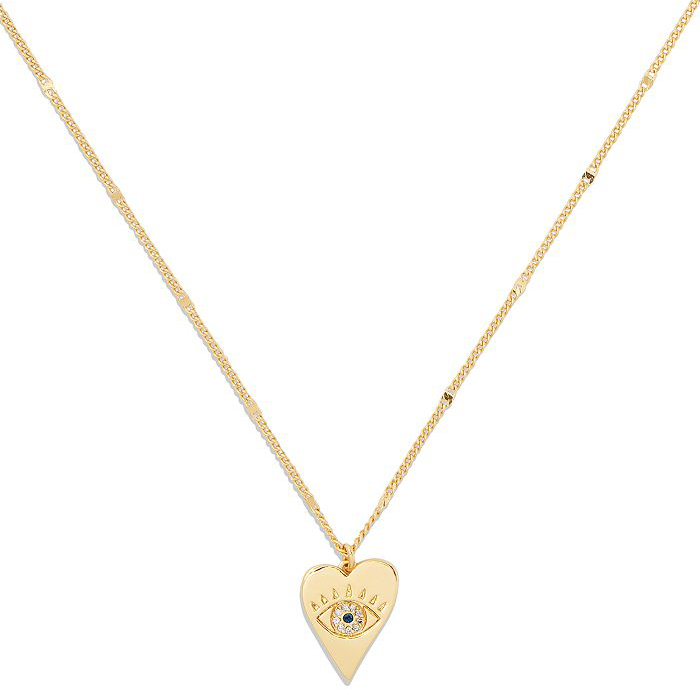
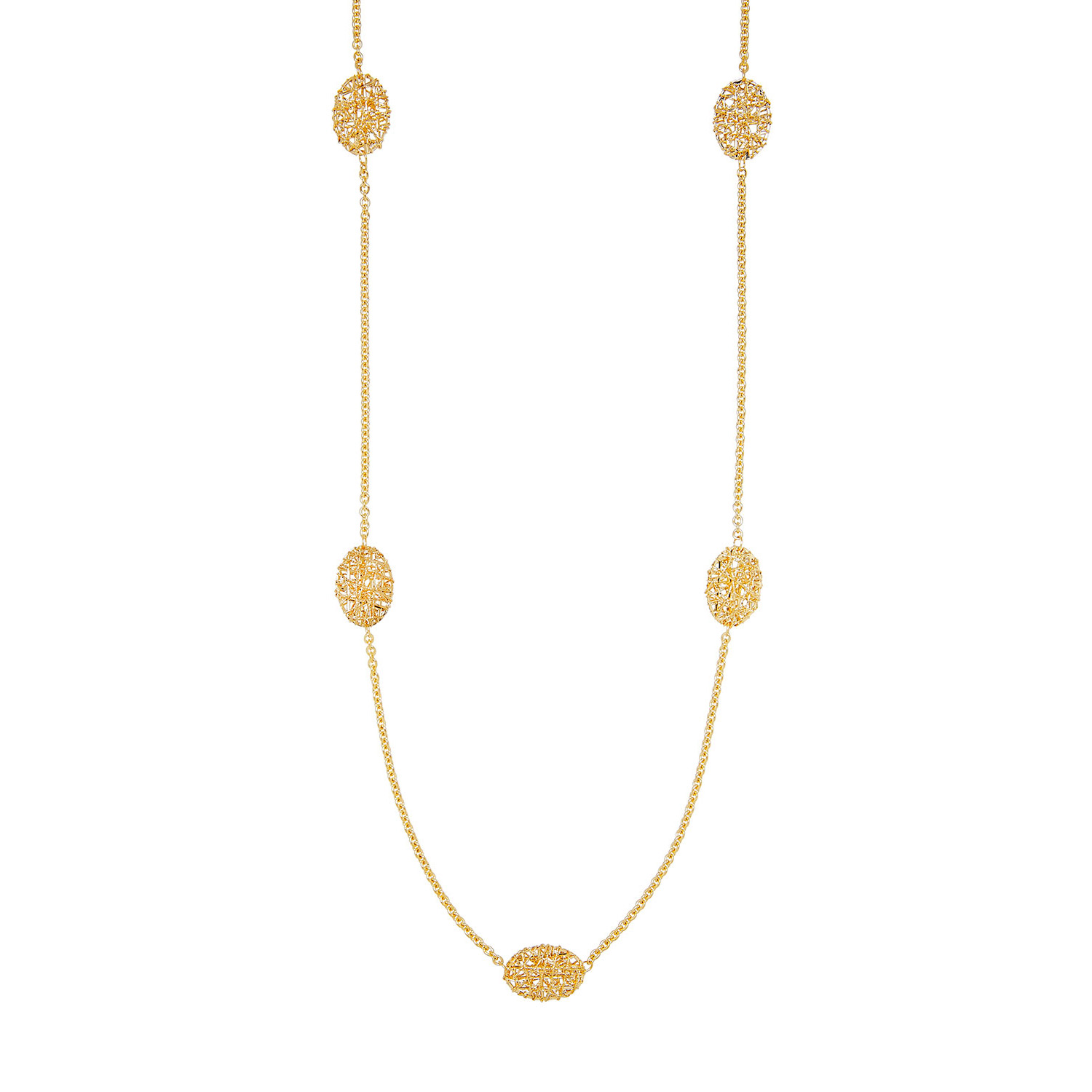
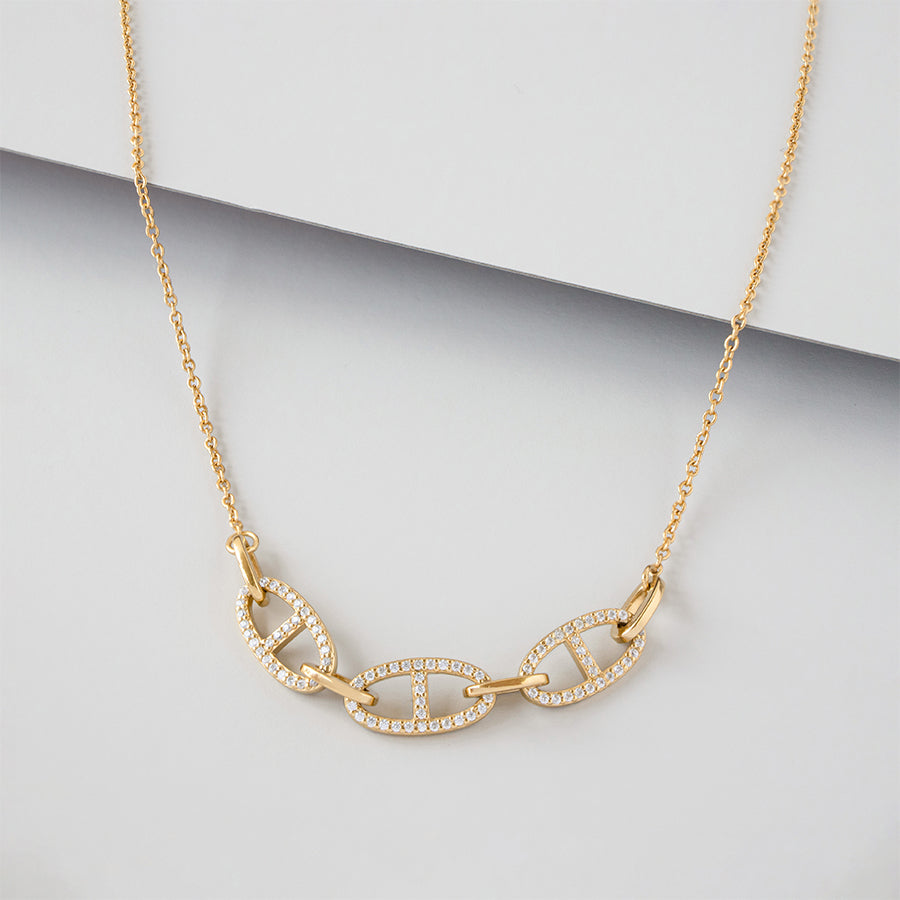
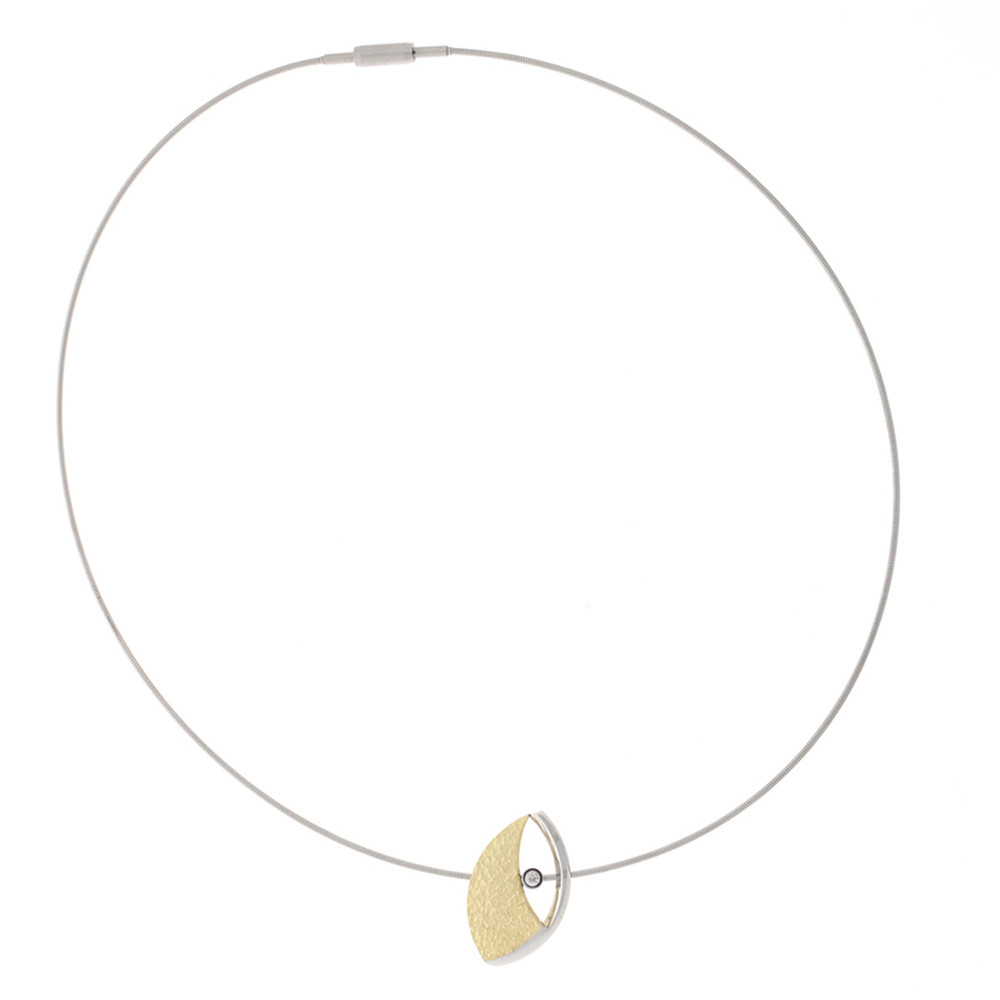
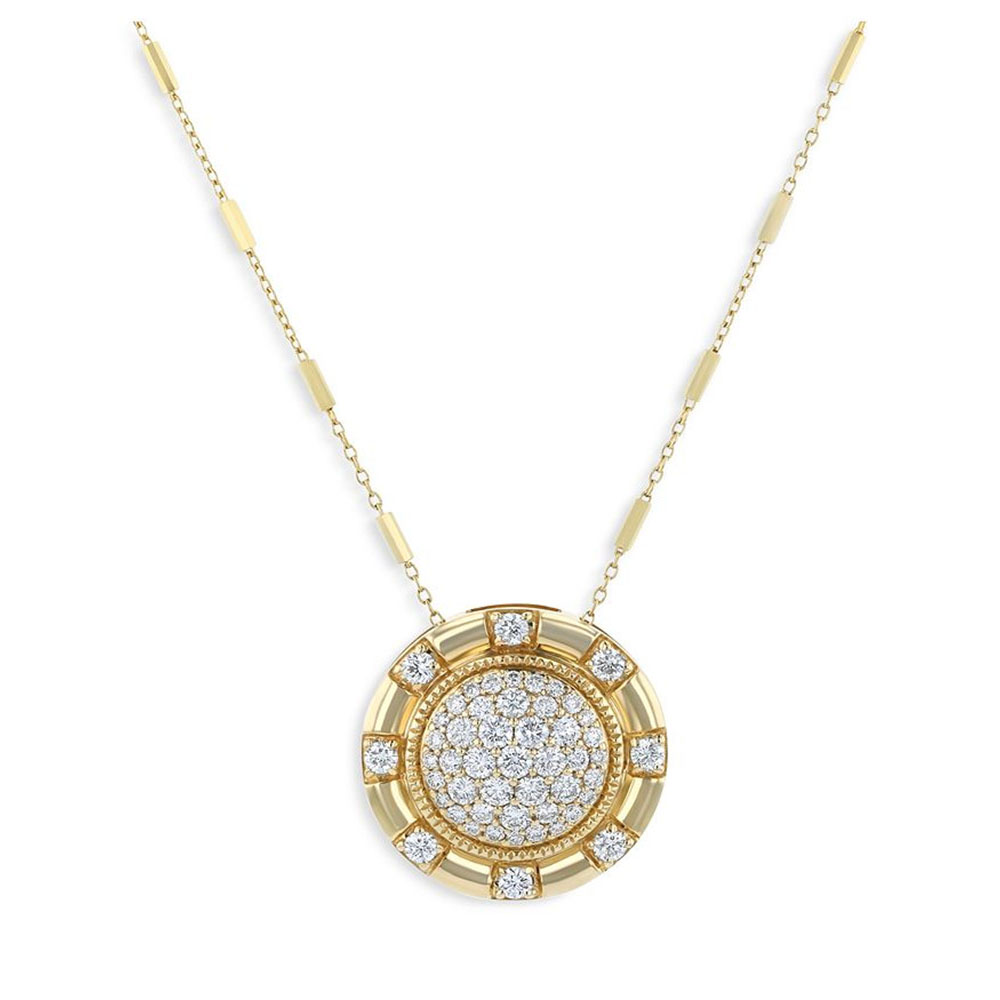
Custom Jewelry in China Rising Sun Necklace in Gold
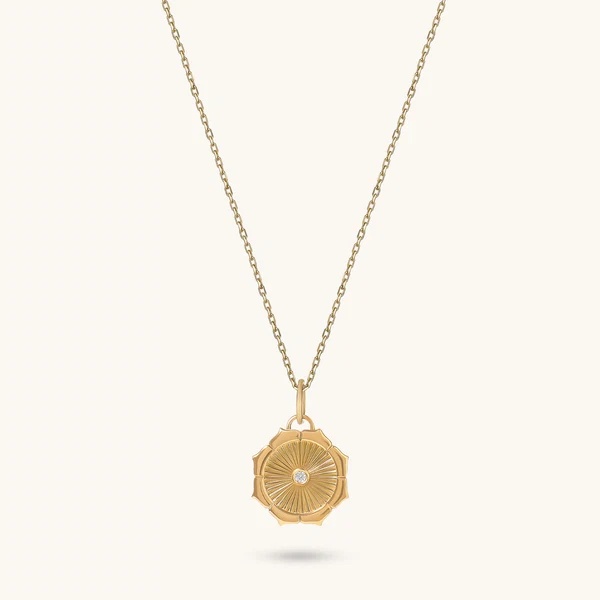
Custom Jewelry in China Rising Sun Necklace in Gold
LET’S GET STARTED : mo@kingjy.com
How to Custom Jewelry Rising Sun Necklace in Gold: A Comprehensive Guide
Introduction
The rising sun has captivated human imagination for millennia—a symbol of hope, renewal, new beginnings, and the promise of each fresh day. When rendered in gold and worn close to the heart, a rising sun necklace becomes more than mere adornment; it transforms into a personal talisman, a daily reminder of resilience, optimism, and the light that follows every darkness.
Custom jewelry offers something that mass-produced pieces never can: a creation that exists nowhere else in the world, built precisely to your vision. This guide takes you through the complete journey of commissioning a custom gold rising sun necklace—from the initial spark of an idea to the moment you hold your finished piece.
Part One: Understanding the Rising Sun Motif
Symbolism and Meaning
Before embarking on the design process, it is essential to understand what the rising sun represents. In jewelry, the rising sun motif symbolizes hope, renewal, and fresh beginnings. It evokes the energy and vitality of a new day dawning. Many wear it as a symbol of personal strength and the courage to overcome life’s challenges. Some designs feature the sun rising over the sea, symbolizing the new beginning each day brings. Others incorporate the sun as a representation of “a sense of limitless freedom”.
The rising sun has deep cultural resonance across many traditions—from Japanese aesthetics, where it appears in everything from ancient art to contemporary design, to universal interpretations of solar power as a source of life, energy, wealth, and abundance.
Defining Your Personal Vision
Every custom piece begins with a vision. Your rising sun necklace should reflect not just the universal symbolism of the sun, but your personal story. Consider these questions:
- What does the rising sun mean to you? Is it a tribute to a new chapter in your life, a memorial, a symbol of faith, or simply an appreciation for celestial beauty?
- What style speaks to you? Do you envision a minimalist, modern interpretation with clean lines, or something more ornate and antique-inspired? Some pendants feature a coin-like design with the rising sun on one side, while others showcase intricate rays radiating outward.
- What size and proportions feel right? Rising sun pendants range from delicate charms under an inch in diameter to bold statement pieces over 21mm.
- Should it be double-sided? Many custom pendants feature the rising sun on the front and leave the reverse side for engraving—a name, a date, initials, or a meaningful word.
Take time to sketch your ideas, collect inspiration images, and articulate what you want. This clarity will make every subsequent step smoother.
Part Two: The Design and Development Process
Step 1: Consultation and Collaboration
The custom jewelry journey begins with finding a reputable jeweler or manufacturer who specializes in bespoke work. During the initial consultation, you will discuss your design inspirations, preferences, and budget. A skilled jeweler will advise you on what is feasible given your vision and provide guidance on materials, techniques, and pricing.
Reputable custom jewelers often sign non-disclosure agreements to protect your intellectual property. This ensures your unique design remains yours alone.
Step 2: Sketching the Design
Once your concept is clear, the designer translates your vision into hand-drawn sketches. These initial drawings highlight details, dimensions, and the overall aesthetic. At this stage, you have the opportunity to provide feedback and request revisions. High-end custom jewelry involves multiple detailed stages with in-depth communication between you and the designer team.
Step 3: 3D Modeling and CAD Design
After the sketch is approved, the design moves into the digital realm. Using professional Computer-Aided Design (CAD) software such as Rhino or SolidWorks, designers create a precise three-dimensional model of your pendant. CAD modeling serves several critical purposes:
- It allows you to visualize the final piece from every angle before any metal is committed
- It enables precise calculation of gold weight and material costs
- It ensures structural soundness—the design must be physically viable, with proper thickness and proportions
You will review realistic 3D renderings and can request modifications in real time. This iterative process ensures the design meets your expectations before production begins.
Step 4: Prototyping
With the CAD design finalized, the next step is creating a physical prototype. This is typically done through 3D wax printing—the digital model is used to print a precise wax replica of your pendant.
The wax prototype allows you to:
- Check the weight, balance, and feel of the piece
- Verify proportions and dimensions in three dimensions
- Make any final adjustments before committing to precious metal
Some jewelers may offer a silver prototype before casting in gold, though this adds to the development cost.
Part Three: Material Selection
Choosing the Gold Karat
Gold is available in various purities, each with distinct characteristics:
| Karat | Gold Purity | Characteristics |
|---|---|---|
| 10K | 41.7% | Most durable, affordable, best for daily wear |
| 14K | 58.5% | Excellent balance of durability and rich color; most popular for fine jewelry |
| 18K | 75.0% | Richer, warmer color; higher gold content; slightly softer |
| 22K | 91.7% | Very rich color, quite soft, less common for everyday jewelry |
| 24K | 99.9% | Pure gold, extremely soft, not recommended for pendants worn daily |
For a necklace pendant that will be worn regularly, 14K gold offers the ideal combination of durability and beauty. 18K gold provides a richer color and higher intrinsic value but requires more careful handling.
Gold Color Options
Beyond karat, you can choose the color of gold:
- Yellow gold – The classic choice, warm and traditional
- White gold – Modern and sleek, often rhodium-plated for extra brilliance
- Rose gold – Romantic and contemporary, with a pinkish hue
Many rising sun pendants are crafted in yellow gold, as it beautifully captures the warmth and radiance of the sun itself.
Gemstones and Diamonds
For an elevated design, consider incorporating gemstones:
- Diamonds can be set along the sun’s rays to create sparkling lines of light
- Pavé settings—small diamonds set closely together—can create a brilliant surface
- Birthstones add personal meaning and color
- Colored gemstones like rubies or citrines can represent the sun’s fiery heart
Part Four: The Manufacturing Process
Step 1: Casting
With the wax prototype approved and materials selected, the casting process begins. The wax model is attached to a casting “tree”—a central stem with multiple wax models attached. This assembly is encased in specialized plaster to create a mold.
The mold is then heated in a burnout furnace. The wax melts and flows out, leaving behind a precise cavity in the shape of your design. Molten gold is poured into this cavity, filling every detail. Once the gold cools and solidifies, the plaster mold is broken away to reveal the raw cast piece.
For simpler designs, some jewelers use laser cutting—a sheet of gold is precisely cut by a laser to create the pendant shape. Laser cutting offers exceptional precision for intricate designs.
Step 2: Trimming and Assembly
The cast piece is cut from the casting tree. Any excess metal from the casting process is carefully removed. If your design includes multiple components or a bail (the loop that connects to the chain), these are assembled at this stage.
Step 3: Stone Setting
If your pendant features diamonds or gemstones, this is when they are set. Skilled artisans work under magnification—often using 60x microscopes—to securely place each stone. Pavé settings, in particular, require exceptional precision to ensure every stone is perfectly aligned and secure.
Step 4: Polishing and Finishing
The pendant then undergoes a multi-stage polishing process. It begins with sandpaper polishing to smooth all surfaces and edges, followed by bright polishing with cotton wheels. The goal is to bring out the gold’s natural luster and make the sun’s rays sparkle.
Finishing options include:
- High polish – Mirror-like shine
- Satin or matte finish – Subtle, understated sheen
- Textured finish – Hammered or brushed surfaces for visual interest
Some designs combine multiple finishes—for example, a polished sun with satin-finished rays.
Step 5: Electronic Plating
Some custom pieces receive an additional electroplating treatment. This can be white rhodium plating for white gold pieces, or additional yellow or rose gold plating to enhance color consistency. Solid gold pieces typically do not require plating, though some jewelers apply a thin layer of higher-karat gold over lower-karat gold for color enhancement.
Step 6: Engraving
If your design includes personalized engraving—a name, date, coordinates, or meaningful word—this is done during the finishing stage. Engraving can be machine-executed for precision or hand-done for a more artisanal feel.
Step 7: Quality Control
Before your necklace is delivered, it undergoes rigorous quality inspection. Experienced quality control staff check every detail:
- Metal integrity and thickness
- Stone security and alignment
- Finish consistency
- Comparison against the approved design
- XRF testing to verify gold purity
Any defects are marked and returned for rework.
Step 8: Chain Selection
Your pendant needs the right chain. Considerations include:
- Chain type – Paperclip, cable, curb, rolo, or belcher chains each offer different aesthetics
- Length – Common lengths range from 16 to 22 inches
- Material – Should match your pendant’s karat and color
- Clasp – Lobster clasps are secure and user-friendly
Many jewelers include a complimentary chain with your pendant purchase.
Part Five: Timeline, Costs, and Practical Considerations
Production Timeline
Custom jewelry is not instant gratification. Depending on the complexity of your design, expect the process to take 2 to 6 weeks from design approval to delivery. More elaborate pieces with intricate stone settings or multiple components may take longer.
The timeline typically breaks down as:
- Design and CAD modeling: 3–7 days
- Prototyping and revisions: 3–5 days
- Casting and finishing: 7–14 days
- Quality control and delivery: 3–5 days
Cost Factors
Custom gold jewelry is an investment. Several factors influence the final price:
- Gold weight and karat – The primary cost driver. Gold is priced by weight, and higher karats cost more.
- Design complexity – Intricate designs require more labor and skill.
- Gemstones – Diamonds and precious gems add significantly to cost.
- Prototyping fees – Expect $100–$300 for wax printing and prototype development.
- Labor – Skilled artisans command fair compensation for their expertise.
- Quantity – Single pieces are more expensive per unit than production runs. Manufacturers often apply a Low Quantity Surcharge for small orders.
Always request a detailed quote before committing. Reputable jewelers provide transparent pricing with breakdowns of material costs, labor, and development fees.
Protecting Your Investment
- Insure your piece – Custom jewelry should be appraised and added to your insurance policy.
- Request certification – Ask for hallmarking and purity certification.
- Keep design records – Save your CAD files, sketches, and correspondence in case you want to recreate or repair the piece.
- Understand return policies – Custom pieces are typically non-refundable.
Part Six: Design Inspiration and Ideas
Classic Rising Sun
A circular pendant with the sun at center and rays radiating outward—simple, elegant, and timeless. Consider adding a diamond at the center for sparkle.
Sun Over Water
The sun rising over stylized waves or the sea, symbolizing new beginnings. This design works beautifully in 18K yellow gold with subtle texturing on the water.
Coin-Style Pendant
Inspired by antique coins, these pendants feature the rising sun on one side and personal engraving on the reverse. The coin format lends a sense of history and permanence.
Geometric Interpretation
Modern and minimalist—the sun rendered in clean lines, geometric shapes, or abstract forms. Perfect for contemporary tastes.
Enamel Accents
Add color with enamel—perhaps a blue sky behind the sun or a red sun at center. Enamel brings vibrancy and artistic flair.
Diamond-Ray Pendant
Lines of white diamonds radiate from the center in a circular arrangement, creating a brilliant, eye-catching piece.
Cultural Fusion
Incorporate symbols from your heritage alongside the rising sun—like the Adinkra symbol “Nyame Ye Ohene” (God is King) at the center of a sun pendant.
Part Seven: Choosing the Right Jeweler
The success of your custom rising sun necklace depends heavily on the jeweler you choose. Look for:
- Portfolio – Review their past custom work. Do they have experience with pendants and celestial motifs?
- Communication – Do they listen to your ideas and offer constructive feedback? High-end custom jewelry requires in-depth communication.
- Transparency – Clear pricing, realistic timelines, and willingness to show you the process.
- Craftsmanship – Ask about their techniques. Do they use CAD, 3D wax printing, and lost-wax casting?
- Quality control – Do they test for gold purity and inspect every piece before delivery?
- Reviews and reputation – Look for testimonials from other custom clients.
Conclusion
Commissioning a custom gold rising sun necklace is a journey of creativity, collaboration, and craftsmanship. From the first spark of an idea to the final polished piece, each step brings you closer to a creation that exists nowhere else in the world—a piece that carries your personal symbolism, crafted in enduring gold, designed to be worn and cherished for a lifetime.
The rising sun reminds us that every day offers a new beginning. What better way to carry that reminder than in a necklace made uniquely for you—golden, radiant, and personal?
Whether you choose a minimalist coin pendant, an ornate diamond-studded design, or something entirely your own, the result will be more than jewelry. It will be a reflection of your light, your story, and your hope—worn close to your heart, where the sun always rises.