China OEM ODM Factory Starburst Diamond Coin Necklace in Gold
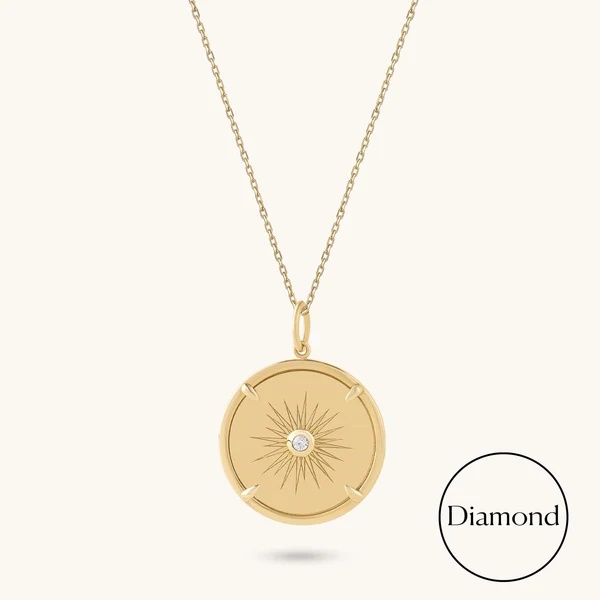
China OEM ODM Factory Starburst Diamond Coin Necklace in Gold
LET’S GET STARTED : mo@kingjy.com
How to Customise a Starburst Diamond Coin Necklace in Gold
A starburst diamond coin necklace in gold is one of those rare pieces that commands attention without trying too hard. It combines the timeless symbolism of a coin pendant—evoking heritage, value, and personal narrative—with the explosive brilliance of a starburst design, where diamonds radiate outward like captured light. When crafted in gold and customised to your exact specifications, it becomes more than jewellery: it becomes a personal talisman, a conversation starter, and an heirloom in the making.
But how do you actually go about creating one? The custom jewellery process can feel opaque if you have only ever bought ready-made pieces from a display case. This guide walks you through every decision, from the initial spark of inspiration to the final polished piece, so you can confidently design a starburst diamond coin necklace that is entirely your own.
Step 1: Define Your Vision
Every custom piece starts with a conversation—even if that conversation is just with yourself. Before approaching a jeweller, take time to clarify what you want.
What story do you want this necklace to tell? A coin pendant inherently carries meaning. Some choose historic coins—ancient Greek or Roman currency, for instance—to evoke a sense of timelessness and connection to the past. Others prefer modern commemorative coins or even custom-minted pieces bearing personal symbols, initials, or significant dates. The “coin” in your necklace could be an actual numismatic coin, a custom-struck medallion, or simply a coin-shaped gold disc.
What is the occasion? Are you designing this for a milestone birthday, an anniversary, a wedding, or simply as a statement piece for yourself? The answer will influence everything from the diamond quality to the intricacy of the design.
What is your aesthetic? Do you envision a minimalist coin with a subtle starburst halo, or a dramatic, fully pavé pendant where diamonds cascade outward like an exploding star? Are you drawn to vintage-inspired Art Deco geometry, or something sleek and contemporary? The more specific you can be, the more productive your consultation with a jeweller will be.
Set a realistic budget. In most custom jewellery projects, the centre stone—or in this case, the diamonds—represents the largest share of the cost. Setting aside an additional 10 to 15 percent for revisions or upgrades is a practical way to avoid compromises later.
Step 2: Choose Your Gold
Gold is the foundation of your necklace, and the choices you make here affect not only the look but also the durability, cost, and longevity of the piece.
Understanding Gold Karats
Gold purity is measured in karats (K), which indicate how much pure gold is in the alloy.
- 10K Gold (41.7% pure): The most durable and affordable option. Its higher proportion of alloy metals makes it highly scratch-resistant and ideal for everyday wear, especially for those with active lifestyles. However, its colour is slightly less rich than higher-karat golds.
- 14K Gold (58.3% pure): This is the sweet spot for fine jewellery. It offers excellent durability while maintaining a warm, rich gold colour. It is the most popular choice for custom necklaces because it balances beauty, longevity, and cost.
- 18K Gold (75% pure): Richer in colour and more valuable, 18K gold has a luxurious feel and deeper hue. It is softer than 14K, so it may show wear more readily, but for a pendant that is not subjected to heavy daily abrasion, it is an excellent choice. Many high-end starburst necklaces are crafted in 18K gold.
- 22K and 24K Gold: These are too soft for most jewellery applications, as they bend and scratch easily. They are better suited for investment bars or coins rather than wearable pendants.
Choosing Your Gold Colour
Beyond karat, you have three primary colour options:
- Yellow Gold: The classic choice. It provides a warm, traditional backdrop that makes white diamonds pop beautifully. A yellow gold starburst pendant has a timeless, luxurious feel.
- White Gold: Sleek and contemporary, white gold offers a cool, silvery appearance that complements the icy brilliance of diamonds. Note that white gold is typically rhodium-plated to enhance its shine; this plating may wear off over time and require replating.
- Rose Gold: Soft and romantic, rose gold has a pinkish hue that has surged in popularity in recent years. It pairs beautifully with diamonds and offers a distinctive, modern alternative to yellow or white gold.
Some jewelers also offer two-tone designs, where, for example, the coin is rendered in yellow gold while the starburst setting is in white gold to maximise diamond brilliance.
Step 3: Select Your Diamonds
The diamonds are the heart of the starburst effect. Understanding the 4Cs—Cut, Colour, Clarity, and Carat—will help you make informed choices.
Cut
Cut is the most important factor in a diamond’s brilliance. A well-cut diamond reflects light beautifully; a poor cut, even with excellent colour and clarity, will appear dull. For a starburst design, round brilliant diamonds are the most popular choice because they deliver maximum sparkle. However, some designs incorporate princess cuts for a more angular, modern look, or even rose cuts for a softer, vintage-inspired brilliance.
Colour
Diamond colour is graded from D (colourless) to Z (light colour). For a starburst necklace, diamonds in the G-H range offer an excellent balance of near-colourless appearance and value. If you want ultimate brilliance, D-F colourless diamonds are the pinnacle, but they come at a premium.
Clarity
Clarity refers to the presence of internal or external flaws. For a pendant—worn at a distance where microscopic inclusions are not visible—SI1-SI2 clarity offers excellent value, as the imperfections are typically not visible to the naked eye. If you prefer flawless, VS or VVS clarity provides greater peace of mind.
Carat
Carat weight determines the size of the diamonds. In a starburst design, the total carat weight (TCW) is spread across multiple stones. Examples from existing pieces range from dainty 0.14-carat starburst pendants to dramatic 1.60-carat showstoppers. The right carat weight depends on your budget and how bold you want the piece to be.
Natural vs. Lab-Grown Diamonds
Both natural and lab-grown diamonds have the same physical and optical properties. Lab-grown diamonds are a more sustainable and budget-friendly alternative, making them an excellent choice for those who want maximum size and quality without the environmental or financial cost of mined stones. Many jewellers now offer lab-grown options alongside natural diamonds.
Step 4: Design the Starburst Setting
The setting is where the starburst magic happens. The diamonds must be arranged in a radial pattern that evokes the explosion of a star or the rays of the sun.
Pavé Setting
Pavé setting involves setting small diamonds closely together so that the metal between them is minimally visible, creating a continuous surface of sparkle. This is the most common technique for starburst designs, as it maximises brilliance and creates that coveted “diamond-dusted” look.
Bezel Setting
A bezel setting encircles each diamond with a thin rim of gold, offering maximum security. This is a particularly good choice for a coin pendant, where the diamonds may be subject to knocks and bumps.
Prong Setting
Prong settings use small metal claws to hold each diamond, allowing more light to enter the stone from the sides and maximising brilliance. This setting offers a more open, airy feel.
Halo Setting
A halo setting surrounds a central stone—or, in the case of a coin pendant, surrounds the entire coin—with a ring of smaller diamonds. This amplifies the perceived size of the centrepiece and adds extra sparkle.
The Coin Integration
The most critical design decision is how the coin integrates with the starburst. Some designs feature the coin at the centre, with the starburst radiating outward from it. Others place the starburst as a decorative element on the coin’s surface itself. Still others use the starburst as a frame or surround for the coin.
You may also choose to have the coin double-sided, with different designs or inscriptions on each face. Engraving on the reverse—a name, a date, coordinates, or a short message—adds a layer of personal meaning that only you will know is there.
Step 5: Choose Your Chain
A beautiful pendant deserves the right chain. The chain affects both the aesthetic and how the pendant sits on your neckline.
Cable Chain: Simple, classic, and versatile, the cable chain works with almost any pendant.
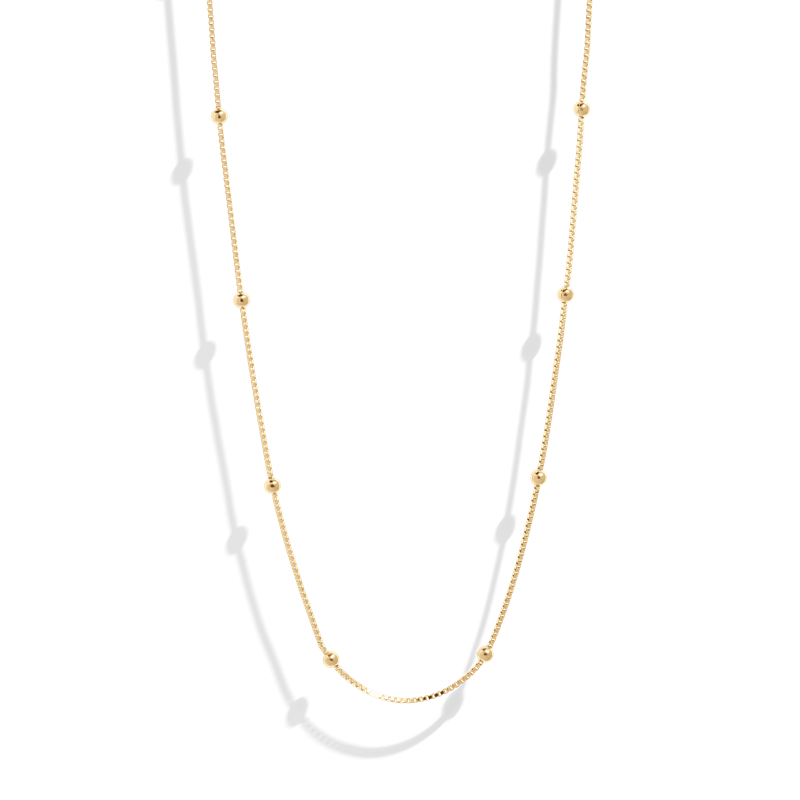
Box Chain: Sleek and sturdy with a modern edge, the box chain is excellent for everyday wear.
Singapore Chain: Twisted and elegant, this chain has a distinctive, sophisticated look.
Rope Chain: Textured and dimensional, a rope chain adds visual interest even without the pendant.
Chain Length
The length of your chain dramatically affects the overall look:
- 14-16 inches: Sits close to the collarbone like a choker—ideal for showing off a pendant.
- 18-20 inches: The most popular length for everyday wear; the pendant rests at the collarbone.
- 22 inches or longer: Creates a longer, more dramatic line; works well with larger pendants.
Many jewelers offer adjustable chains with jump rings at multiple lengths, giving you flexibility to wear the necklace at different heights.
Step 6: The Custom Manufacturing Process
Once you have made all your decisions, the jeweller brings your vision to life. Understanding the process helps you know what to expect and how long it will take.
1. Consultation and Design Brief
Your jeweller will discuss your style, budget, metal preferences, stone choices, and any special details. This can happen in person or online.
2. CAD Modelling and 3D Rendering
The designer translates your concept into a precise digital model using Computer-Aided Design (CAD) software. You will be able to view the design from multiple angles and request adjustments before any metal is cast.
3. Wax Modelling and Casting
A physical wax or resin model is created from the CAD file. This model is then used to create a mould, into which molten gold is poured to form the rough shape of your pendant.
4. Hand Crafting and Filing
Skilled jewellers file and shape the cast piece, refining every curve and edge. This is highly skilled work that blends precision and artistry.
5. Stone Setting
Your diamonds are carefully set by professional setters. Each stone is secured individually, with close attention to symmetry, alignment, and light performance.
6. Polishing and Finishing
The pendant undergoes expert polishing to achieve a flawless, mirror-like finish. The chain is attached, and the piece is given a final quality inspection.
Timeline
Custom jewellery typically takes 4 to 8 weeks from consultation to delivery, depending on design complexity. More intricate pieces with extensive pavé work may take longer, while simpler designs may be completed more quickly.
Step 7: Care and Maintenance
A custom starburst diamond coin necklace is an investment that deserves proper care.
Cleaning: Gently clean your diamond jewellery in warm, soapy water using a soft brush. Rinse thoroughly and dry with a soft cloth to maintain brilliance.
Protection: Remove your necklace during rigorous activities or when using household chemicals to prevent damage to the setting.
Storage: Store your necklace separately from other jewellery to prevent scratching. A soft pouch or a compartmentalised jewellery box is ideal.
Rhodium Replating: If you chose white gold, the rhodium plating may wear off over time and require replating to restore its bright white appearance.
Choosing the Right Jeweller
Not all jewellers are created equal when it comes to custom work. Here is what to look for:
Experience with bespoke design: Look for a jeweller who specialises in custom pieces rather than just selling ready-made stock.
In-house manufacturing: Jewellers who manufacture in-house—rather than outsourcing—offer greater control over quality and often better value.
Transparent communication: You should receive regular updates and be able to review CAD renderings before production.
Ethical sourcing: Many reputable jewellers now use ethically sourced gemstones and recycled gold.
After-sales service: Consider whether the jeweller offers cleaning, repair, and resizing services after purchase.
Conclusion
Customising a starburst diamond coin necklace in gold is a journey of discovery—discovering what you love, what matters to you, and what you want to carry with you. From the warmth of 14K yellow gold to the icy brilliance of pavé-set diamonds, from the historical resonance of a genuine coin to the deeply personal touch of an engraved inscription, every decision shapes a piece that is uniquely, irreversibly yours.
The process may take weeks, and the decisions may feel numerous, but the reward is a necklace that no one else in the world will ever own—a piece that captures light, tells your story, and endures for generations. Whether you wear it daily or save it for special occasions, your custom starburst diamond coin necklace will be more than jewellery. It will be a legacy.
Key Takeaways:
- Define your vision and budget before approaching a jeweller.
- Choose your gold karat (10K, 14K, or 18K) and colour (yellow, white, or rose) based on your lifestyle and aesthetic preferences.
- Select diamonds using the 4Cs—Cut, Colour, Clarity, and Carat—and decide between natural or lab-grown stones.
- Work with your jeweller on the starburst setting style (pavé, bezel, prong, or halo) and how the coin integrates with the design.
- Pick a chain style and length that complements the pendant and your personal style.
- Allow 4 to 8 weeks for the custom manufacturing process.
- Care for your piece with regular cleaning and protective storage.
- Choose a jeweller with bespoke expertise, in-house manufacturing, and transparent communication.