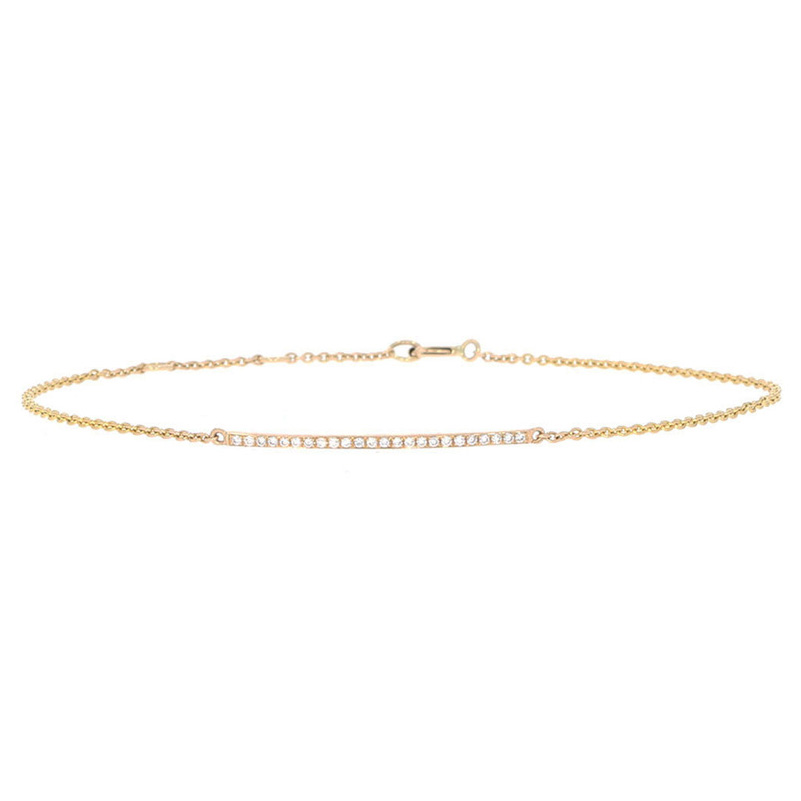
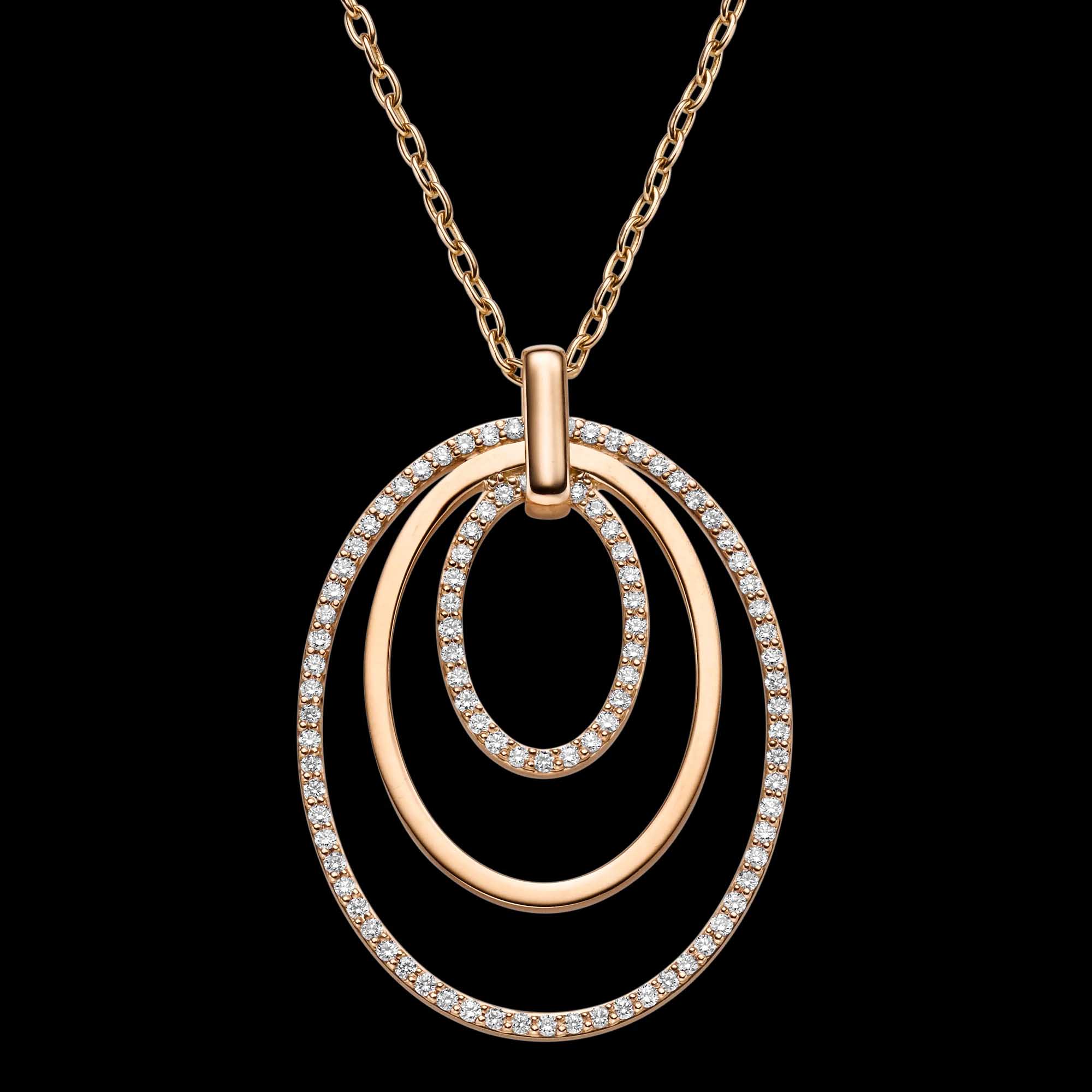
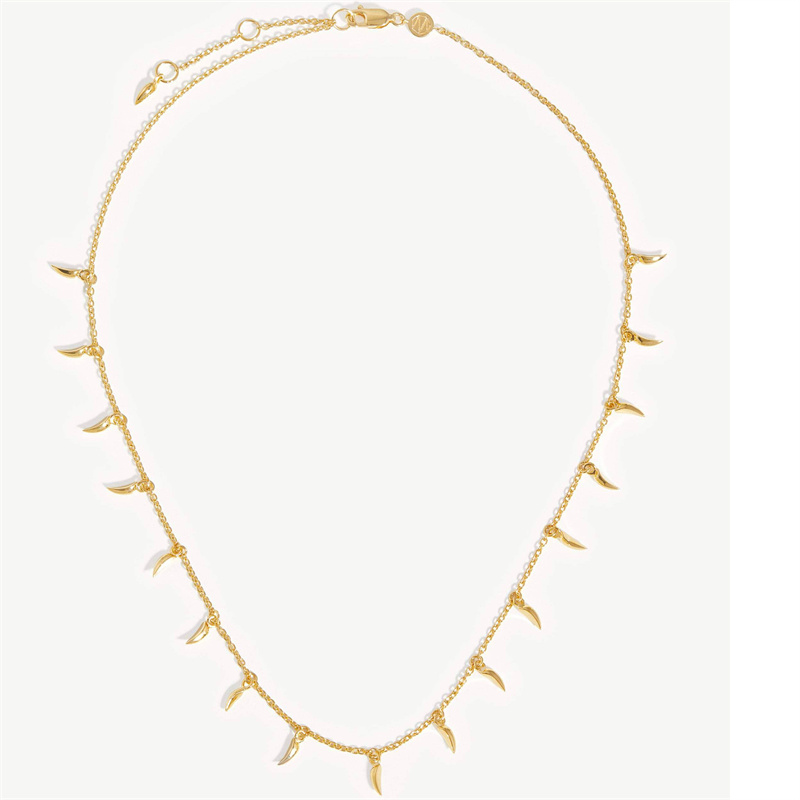
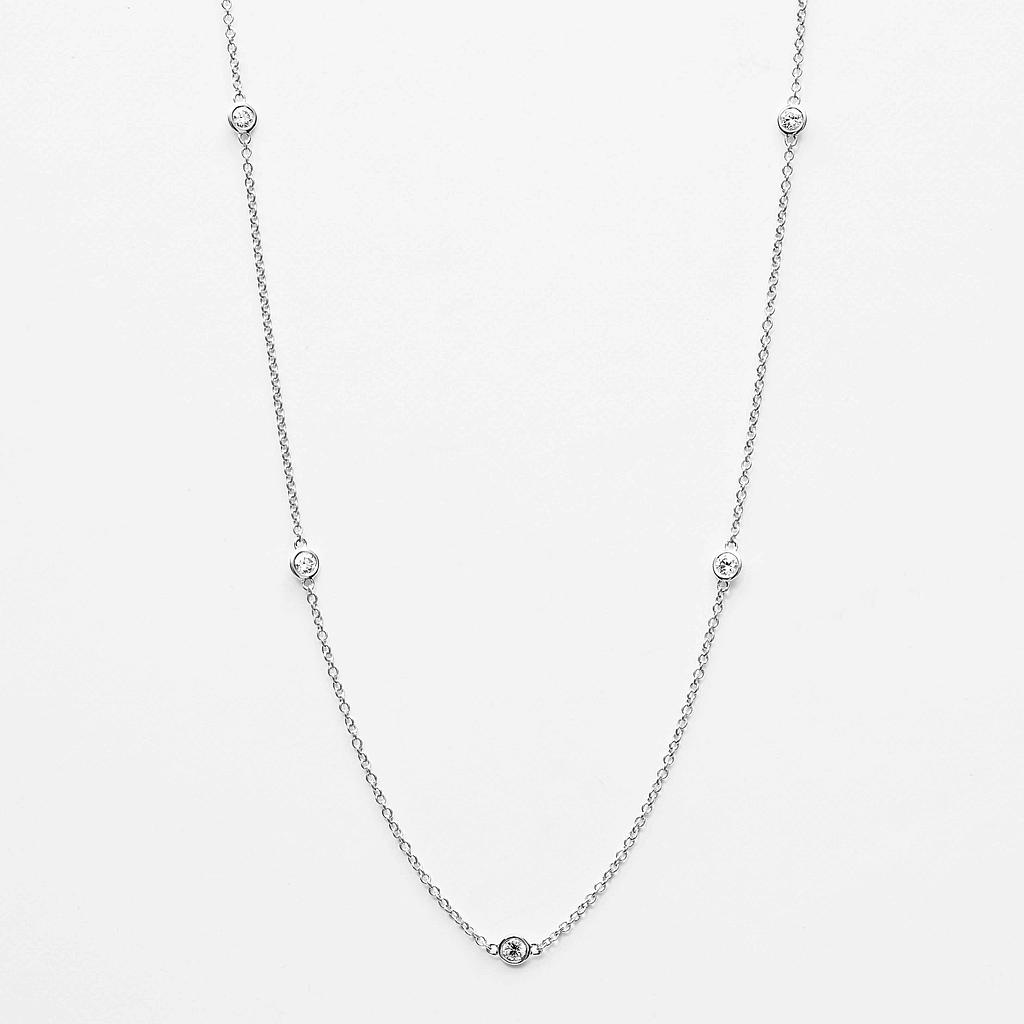
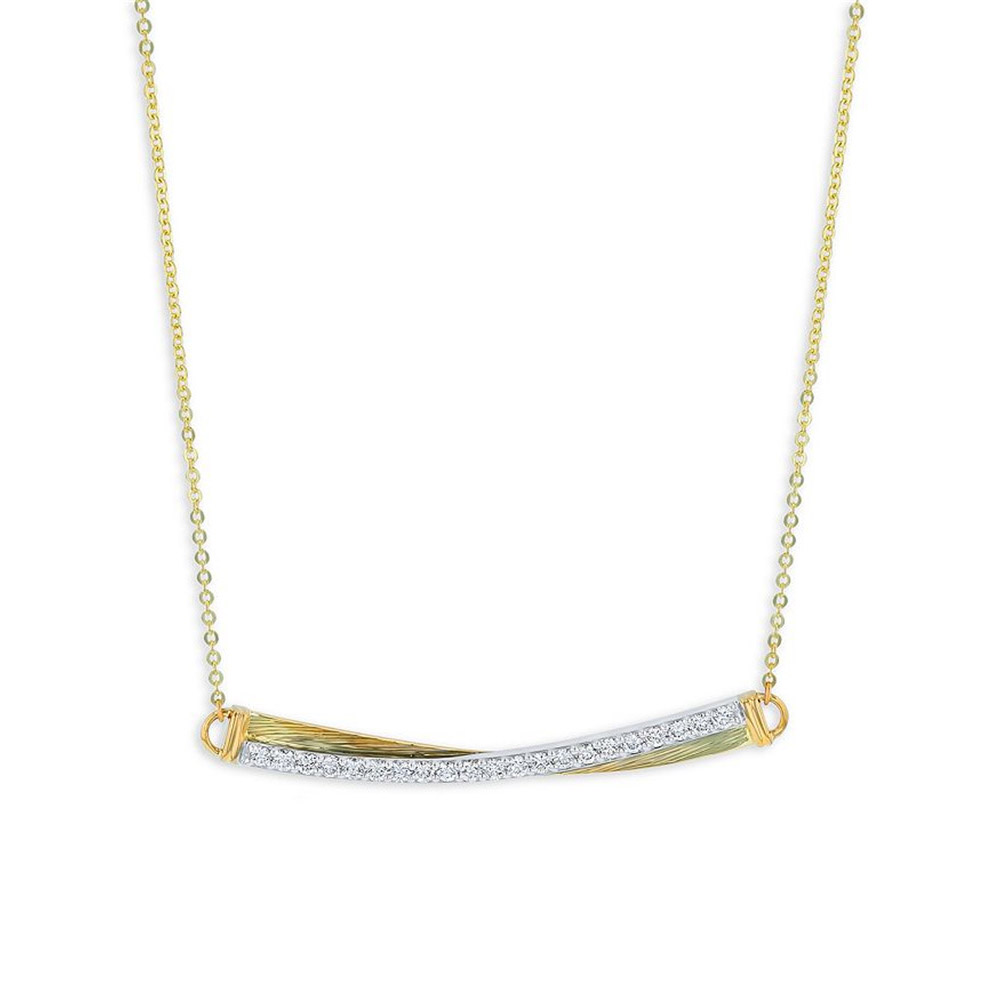
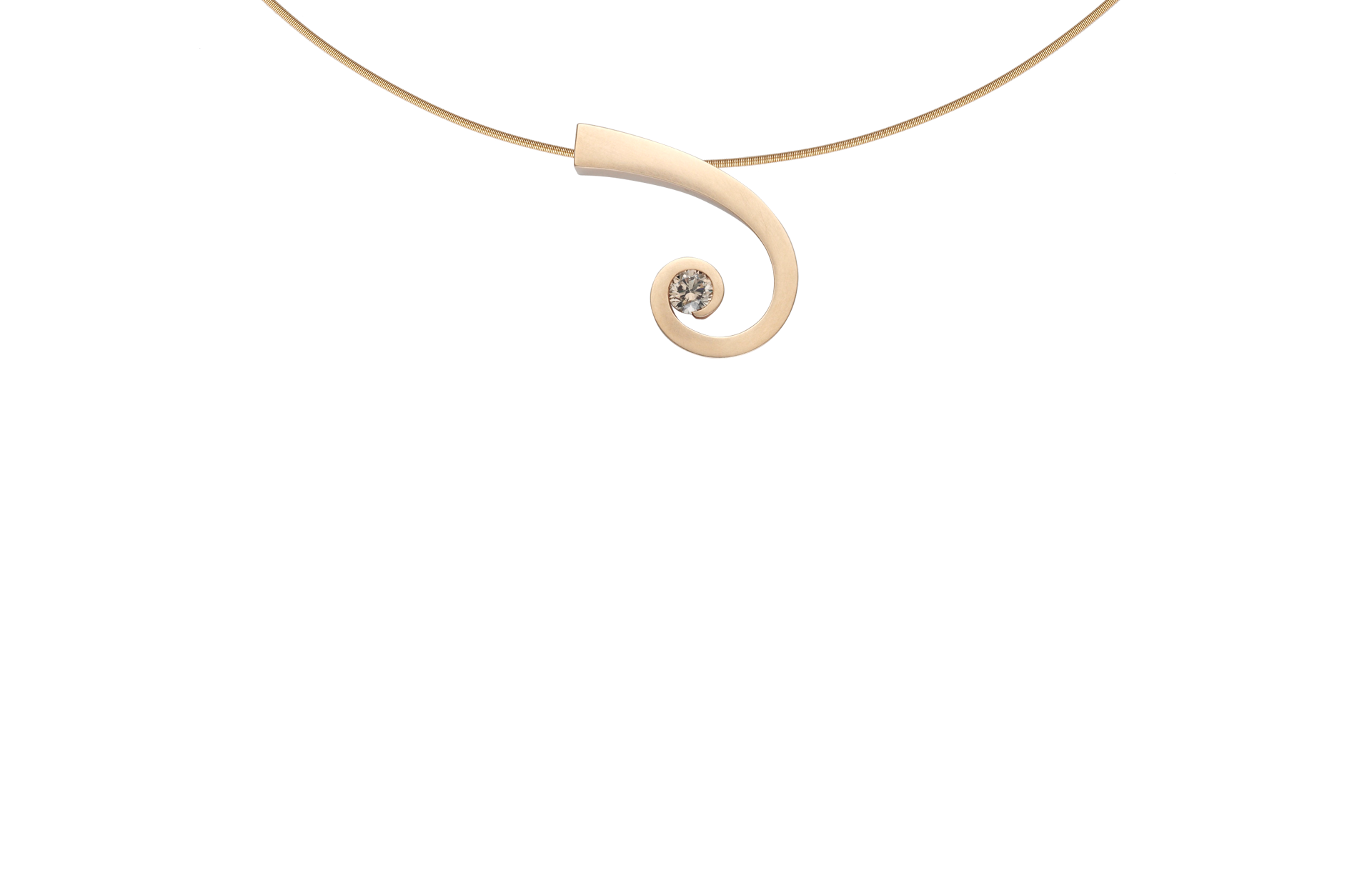
A direct OEM ODM manufacturer of genuine S925 sterling silver Lara necklace jewelry
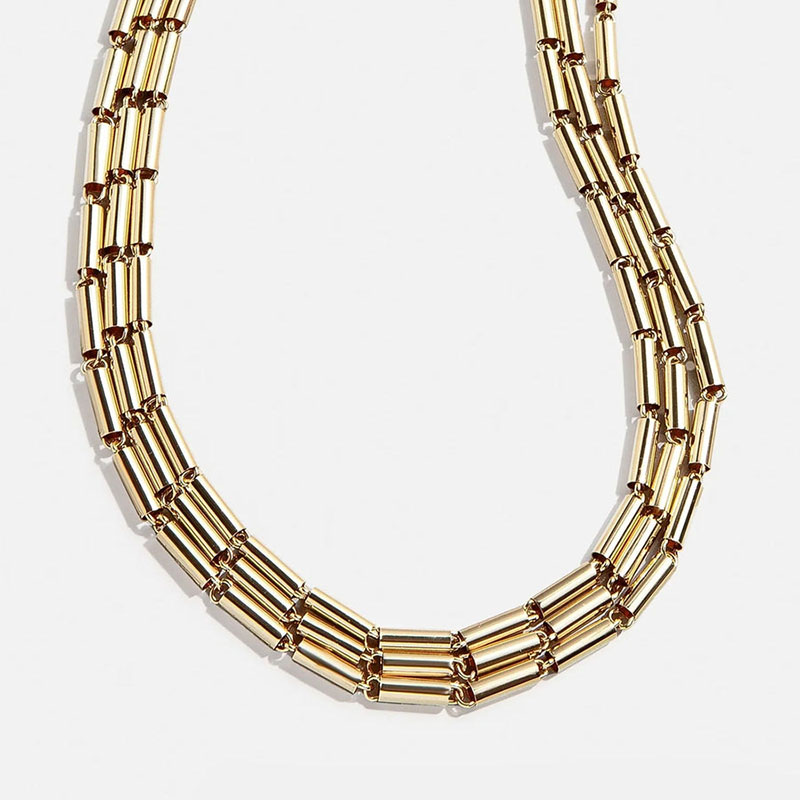
A direct OEM ODM manufacturer of genuine S925 sterling silver Lara necklace jewelry
LET’S GET STARTED : mo@kingjy.com
The Pinnacle of Craftsmanship: The Direct OEM/ODM Manufacturer of Genuine S925 Sterling Silver Lara Necklace Jewelry
In the contemporary jewelry industry, the divide between mass-produced accessories and high-end craftsmanship has never been more pronounced. At the heart of this evolution stands the direct OEM (Original Equipment Manufacturer) and ODM (Original Design Manufacturer) producer—a specialized partner capable of transforming raw materials into coveted brand assets. For the discerning brand owner seeking to introduce a signature piece to the market, the partnership with a direct manufacturer of genuine S925 sterling silver jewelry, specifically specializing in the versatile “Lara” necklace design, represents a strategic advantage. This article explores the intricate world of fine jewelry manufacturing, detailing the technical expertise, material integrity, and comprehensive service framework that define a world-class S925 sterling silver OEM/ODM provider.
The Foundation: Understanding Genuine S925 Sterling Silver
To appreciate the value offered by a direct manufacturer, one must first understand the material that forms the basis of their craft. Genuine sterling silver, hallmarked as “S925,” is not pure silver; rather, it is a meticulously engineered alloy composed of 92.5% pure silver and 7.5% other metals, typically copper. This specific ratio is not arbitrary. Pure silver (99.9%) is inherently too soft and malleable for the rigors of daily wear, prone to bending, scratching, and deformation. By introducing copper, the alloy gains necessary durability and strength while maintaining the brilliant luster and white sheen that makes silver so desirable.
A direct manufacturer distinguishes itself through the sourcing and quality control of this raw material. Leading facilities often utilize recycled silver in their production processes. This involves melting down silver remnants, refining them chemically, and alloying them with copper to meet the strict 92.5% standard. This approach not only ensures a consistent, high-purity base material but also aligns with the growing global demand for sustainable and ethically sourced jewelry. For the OEM/ODM client, this means partnering with a supplier that guarantees the material integrity of every finished piece, ensuring that each Lara necklace meets international standards for purity and hypoallergenic properties—a crucial factor for the sensitive North American and European markets.
The Direct Manufacturing Advantage: OEM vs. ODM
The terms OEM and ODM define the nature of the relationship between the manufacturer and the brand. An OEM manufacturer acts as the execution arm of a brand’s vision. Here, the client provides a specific design, a prototype, or a detailed CAD (Computer-Aided Design) file. The factory’s role is strictly production: translating the brand’s intellectual property into a physical product through casting, assembly, and finishing. This model is ideal for established brands with robust in-house design teams who require strict control over their proprietary aesthetics.
Conversely, an ODM manufacturer offers a more collaborative and design-driven partnership. The factory provides “Original Design Manufacturing,” meaning they offer a catalogue of existing designs—such as variations of the Lara lariat necklace—which the brand can select, customize, and label as their own. This model significantly reduces product development time and costs, allowing new or expanding brands to enter the market quickly with high-quality, trend-aligned pieces. A direct manufacturer offering both OEM and ODM services provides a one-stop solution. Whether a brand brings a sketch or chooses a pre-existing Lara design to modify, the factory’s in-house engineering and design teams collaborate to ensure the final product is commercially viable and manufacturable at scale.
The Alchemy of Production: From Ingot to Lara Necklace
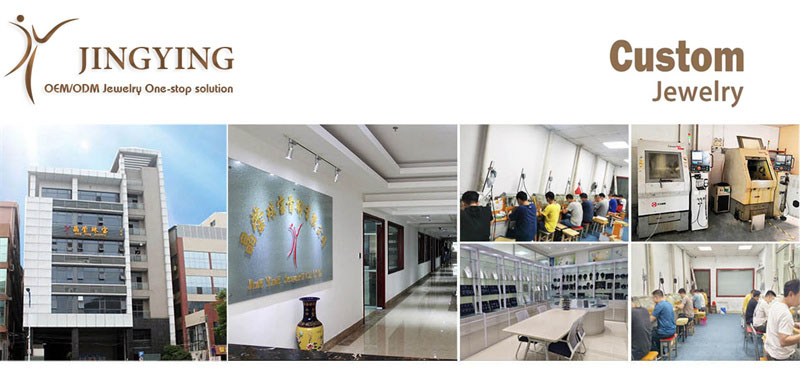
The transformation of a silver ingot into a delicate yet durable Lara necklace is a complex ballet of traditional craftsmanship and modern engineering. A direct manufacturer with integrated facilities controls every stage of this process, ensuring quality and protecting the client’s design confidentiality.
1. Design and Prototyping (Rapid Prototyping): The journey begins with the design phase. For custom OEM orders, design teams use advanced CAD software to create a 3D model of the Lara necklace. This file is then sent to a 3D Rapid Prototype (RPT) system, which uses light projection technology to “print” a physical wax model of the pendant or chain links. This wax original is crucial for creating the molds necessary for mass production.
2. Mold Making and Wax Injection: To prepare for high-volume production, the wax prototype is encased in a special type of rubber or silicone to create a vulcanized rubber mold. This mold can be used hundreds of times, enabling the mass production of identical wax replicas. Molten wax is injected into these molds, producing a “wax tree”—a central sprue surrounded by multiple replicas of the Lara pendant. This “lost wax casting” process is the industry standard for creating intricate, high-detail jewelry that maintains consistent quality across thousands of units.
3. The Lost Wax Casting Process: The wax tree is placed in a flask and submerged in a liquid investment material (plaster). Once the plaster hardens, the flask is placed in a high-temperature kiln. The wax melts and flows out, leaving behind a perfectly detailed cavity in the plaster. Molten S925 sterling silver is then centrifugally cast into this cavity. This method captures every minute detail of the original design, ensuring the Lara necklace’s signature aesthetic is maintained.
4. Assembly and Finishing: Once the metal cools, the cast silver pieces are separated from the tree. At this stage, they undergo filing and assembly, where any casting layer is removed, and components (such as the lobster clasp and chain for the Lara necklace) are joined using soldering or laser welding. For pieces requiring stones—such as cubic zirconia or semi-precious gems—expert setters then secure them using micro-pave or bezel settings, often with the aid of specialized machinery imported from Japan to ensure stones are set flawlessly without “lost stones”.
5. Polishing and Plating: To achieve the Lara necklace’s signature brilliance, the piece moves to the polishing department. Skilled craftsmen use specialized tools to remove tarnishes and imperfections, creating a flawless mirror finish. To further protect the jewelry and enhance longevity, manufacturers often apply electroplating. A base layer of silver may be applied to improve surface smoothness, followed by a final layer of rhodium or 14k gold. This plating adds a brilliant shine and acts as an anti-tarnish shield, a critical feature for sterling silver items exposed to the elements.
6. Rigorous Quality Control (QC): The mark of a premier OEM/ODM manufacturer is its QC process. Unlike smaller workshops, established factories employ dedicated QC teams that inspect pieces at every stage. They check the plating thickness using specialized machinery, ensure stone settings can withstand pressure, and confirm the purity of the S925 silver. Reputable factories operate under ISO 9000 and BSCI standards, guaranteeing consistent quality, ethical labor practices, and environmental responsibility.
The Lara Necklace: A Case Study in Design Versatility
The Lara necklace, specifically, serves as an excellent example of the synergy between design and manufacturing. Characterized as a lariat style, it typically features a delicate chain, a weight of approximately 8.5 grams, and is often adorned with a distinctive pendant—such as a scallop shell or a geometric shape—set with a central gemstone. Its versatility lies in its adjustable length, allowing the wearer to style it long or wrapped twice around the neck.
For the ODM manufacturer, the Lara design represents a staple. A factory offering this design in their catalogue demonstrates an understanding of market trends—minimalist elegance combined with symbolic meaning, such as the scallop shell representing transformation. For the brand, a direct manufacturer can produce this design with custom variations. They can adjust the chain length, alter the diameter of the pendant (often around 14mm), change the stone type, or plate the piece in different finishes, all while maintaining the core design integrity.
Logistics and Market Reach
A direct manufacturer is also a global logistics hub. With factories often located in key manufacturing regions like China or Vietnam, they leverage established supply chains to serve markets worldwide—from the Americas and Europe to the Middle East. They offer flexible Minimum Order Quantities (MOQs) and customizable packaging, allowing brands to launch their Lara necklace collections with low upfront risk. With the ability to produce up to 600,000 pieces per month, these manufacturers ensure that brands can scale rapidly to meet demand without compromising on quality or delivery timelines.
Conclusion
In a marketplace saturated with fleeting trends, the genuine S925 sterling silver Lara necklace stands as a testament to lasting elegance. However, its journey from concept to consumer relies entirely on the technical mastery of the manufacturer. A direct OEM/ODM producer is more than a factory; it is a strategic partner that offers material integrity through genuine S925 sterling silver, design flexibility through OEM/ODM services, and uncompromising quality through meticulous craftsmanship and strict quality control.
By controlling the supply chain—from silver sourcing and alloying to final polishing and packaging—these manufacturers provide brands with the assurance needed to build consumer trust and achieve commercial success. Whether a brand seeks to bring a unique design to life or adapt an existing style like the Lara, the direct manufacturer provides the essential blend of artistry, technology, and reliability. In the world of fine jewelry, the path to success is forged in the foundry of the OEM/ODM manufacturer, where the purity of S925 silver is transformed into a piece that resonates with the modern consumer.