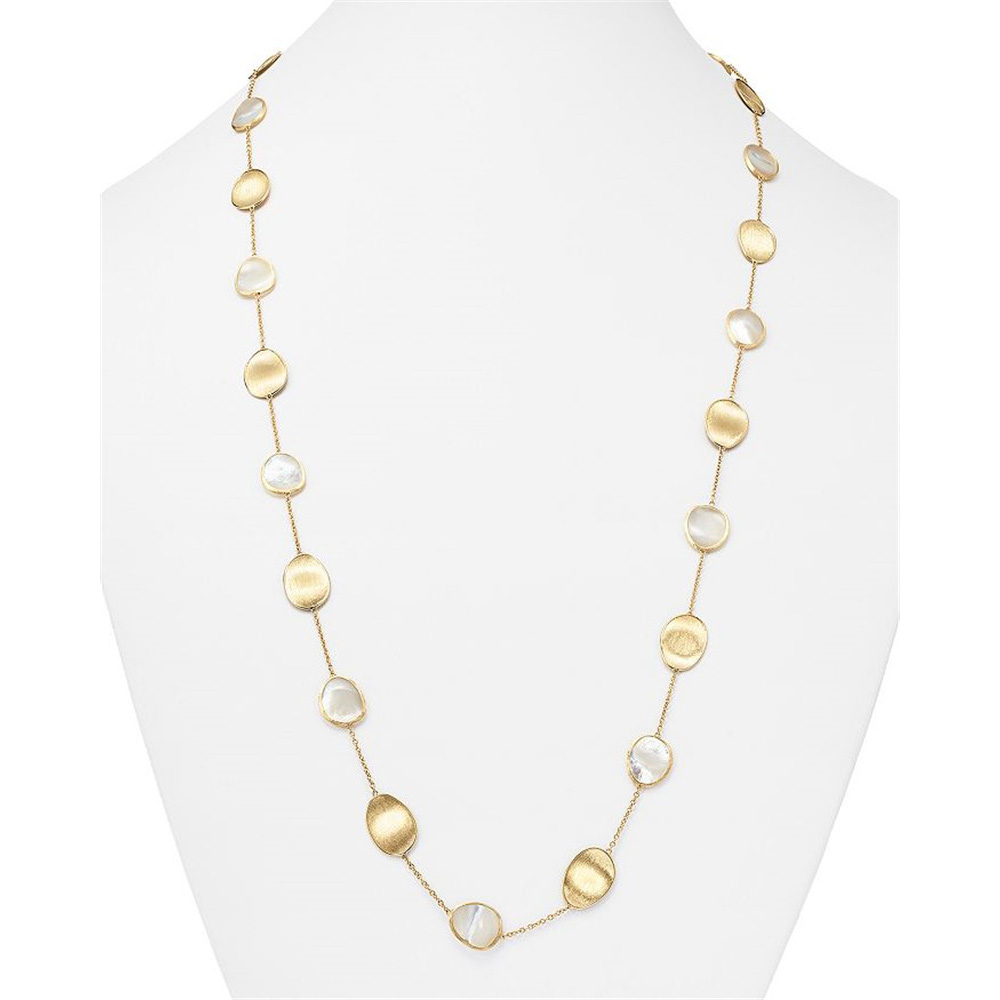
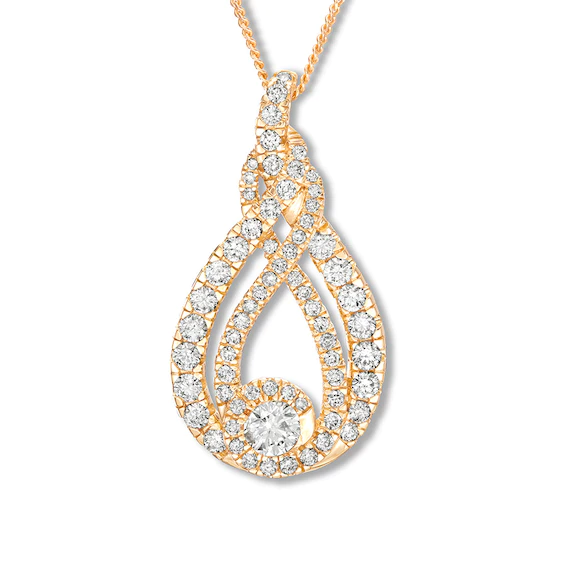
925 Custom Sterling Silver Jewelry Factory OEM ODM Rainbow Necklace In Gold Vermeil
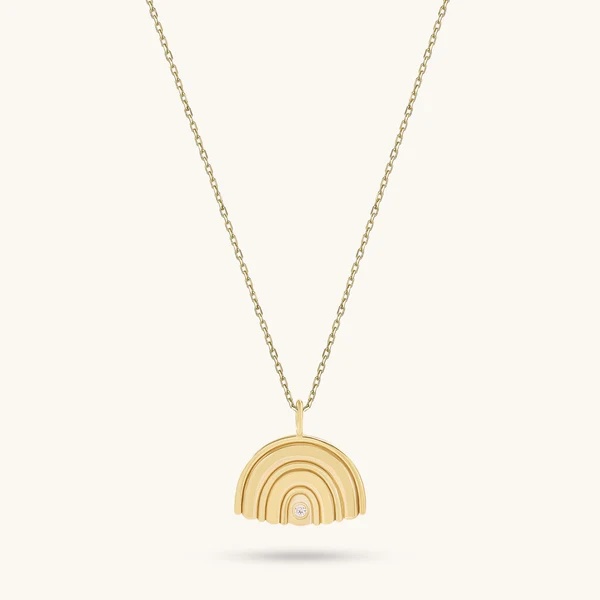
925 Custom Sterling Silver Jewelry Factory OEM ODM Rainbow Necklace In Gold Vermeil
LET’S GET STARTED : mo@kingjy.com
How to Custom a 925 Sterling Silver Jewelry Rainbow Necklace in Gold Vermeil
Introduction
A rainbow necklace in gold vermeil is one of those rare pieces that manages to be both playful and sophisticated. The cascade of colorful gemstones catches light from every angle, while the warm glow of gold vermeil elevates the entire design into something that feels truly luxurious. But when you decide to custom-make such a piece—rather than buying it off the shelf—you’re stepping into a world of choices that will determine not just how it looks, but how long it lasts, how it feels against your skin, and whether it becomes a treasured heirloom or a fleeting fashion experiment.
This guide walks you through every stage of customizing a 925 sterling silver rainbow necklace in gold vermeil, from understanding what vermeil actually is to selecting stones, working with manufacturers, and caring for the finished piece.
Understanding Gold Vermeil: The Foundation of Quality
Before you design anything, you need to understand what you’re asking for. Gold vermeil (pronounced “ver-MAY”) is not merely gold-plated jewelry dressed up with a fancy name. It is a legally defined standard with specific requirements that separate it from mass-produced costume jewelry.
To qualify as genuine vermeil, a piece must meet three criteria:
- A sterling silver base — specifically 925 sterling silver, which means 92.5% pure silver alloyed with 7.5% other metals (usually copper) for strength.
- A gold layer of at least 2.5 microns thick — this is roughly five times thicker than standard gold plating, which typically uses just 0.5 microns.
- Gold purity of 10 karats or higher — though most high-quality vermeil uses 14k or 18k gold for richer color and better durability.
Why does this matter for your custom necklace? Because the thickness of the gold layer directly determines how long your piece will maintain its luxurious appearance. Standard gold plating wears through at friction points—clasps, edges, the back of pendants—within one to two years of daily wear, exposing the base metal underneath. Genuine vermeil, with its 2.5-micron gold layer, can last a decade or more with proper care.
When you’re commissioning a custom piece, insist on documentation of the gold thickness. If a manufacturer won’t specify or verify it, assume the gold layer is too thin.
Why 925 Sterling Silver as the Base
The choice of 925 sterling silver as the base metal is not arbitrary. Sterling silver offers several advantages that make it ideal for custom jewelry:
Hypoallergenic properties — Unlike brass, copper, or nickel alloys commonly used in cheap gold-plated jewelry, sterling silver rarely causes allergic reactions or the green discoloration associated with base metals.
Durability — Sterling silver holds its shape better than softer metals, which is critical when you’re setting multiple gemstones in a rainbow arrangement. The 92.5% silver content provides strength while remaining workable for intricate designs.
Value — A vermeil piece carries inherent value from both the silver base and the gold layer, unlike plated brass or copper which has negligible intrinsic worth.
Regulated quality — The ’925′ hallmark is internationally recognized. When you see it stamped on a piece, you know exactly what you’re getting.
Designing Your Rainbow Necklace
Choosing the Rainbow Stones
The “rainbow” in your necklace is typically achieved through a gradient of colored gemstones. Common choices include amethyst (purple), Swiss blue topaz (blue), sky blue topaz (light blue), green tourmaline (green), citrine (yellow), and pink or peach tourmaline (pink/peach). Some designs also incorporate rainbow moonstone, which displays an iridescent play of colors rather than a fixed gradient.
When selecting stones for a custom piece, consider:
Natural vs. lab-created — Natural gemstones offer uniqueness and organic variation, but lab-created stones provide consistent color and often come at a lower price point.
Stone size and cut — Rainbow necklaces typically use stones between 3.5mm and 4mm, arranged in a graduated or consistent pattern. The cut affects how light interacts with each stone—round cuts offer classic sparkle, while marquise or pear shapes create a more distinctive silhouette.
Color sequencing — The classic rainbow follows the spectrum (red, orange, yellow, green, blue, indigo, violet), but you can customize this. Some designs use pastel variations for a softer look, while others incorporate birthstones for personal meaning.
Pendant and Chain Design
The pendant setting must accommodate multiple stones while maintaining structural integrity. Common approaches include:
Station necklace — Stones are spaced evenly along the chain, creating a “station” effect where each gemstone sits like a separate stop on a journey.
Cluster or array — Stones are grouped closely together in a pendant, often in a curved or circular arrangement that mimics a rainbow arc.
Graduated drop — Stones increase or decrease in size along the chain, creating a dynamic, flowing effect.
Chain length is another consideration. Most custom rainbow necklaces offer adjustable lengths, typically 16 to 18 inches, allowing the wearer to customize the drop. Some designs extend to 20 inches for a more dramatic statement.
The Customization Process: Step by Step
Step 1: Define Your Vision
Begin by gathering reference images, sketches, or descriptions of what you want. Be specific about:
- The type and size of gemstones
- The arrangement pattern
- The chain style and length
- Any engraving or personalization (names, dates, initials)
Most custom jewelry manufacturers start with a design consultation where you communicate these preferences.
Step 2: Material Sourcing and Confirmation
Once your design is approved, the manufacturer sources the materials. For a vermeil piece, this means:
- Confirming the 925 sterling silver base
- Verifying the gold purity (14k or 18k) and thickness (minimum 2.5 microns)
- Sourcing the specific gemstones in your chosen colors and sizes
This is the stage where you should request written confirmation of all specifications, particularly the gold thickness.
Step 3: Creating the Master Model
For custom designs, the manufacturer typically creates a master model—either through traditional wax carving or 3D CAD modeling. The lost-wax casting process is common: molten 925 sterling silver is forced into a cavity created from the wax model, producing a precise silver replica of your design.
Step 4: Casting and Finishing
The sterling silver piece is cast, then meticulously cleaned and polished. This preparation stage is critical—any contaminants on the silver surface will prevent the gold from bonding properly, leading to peeling or blistering.
Step 5: Stone Setting
Stones are typically set before the gold plating process. This ensures the settings are secure and minimizes post-plating adjustments, which can crack the gold layer.
Step 6: Gold Plating (Vermeil Application)
The actual vermeil process uses electroplating. The silver piece is submerged in a solution containing dissolved gold ions and subjected to an electrical current, which causes the gold ions to bond to the silver surface. Quality manufacturers often apply a barrier layer—such as palladium—before the gold to improve adhesion and prevent discoloration.
Some manufacturers apply a two-stage plating process: first a thick silver plating to ensure a smooth surface, then the real gold plating. The gold layer must be at least 2.5 microns thick and evenly applied across all surfaces.
Step 7: Quality Control
Before delivery, the piece should undergo specific vermeil quality checks:
- Gold thickness testing (X-ray fluorescence or equivalent)
- Visual inspection at wear points (clasps, edges, prongs)
- Adhesion testing
- Edge and corner inspection
Step 8: Delivery Timeline
Custom vermeil jewelry typically requires 10 to 21 business days for production. Factor this into your planning, especially if the piece is intended as a gift.
Caring for Your Custom Vermeil Rainbow Necklace
Gold vermeil is durable, but it requires thoughtful care to maintain its beauty over years of wear.
Keep it dry — Remove your necklace before showering, swimming, or exercising. Water, particularly chlorinated or salt water, can accelerate wear on the gold layer.
Avoid chemicals — Perfumes, lotions, hairspray, and household cleaners can dull the gold finish. Always put jewelry on last when getting ready and remove it first when coming home.
Clean gently — Use warm water with mild soap and a soft cloth. Avoid harsh chemicals, abrasive cleaners, or ultrasonic cleaners that could damage the gold layer or loosen stones.
Store separately — Keep your necklace in an anti-tarnish pouch or soft cloth, ideally separated from other jewelry to prevent scratches.
Polish sparingly — Silver polishing cloths can remove the gold layer if used aggressively. For vermeil, a soft jewelry cloth is sufficient for maintaining shine.
With proper care, a well-made vermeil piece can last for years—some say even a lifetime in low-wear situations. And because the base is sterling silver, the piece can be re-plated when the gold eventually shows wear, restoring it to its original luster.
Final Thoughts
Customizing a 925 sterling silver rainbow necklace in gold vermeil is an investment in both beauty and longevity. The process requires attention to detail—from verifying the gold thickness to selecting stones that create the perfect gradient. But the reward is a piece that reflects your personal style, fits your preferences precisely, and carries the quality of fine jewelry at a fraction of the cost of solid gold.
The key takeaways for anyone embarking on this customization journey are simple: insist on genuine 925 sterling silver, verify the gold layer is at least 2.5 microns, choose a manufacturer who documents their quality control, and commit to proper care once the piece is in your hands. With these principles in place, your custom rainbow necklace will not just be a fashion accessory—it will be a lasting treasure.