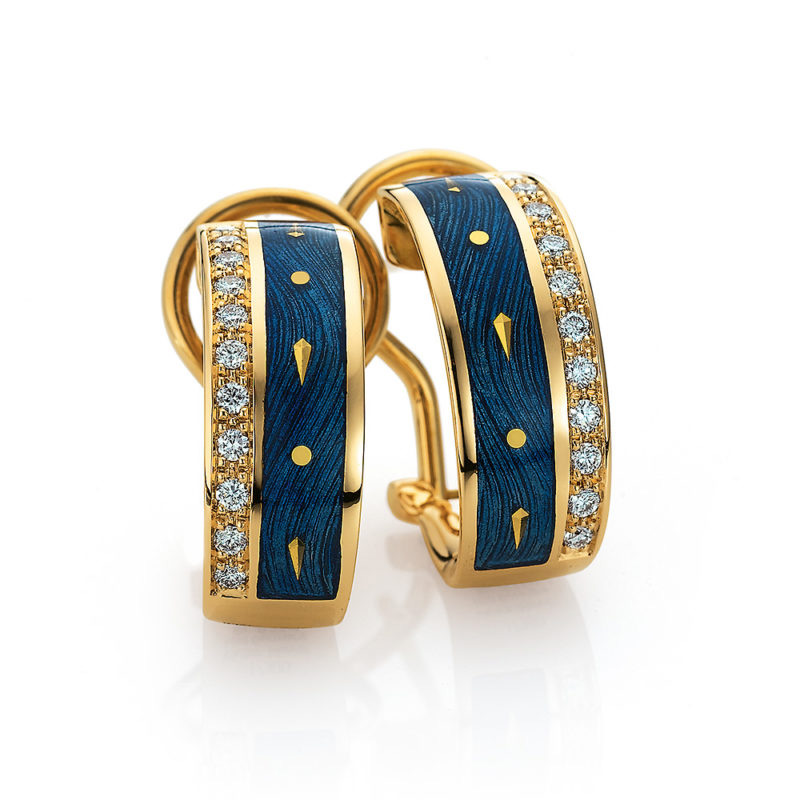
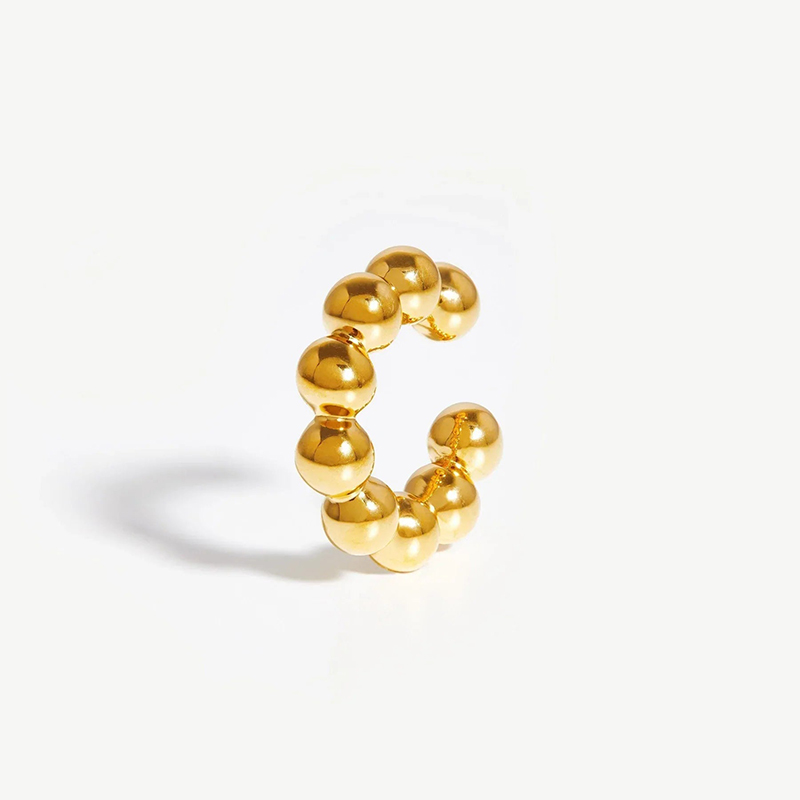
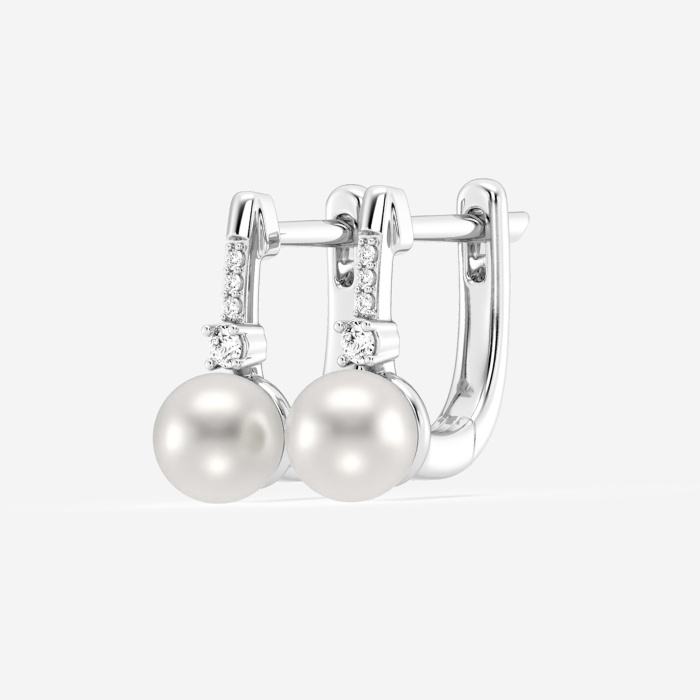
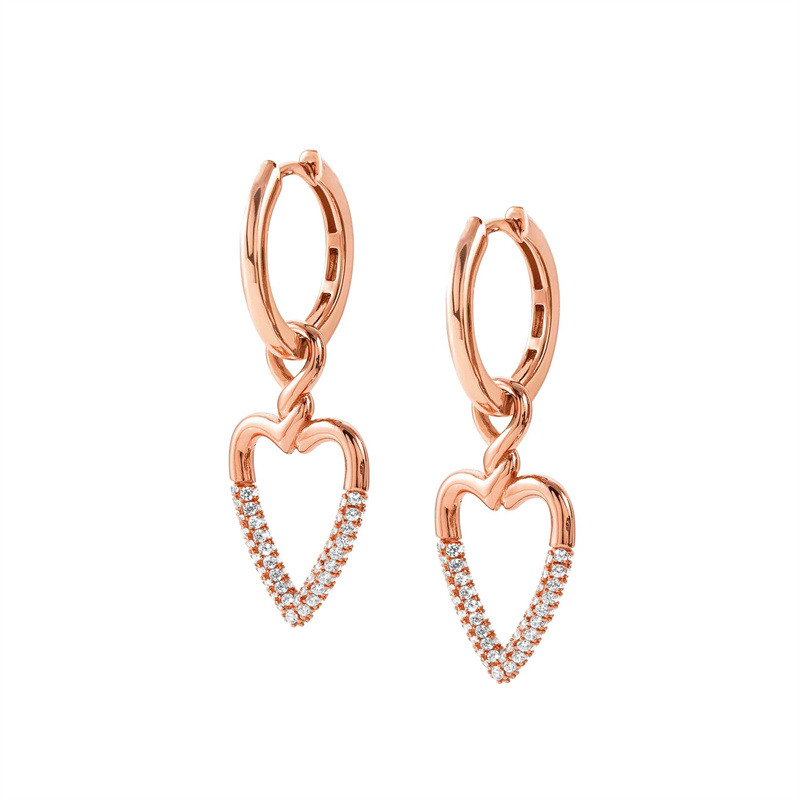
The OEM Manufacturer of Hexagonal Shiny Earrings in 925 Silver plated with 18Kt Yellow Gold
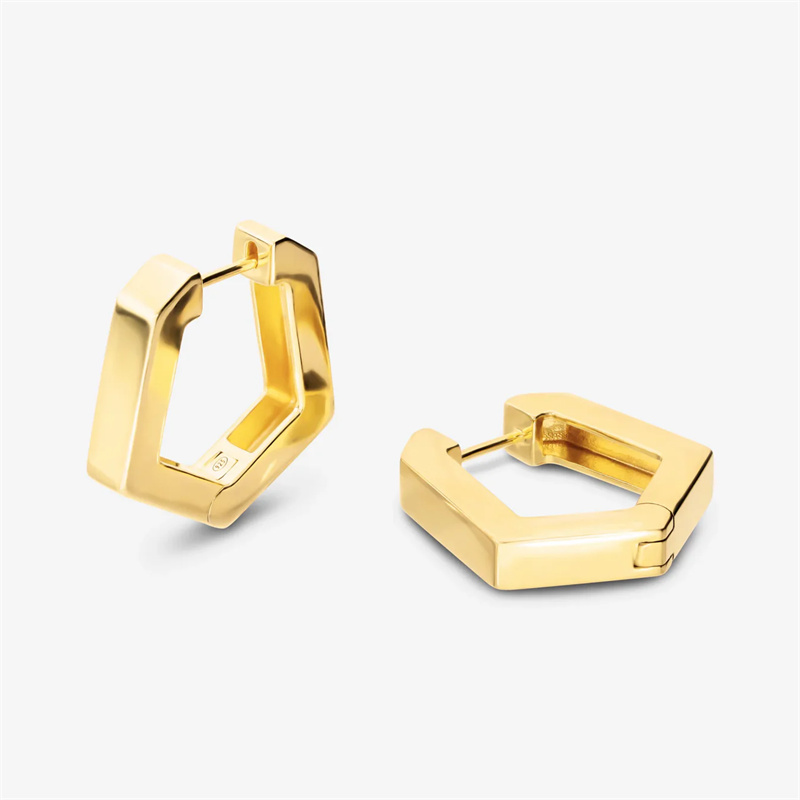
The OEM Manufacturer of Hexagonal Shiny Earrings in 925 Silver plated with 18Kt Yellow Gold
LET’S GET STARTED : mo@kingjy.com
Precision and Shine: How to Produce Hexagonal Shiny Earrings in 925 Silver Plated with 18Kt Yellow Gold at JINGYING
Introduction
In the competitive world of fashion accessories, geometric shapes—particularly hexagons—have emerged as a dominant trend. The hexagon offers a perfect blend of modern minimalism and structural integrity, making it a favorite for contemporary jewelry design. When this shape is combined with the warmth of 18-karat yellow gold and the affordability of sterling silver, the result is a product that balances luxury with everyday wearability.
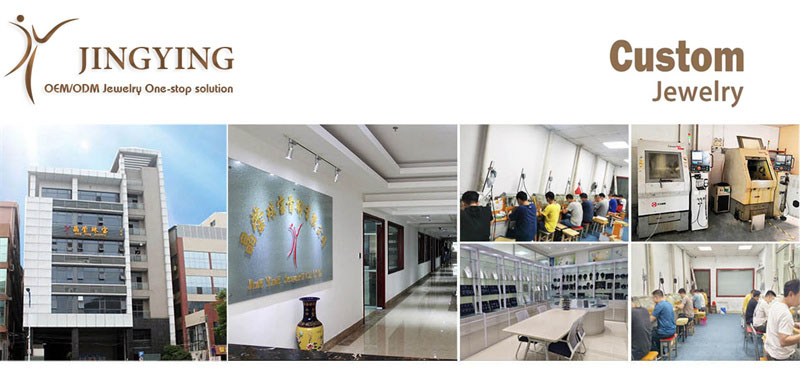
JINGYING Jewelry, a premier OEM/ODM manufacturer established in 1998, specializes in exactly this type of high-precision production. With manufacturing bases in Guangzhou and Wuzhou, JINGYING has the technical capacity to produce up to 80,000 pieces per month, utilizing advanced techniques like PVD coating and 3D wax printing.
This article provides a comprehensive, step-by-step guide to producing “Hexagonal Shiny Earrings” using a 925 sterling silver base with an 18-karat yellow gold finish at JINGYING. We will explore the journey from initial CAD design to the final quality assurance checks, highlighting the specific technologies and craftsmanship that ensure a superior mirror-like shine.
Phase 1: Design and Technical Preparation (CAD/CAM)
1.1 Conceptualization and 3D Modeling
The production process begins not on the factory floor, but on a computer screen. At JINGYING, the design team utilizes industry-standard software such as Rhino (with Grasshopper for parametric design) and JewelCAD.
For a hexagonal shiny earring, precision is paramount. The “shiny” effect relies entirely on the flatness of the facets. If the surface is warped or uneven by even 0.01mm, the reflection will distort. The designer creates a parametric model where the hexagon’s depth, bevel angles, and edge sharpness are strictly defined. High-definition rendering allows clients to visualize how light will dance across the gold surface before any metal is melted.
1.2 Wax Injection and Tree Assembly
Once the digital model is finalized, JINGYING utilizes high-resolution 3D printers to create the master resin model. This master is used to create a silicone mold. For mass production, liquid wax is injected into these molds using vacuum injection machines to prevent air bubbles—an enemy of a smooth surface. The wax models are then meticulously attached to a wax “tree” (sprue). The positioning at this stage is critical for the casting phase to ensure the metal flows evenly into the sharp corners of the hexagon.
Phase 2: The Casting Process – Forming the Silver Core
2.1 Investment (Lost Wax) Casting
JINGYING employs the classic “Lost Wax” casting method, refined for industrial efficiency. The wax tree is placed in a flask and surrounded by a refractory (heat-resistant) investment material. Once the plaster hardens, it is placed in a high-temperature furnace. The wax burns away (or is “lost”), leaving a negative cavity of the earring inside the plaster block.
2.2 Melting and Centrifugal Casting
The 925 sterling silver alloy (92.5% pure silver, 7.5% copper for hardness) is melted in a crucible at precise temperatures. To ensure the molten silver reaches the sharp, angular corners of the hexagonal design, JINGYING utilizes centrifugal or vacuum casting machines. The vacuum suction pulls the liquid metal into every crevice of the mold, ensuring the resulting silver piece has sharp, defined edges rather than rounded, soft corners.
2.3 Quenching and Cutting
After casting, the plaster is quickly quenched in cold water. The thermal shock removes the plaster, revealing the raw silver tree adorned with silver earring blanks. These are clipped off, leaving a small sprue (nub) that will be ground down in finishing.
Phase 3: Surface Preparation – The Secret to “Shiny”
The quality of the 18K gold plating is entirely dependent on the quality of the silver surface beneath it. Gold is a “conformal” coating; it will magnify any scratch or pit present in the silver. Therefore, JINGYING dedicates significant labor to pre-plating finishing.
3.1 Filing and Grinding
Skilled technicians use fine files to remove the casting sprues and any microscopic “fins” (excess metal) along the hexagon’s edges. Because the earring is hexagonal, maintaining the geometric integrity is crucial; rounding an edge here would ruin the “shiny” geometric aesthetic.
3.2 Progressive Polishing (The Mirror Finish)
To achieve a mirror shine, the earrings go through a series of wheels and compounds:
- Cutting (Coarse): Silicon carbide wheels remove deep casting textures.
- Colorizing (Fine): Tripoli compound buffs out the coarse scratches.
- Coloring (Ultra-fine): White diamond compound creates a soft sheen.
- Hand Polishing: For flat facets (like the face of a hexagon), machine wheels can sometimes create “orange peel” distortion. JINGYING employs skilled workers who use precise, flat hand files and felt blocks to ensure the silver is flat and scratch-free.
3.3 Ultrasonic Cleaning
After polishing, the earrings are covered in grease, dust, and compound residue. They are placed in industrial ultrasonic tanks filled with deionized water and detergent. High-frequency sound waves create microscopic cavitation bubbles that scrub the surface at a molecular level. A “water break test” is performed: if the water forms a continuous sheet on the metal rather than beading up, it is chemically clean and ready for plating. Contamination is the number one cause of plating failure.
Phase 4: The 18K Yellow Gold Plating Process
JINGYING distinguishes itself through its high-end electroplating technology, often utilizing PVD (Physical Vapor Deposition) or advanced electroplating for thicker, more durable results.
4.1 Activation and Base Coating
The clean silver enters the plating line. Since silver has a natural oxide layer, it is dipped in an acid activation solution to expose fresh metal. It then receives a flash layer of nickel or a nickel-free barrier (like palladium or copper). This barrier is essential because silver and gold ions migrate into each other over time. Without a barrier, the gold would eventually turn pale as the silver leaches through.
4.2 Gold Plating (18Kt)
The earrings are submerged in a tank containing a solution of dissolved 18-karat gold (75% pure gold, 25% alloy metals like copper and silver, which give it the warm yellow hue). An electric current is passed through the solution.
- Vermeil Standard: JINGYING often plates to “Vermeil” standards, meaning the gold layer thickness reaches a minimum of 2.5 microns, far exceeding standard fashion jewelry (typically 0.03 to 0.05 microns).
- PVD Option: For high-wear items, JINGYING utilizes PVD (Physical Vapor Deposition). In a vacuum chamber, the gold is vaporized and bonds to the silver at an atomic level. This results in a coating that is highly resistant to scratching.
4.3 Color Matching
The color of the 18K yellow gold is strictly controlled using a spectrophotometer. JINGYING can match specific Pantone shades or “warmth” levels, ensuring that the hexagon earrings from batch 1 look identical to batch 100.
4.4 Electro-cleaning and Drying
After plating, the earrings pass through cascading reverse osmosis (RO) water rinses to remove chemical residues. They are dried in heated sawdust tumblers or ovens to prevent water spots, which would ruin the “shiny” finish.
Phase 5: Post-Plating Polishing (The “Goloshi” Effect)
A common misconception is that plating is the final step. To achieve the extreme “shiny” or “mirror” finish demanded for hexagonal jewelry, JINGYING employs a technique known colloquially as “goloshi” (High Polish) .
After the gold is applied, the earrings are gently “strop polished” using soft chamois leather wheels charged with a tiny amount of red rouge (iron oxide) powder. This removes microscopic irregularities from the gold layer without stripping the thickness. For a hexagonal shape, the flat surfaces receive this high-speed buff, while the edges may be left matte or “frosted” to create a striking two-tone contrast, highlighting the geometry.
Phase 6: Assembly and Quality Control (QC)
6.1 Component Assembly
The hexagonal face may be produced separately from the earring post (pin) and back finding. At JINGYING, these components are laser welded together. Laser welding provides a concentrated heat source that fuses the silver without melting the surrounding gold plating or the delicate geometric edges.
6.2 Microscopic Inspection
Each earring is inspected under magnification. Inspectors look for:
- Plating Burns: Discoloration from too much current.
- Peeling: Indicates a failure in the pre-treatment cleaning process.
- Geometry: Ensuring the hexagon is still sharp and true.
6.3 Mechanical Testing
- Pull Test: The earring post is pulled to ensure the solder/weld holds.
- Porosity Test: XRF (X-ray fluorescence) analyzers are used to scan the metal. This verifies the purity of the 925 silver and the thickness of the 18K gold layer without destroying the product.
6.4 Salt Spray Test
To guarantee the earrings are “tarnish resistant” and suitable for export, samples are placed in a salt spray chamber. This simulates years of wear (exposure to sweat and humidity) in a compressed time frame. JINGYING’s high-quality nickel barriers and thick gold layers ensure the product passes these international standards.
Phase 7: Packaging
The final step is highly automated to protect the delicate shine. Earrings are not simply tossed into bags; they are placed in custom-cut foam inserts within paper boxes or velvet pouches. This prevents the gold hexagons from rubbing against each other during shipping, which would cause micro-scratches. JINGYING offers full OEM packaging solutions, from simple poly bags for bulk orders to high-end gift boxes for luxury brands.
Why JINGYING for This Specific Product?
Producing a geometric, shiny earring is technically challenging. Many manufacturers can make a round or oval shape easily because curves hide flaws. A flat, hexagonal plane acts as a “truth mirror”—every scratch, wave, or porosity is visible to the naked eye.
JINGYING excels here for three reasons:
- Volume Capacity: With a capacity of 50,000 to 80,000 pieces per month, they can scale a niche design like a hexagon to mass-market levels.
- Thick Plating: They specialize in heavy gold plating (up to 3.0 microns), ensuring the “gold” look lasts longer than standard cheap alternatives.
- Precision Tooling: Their Japanese-influenced quality control systems emphasize straight lines and sharp angles, respecting the geometry requested by designers.
Conclusion
Producing Hexagonal Shiny Earrings in 925 Silver plated with 18Kt Yellow Gold is a marriage of art and science. At JINGYING, the process is a delicate dance of metallurgy and craftsmanship. It starts with a precise 3D model, moves through the high-heat drama of lost-wax casting, requires the painstaking hand-finishing of silver facets, and culminates in the electrochemical magic of 18-karat gold deposition.
The result is a piece of jewelry that offers the luxurious look of solid gold, the strength of sterling silver, and the sharp, modern appeal of geometric design—all at a price point accessible to the contemporary consumer. For brands looking to offer this trendy item, JINGYING provides the technical infrastructure to ensure every hexagon shines brilliantly, from the first piece to the 80,000th.