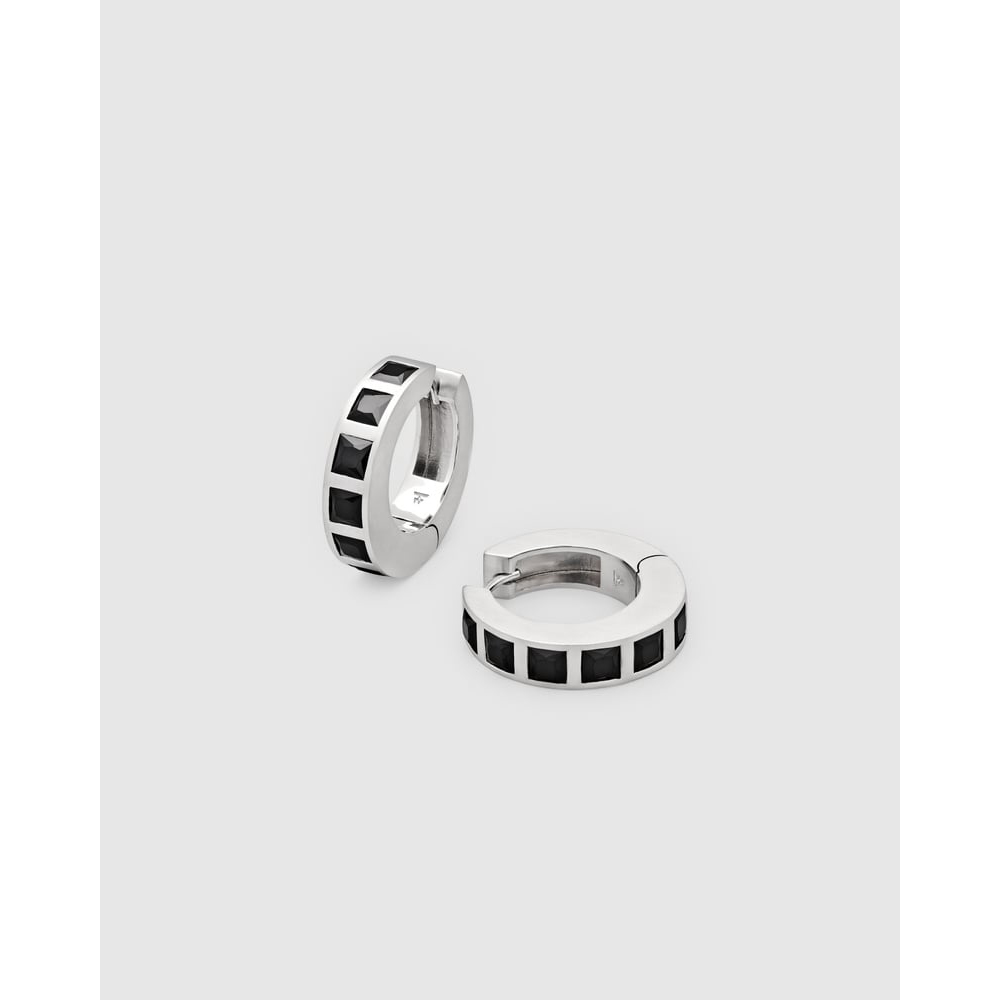
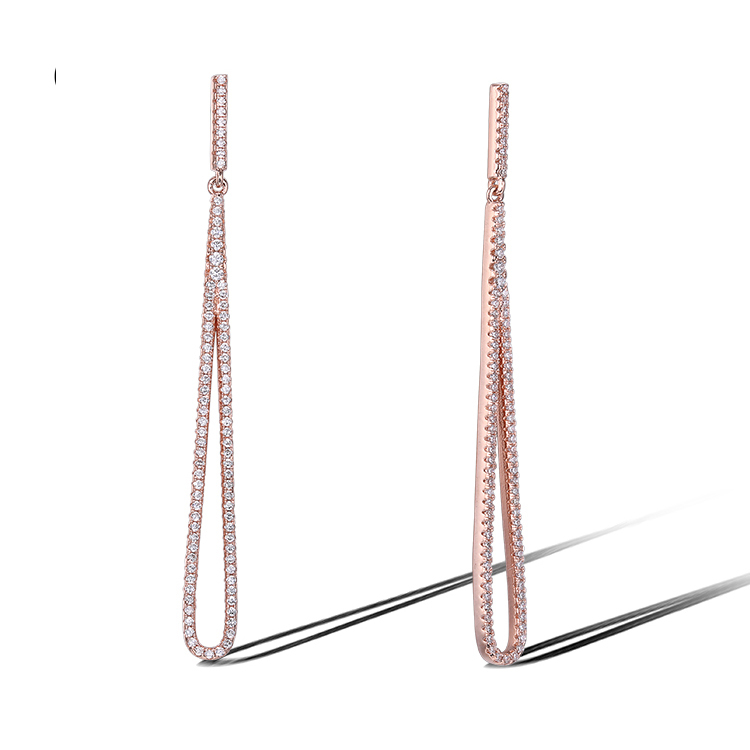
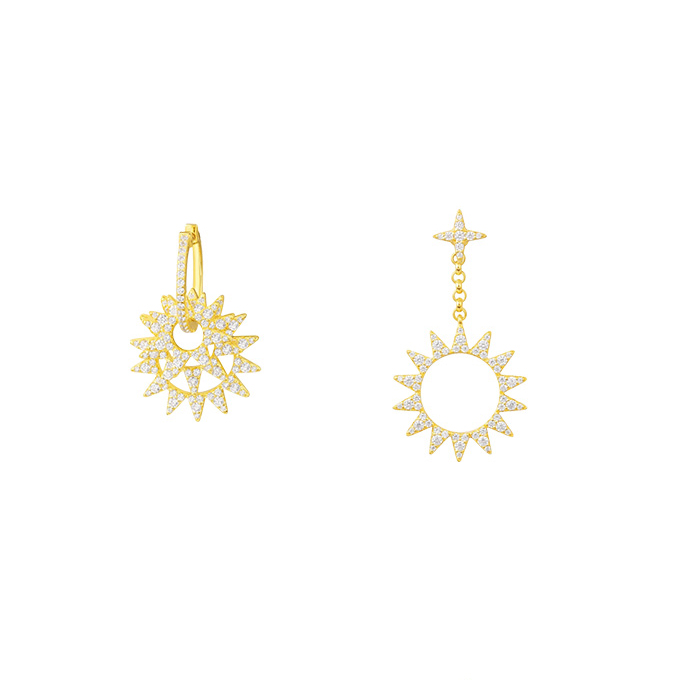
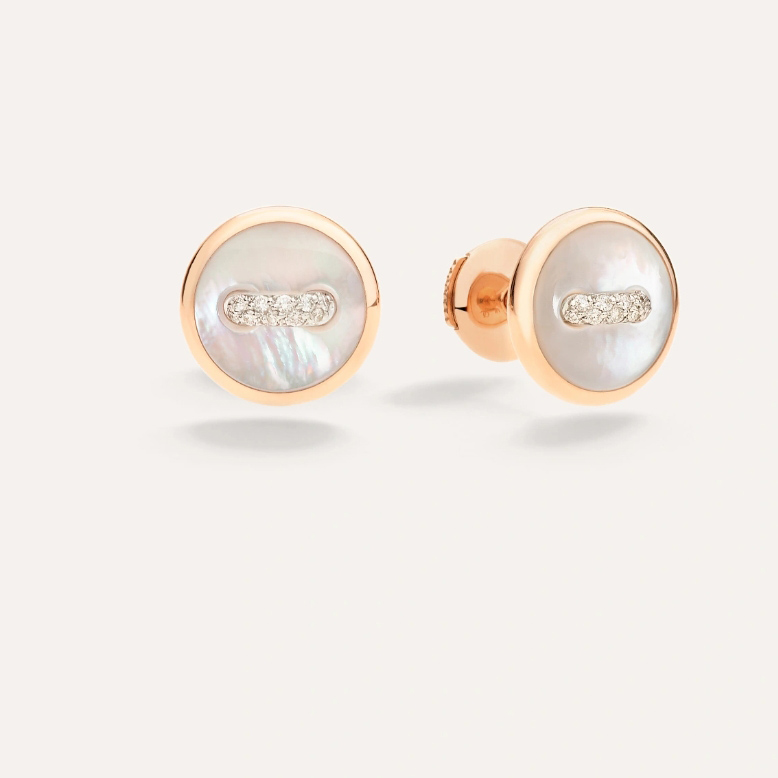
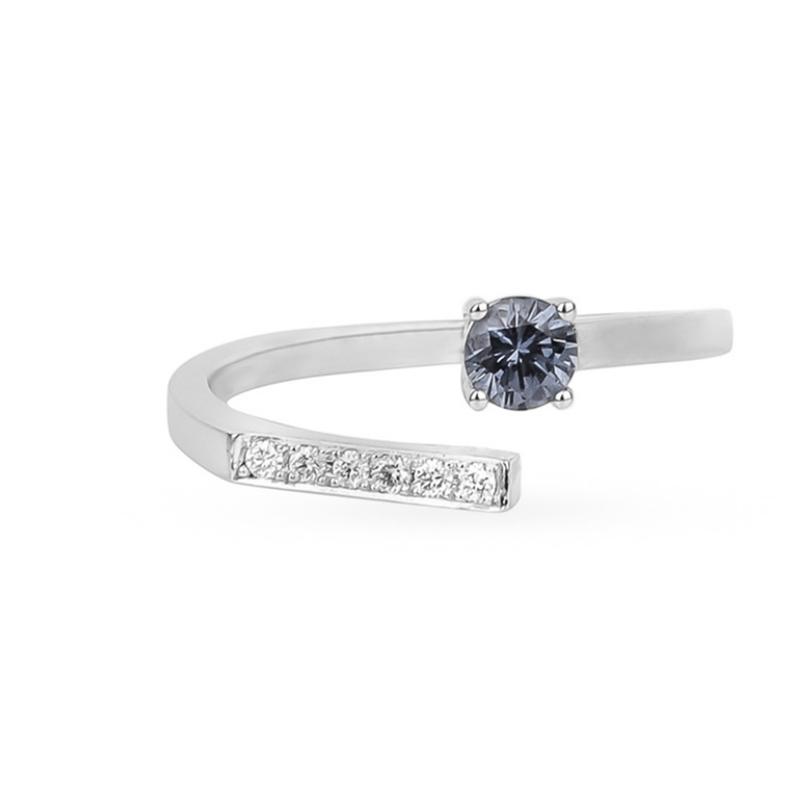
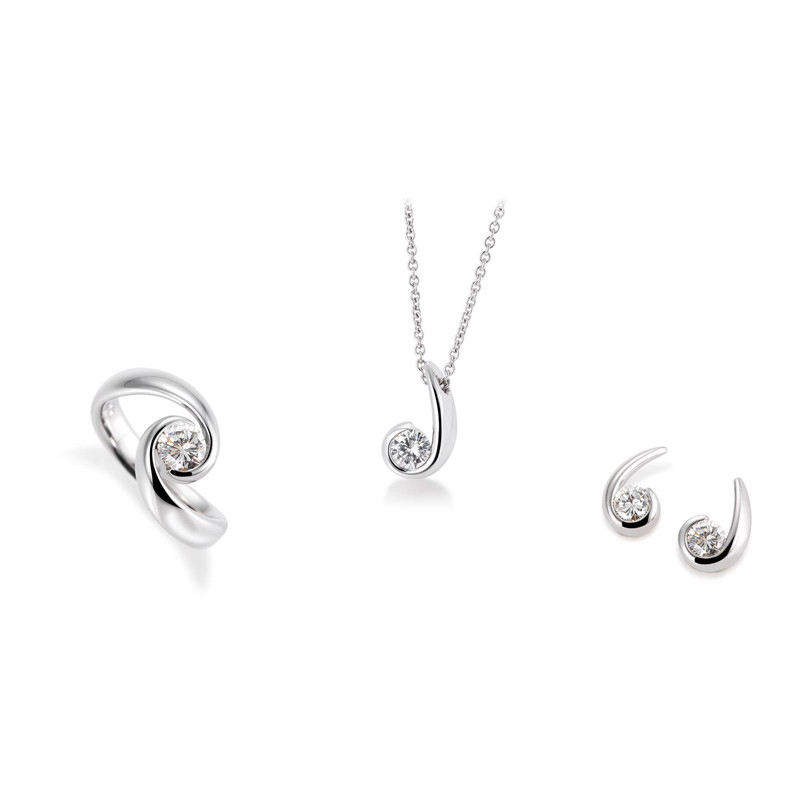
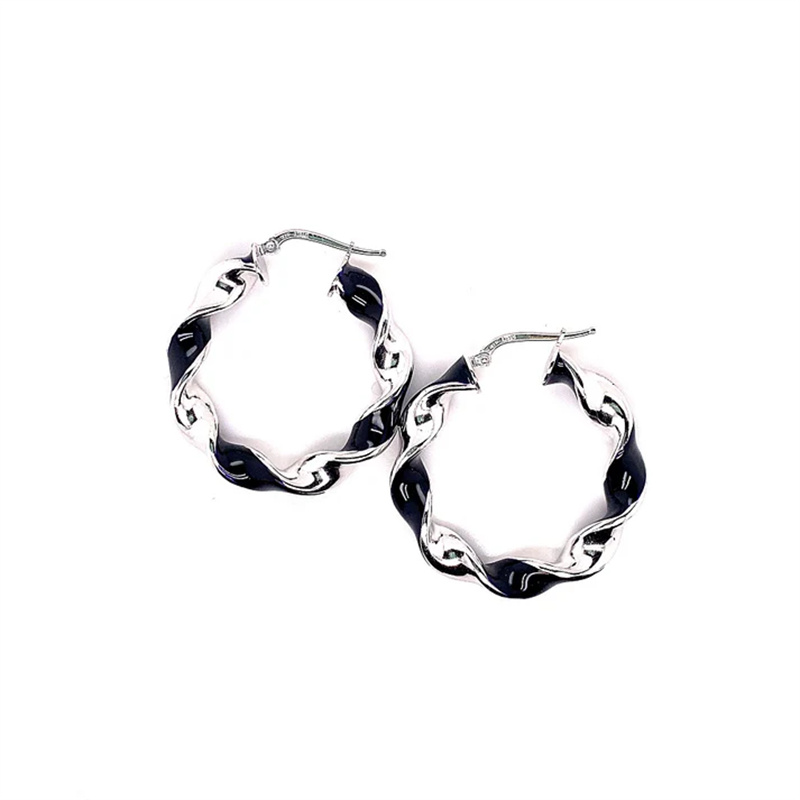
Recycled Italian 925 Silver Earrings Factory OEM ODM brack twisted hoops
LET’S GET STARTED : mo@kingjy.com
How to Produce ACQUARELLO BLACK TWISTED HOOPS at JINGYING
Introduction
In the contemporary jewelry industry, the translation of a designer’s creative vision into a tangible, high-quality product requires a manufacturing partner that seamlessly integrates advanced technology with artisanal craftsmanship. JINGYING Jewelry, established in 1998, has positioned itself as a leading manufacturer specializing in custom jewelry production, offering end-to-end solutions for designers, brands, and retailers worldwide . This article provides a comprehensive, step-by-step guide on how to produce “ACQUARELLO BLACK TWISTED HOOPS” at JINGYING, examining the journey from initial design conception to the final quality-controlled product. The process leverages JINGYING’s expertise in CAD/CAM technology, lost-wax casting, and specialized finishing techniques to create a distinctive piece that combines the structural elegance of twisted wire with a sophisticated black aesthetic.
1. Design and CAD Modeling
The production process for ACQUARELLO BLACK TWISTED HOOPS begins with the translation of the design concept into a precise digital format. JINGYING’s team utilizes advanced jewelry CAD software, such as Rhino and JewelCAD, to create detailed three-dimensional models based on client specifications . This stage is critical for a twisted hoop design, as the digital model must accurately capture the helical structure and the dimensional relationships of the twisted wire.
1.1 Design Consultation and Feasibility Review
JINGYING’s engineers review the initial CAD files or design sketches to assess manufacturability . For a twisted hoop, factors such as wire thickness, the degree of twist, and the overall hoop diameter are optimized to ensure structural integrity and aesthetic appeal. Recommendations may be made to enhance durability and reduce production costs without compromising the design’s integrity .
1.2 3D Modeling for Twisted Geometry
Specialized software is employed to generate a mathematically precise model of the twisted wire. This involves creating a helical path and defining the cross-sectional profile of the wire. The model must also include details for the earring post, findings, and any additional design elements such as decorative beads or end caps . The CAD data serves as the master blueprint for all subsequent production stages, ensuring consistency across the entire production batch.
2. Prototyping and Mold Creation
Once the digital design is finalized and approved, the physical production process commences. JINGYING employs high-resolution 3D printing technologies to create physical prototypes.
2.1 3D Printing and Client Approval
Using SLA (Stereolithography) or DLP (Digital Light Processing) technology, JINGYING produces a resin prototype of the ACQUARELLO BLACK TWISTED HOOPS . This prototype allows for a tangible assessment of the design’s feel, proportions, and comfort. The client reviews the prototype, and any minor adjustments are made at this stage before mass production begins .
2.2 Rubber Mold Creation
Following prototype approval, a rubber mold is created for the purpose of mass-producing wax patterns. The process typically involves “vulcanizing” the master model in a rubber compound under high heat and pressure . This mold is an integral part of the production process, as it enables the creation of a high volume of identical pieces for casting. Silicone or vulcanized rubber molds are crafted to ensure consistent replication across production batches .
3. Wax Injection and Tree Assembly
With the rubber mold prepared, the next stage involves creating wax replicas of the twisted hoops that will be used in the casting process.
3.1 Wax Injection
The rubber mold is placed in a commercial wax injector, where molten wax is pressure-injected into the mold cavity to create wax models . This process is highly repeatable, ensuring every wax model is an accurate replica of the original design.
3.2 Assembly of the Wax Tree
Individual wax models are meticulously attached to a central wax stem to form a “wax tree” or “investment tree.” Each piece is connected via a sprue—a wax channel that allows molten metal to flow during casting. A sprue is attached to each piece at an approximate 45-degree angle to the stem, ensuring proper metal flow and minimizing defects . The tree is assembled with heavier items positioned at the bottom and lighter ones at the top to balance the centrifugal or gravitational forces during casting .
4. Lost-Wax Casting
The lost-wax casting process is the cornerstone of JINGYING’s production methodology, enabling the creation of intricate metal pieces with high precision.
4.1 Investment and Burnout
The assembled wax tree is placed in a steel flask, which is then filled with a chemical investment slurry . Once the investment has solidified, the flask is placed in a furnace and heated to extreme temperatures. The heat melts and burns out the wax, leaving a precise cavity in the shape of the wax tree . This process is critical for achieving the fine detail required for twisted wire designs.
4.2 Metal Casting
Molten silver (or another specified metal such as brass or gold) is then poured into the heated flask using vacuum or centrifugal casting methods . These techniques ensure the molten metal fills all the fine details of the cavity, minimizing porosity and producing a clean cast . For sterling silver, the alloy is typically composed of 92.5% pure silver and 7.5% copper, which provides strength while maintaining the metal’s workability .
5. Post-Casting Processing and Finishing
After the metal has cooled and the investment has been broken away, the raw castings are separated from the tree and prepared for finishing.
5.1 Sprue Grinding and Filing
The pieces are clipped from the casting tree, leaving a small nub where the piece was attached to the sprue. This nub is ground off using a motorized grinding machine to achieve a smooth surface . Filing techniques are then employed to remove any remaining casting imperfections and refine the overall shape, especially along the edges of the twisted wire, using various tools like files and burs .
5.2 Twisted Hoop Assembly and Soldering
For twisted hoop designs, the post-casting phase may involve assembly and soldering. If the hoop is produced as an open component, it is shaped using a ring mandrel and a rawhide mallet . The ends of the twisted wire may be hammered flat to create decorative paddles or to secure beads . Earring posts and butterfly backs, typically made of 0.8mm sterling silver wire, are then soldered onto the hoops . Laser welding technology is often utilized at JINGYING for precision joins that leave no solder marks .
6. Achieving the Black Finish
The signature black aesthetic of the ACQUARELLO BLACK TWISTED HOOPS is achieved through specialized surface treatment processes, transforming the bright silver into a deep, dark finish.
6.1 Oxidation (Antiquing)
The primary method for creating a black finish on silver is through oxidation. This chemical process involves applying a solution (such as “liver of sulfur” or potassium polysulfide) to the surface of the jewelry . The sulfur reacts with the copper content in the sterling silver to form a dark, blackened surface. This technique is often used to create vintage or contemporary blackened effects, and it is particularly effective for highlighting the intricate texture of twisted wire . The metal is immersed or coated with the solution until the desired depth of black coloration is achieved.
6.2 Black Rhodium Plating
For a more durable and lustrous black finish, JINGYING may employ black rhodium plating. Rhodium is a precious metal from the platinum family that is electroplated onto the jewelry . Black rhodium plating provides a striking black reflective appearance and offers superior resistance to scratches and tarnishing compared to standard oxidized silver . The process involves electrochemically depositing a layer of black rhodium onto the silver base, resulting in a robust, high-gloss finish that withstands daily wear.
7. Quality Control and Final Polishing
Before the ACQUARELLO BLACK TWISTED HOOPS are packaged and shipped, they undergo a series of rigorous quality control inspections.
7.1 Mechanical and Visual Inspection
Quality control encompasses measurement and visual inspection to verify the purity, finish, and overall quality of each piece . The hoops are checked for correct dimensions, uniformity of the black finish, secure soldering of posts, and the absence of surface imperfections. XRF (X-ray fluorescence) testing may be conducted to verify the purity of the sterling silver (925) and the thickness of any plating .
7.2 Final Polishing and Ultrasonic Cleaning
Any final minor imperfections are addressed through a final polish. This can be done by hand or machine using specialized buffs and polishing compounds . After polishing, the earrings are cleaned using an ultrasonic cleaner, which uses high-frequency sound waves to dislodge any remaining dirt or polishing compound from the crevices of the twisted wire . Once the pieces are confirmed to meet JINGYING’s high-quality standards, they are hallmarked with the “925″ stamp .
8. Packaging and Delivery
The final stage of production involves the careful packaging of the ACQUARELLO BLACK TWISTED HOOPS for delivery.
8.1 Secure Packaging
Each pair of earrings is packaged to prevent damage during transit, often placed in individual jewelry pouches or boxes with anti-tarnish materials.
8.2 Logistics and Global Delivery
JINGYING coordinates with international logistics partners to ensure timely and secure delivery to clients worldwide. The efficient packaging and shipping process highlight the manufacturer’s commitment to customer satisfaction and its capability as a global supplier .
Conclusion
The production of ACQUARELLO BLACK TWISTED HOOPS at JINGYING Jewelry is a demonstration of the seamless integration of advanced technology and traditional craftsmanship. The journey from a CAD design to a finished, black-finished sterling silver hoop involves a meticulously controlled sequence of processes: digital modeling, 3D printing, rubber mold making, lost-wax casting, specialized finishing, and rigorous quality control . Whether achieving the dark aesthetic through chemical oxidation or durable black rhodium plating, JINGYING ensures that the final product embodies the designer’s vision while meeting the highest standards of durability and craftsmanship. This systematic and high-quality manufacturing process solidifies JINGYING’s position as a trusted partner for custom jewelry production in the global market.