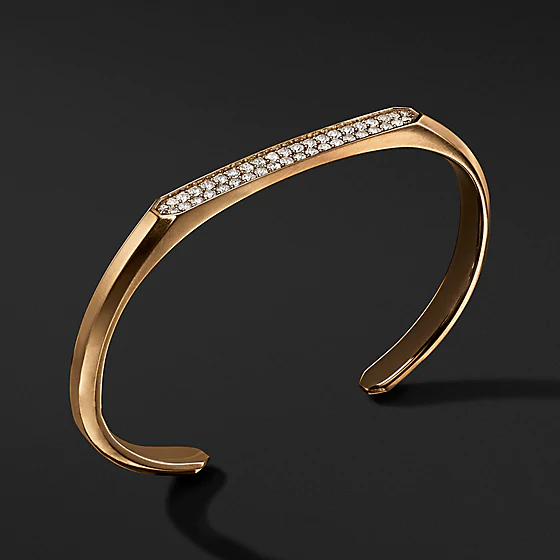
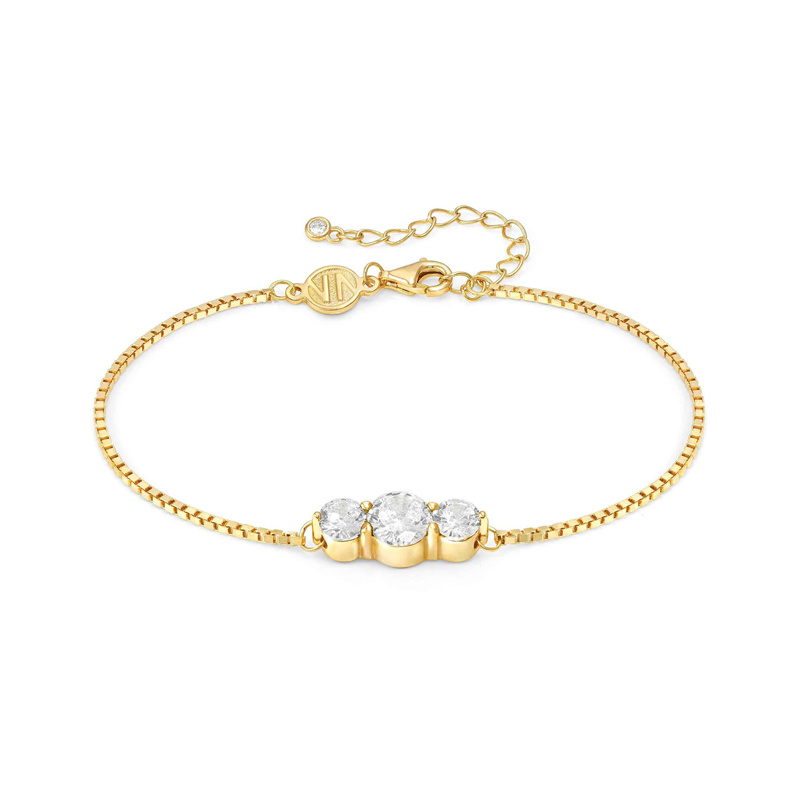
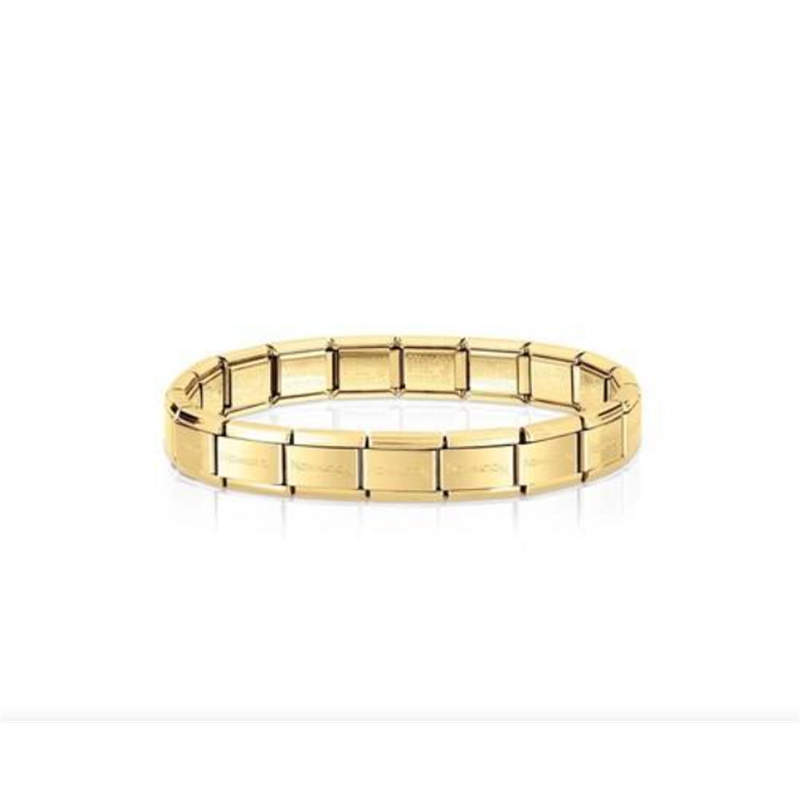
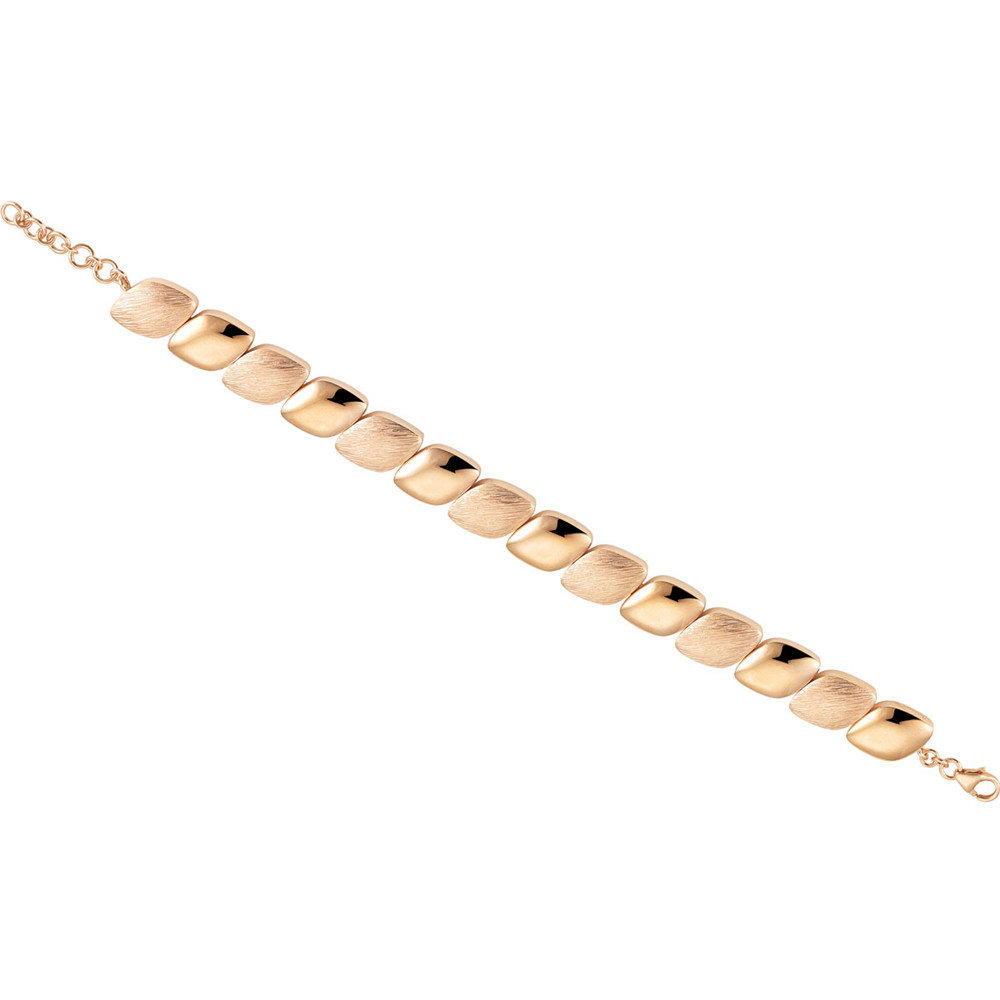
OEM production 18K ALL ABOUT BASICS Chain Ladder Chain Bracelet at JINGYING
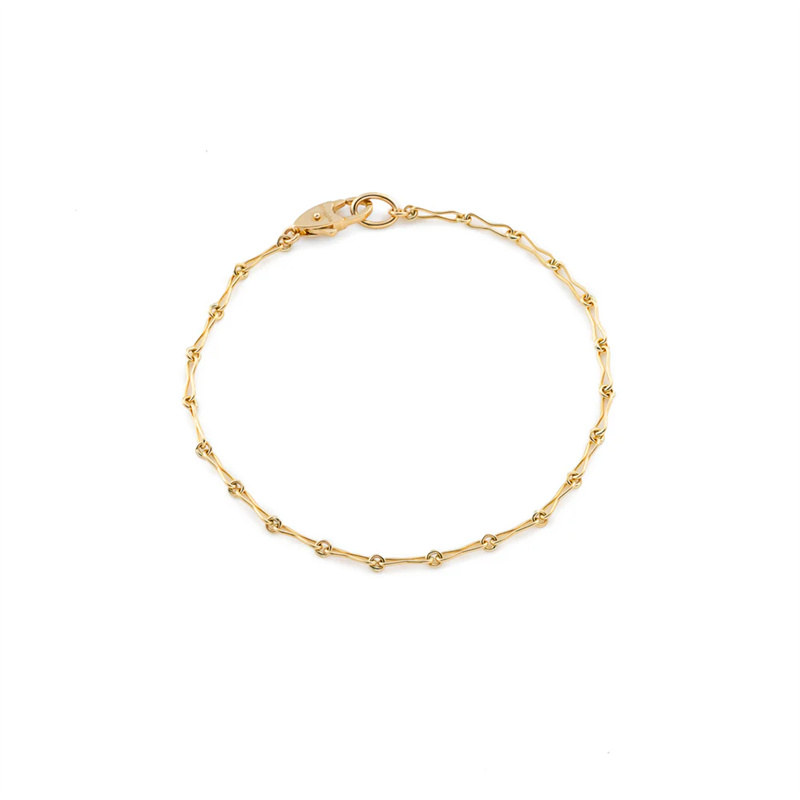
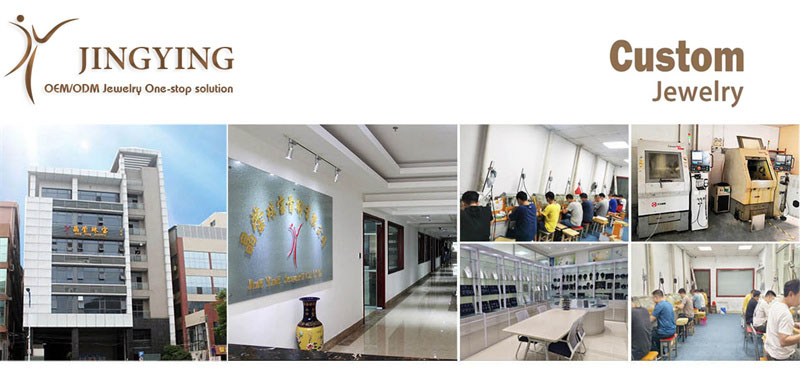
OEM production 18K ALL ABOUT BASICS Chain Ladder Chain Bracelet at JINGYING
LET’S GET STARTED : mo@kingjy.com
The Art of Production: How to Manufacture the 18K “ALL ABOUT BASICS” Chain Ladder Bracelet at JINGYING
Introduction: Defining the “ALL ABOUT BASICS” Aesthetic
In the competitive world of fashion accessories, the “basics” category is often the hardest to master. A Chain Ladder Bracelet—characterized by its interconnected, geometric links resembling a ladder’s rungs—requires a precise balance of structural integrity and minimalist elegance. At Guangzhou JINGYING Jewelry Co., Ltd. , a seasoned OEM/ODM manufacturer with over two decades of experience, producing such a piece is not merely a manufacturing task; it is a symphony of metallurgical science and artisanal skill .
This guide details the step-by-step production of the 18K gold-plated (Vermeil) Chain Ladder Bracelet at JINGYING. We will follow the journey from a raw 925 sterling silver ingot to a finished, export-ready luxury item, adhering to the rigorous 37-step quality control protocols that define the JINGYING standard .
Phase 1: Material Sourcing & Technical Planning
Before any metal is melted, the technical blueprint is established. JINGYING operates on a zero-defect philosophy. For the “ALL ABOUT BASICS” bracelet, the specifications are defined as follows:
- Base Metal: 925 Sterling Silver (92.5% pure silver, hypoallergenic).
- Plating: 18K Gold Vermeil (75% pure gold).
- Plating Thickness: Minimum 2.5 microns (target 3.0-3.5 microns for extended durability) .
- Structure: The “Ladder” link design (parallel bars connected by side links).
The Alloy Calculation
Pure gold (24K) is too soft for a structured chain bracelet; it would deform under tension. Therefore, while JINGYING works with solid 9K, 14K, and 18K gold, the “ALL ABOUT BASICS” line often utilizes the Vermeil method for the best value-to-durability ratio. The alloy mixture for the plating bath is strictly controlled: 75% fine gold combined with 22.25% copper and 2.75% silver (for rose/yellow gold variations) to achieve the desired hardness and rich color depth .
Phase 2: From Ingot to Wire (The Transformation)
The journey of the Chain Ladder bracelet begins not with a chain, but with a solid bar. This phase is critical for ensuring the metal has no internal porosity that could cause the chain to snap later.
1. The Rolling Mill & Annealing
The raw 925 silver is melted and cast into an ingot (a solid bar). This ingot is then fed through a rolling mill to reduce its thickness . As the silver passes through the steel rollers, it work-hardens. To prevent cracking, the metal is subjected to Annealing.
- The Process: The silver strip is heated to a specific temperature (not quite melting) and then quenched or cooled. This resets the crystalline structure of the metal, making it soft and pliable again .
- The Cycle: Roll -> Harden -> Anneal (Heat) -> Cool -> Roll Again. This repeats until the metal reaches the precise gauge (thickness) required for the ladder links.
2. Drawing the Wire
Once the strip is thin enough, it is cut into wires or pulled through a Draw Plate (a steel block with tapered holes). By pulling the silver through progressively smaller holes, the metal is elongated into a perfectly uniform wire with a smooth surface finish, ready for the linking machines .
Phase 3: Constructing the Ladder Chain (The Linking Process)
Unlike a standard rolo or curb chain, the “Ladder” design requires a specific assembly method to ensure the “rungs” remain parallel.
1. Forming the Links
At JINGYING, precision machines are used to coil the silver wire around a mandrel (a metal rod of specific diameter), creating a tight spring. This spring is then cut vertically to produce individual open rings .
- The Rungs (Horizontal bars): These are cut to a specific length (e.g., 5mm width).
- The Connectors (Side links): These are smaller oval rings that will hold the rungs together.
2. Weaving the Ladder
Skilled technicians manually or semi-manually weave the links.
- A jig (a custom tool) holds the parallel rungs in place.
- The small connector rings are looped over the ends of the rungs.
- Key Detail: For the “Ladder” to lay flat, every second rung must have its connecting rings twisted in opposite directions.
Phase 4: Soldering & Assembly (The Structural Integrity Phase)
A chain is only as strong as its weakest closed link. If links are left open (butted), the bracelet will snag hair and break.
1. The Tumbling Process (Pre-Solder)
The woven chain is placed into a magnetic tumbler with steel shot. This burnishes the metal, cleaning off oils and microscopic burrs, ensuring that the solder flows smoothly later .
2. Soldering the Links
JINGYING employs a high-temperature oven soldering process for chains.
- The chain is coated in a flux or anti-oxidant powder.
- It passes through a kiln set to approximately 800°C (1472°F). As it passes through, the silver reaches soldering temperature, and the gold solder (pre-placed in the links) melts, sealing the jump rings shut permanently .
- The Result: A rigid, continuous ladder structure where each rung is a fixed, closed loop.
3. Clasp Attachment
The final links of the chain are reinforced. A Lobster Clasp or a Hidden Box Clasp is attached using heavy-duty jump rings. These attachment points are reinforced with hard solder to withstand tensile testing of up to 50 Newtons .
Phase 5: Surface Preparation & The Art of Finishing
At this stage, the bracelet looks silver and structurally sound, but it is not yet the “18K Basics” product. The surface must be perfected before gold is applied.
1. Grinding & Polishing
- Heavy Deburring: Technicians use bristle brushes and rotary tools to remove the solder seams and rough edges from the ladder links .
- Pre-Plating Polish: The bracelet is buffed with a specific compound (often Tripoli followed by Rouge) to achieve a mirror finish. For the “Basics” line, a high-polish (Ra ≤ 0.2µm) is standard, though a matte finish (Ra 0.5-1.0µm) is available for textured variations .
2. Deep Cleaning
The bracelet undergoes ultrasonic cleaning in a hot chemical solution. This step is critical: any oil or dust left on the silver will repel the gold solution in the next phase, causing plating failure.
Phase 6: The 18K Vermeil Plating Process (The Transformation)
This is the signature phase for JINGYING. Vermeil is legally defined as a thick layer of gold (at least 2.5 microns) over sterling silver. JINGYING often exceeds this standard, plating to 3.0-3.5 microns for the “ALL ABOUT BASICS” line to ensure “heavy wear” durability .
1. The Electroplating Bath
The cleaned silver bracelets are racked on metal hangers and submerged into an electrolyte solution containing 18K gold ions. An electric current is passed through the solution.
2. The Chemistry
- Positive Charge: The gold ions are positively attracted to the negatively charged silver bracelets.
- Deposition: The gold bonds to the silver at a molecular level. Unlike cheap “flash plating” (0.05 microns), the bracelet remains in the tank for a calculated duration to build up the thickness to 3 microns.
3. Color Calibration
JINGYING uses X-Ray Fluorescence (XRF) analyzers in real-time. If the bath is intended for Yellow Gold, the alloy mix stays standard. For Rose Gold, the copper content in the plating bath is increased, and the current adjusted to ensure the color matches the Pantone or master sample exactly (ΔE<1.0 tolerance) .
Phase 7: Quality Control (The 37-Check Protocol)
A JINGYING bracelet does not leave the factory without passing through the “Zero-Defect” zone. For the Chain Ladder Bracelet, specific tests are mandatory.
1. Thickness Verification (XRF Spectrometry)
Every batch is tested. The XRF gun is fired at the links (rungs and connectors). If the machine reads below 2.5 microns anywhere, the entire batch is returned to the plating tank .
2. Mechanical Stress Tests
- Tensile Pull: A machine pulls the bracelet apart. The clasp or chain must not separate.
- Torsion Test: The bracelet is twisted to simulate being pulled out of a purse or snagged on clothing .
- Clasp Cycling: The lobster clasp is opened and closed 5,000 times in a machine to ensure the spring does not fail .
3. Visual Magnification
Human eyes are the final filter. Technicians inspect every link under 10x magnification. They look for:
- Burn marks (from soldering).
- Plating bleed (silver showing at the edges of rungs).
- Sharp edges (the “ladder” must feel smooth to the touch, as comfort is key for basics).
4. Tarnish Resistance (Salt Spray Test)
A random sample is placed in a salt spray chamber for 24 hours. This simulates 6 months of wear. The bracelet must emerge without black spots or corrosion .
Phase 8: Branding, Polishing & Final Packaging
Once the bracelet passes QC, it moves to the finishing department.
1. Final Assembly
If the bracelet design includes a safety chain or a logo tag, these are attached now.
2. Laser Engraving
JINGYING utilizes fiber lasers to engrave the brand’s logo onto the clasp or a small tag.
- Standard Markings: “925″ (Sterling Silver base) and “18K” (Gold purity) are legally required marks for export to the US and European markets .
- Customization: The brand name or “ALL ABOUT BASICS” collection name is engraved with micron-level precision.
3. Protective Coating (Optional but Recommended)
For high-polish 18K vermeil, a very thin, invisible e-coating (electrophoretic deposition) can be applied. This is a clear lacquer that significantly extends the life of the gold plating by preventing chemical reactions from perfumes and sweat, though JINGYING standard vermeil is durable enough to often omit this step to retain the pure metal feel.
4. Packaging
The bracelets are placed in custom velvet pouches or boxes with foam inserts to prevent scratching during transit. With a monthly capacity of up to 50,000 pieces, JINGYING’s logistics team prepares the shipment for global distribution .
Conclusion
Producing the 18K ALL ABOUT BASICS Chain Ladder Bracelet at JINGYING is a process of transformation. It begins as raw, granular alloy, is forged into precise wire, woven into geometry, and finally dipped in liquid gold to achieve its final form.
For a brand looking to sell “Basics,” the manufacturing differentiator lies not in flashy design, but in the invisible details: the perfectly sealed solder joint that prevents snagging, the 3-micron gold layer that delays wear, and the tensile test that ensures the clasp doesn’t break.
By leveraging JINGYING’s strict adherence to XRF testing, 37-point QC, and heavy-layer vermeil standards, the humble Chain Ladder Bracelet transcends “basic” to become “essential luxury.”