Gold-plated jewelry offers the luxurious look of solid gold at a fraction of the cost. It allows fashion-conscious individuals to enjoy trendy, elegant pieces without breaking the bank. However, unlike solid gold, which is inert and does not tarnish, gold-plated jewelry is vulnerable to discoloration, dullness, and tarnishing over time.
Tarnishing is a chemical reaction that occurs when the base metal beneath the thin layer of gold reacts with elements in the environment, such as oxygen, sulfur, moisture, and body oils. Since gold plating is typically a thin layer (measured in microns) of gold electroplated onto a base metal like brass, copper, or sterling silver, the underlying metal will eventually find its way to the surface through microscopic pores, scratches, or wear.
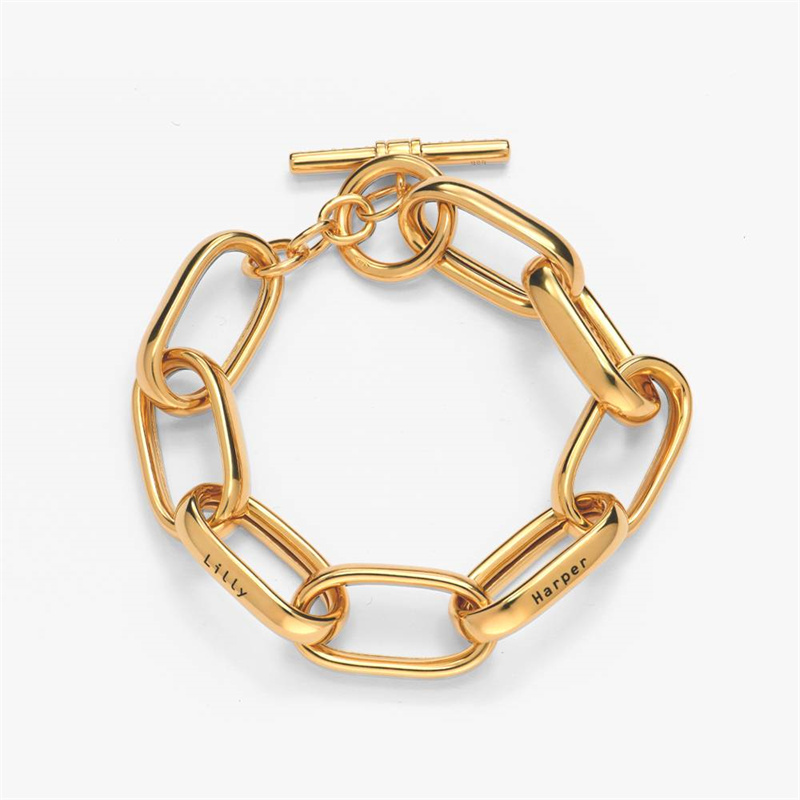
The good news? With proper care and maintenance, you can significantly extend the life and brilliance of your gold-plated jewelry. This comprehensive 5,000-word guide will take you through the science of tarnishing, preventive measures, daily habits, cleaning techniques, storage solutions, and misconceptions—empowering you to keep your pieces looking radiant for years to come.
Part 1: Understanding Gold Plating and Tarnishing
1.1 What Is Gold Plating?
Gold plating is a process where a thin layer of gold is deposited onto the surface of a base metal using electrical current (electroplating) or chemical methods. The thickness of the gold layer is measured in microns (µm). Standard gold-plated jewelry typically has a layer between 0.5 to 2.5 microns. Heavy gold plating (or “gold overlay”) may have 2.5 microns or more.
The base metals commonly used include brass, copper, nickel, and sterling silver. Each has its own reactivity profile. For example, copper and brass are highly reactive and tarnish quickly when exposed to air and moisture.
1.2 Why Does Gold-Plated Jewelry Tarnish?
Contrary to popular belief, gold itself does not tarnish, rust, or corrode. Pure gold (24K) is chemically inert. However, gold-plated jewelry tarnishes for three primary reasons:
- Porosity: The gold layer is not completely solid. It contains microscopic pores or pinholes that expose the base metal to air, moisture, and chemicals.
- Wear and Tear: Friction, scratches, and abrasion slowly remove the gold layer, revealing the base metal.
- Chemical Reactions: The base metal reacts with sulfur compounds (in the air, rubber, or foods), oxygen, salt, acids, and alkalis, leading to discoloration.
1.3 The Difference Between Tarnish, Fading, and Wear
- Tarnish: A dark, dull, or rainbow-like discoloration caused by chemical reactions on the base metal (e.g., black or green residue on skin).
- Fading: Loss of gold color as the thin gold layer wears off, revealing the silver or brass underneath.
- Wear: Physical removal of the gold layer due to friction, scratches, or impact.
Understanding these distinctions is key to applying the right prevention strategies.
Part 2: Factors That Accelerate Tarnishing
To prevent tarnishing, you must first identify the enemies of gold-plated jewelry.
2.1 Moisture and Humidity
Water is a primary catalyst for tarnishing. Whether it’s tap water, sweat, or high humidity, moisture seeps into microscopic pores and initiates oxidation of the base metal. Showering, swimming, or even washing hands while wearing jewelry accelerates damage.
2.2 Body Chemistry and Sweat
Human sweat contains salts, lactic acid, and urea. When you wear jewelry close to the skin, sweat reacts with the base metal. People with acidic or salty sweat may notice their gold-plated jewelry tarnishing within days.
2.3 Cosmetics and Perfumes
Cosmetic products are loaded with chemicals: perfumes contain alcohol and essential oils; lotions have emulsifiers and preservatives; hairsprays include polymers and propellants. These substances act as solvents and corrosives, attacking the gold layer and accelerating base metal exposure.
2.4 Airborne Sulfur and Pollutants
Sulfur compounds are everywhere: in rubber bands, latex gloves, certain foods (eggs, onions), air pollution, and even some fabrics. Sulfur reacts with silver and copper base metals to form silver sulfide or copper sulfide, which appears as dark brown or black tarnish.
2.5 Friction and Abrasion
Constant rubbing against clothing, skin, or other jewelry mechanically wears down the thin gold layer. Rings and bracelets are especially vulnerable because they encounter high-friction environments.
2.6 Improper Storage
Throwing multiple pieces into a jewelry box without separation causes scratching and chemical transfer. Different metals can react with each other when in contact, leading to galvanic corrosion.
2.7 Cleaning Products and Chlorine
Household cleaners, bleach, ammonia, and chlorine (in swimming pools or hot tubs) are extremely corrosive. Chlorine can dissolve gold plating in minutes and severely corrode base metals.
Part 3: Preventive Habits – Daily and Weekly Routines
The most effective way to keep gold-plated jewelry from tarnishing is to prevent exposure to tarnishing agents. Adopt these habits:
3.1 The Golden Rule: Last On, First Off
Always put on your gold-plated jewelry after applying makeup, perfume, lotion, sunscreen, and hairspray. When removing, take off your jewelry before washing your face, removing makeup, or applying night creams.
3.2 Remove Before Water Activities
Never wear gold-plated jewelry while:
- Showering or bathing
- Swimming in pools, oceans, or hot tubs
- Washing dishes or hands
- Exercising or sweating heavily
3.3 Avoid Sleeping in Jewelry
Nighttime friction against pillows, sheets, and your body accelerates wear. Additionally, sweat and skin oils accumulate overnight, promoting tarnish.
3.4 Keep Away from Household Chemicals
Remove jewelry before:
- Cleaning with bleach, ammonia, or abrasive cleaners
- Using hair dyes or permanent wave solutions
- Applying insect repellent or sunscreen
- Handling paint, solvents, or adhesives
3.5 Wipe After Each Wear
After removing your jewelry, gently wipe it with a soft, lint-free cloth (microfiber or flannel) to remove sweat, oils, and residue. Do not use paper towels or tissues, as they can scratch the surface.
3.6 Rotate Your Collection
Continuous wearing of the same piece accelerates wear. Rotate between multiple pieces to reduce friction and exposure on any single item.
Part 4: Proper Cleaning Techniques for Gold-Plated Jewelry
Cleaning gold-plated jewelry requires extreme gentleness. Harsh scrubbing or chemical dips can strip the gold layer instantly.
4.1 What NOT to Use
Avoid these at all costs:
- Abrasive cleaners (baking soda, toothpaste, powdered cleansers)
- Harsh chemicals (ammonia, chlorine bleach, acetone, alcohol)
- Ultrasonic cleaners – vibrations can loosen plating
- Tarnish dips – designed for solid silver, they strip gold plating
- Brushes with stiff bristles (toothbrushes, scrub brushes)
- Paper products – they contain fibers that leave micro-scratches
4.2 Safe Cleaning Methods
Method 1: Gentle Soap and Water (For Light Soiling)
- Mix a few drops of mild dish soap (no citrus, no antibacterial additives) with lukewarm water.
- Dip a soft microfiber cloth into the solution and wring it out nearly dry.
- Gently wipe the jewelry surface. Do not soak.
- Rinse by wiping with a separate cloth dampened with plain water.
- Dry immediately with a dry, soft cloth.
Method 2: Baking Soda Paste (For Stubborn Tarnish – Use Sparingly)
Warning: This can remove very thin plating. Test on an inconspicuous area first.
- Make a paste of 2 parts baking soda to 1 part water.
- Apply with a cotton swab only to tarnished areas.
- Gently roll the swab – do not rub aggressively.
- Rinse immediately and dry thoroughly.
Method 3: Commercial Gold Cleaner
Use only products labeled “safe for gold-plated jewelry.” Follow instructions precisely. Avoid dip-style cleaners.
4.3 How to Remove Tarnish from Base Metal Exposure
Once the base metal is exposed, you cannot “clean” it back to gold. However, you can remove the tarnish (dark discoloration) on the exposed metal using a non-abrasive polishing cloth made for gold or silver. Be aware that this may further wear the surrounding gold layer. For significant wear, re-plating is the only permanent solution.
Part 5: Storage Solutions That Prevent Tarnishing
Proper storage is perhaps the most overlooked yet critical factor in extending the life of gold-plated jewelry.
5.1 The Best Storage Conditions
- Cool, dark, and dry: Avoid attics, bathrooms, or basements.
- Low humidity: Use silica gel packs in your jewelry box to absorb moisture.
- Airtight when possible: Oxygen promotes oxidation. Airtight bags or containers slow tarnishing significantly.
5.2 Individual Compartments
Never let gold-plated pieces touch each other or other metals. Use:
- Soft pouch or microfiber bag for each piece
- Divided jewelry box with separate compartments
- Anti-tarnish strips (e.g., 3M Anti-Tarnish Strips) inside storage – these absorb sulfur and oxygen
5.3 Ziploc Bags: A Surprisingly Good Solution
For long-term storage, place each piece in a small ziploc bag, squeeze out as much air as possible, and seal. Add a small anti-tarnish tab or silica gel packet. This creates an inert micro-environment.
5.4 Avoid Cardboard, Rubber, and Felt
Many inexpensive jewelry boxes use felt or cardboard liners that contain acids or sulfur. Opt for boxes lined with natural cotton, velvet, or unbleached linen. Keep rubber bands far away from your jewelry.
Part 6: Protective Coatings – Should You Use Them?
Clear protective coatings can add a barrier between the gold layer and the environment.
6.1 Commercial Jewelry Sealants
Products like ProtectaClear, Everbrite, or Renaissance Wax are microcrystalline waxes or clear polymers designed to seal metal surfaces.
- Pros: Invisible, durable, prevents tarnish for months
- Cons: Can wear off, may affect luster, difficult to remove
Application: Clean jewelry thoroughly, then apply a thin coat with a soft cloth. Allow to cure for 24 hours. Reapply every 3–6 months depending on wear.
6.2 Nail Polish – A Bad Idea
Many online tutorials recommend clear nail polish. Do not use it.
- Nail polish yellows and chips.
- It traps moisture underneath, accelerating corrosion.
- Removal requires acetone, which dissolves gold plating.
6.3 DIY Wax Coating
A high-quality carnauba wax or beeswax can be buffed onto jewelry. Provides mild protection but requires frequent reapplication.
Part 7: When and How to Replate Gold Jewelry
Eventually, even with impeccable care, gold plating will wear thin and tarnish frequently. At this point, replating is the most cost-effective solution.
7.1 Signs You Need Replating
- The gold layer has worn off in patches, revealing silver or copper.
- Tarnish returns within days of cleaning.
- The jewelry looks “bald” or streaky.
- Skin turns green or black from base metal exposure.
7.2 Professional Replating vs. DIY Kits
Professional electroplating: A jeweler strips the old plating, polishes the base metal, and applies a new gold layer. Cost varies by size (
20–100+). Best for valuable or sentimental pieces.
DIY replating kits: Available online (e.g., Gold plating kits from Caswell or Jewelry Doctor). You apply a gold solution with a brush or wand while connected to a power source. Requires practice. Good for simple pieces; risky for intricate designs.
7.3 Is Replating Worth It?
For inexpensive fashion jewelry, it may be cheaper to buy new. For heirloom pieces or high-quality plated jewelry (e.g., vermeil – gold over sterling silver), replating is highly recommended.
Part 8: Common Myths and Misconceptions
Let’s debunk popular myths that lead to damaged jewelry.
Myth 1: “Gold-plated jewelry doesn’t tarnish if it’s high quality.”
Truth: All gold-plated jewelry will eventually tarnish because the base metal is reactive. Even heavy plating (2.5 microns) only delays, not prevents, tarnishing.
Myth 2: “Storing jewelry in the bathroom is fine.”
Truth: Bathrooms are warm and humid, which accelerates tarnish. Heat and moisture are primary enemies.
Myth 3: “Toothpaste restores gold shine.”
Truth: Toothpaste is abrasive (contains silica or baking soda). It removes the thin gold layer, exposing base metal. Never use it.
Myth 4: “Baking soda and vinegar is a safe cleaner.”
Truth: Vinegar is an acid that corrodes base metals. Baking soda is abrasive. Combined, they create a foaming reaction that does nothing beneficial for plating.
Myth 5: “If it says ‘tarnish-free,’ it never tarnishes.”
Truth: Marketing term. Only solid gold, palladium, and platinum are truly tarnish-free.
Myth 6: “Wearing gold-plated jewelry 24/7 builds a protective patina.”
Truth: Patina forms on solid metals like copper and silver. On plated jewelry, continuous wear removes the gold layer, leaving exposed base metal that corrodes.
Part 9: Special Care for Specific Types of Gold-Plated Jewelry
9.1 Gold-Plated Rings
Rings face constant friction and chemical exposure. Remove them before:
- Washing hands
- Applying lotion
- Cooking (handling citrus, salt, onions)
- Exercising (weights, gym equipment)
- Gardening
Consider having a professional jeweler apply a thick rhodium or epoxy protective coating on the inner band.
9.2 Gold-Plated Necklaces and Chains
Necklaces contact skin oils, perfume, and sweat. The clasp area wears fastest due to friction. Apply perfume first, let it dry completely, then put on necklace. Avoid sleeping in chains – they snag and break.
9.3 Gold-Plated Earrings
Earrings contact earwax, skin oils, and hair products. Post earrings last longer than hoops because they have less surface area. Remove before hairspray application. Clean posts with rubbing alcohol (using a cotton swab) weekly – but avoid getting alcohol on the gold plate.
9.4 Gold-Plated Bracelets
Bracelets are second only to rings in wear and tear. They bang against desks, keyboards, and other surfaces. Remove before typing, cooking, or sleeping. For charm bracelets, the charms rubbing against each other wears plating rapidly.
9.5 Gold Vermeil
Vermeil is gold plating over sterling silver (minimum 2.5 microns, sometimes 100 mils). It is higher quality but silver tarnishes very easily. Follow all the same precautions, but be extra vigilant about sulfur exposure (rubber, eggs, wool).
Part 10: Long-Term Preservation for Heirloom or Expensive Pieces
If you own high-value gold-plated jewelry (e.g., vintage signed pieces, designer vermeil), consider these advanced preservation strategies.
10.1 Climate-Controlled Storage
Store in a room with stable temperature (65–75°F) and humidity below 50%. Use a dehumidifier if necessary.
10.2 Archival-Quality Materials
Use acid-free tissue paper, unbleached cotton bags, or polyethylene (plastic #4) bags. Avoid polyvinyl chloride (PVC) – it releases corrosive plasticizers.
10.3 Professional Inspection
Have a jeweler inspect the plating thickness and integrity annually. They can identify early wear and recommend replating before the base metal corrodes.
10.4 Wear Only on Special Occasions
For true heirlooms, limit wear to a few times per year. Always clean and store immediately after use.
10.5 Insurance and Documentation
For pieces worth over $500, consider jewelry insurance that covers replating costs. Keep purchase and replating receipts for appraisal purposes.
Part 11: Troubleshooting – What to Do When Problems Arise
Problem: Green or black marks on skin
Cause: Base metal (copper or brass) reacting with sweat. Remedy: Stop wearing the piece until replated, or apply a clear barrier coating (ProtectaClear) to the inside surface. Clean skin with lemon juice or baking soda paste to remove stains.
Problem: Gold is flaking off
Cause: Poor original plating or chemical damage. Remedy: Cannot be repaired at home. Professional replating is required.
Problem: Dull, hazy appearance
Cause: Accumulated oils and soap residue. Remedy: Clean with mild soap solution as described in Part 4.
Problem: Rainbow discoloration
Cause: Thin-film interference from oxidation of base metal. Remedy: Mild polishing cloth may remove; otherwise, replate.
Problem: Black spots (pitting)
Cause: Corrosion of base metal reaching the surface. Remedy: Irreversible without replating.
Part 12: Comparison Table – Gold-Plated vs. Other Gold Jewelry
| Property | Gold-Plated | Gold-Filled | Solid Gold (10K-24K) |
|---|---|---|---|
| Gold layer thickness | 0.5–2.5 microns | 50–100 microns (5-10x thicker) | 100% gold throughout |
| Tarnish resistance | Low to medium | High | None (inert) |
| Lifespan with care | 1–5 years | 10–30 years | Lifetime |
| Cost (relative) | $ | $$ | $$$$$ |
| Can be replated? | Yes | Yes (wasteful) | Not needed |
| Safe for sensitive skin? | No (base metal exposure) | Yes (thick gold layer) | Yes |
If you find yourself frustrated with frequent tarnishing, consider upgrading to gold-filled jewelry. It offers a much thicker layer of gold mechanically bonded to the base metal, providing superior durability at a moderate price premium.
Part 13: Summary Checklist – Your Daily, Weekly, Monthly Routine
Daily:
- Put jewelry on last, after all products.
- Remove before water, exercise, or cleaning.
- Wipe with soft cloth after removal.
- Store individually in a dry, airtight container.
Weekly:
- Inspect for signs of wear (flaking, discoloration).
- Clean gently with soapy cloth if needed.
- Check anti-tarnish strips and silica gel packets (renew or replace as directed).
Monthly:
- Deep clean with mild soap solution.
- Rotate pieces – don’t wear the same one daily.
- Apply protective wax sealant if desired.
Annually:
- Professional inspection for plating integrity.
- Consider replating for heavily worn pieces.
- De-clutter – retire or donate pieces with extensive base metal exposure.
Part 14: Conclusion – Realistic Expectations for Gold-Plated Jewelry
Gold-plated jewelry is not an heirloom investment; it is a fashion accessory with a finite lifespan. With meticulous care, a quality plated piece can last 3–5 years before noticeable tarnish and wear appear. With average care, expect 1–2 years. With neglect, tarnish can occur within weeks.
The strategies outlined in this guide are not difficult, but they do require consistency. The simple habits of removing jewelry before water, wiping after wear, and storing properly will extend the life of your pieces by 200–300%.
Remember: gold plating is a consumable layer. Treat it with the same delicacy you would a fine silk blouse or a leather handbag. Accept that replating or replacement is a normal part of owning plated jewelry. And if you desire a truly permanent, tarnish-free solution, save for solid gold or invest in gold-filled pieces.
By following this comprehensive guide, you can keep your gold-plated jewelry radiant, reduce the green-black stains on your skin, and enjoy the look of luxury for the maximum possible duration.
Final Pro Tip: When in doubt, err on the side of removing your jewelry. Those extra 10 seconds to take off a ring before washing hands will add months to its life. Your future self – and your jewelry collection – will thank you.