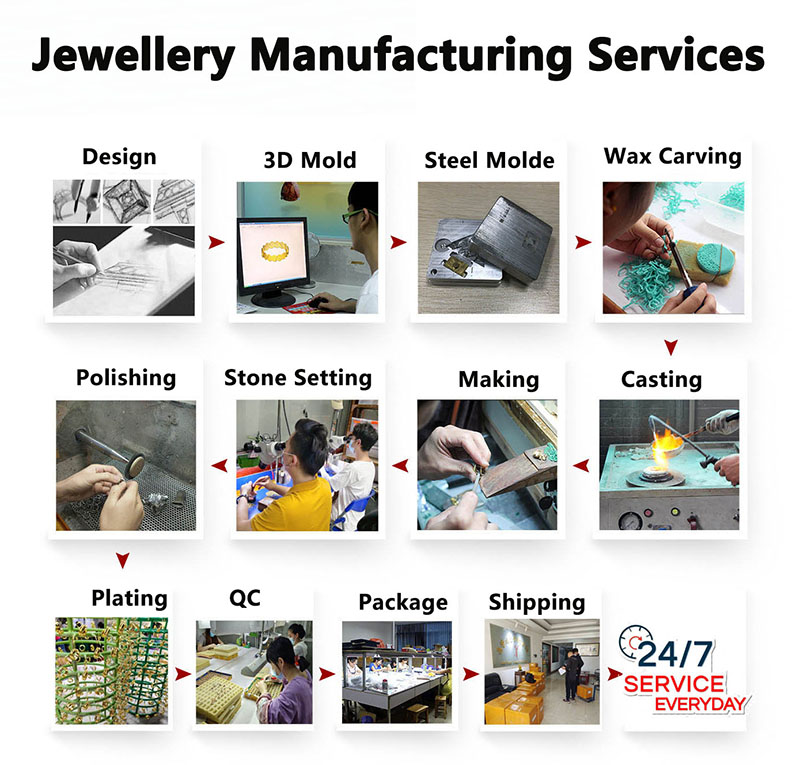
The Ultimate Guide to Preserving Your Gold-Plated Jewelry: How to Keep It from Tarnishing
Gold-plated jewelry offers the undeniable allure of precious metal without the exorbitant price tag. It allows fashion lovers to experiment with trends, own multiple styles, and enjoy the rich, warm glow of gold. However, unlike its solid gold counterpart, gold-plated jewelry requires a specific and consistent care routine to maintain its brilliance. The thin layer of gold that gives the piece its beauty is delicate and, without proper attention, can tarnish, fade, or wear away, revealing the base metal underneath.
This comprehensive guide will delve deep into the science of tarnishing and provide you with an actionable, step-by-step roadmap to keep your favorite pieces shining like new for years to come.
Part 1: Understanding Your Jewelry – The Science Behind the Shine
Before diving into care techniques, it is crucial to understand what gold-plated jewelry actually is and why it is susceptible to tarnishing. Knowledge of its composition is the first step in becoming a effective caretaker.
1.1 What is Gold-Plated Jewelry?
Gold-plated jewelry is created through an electroplating process. A base metal—such as brass, copper, or sterling silver—is coated with a thin layer of gold. This layer is measured in microns. To put it in perspective, a single micron is one-millionth of a meter. While this process creates a beautiful, gold-like exterior, the gold content is minimal, often less than 0.05% of the item’s total weight . This is distinctly different from solid gold (which is gold all the way through) or gold-filled jewelry (which has a mechanically bonded, much thicker layer of gold) .
1.2 Why Does Gold-Plated Jewelry Tarnish?
The term “tarnish” refers to the loss of luster and discoloration that occurs when the surface of a metal reacts with its environment. With gold-plated jewelry, there are two primary culprits:
- Chemical Reactions: While pure gold (24K) is chemically inert and does not tarnish, the gold used in plating is often an alloy (mixed with other metals for durability). More importantly, the base metal underneath is highly reactive. When the thin gold layer is porous or begins to wear thin, elements like oxygen, moisture, and sulfur in the air reach the base metal, causing it to oxidize and discolor . This often appears as a dulling, darkening, or even a greenish tinge on the skin.
- Physical Wear and Tear: Friction is the enemy of plating. Every time your jewelry rubs against your skin, clothing, or other jewelry, it causes microscopic abrasions. Over time, this friction literally rubs the gold layer away, a process known as “wear and tear” . Once the gold is gone, the underlying metal is exposed.
The longevity of your jewelry depends on two main factors: the thickness of the plating (thicker plating lasts longer) and, most importantly, your daily habits . Without proper care, a piece worn daily can show significant wear in as little as six months.
Part 2: The Golden Rule of Wearing – “Last On, First Off”
The single most effective habit you can adopt to protect your gold-plated jewelry is the “Last On, First Off” rule . This simple mantra transforms your jewelry from an everyday item into a deliberate finishing touch, shielding it from the majority of household chemicals and personal care products.
2.1 The Morning Routine: Products First, Jewelry Last
Think of your jewelry as the final layer of your outfit, not part of your body preparation. Your morning routine is a minefield of chemicals that can dull your plating.
- Perfume and Cologne: The high alcohol content and essential oils in fragrances are highly corrosive to gold plating. Never spray perfume or cologne while wearing your jewelry . The mist can settle on the surface and begin breaking down the gold. Always apply fragrance at least five to ten minutes before putting on your jewelry, allowing the alcohol to evaporate completely.
- Lotions, Sunscreen, and Makeup: These products contain oils, emollients, and chemical compounds that can leave a film on your jewelry, attracting dirt and accelerating tarnish . Wait until your lotions and creams have been fully absorbed by your skin before adorning yourself with your gold-plated necklace, rings, or bracelets.
2.2 The Evening Routine: Jewelry First, Then Unwind
Just as you put your jewelry on last, it should be the first thing you take off when you return home. This prevents exposure to the activities and products of your nightly routine.
- Showering and Bathing: Water, especially when combined with soaps, shampoos, and conditioners, can seep into the microscopic pores of the plating and weaken its bond with the base metal . The result can be peeling, bubbling, or premature fading.
- Sleeping: Removing your jewelry before bed is non-negotiable. While sleeping, your jewelry is subjected to constant friction against your sheets and pillowcases. Additionally, the natural oils and sweat produced by your skin overnight can accelerate tarnishing . Taking it off gives your skin a break and your jewelry a safe haven.
Part 3: Identifying and Avoiding Hidden Enemies
Beyond your daily routine, specific environments and activities harbor aggressive agents that can decimate gold plating in a short amount of time. Being aware of these “danger zones” is key to prevention.
3.1 The Chlorine and Saltwater Threat
This is one of the most damaging environments for any jewelry, but especially for plated pieces.
- Swimming Pools and Hot Tubs: Chlorine is a harsh chemical that acts as a stripping agent. It can attack the gold layer and the base metal, causing irreparable damage and discoloration . Never wear your gold-plated jewelry in a pool, hot tub, or even while using a home Jacuzzi.
- The Ocean: Saltwater is equally destructive. It is corrosive and will cause the gold plating to dull and erode. Always remove your jewelry before a day at the beach or any water sports .
3.2 Sweat and Physical Activity
Your body’s natural response to exercise is a triple threat: moisture, friction, and acidity.
- Sweat is Acidic: Perspiration contains salts and acids that can react with the gold layer and the base metal, causing it to tarnish more quickly .
- Friction: Exercise involves repetitive movement. A ring rubbing against a gym barbell or a bracelet sliding against a yoga mat will create friction that physically abrades the gold layer. Always remove your gold-plated jewelry before workouts, runs, or any strenuous physical activity .
3.3 Household Chores
Cleaning products are formulated to be strong enough to break down grease and grime, which means they will also break down your delicate gold plating.
- Harsh Chemicals: Bleach, ammonia, acetone (nail polish remover), and other cleaning agents can instantly react with the metal, causing the plating to fade or peel .
- Abrasive Action: Even scrubbing dishes or wiping counters can create friction that wears down the finish on rings and bracelets. Make it a habit to remove your jewelry before doing the dishes, scrubbing the bathroom, or dusting with furniture polish .
Part 4: The Art of Gentle Cleaning
Even with the best preventive care, jewelry will eventually accumulate dirt, body oils, and a general film that dulls its shine. Cleaning gold-plated jewelry requires a supremely gentle touch. Aggressive cleaning is one of the fastest ways to destroy the very finish you are trying to preserve .
4.1 The “Less is More” Philosophy
Forget the ultrasonic cleaners, abrasive polishing cloths designed for silver, and harsh chemical dips. These are far too aggressive for the thin layer of gold and will strip it away. The goal of cleaning is to remove surface grime without abrading the gold.
4.2 The Safe and Simple Cleaning Method
This method uses items you likely already have at home and is endorsed by numerous jewelers and experts .
What You’ll Need:
- A small bowl of lukewarm water (not hot).
- A few drops of mild, phosphate-free dish soap.
- An ultra-soft tool: a microfiber cloth, a cotton swab (Q-tip) , or a soft-bristled baby toothbrush.
- A second, dry, lint-free cloth for drying.
Step-by-Step Guide:
- Prepare the Bath: Fill the bowl with lukewarm water and add a few drops of the mild dish soap. Swirl the water gently to create a light, sudsy solution.
- Soak (Briefly): Place your gold-plated jewelry in the soapy water and let it soak for no more than one to five minutes . This is long enough to loosen dirt and oils but short enough to prevent any potential damage from prolonged water exposure.
- Gentle Cleaning: Dip your soft tool (cotton swab or baby toothbrush) into the soapy water and gently work it over the surface of the jewelry. Pay special attention to crevices, settings, and areas where grime builds up. Use light pressure and slow movements. The goal is to lift the dirt, not scrub it off.
- Rinse Thoroughly: Hold the piece under a gentle stream of cool or lukewarm running water to rinse off all soap residue. Any leftover soap will leave a dull film once dry.
- Dry Immediately and Completely: This is the most critical step. Using your soft, dry, lint-free cloth, gently pat the jewelry dry. Do not rub. Rubbing with a dry cloth can create friction. Ensure the piece is completely dry, including any hard-to-reach areas. To be extra safe, let the jewelry air-dry on a towel for an hour before storing it, ensuring all moisture has evaporated .
4.3 What to Avoid at All Costs
- Harsh Chemicals: Never use bleach, chlorine, acetone, or alcohol-based cleaners.
- Abrasive Materials: Steer clear of paper towels, rough cloths, or toothbrushes with stiff bristles.
- Toothpaste: A common myth is that toothpaste cleans jewelry. In reality, toothpaste is a mild abrasive that will scratch and wear down gold plating .
- Jewelry Dips: Commercial jewelry cleaning dips are often too harsh and can dissolve the bonding agents in the plating.
Part 5: Strategic Storage – Creating a Safe Haven
How you store your jewelry when you are not wearing it is just as important as how you clean it. Improper storage leads to scratches, tangles, and accelerated tarnish from air and moisture.
5.1 The Enemy of Storage: Friction and Air
- Friction: When multiple pieces of jewelry are tossed together in a box or drawer, they rub against each other. This constant friction will scratch the delicate surface of your plated pieces, creating dull spots and wearing away the gold .
- Air and Moisture: Exposure to open air, especially in a humid environment like a bathroom, promotes oxidation of the base metal .
5.2 Best Practices for Storage
- Individual Compartments or Pouches: The golden rule of storage is separation. Each piece of jewelry should have its own designated space. This can be achieved by using a jewelry box with individual compartments, small fabric pouches, or even resealable plastic bags .
- Choose the Right Location: Store your jewelry in a cool, dry place, away from direct sunlight. Sunlight can cause the color of some platings to fade over time. Avoid the bathroom at all costs, as the humidity from showers is incredibly damaging .
- Control Moisture: To combat humidity, you can add anti-tarnish strips or a small silica gel packet (like the ones found in shoe boxes) to your jewelry box. These items absorb excess moisture from the air, slowing down the tarnishing process .
- Minimize Air Exposure: For long-term storage of pieces you don’t wear often, consider placing them in a sealed plastic bag. By pressing out as much air as possible before sealing, you deprive the metal of the oxygen needed for oxidation .
Part 6: Long-Term Care and Professional Intervention
Even with meticulous care, the thin layer of gold on a frequently worn piece will eventually show signs of wear. Understanding your options for long-term maintenance can give your beloved jewelry a second life.
6.1 When to Seek Professional Re-plating
If you notice that the gold color has faded significantly, or if you can see the silver or brass base metal peeking through, especially on high-friction areas like the back of a ring band or the clasp of a necklace, it is time to consider professional re-plating.
Re-plating is a process where a jeweler cleans the piece, then uses electroplating to deposit a fresh new layer of gold onto the surface. This can restore the piece to its original glory for a fraction of the cost of buying a new one . It is an affordable and sustainable way to extend the life of a cherished piece indefinitely.
6.2 The “PVD” Alternative
If you are in the market for new jewelry and are concerned about longevity, look for pieces labeled as PVD-coated or ion-plated. PVD (Physical Vapor Deposition) is a modern technique that bonds the gold to the base metal at a molecular level, creating a finish that is significantly more durable, scratch-resistant, and tarnish-resistant than standard electroplating . While it may cost slightly more, it is often a worthwhile investment for pieces you plan to wear daily.
6.3 Rotating Your Collection
One of the simplest ways to extend the life of all your jewelry is to rotate your pieces. Avoid wearing the same gold-plated necklace or ring every single day. Constant, unrelieved wear gives the plating no time to “rest” and accelerates the wear process. By rotating your jewelry, you allow each piece to have periods of safe storage, significantly prolonging its overall lifespan .
Part 7: A Complete Reference – The Do’s and Don’ts of Gold-Plated Jewelry Care
For quick and easy reference, here is a summary of everything covered in this guide, distilled into a simple list of best practices and common pitfalls to avoid.
The Essential Do’s ✅
- DO apply all beauty products (perfume, lotion, hairspray) before putting on your jewelry .
- DO remove your jewelry before showering, swimming, exercising, or sleeping .
- DO clean your jewelry gently after each wear with a soft, dry microfiber cloth to remove oils and dirt .
- DO use a mild soap and lukewarm water solution for occasional deep cleaning, drying thoroughly afterward .
- DO store each piece separately in a soft pouch, individual compartment, or sealed plastic bag .
- DO store your jewelry in a cool, dry place away from humidity and sunlight .
- DO consider professional re-plating for cherished pieces that have worn down over time .
- DO rotate your jewelry to prevent over-wearing a single item .
The Firm Don’ts ❌
- DON’T wear your jewelry while using harsh chemicals like cleaning products, chlorine, or nail polish remover .
- DON’T use abrasive materials like paper towels, tissues, or toothbrushes with hard bristles for cleaning.
- DON’T use chemical jewelry cleaners, dips, or toothpaste on gold-plated items .
- DON’T throw all your jewelry into one drawer or box where pieces can rub together and scratch .
- DON’T store your jewelry in the bathroom .
- DON’T rub your jewelry dry after cleaning; instead, gently pat it dry to avoid friction .
Quick Checklist for Jewelry Lifespan
| Situation | Action | Reason |
|---|---|---|
| Applying perfume | Apply, wait 5 mins, then put on jewelry. | Alcohol in perfume erodes gold plating . |
| Going to the gym | Remove jewelry and store safely. | Acidic sweat and friction cause wear . |
| Swimming (pool/ocean) | Remove jewelry. Do not wear it. | Chlorine and saltwater are highly corrosive . |
| Cleaning the house | Remove all rings, bracelets, and necklaces. | Harsh chemicals will strip the gold layer . |
| End of day | Remove jewelry first; clean with a soft cloth; store in a pouch or box. | Prevents overnight friction and oil buildup . |
| Jewelry looks dull | Clean gently with mild soapy water or a dry cloth. | Restores shine without damaging the plating . |
Conclusion
Gold-plated jewelry provides a wonderful opportunity to enjoy the beauty and elegance of gold in a versatile and accessible way. While it is true that the delicate gold layer requires more attention than solid gold, it is not a fragile treasure that must be hidden away. By understanding the simple science of why it tarnishes and adopting the mindful habits outlined in this guide—the “last on, first off” rule, avoiding chemicals and moisture, cleaning with a gentle touch, and storing pieces separately—you can dramatically extend the life and luster of your collection.
The key is to transition from seeing your jewelry as a permanent fixture to viewing it as a cherished accessory, one that deserves a few moments of care. With this approach, your gold-plated pieces can remain radiant and beautiful, elevating your style for many years and occasions to come.
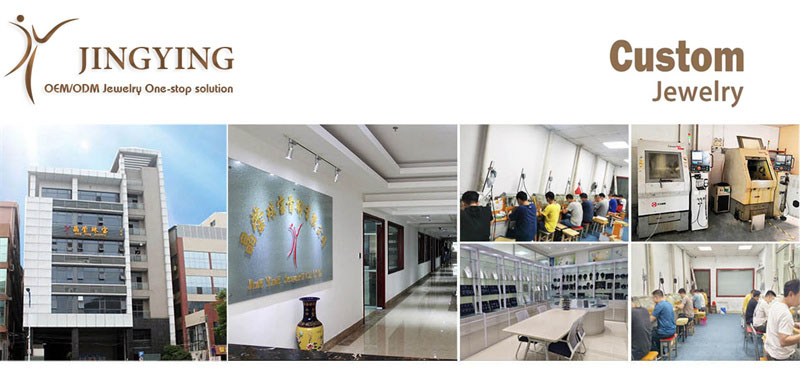
JINGYING is a manufacturer that offers high-quality, durable jewelry and private label / OEM services.
JINGYING produce pieces made of copper gold-plated, sterling silver (925) gold-plated, and potentially solid gold options, with a strong focus on quality, durability, and long-lasting plating.
Over the last 23 years, JINGYING Jewelry has been providing a one-stop solution for brand jewelers in terms of OEM/ODM and customized work. We can create a great art jewelry collection in fine jewelry making using just your thoughts, photos, or CAD designs.
We provide ODM/OEM services for 100% real gold and 925 sterling silver rings, necklaces, pendants, earrings, bracelets, and pearl jewelry, including rings, sterling silver cross necklaces, heart necklaces, white gold earrings, and gold tennis bracelets, with personalized logos and packaging.
Sterling silver means 925 silver, which is 92.5% silver alloy, and is hypoallergenic.
We provide quality sterling silver jewelry that will NOT turn green.
Sterling silver jewelry is highly waterproof & sweat proof, and is also available with gold plating(vermeil & filled).
Custom Jewellery Manufacturing Services With NDA