Introduction: The Critical Partnership in Jewellery Business Success
Finding the right jewellery manufacturer or supplier is arguably the most crucial operational decision a jewellery brand can make. This partnership determines not only your product quality and cost structure but also your brand reputation, scalability, and long-term viability. Whether you’re a startup designer creating your first collection or an established brand seeking to optimize your supply chain, the process requires careful research, clear evaluation criteria, and strategic alignment.
This comprehensive guide will walk you through the entire journey—from initial sourcing strategies to final partnership agreements—helping you identify, evaluate, and secure manufacturing relationships that align with your brand vision, quality standards, and business objectives.
Part 1: Understanding Your Own Requirements First
Before searching for manufacturers, you must have absolute clarity about your own needs. This self-assessment forms the foundation of your search criteria.
1.1 Define Your Product Specifications
- Materials: Precious metals (gold karats, platinum, sterling silver), gemstones (diamonds, colored stones, synthetics), alternative materials
- Techniques: Casting, fabrication, hand-forging, engraving, enameling, stone setting
- Complexity: Simple designs vs. intricate pieces requiring specialized skills
- Volume: Prototype/samples, small batch (10-100 units), medium runs (100-1,000), large scale (1,000+)
- Price Points: Budget, mid-range, luxury, ultra-luxury
1.2 Establish Your Quality Standards
- Finish Levels: Commercial, high commercial, luxury, heirloom
- Hallmarking and Certifications: Required legal standards, optional quality certifications
- Tolerances: Acceptable variations in measurements, weights, and stone matching
- Packaging: In-house finishing requirements
1.3 Determine Your Operational Needs
- Minimum Order Quantities (MOQs): What you can realistically commit to
- Lead Times: Align with your sales cycles and inventory planning
- Communication Requirements: Language, time zone compatibility, response expectations
- Geographic Preferences: Domestic vs. international considerations
1.4 Budget Realistically
- Tooling and Setup Costs: Often underestimated by newcomers
- Per-Unit Costs: Include all components, labor, and overhead
- Payment Terms: Deposits, progress payments, credit terms
- Hidden Costs: Shipping, duties, insurance, quality control
Part 2: Sourcing Strategies and Channels
2.1 Trade Shows and Industry Events
Major Global Jewellery Trade Shows:
JINGYING(China):Guangzhou JingYing jewelry manufacturers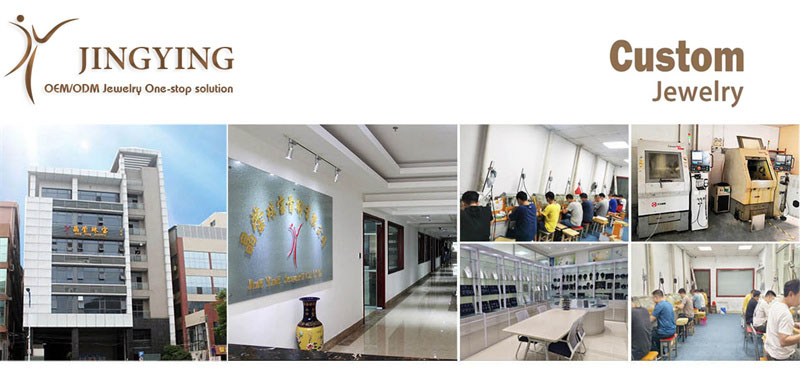
Benefits: See quality firsthand, meet multiple suppliers efficiently, observe industry trends, establish personal connections.
Strategies: Prepare questions in advance, collect business cards and samples, attend manufacturer-focused sections of shows, schedule follow-up meetings.
2.2 Online B2B Platforms and Directories
Specialized Platforms:
- Alibaba.com (with careful vetting for jewellery)
- ThomasNet.com (particularly for US manufacturers)
- Global Sources
- TradeIndia.com
- Supplier-specific platforms (many manufacturers now maintain detailed websites)
Industry Directories:
- Manufacturing Jewelers & Suppliers of America (MJSA) directory
- The Goldsmiths’ Company directory (UK)
- Italian Jewellery Suppliers Association directories
- Hong Kong Jewellery Manufacturers’ Association directory
Verification Tips: Look for verified supplier status, years in business indicators, client testimonials, and association memberships.
2.3 Industry Associations and Networks
Key Organizations:
- Manufacturing Jewelers & Suppliers of America (MJSA)
- Responsible Jewellery Council (RJC)
- World Jewellery Confederation (CIBJO)
- Indian Gem & Jewellery Export Promotion Council (GJEPC)
- Thai Gem and Jewellery Traders Association (TGJTA)
Benefits: Pre-vetted members, ethical standards adherence, networking events, dispute resolution mechanisms.
2.4 Referrals and Professional Networks
- Ask other designers (non-competitive ones)
- Consult with industry mentors or business advisors
- Engage with jewellery school alumni networks
- Utilize LinkedIn for targeted searches and connections
- Join jewellery business groups on social media platforms
2.5 Geographic Clusters and Specialization Hubs
Understand Regional Specializations:
- Italy (Vicenza, Valenza, Arezzo): High-end gold, luxury finishing, intricate craftsmanship
- India (Mumbai, Jaipur, Surat): Gemstone cutting, intricate gold work, volume production
- Thailand (Bangkok, Chanthaburi): Colored gemstones, silver jewellery, casting
- China (Shenzhen, Guangzhou): Fashion jewellery, CAD/CAM, mass production
- Turkey (Istanbul): Gold jewelry, Byzantine and Ottoman styles
- United States (New York, Los Angeles, Providence): Diverse capabilities, smaller batches
Part 3: The Comprehensive Evaluation Framework
Once you’ve identified potential manufacturers, implement this structured evaluation process.
3.1 Initial Screening and Qualification
Company Background Check:
- Years in business (minimum 3-5 years recommended)
- Legal registration and business licenses
- Financial stability indicators
- Ownership structure and transparency
Capability Assessment:
- Specializations and core competencies
- Equipment and technology inventory
- Workforce size and skill levels
- Capacity and current workload
Request for Information (RFI) Package:
- Company profile and history
- Portfolio with clear images (not stock photos)
- Client list (with permission for references)
- Certifications and association memberships
- Basic terms and conditions
3.2 Quality and Craftsmanship Evaluation
Sample Assessment Protocol:
- Request samples of work similar to your designs
- Evaluate multiple pieces from the same batch for consistency
- Test under different conditions (magnification, various lighting)
- Assess finishing details: solder points, prong symmetry, polish uniformity
- Check mechanical functions: clasps, hinges, moving parts
- Verify material authenticity (optional independent testing)
Quality Control Processes:
- In-process inspection stages
- Final inspection criteria and rejection rates
- Measurement and weight verification systems
- Gemstone verification procedures
- Documentation and certification capabilities
3.3 Ethical and Sustainable Practices
Essential Inquiries:
- Material sourcing policies: Conflict-free diamonds, responsibly mined metals
- Labor practices: Fair wages, working conditions, no child labor
- Environmental practices: Recycling programs, chemical management, waste disposal
- Transparency: Willingness to disclose supply chain information
- Certifications: RJC, Fairtrade Gold, SCS Recycled Content, etc.
Due Diligence Actions:
- Verify claims through independent sources
- Request audit reports where available
- Check for any past violations or controversies
- Assess commitment to continuous improvement
3.4 Communication and Responsiveness Assessment
Key Evaluation Areas:
- Language proficiency in your required language(s)
- Response time to inquiries (24-48 hours expected for serious partners)
- Communication channels offered (email, WhatsApp, WeChat, video calls)
- Technical understanding of your requirements
- Proactive problem-solving approach
- Cultural compatibility with your working style
Red Flags: Consistent delays in responses, vague answers, language barriers without translation support, reluctance to answer detailed questions.
3.5 Financial Terms and Stability
Comprehensive Cost Analysis:
- Breakdown of all cost components (materials, labor, overhead, profit)
- Tooling and setup costs (one-time vs. amortized)
- Payment schedule and terms (30%, 40%, 30% is common)
- Currency and payment method preferences
- Price validity period (protect against material cost fluctuations)
Financial Health Indicators:
- Request DUNS number or equivalent for credit checks
- Inquire about banking relationships
- Assess financial dispute history if possible
- Evaluate investment in equipment and facilities
3.6 Operational Compatibility
Logistics and Workflow:
- Lead times for samples and production runs
- Flexibility with order changes or rush requests
- Packaging and shipping options
- Returns and repair policies for defective items
Scalability Assessment:
- Capacity to grow with your business
- Willingness to accommodate evolving needs
- Multiple facility options if needed
- Backup plans for production issues
Part 4: The Testing Phase: Pilots and Samples
Never commit to large production without testing the partnership through smaller engagements.
4.1 Sample Order Best Practices
Comprehensive Sample Request:
- Request samples of existing designs first to assess quality
- Pay fair prices for samples (never expect them free unless offered)
- Request multiple units of the same item to check consistency
- Test modifications to assess adaptability
Detailed Sample Evaluation Checklist:
- Weight matches specifications (within acceptable tolerance)
- Dimensions accurate to technical drawings
- Finish quality meets standards (polish, texture, uniformity)
- Stone settings secure and symmetrical
- All markings present and correctly placed (hallmarks, logos)
- Functionality of clasps, mechanisms
- Packaging meets requirements
- Documentation complete and accurate
4.2 Prototype Development Process
For custom designs:
- Provide comprehensive specifications: Technical drawings, CAD files, material specifications
- Establish review milestones: Wax model approval, casting approval, pre-set approval
- Implement iterative feedback: Document all changes and approvals
- Finalize master model/sample: This becomes the production standard
Cost Considerations: Expect to pay for prototype development, though some manufacturers credit these costs against future production orders.
4.3 Small Production Run Test
The 50-Piece Test: Before committing to large volumes, place an order for 50-100 units to assess:
- Consistency across production units
- Adherence to agreed timeline
- Communication during production
- Packaging and shipping execution
- Responsiveness to any issues
Part 5: The Relationship Dynamics
5.1 Communication Protocols
Establish Clear Systems:
- Primary contacts: Designate specific individuals for design, production, and quality
- Regular updates: Scheduled progress reports (weekly during production)
- Issue escalation paths: Clear process for addressing problems
- Language considerations: Agree on technical terminology to avoid misunderstandings
Cultural Considerations: Understand working styles, holiday schedules, and communication preferences that may differ across regions.
5.2 Intellectual Property Protection
Essential Safeguards:
- Non-Disclosure Agreements (NDAs): Signed before sharing designs
- Clear ownership clauses in manufacturing agreements
- Restrictions on similar production for other clients
- Security measures for your designs and molds
- Provisions for return or destruction of molds if partnership ends
Jurisdictional Awareness: IP protection effectiveness varies by country; consult legal expertise for international partnerships.
5.3 Contract Essentials
Comprehensive Manufacturing Agreement Should Include:
- Detailed specifications and quality standards
- Pricing structure with validity period
- Payment terms and schedule
- Delivery timelines with penalty clauses for delays
- Quality acceptance criteria and rejection procedures
- Intellectual property ownership and protection
- Confidentiality obligations
- Liability and insurance provisions
- Dispute resolution mechanisms
- Termination conditions and notice periods
Legal Review: Always have contracts reviewed by an attorney familiar with manufacturing and international trade.
Part 6: Special Considerations by Business Type
6.1 Startups and First-Time Designers
Priorities: Lower MOQs, educational support, prototyping assistance
Recommended Approach: Begin with domestic manufacturers or those specializing in startup support, even at higher unit costs, to maintain control while learning.
6.2 Established Brands Scaling Production
Priorities: Consistent quality at volume, reliable lead times, scalability
Recommended Approach: Develop multiple supplier relationships, consider dedicated production lines, implement more formal quality control systems.
6.3 Luxury and High-Complexity Brands
Priorities: Exceptional craftsmanship, material excellence, brand alignment
Recommended Approach: Focus on specialized manufacturers with proven luxury experience, prioritize relationship over cost, consider onsite production supervision.
6.4 Ethical and Sustainable Brands
Priorities: Supply chain transparency, certified materials, fair labor practices
Recommended Approach: Seek RJC-certified manufacturers, prioritize partnerships with shared values, build traceability into agreements.
Part 7: Red Flags and Warning Signs
7.1 During Vetting Phase
- Unwillingness to provide references or samples
- Vague answers about capabilities or processes
- Pressure to make quick decisions or large commitments
- Prices significantly below market without clear justification
- Lack of proper business documentation or licenses
7.2 During Sampling and Production
- Consistent failure to meet agreed timelines
- Resistance to implementing requested changes
- Quality variations from approved samples
- Unapproved substitutions of materials
- Poor communication or disappearing contacts
- Unexpected additional charges
7.3 Relationship Indicators
- Lack of interest in your brand success
- Inflexibility on reasonable requests
- High staff turnover in your account team
- Declining quality over time
- Financial instability signs
Part 8: Building Long-Term Partnerships
The most successful manufacturer relationships evolve into true partnerships.
8.1 Relationship Nurturing Strategies
- Regular communication beyond transactional interactions
- Site visits when possible (even virtually)
- Shared planning for upcoming collections
- Fair treatment during market fluctuations
- Recognition of exceptional work or support
8.2 Collaborative Improvement
- Joint problem-solving sessions
- Process optimization collaborations
- Technology investment discussions
- Sustainability initiative partnerships
- Training and skill development support
8.3 Strategic Alignment
- Shared growth planning
- Exclusivity considerations for strategic products
- Joint marketing of manufacturing capabilities
- Innovation partnerships for new techniques or materials
Part 9: Exit Strategies and Contingency Planning
Even with the best vetting, sometimes relationships need to change.
9.1 Transition Planning
- Ownership clarity on molds, models, and patterns
- Data management for design files and specifications
- Knowledge preservation about manufacturing processes
- Gradual transition planning to avoid production gaps
9.2 Multi-Sourcing Strategies
The 70/20/10 Rule: Consider allocating:
- 70% to primary manufacturer
- 20% to secondary manufacturer
- 10% to testing new manufacturers
This maintains continuity while allowing flexibility and innovation.
Conclusion: The Art and Science of Manufacturer Selection
Finding the right jewellery manufacturer is both a strategic process and a relationship-building journey. The “perfect” manufacturer doesn’t exist—instead, you seek the best fit for your specific needs, values, and stage of business development.
The most successful brands view their manufacturers not as vendors but as partners in their creative and commercial success. They invest time in selection, maintain clear communication, establish fair agreements, and nurture relationships that can evolve alongside their businesses.
Remember that cost is only one factor—often not the most important one. Reliability, quality consistency, communication effectiveness, and shared values frequently outweigh minor price differences. A manufacturer that’s 10% more expensive but delivers perfect quality on time is far more valuable than one that’s cheaper but causes missed sales, customer returns, or brand reputation damage.
Your manufacturing partnerships will fundamentally shape what’s possible for your brand. Choose them with the care and consideration they deserve, and you’ll build not just jewellery, but a sustainable business foundation that can support your creative vision for years to come.
Final Checklist Before Committing:
- Completed comprehensive due diligence
- Received and evaluated physical samples
- Verified references from similar clients
- Confirmed ethical and quality certifications
- Established clear communication protocols
- Negotiated fair and detailed contract
- Developed quality acceptance criteria
- Planned small test order before large commitment
- Considered contingency and transition planning
- Aligned on long-term partnership potential
The journey to finding your ideal jewellery manufacturer requires patience, diligence, and clear vision. But when you find that right partnership, it becomes one of your business’s greatest assets—transforming your designs into beautiful realities and supporting your growth every step of the way.