JINGYING : Vintage Silver Ring Custom Jewelry Factory
JINGYING : Vintage Silver Ring Custom Jewelry Factory
LET’S GET STARTED : mo@kingjy.com
How to Produce Vintage Silver Rings at JINGYING: A Technical Guide to Antique Aesthetics in Modern OEM Manufacturing
Introduction
In the world of contemporary jewelry, “vintage” is more than a look—it is an emotional trigger. It represents heritage, craftsmanship, and a story that a shiny, mass-produced object often cannot tell. However, for brands looking to scale, sourcing true antiques is impractical due to sizing inconsistencies, metal fatigue, and limited supply.
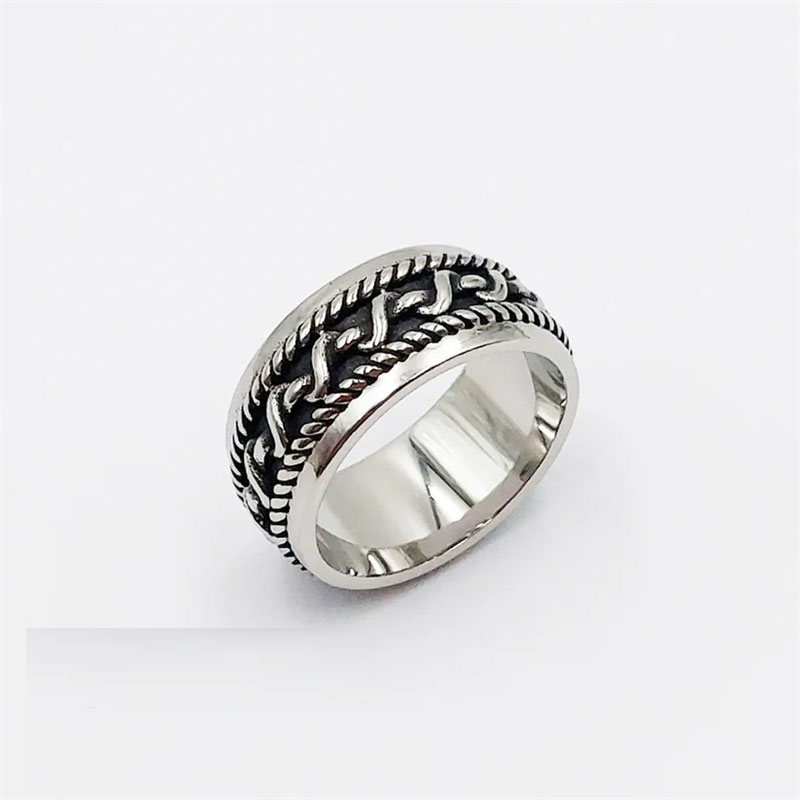
This is where JINGYING bridges the gap. As a leading OEM/ODM manufacturer specializing in sterling silver, JINGYING has mastered the technical alchemy of turning new, 925 silver into objects that look like they have survived a century of history . Producing a vintage silver ring at JINGYING is not about making a “mistake”; it is a precise, multi-step process involving metallurgy, wax carving, pressure casting, and chemical oxidation.
Here is the step-by-step industrial process for producing high-quality vintage silver rings at JINGYING.
Phase 1: Design & Conceptualization (The Blueprint of Age)
Before any metal is melted, the vintage look must be engineered into the CAD (Computer-Aided Design).
1.1 Defining Vintage Geometry
Unlike modern minimalist designs (flat bands, sharp edges), vintage aesthetics rely on ornamentation. At JINGYING, designers focus on specific historical eras as requested by the client:
- Victorian (1837-1901): Floral motifs, scrollwork, and symbolic engravings (hearts, snakes).
- Art Deco (1920s-1930s): Geometric precision, step-down bezels, and filigree .
- Retro (1940s-1950s): Bold curves, larger centering, and “cocktail” style proportions.
1.2 The “Die-Struck” Illusion via CAD
Authentic vintage rings were often die-struck—stamped under immense pressure to create sharp, durable edges . While JINGYING uses lost-wax casting for efficiency, the digital sculpting team mimics the sharpness of die-striking by designing crisp undercuts and precise milgrain (tiny beads along the edge) directly into the 3D file. This ensures the casting captures the high-relief detail characteristic of antique jewelry .
1.3 3D Printed Wax Prototypes
The CAD file is printed in a high-resolution wax resin. For vintage rings, JINGYING avoids the “perfect” smooth surface. The wax is often modified with surface texture mapping to simulate wear before the metal is even cast.
Phase 2: Material Selection (The Foundation of Patina)
The metal alloy is the canvas for aging. JINGYING primarily uses 92.5% Sterling Silver , but the specific 7.5% alloy is adjusted depending on the desired aging outcome.
- Standard 925 (Silver + Copper): Copper is reactive. This is ideal for vintage rings because it reacts readily with sulfur to create a black patina. The more copper, the darker the potential oxidation .
- German Silver (Nickel/Silver): Occasionally used as a base for plating, though less common for standard vintage looks.
Quality Control: Every batch of silver is verified using XRF (X-ray fluorescence) spectrometers to ensure purity. If the alloy is off, the tarnishing reaction will be uneven .
Phase 3: Casting & Assembly (Creating the Canvas)
Once the wax models are approved, they enter the tree of investment casting.
3.1 The Vacuum Casting Process
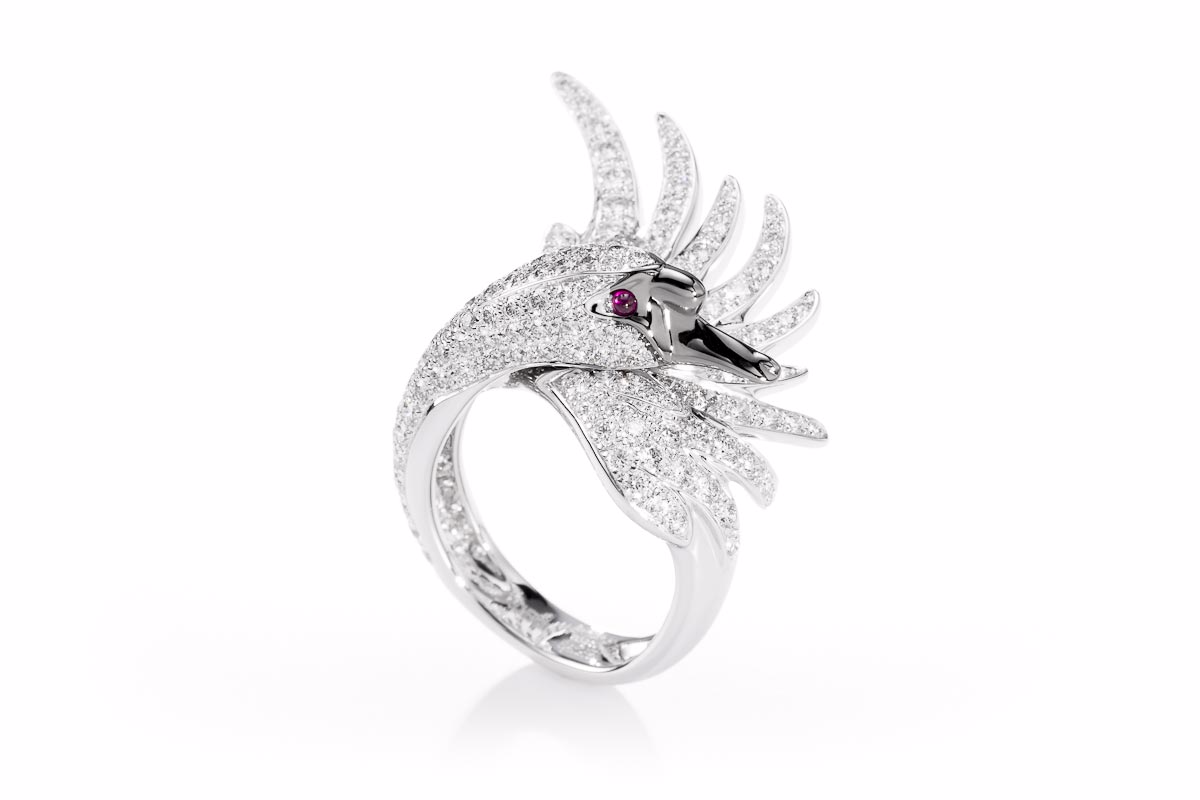
JINGYING utilizes vacuum casting for high precision. Molten 925 silver is forced into the investment mold. For vintage rings, this method is crucial because it captures the fine filigree (lace-like metalwork) and hand-engraved textures that define antique pieces .
3.2 Tumbling & Deburring
Once removed from the mold, the raw silver rings are covered in “sprues” (excess metal). In modern manufacturing, pieces are aggressively tumbled to smooth them. For vintage production at JINGYING, this step is controlled.
- Modern Process: High-speed tumbling for a mirror finish.
- Vintage Process: Gentle or skipped tumbling. The goal is to retain the “orange peel” texture and slight unevenness that occurs when molten metal hits a cold mold. This texture mimics hand-hammering .
Phase 4: Surface Engineering (The Art of Aging)
This is where JINGYING transforms new silver into a relic. It is not just about “dirtying” the ring; it is about selective highlighting.
4.1 Oxidation (Liver of Sulfur)
The primary chemical agent is Potassium Polysulfide (Liver of Sulfur).
- The Process: The rings are dipped into a heated solution of liver of sulfur.
- The Reaction: The silver reacts with the sulfur to form Silver Sulfide (Ag2S), a black layer. The longer the dip, the blacker the ring .
- The Vintage Trick: A deep, uniform black is not vintage. “Vintage” requires depth.
4.2 Relief Polishing (The Worn Effect)
After the ring is completely blackened, it enters the polishing stage.
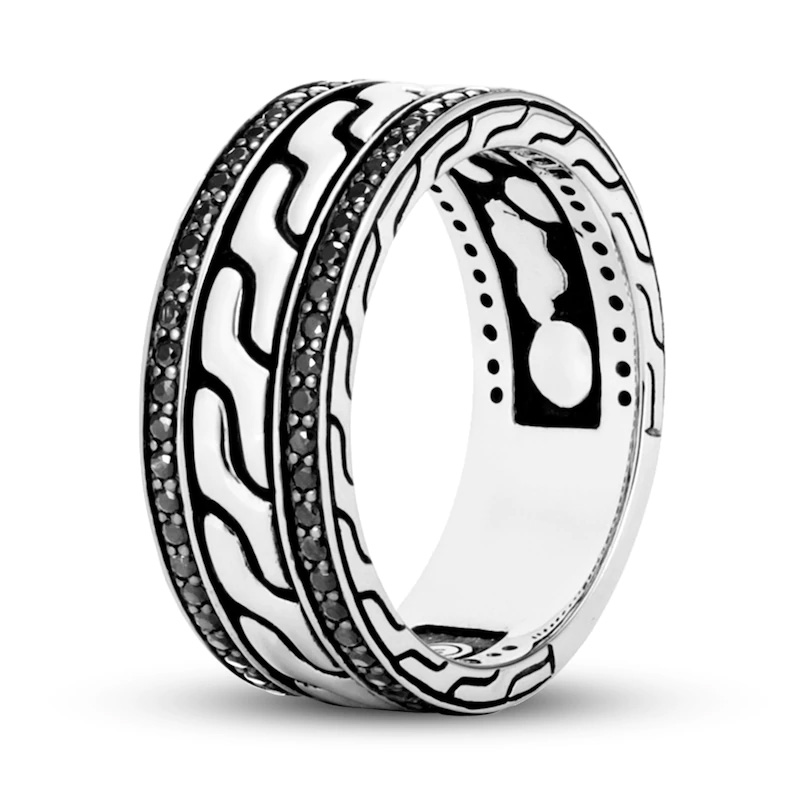
- The Process: Workers use buffing wheels to remove the black layer from the high points (the top of the filigree, the edges of the bezel).
- The Result: The recesses remain black, highlighting the engraving details. The high points shine bright silver, mimicking 100 years of handling.
- Precision: JINGYING uses barrel finishing with different media shapes (stainless steel shot) for complex pieces to ensure the high points are polished without damaging the delicate filigree in the valleys .
4.3 Matte & Satin Finishes
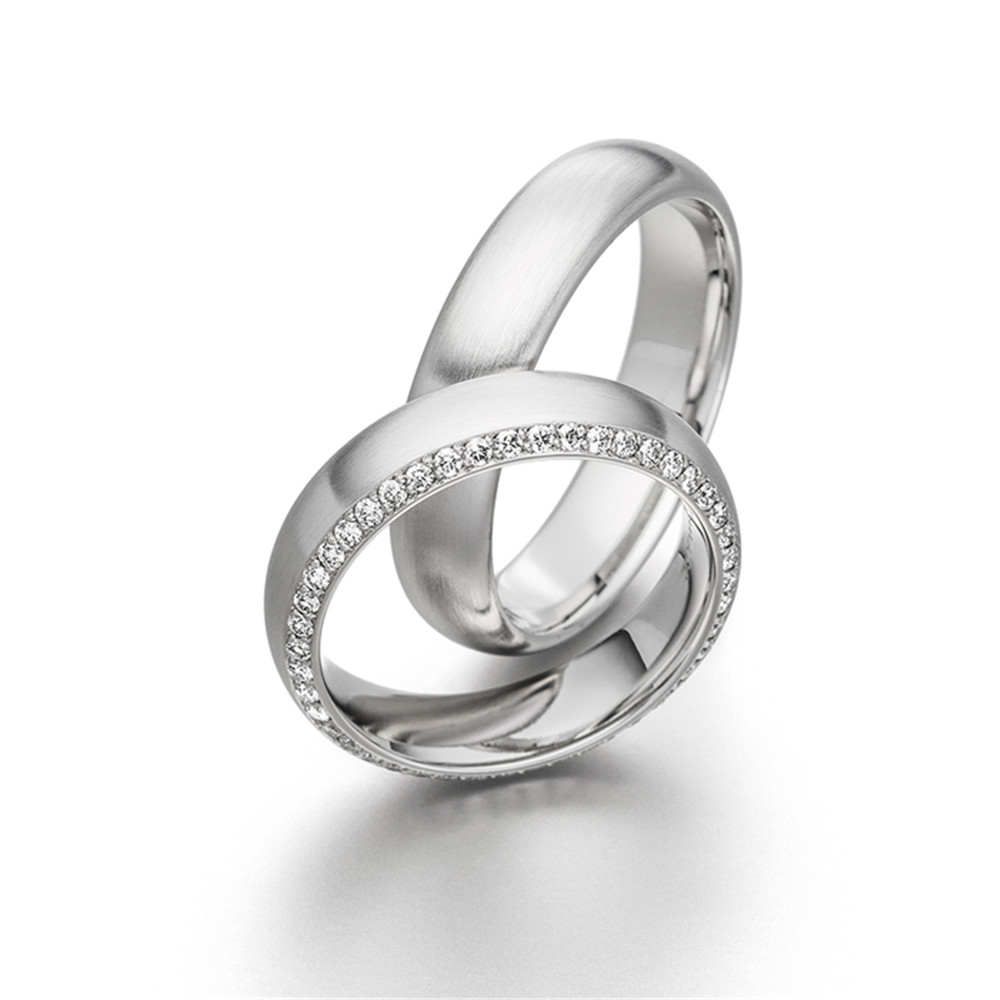
Not all vintage rings are black and shiny. Some require a satin (brushed) finish to look like they were hand-finished in the 1920s. JINGYING uses glass bead blasting or brass brushing to create a diffuse, soft reflection that eliminates the “tin foil” look of modern silver .
Phase 5: Plating & Preservation (The Final Paradox)
Here is the paradox of the vintage ring industry. Real antiques are worn down. New vintage-style rings must look worn but stay durable.
5.1 The Rhodium Exception
In standard silver manufacturing, JINGYING applies a heavy layer of Rhodium—a platinum-group metal—to prevent tarnish .
- For Vintage Rings: Full rhodium plating is avoided.
- Why: Rhodium is chemically inert and stays bright blue-white forever. A rhodium-plated “vintage” ring will never develop patina and looks fake.
- The JINGYING Method: If a vintage ring requires rhodium (for nickel-allergy or skin-sensitivity clients), it is applied only as a flash (0.05 microns) or selectively, followed by a secondary chemical bath to knock back the brightness, giving it a “dull white” steel look.
5.2 E-coating (Anti-Tarnish)
For brands that want the look of antique silver but the maintenance of modern metal, JINGYING offers Electrophoretic coating. This is a clear polymer that seals the oxidation in.
- Pro: The ring will never turn the wearer’s finger black (a common complaint with genuine vintage silver).
- Con: It feels slightly plastic-y. JINGYING typically recommends this for fashion jewelry lines rather than fine heirloom pieces .
Phase 6: Stone Setting (Antique Cuts)
A vintage ring is rarely just metal. If the design includes gemstones, the cut of the stone matters.
6.1 The Old Cut Revival
JINGYING sources cubic zirconia or lab-grown diamonds cut in antique styles:
- Rose Cut: Flat bottom with a domed top. Very “Art Nouveau.”
- Old Mine Cut: Cushion shape with high crown and small table.
- The Setting: Stones are set using bezel settings (metal pushed over the stone edge) or buttercup prongs, which are chunkier than modern sharp prongs, adding to the handcrafted look .
6.2 Quality Assurance
Because oxidized silver is brittle if poorly alloyed, JINGYING uses microscopic inspection to ensure that the pressure of setting the stones does not crack the aged metal. Every stone is tested for “rocking” (tightness) .
Phase 7: Hallmarking & Storytelling
The final step is the “925″ stamp. However, for vintage collections, JINGYING offers specific stamping services:
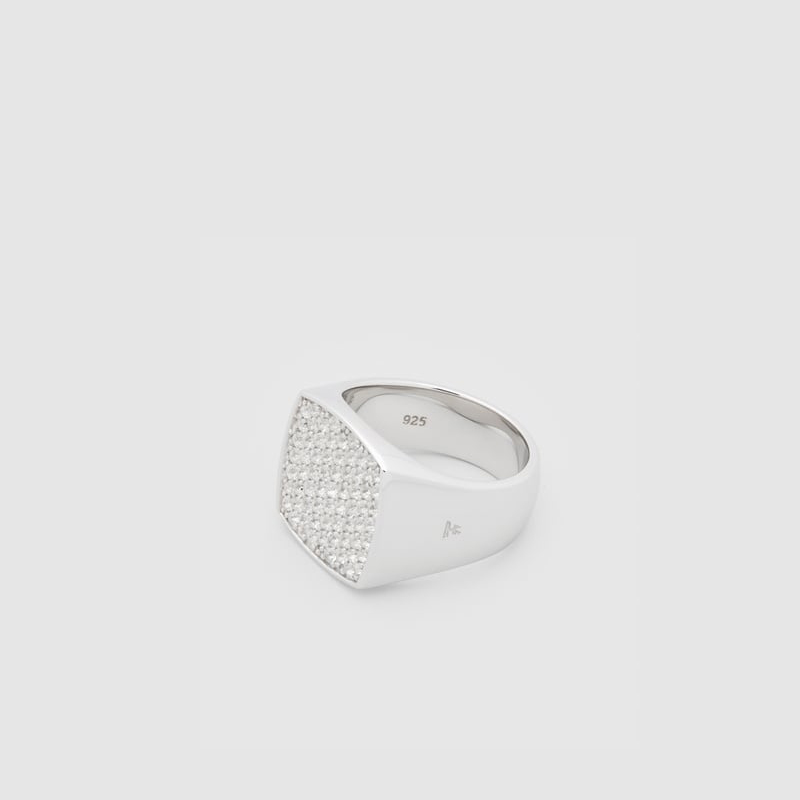
- Placement: Stamps are placed inside the shank (band) but are often slightly worn or softened via laser ablation to look aged.
- Laser Engraving: For custom branding (e.g., “Est. 2024″ written in an Edwardian font), JINGYING uses fiber lasers to etch the surface. When oxidized, the engraving holds the black sulfur, making the brand name stand out as if it were original to the piece .
Conclusion: The JINGYING Advantage
Producing a vintage silver ring at JINGYING is a deliberate act of reverse engineering time. It moves away from the standard manufacturing goal of “perfection” (zero porosity, mirror shine) toward controlled imperfection (textured surfaces, deep contrast, soft edges).
For global brands, JINGYING offers:
- Consistency: Every ring in a batch of 1,000 will have the exact same level of “wear” and oxidation.
- Durability: Modern soldering and casting techniques ensure the ring is structurally stronger than a 100-year-old antique .
- Customization: From the yellow hue of the oxidation to the depth of the matte finish, every variable is controlled.
To produce a vintage silver ring at JINGYING is to embrace the philosophy that while silver is a metal, time is a design element.