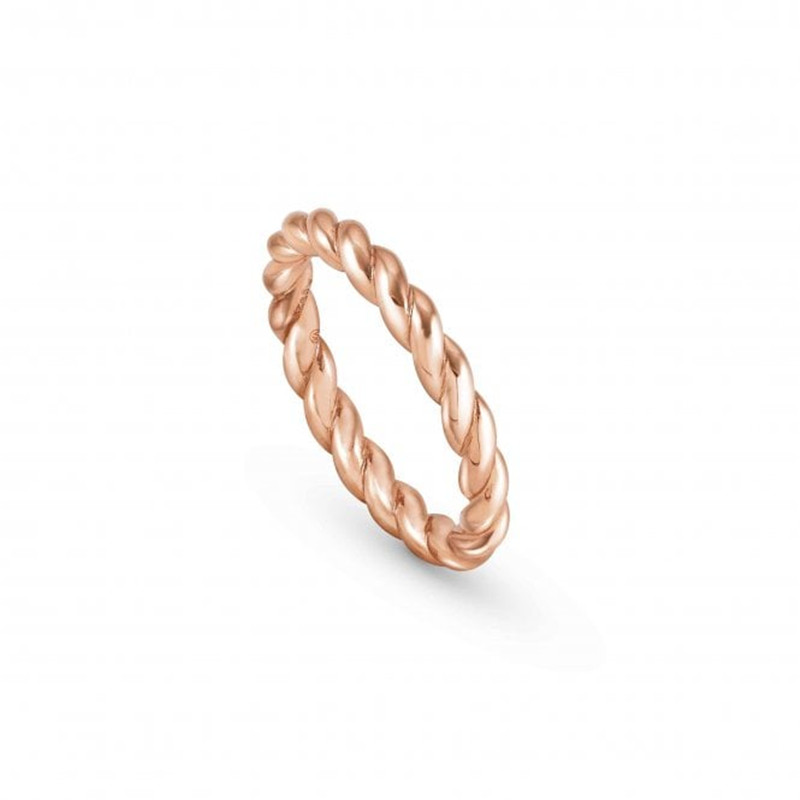
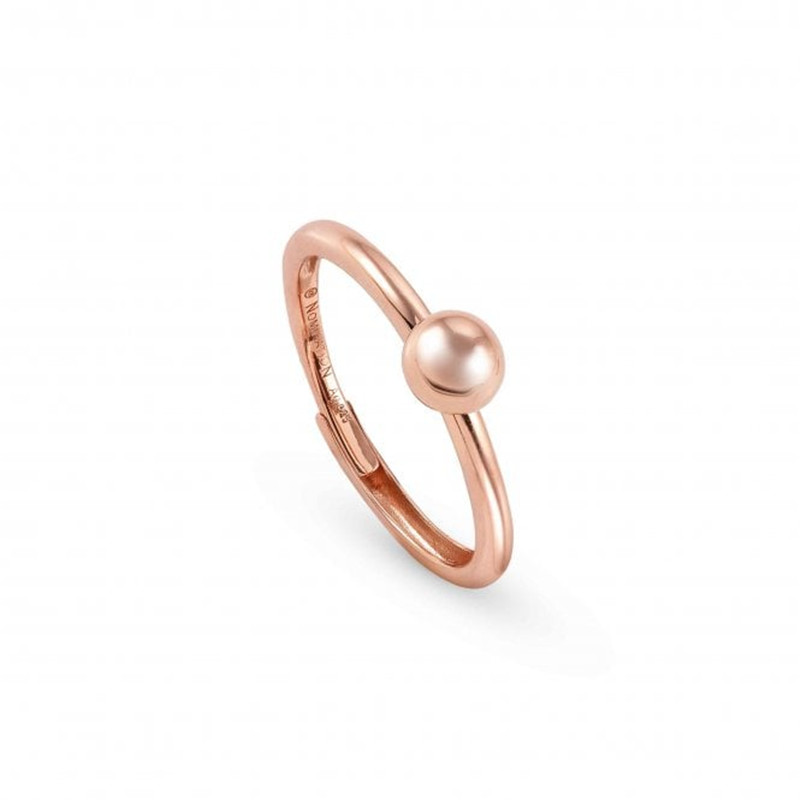
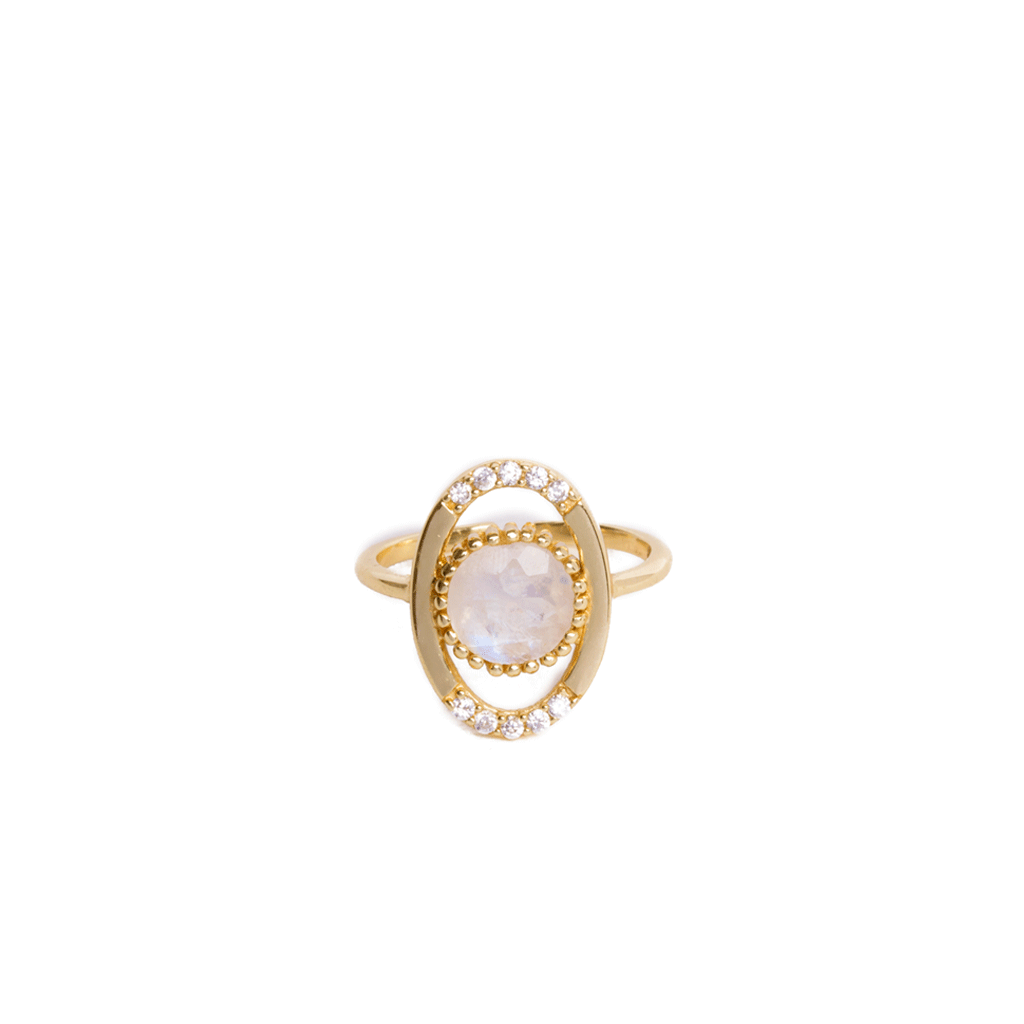
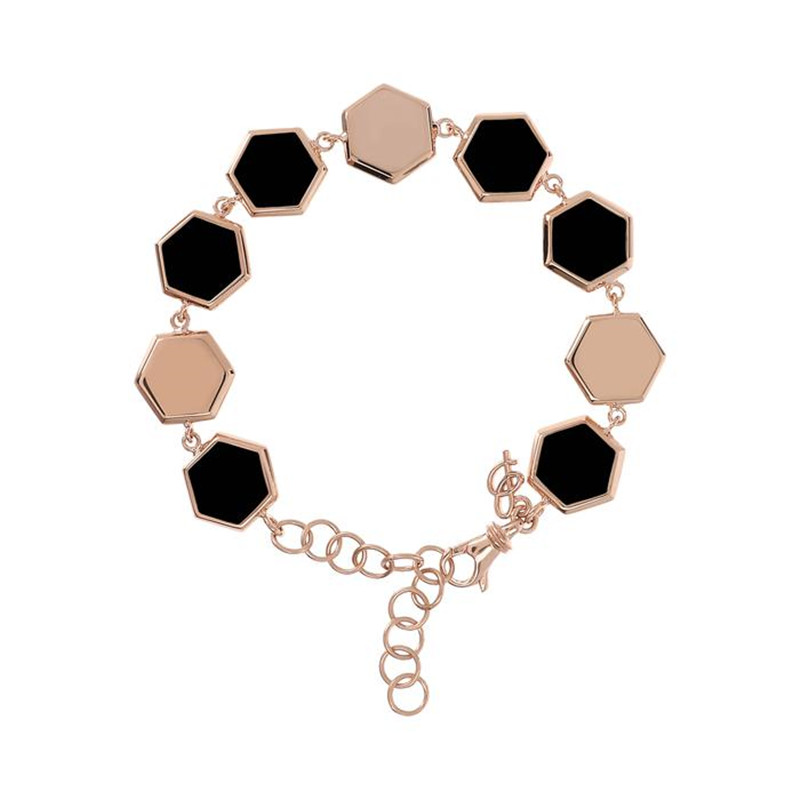
JINGYING: The custom manufacturer of Chain Rings
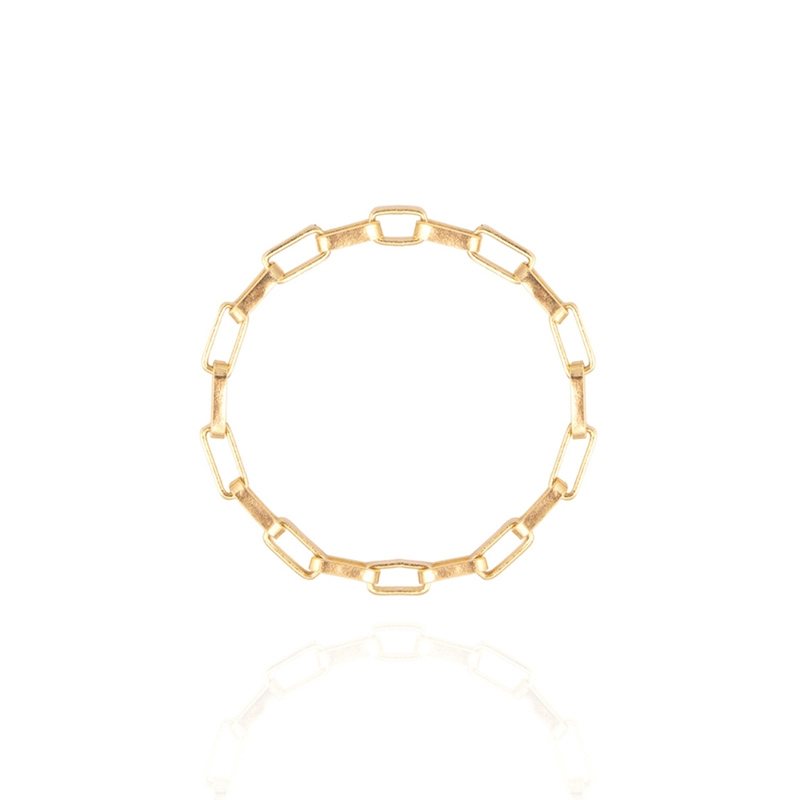
JINGYING: The custom manufacturer of Chain Rings
LET’S GET STARTED : mo@kingjy.com
Precision in Motion: The Complete Guide to Manufacturing Chain Rings at JINGYING
1. Introduction: The Art of the Link
In the world of premium jewelry manufacturing, few elements are as fundamental yet technically challenging as the chain ring. Whether forming the backbone of a delicate rope chain or acting as the crucial connector between pendant and clasp, the quality of these small metallic loops defines the durability, feel, and value of the final product. For over two decades, JINGYING has positioned itself at the intersection of traditional craftsmanship and digital precision, evolving from a small Shenzhen workshop into a 500-employee powerhouse with 25,000 square meters of specialized production space .
Manufacturing a chain ring at JINGYING is not a single process but a strategic choice between methodologies. Depending on the design complexity, volume requirements, and structural needs, an engineer might select high-precision CNC machining for solid, architectural links, or lost-wax casting for organic, intricate geometries . This article dissects the technical workflow of both methods, providing a rare look inside the factory floor of one of China’s leading OEM jewelry partners.
2. Method One: CNC Machining for Solid Chain Rings
When a client requires a “hard” chain ring—such as a box chain link, a geometric connector, or a solid bangle component—CNC machining is the gold standard. Unlike casting, CNC (Computer Numerical Control) is subtractive manufacturing: we start with a solid block of metal and carve away everything that isn’t a ring.
2.1 Material Preparation and Workholding
The process begins at JINGYING’s material mastery lab. For chain rings that will undergo heavy wear or require sharp internal corners, we select either corrosion-resistant stainless steel, 925 sterling silver, or brass stock. The material is sourced in certified sheets or rods and verified via XRF (X-ray fluorescence) analysis to ensure alloy purity .
The critical step here is workholding. The metal blank must be secured to the machine bed with zero deflection. JINGYING utilizes custom vacuum chucks and vise systems to stabilize the stock, as even a micron of vibration during the cutting of a 2mm ring will result in an out-of-round geometry .
2.2 CAD/CAM Programming for Links
Every chain ring starts as a digital twin. Our engineers use CAD (Computer-Aided Design) software to define the outer diameter (OD), inner diameter (ID), and profile—whether round, square, or textured.
This file is fed into CAM (Computer-Aided Manufacturing) software where technicians, or “CNC programmers,” define the toolpaths. For a standard ring:
- Roughing Pass: A high-speed end mill removes the bulk of the material.
- Finishing Pass: A smaller, tighter tool runs at high RPM to shave the final 0.05mm, creating a mirror-smooth surface that requires minimal polishing .
2.3 The Machining Process
JINGYING operates a fleet of 25 CNC milling machines, many of which are 5-axis capable . For a chain ring, a 3-axis mill is usually sufficient.
- Drilling: The machine drills a precise hole into the plate.
- Milling: It mills the outer contour.
- Deburring: As the tool retracts, programmed paths remove sharp edges.
The result is a “raw machined” ring. Unlike cast rings, CNC-machined rings have no porosity (air bubbles) and are incredibly dense. However, they require a specialized process if they need to be opened and closed; usually, these are manufactured as solid, closed rings or “C” shaped spring rings .
3. Method Two: Lost-Wax Casting for Chain Components
For high-volume production of intricate chain links (such as the links in a Italian rope chain or Figaro chain), JINGYING relies on Lost-Wax Investment Casting. While CNC is subtractive, casting is additive molding. This is the primary method used when a client orders 10,000 units of a specific charm or connector link .
3.1 Wax Injection and Tree Assembly
The process does not start with metal, but with resin.
- Mold Making: A rubber mold is created from a master link.
- Wax Injection: Liquid wax is injected into the mold. Because JINGYING utilizes high-resolution SLA 3D printing for master patterns, the wax details can capture textures as fine as a fingerprint .
- Tree Assembly: The wax links are meticulously glued by hand or ultrasonic welding to a central wax “sprue” (a wax stick). This structure is called a “tree,” designed to channel liquid metal into all the tiny cavities .
3.2 Investment (Creating the Mold)
The wax tree is placed into a steel flask, which is then filled with a liquid plaster-like slurry called investment. Once set, the flask is placed into a kiln set to approximately 750°C (1382°F). This “burnout” cycle melts the wax away entirely, leaving a precise hollow cavity. It also hardens the investment so it can withstand the pressure of molten metal .
3.3 Centrifugal and Vacuum Casting
Timing is critical. The flask is removed from the kiln while still red-hot.
- Melting: The chosen material (e.g., 925 Sterling Silver) is heated until molten in a crucible.
- Casting: The flask is placed in a centrifugal casting machine. The machine spins at high speed, using centrifugal force to push the liquid silver into every crevice of the mold. JINGYING also uses vacuum casting for thinner links, where air is sucked out of the mold before the metal rushes in, ensuring zero porosity .
3.4 Quenching and Devesting
Once the metal solidifies (usually within minutes), the hot flask is dropped into cold water. The thermal shock shatters the investment material, revealing the “silver tree”—a central rod with dozens of raw chain rings attached like fruit. Operators then cut the links off the tree using metal shears .
4. Post-Processing: From Rough Cast to Mirror Finish
Whether the rings were machined or cast, they all enter the finishing department looking rough. They have sprues (nubs from the casting tree) or tool marks. The transformation into jewelry happens here.
4.1 Tumbling and Deburring
Small chain rings cannot be hand-polished individually—it would take days. JINGYING uses High-Energy Centrifugal Tumbling.
- The Mix: The rings are placed in a barrel with stainless steel shot (in various shapes: balls, cones, pins) and a lubricating burnishing compound.
- The Action: The barrel spins at high speed, creating friction. The steel shot peens the surface of the silver, work-hardening it and closing up any microscopic surface porosity. This process removes the “casting skin” and creates the initial base shine .
4.2 Soldering and Assembly
For chain rings that need to be closed permanently (such as the connecting rings in a chain maille pattern), laser welding is required.
- Laser Soldering: JINGYING uses 6 laser welding systems. An operator places the C-shaped ring into a fixture, closes the gap, and fires a laser. The heat melts the surface of the metal just enough to fuse the ends perfectly. Laser welding is preferred over torch soldering for chain rings because it keeps heat-affected zones minimal, preventing discoloration .
5. Plating and Surface Engineering
Raw silver or brass chain rings do not retain their luster; they tarnish. To achieve the “White Gold,” “Rose Gold,” or “Italy Gold” look, the rings must be electroplated. This is a chemical engineering process, not just a dip .
5.1 The Preparation Line
Plating will fail if the metal isn’t clean.
- Ultrasonic Degreasing: The chain rings are submerged in a heated ultrasonic tank. High-frequency waves create cavitation bubbles that scrub away human oils and dust.
- Electrocleaning: The rings are charged with an electric current in an alkaline bath. This reverses the polarity of any remaining oxide layers, ripping them off the surface .
- The Water-Break Test: Operators perform an audit. If the rinse water sheets evenly across a ring, it’s clean. If it beads up, oil remains, and the ring is rejected back to cleaning.
5.2 Electroplating Chain Rings
Because chain rings interlock, plating them evenly is a challenge. JINGYING uses Barrel Plating for this specific geometry.
- The rings are placed in a rotating, hexagonal barrel made of mesh.
- The barrel is submerged in a gold or rhodium solution.
- As the barrel rotates, the rings tumble, ensuring that every inner surface of the ring gets exposed to the anode and receives a coating of gold (from 0.5 to 3 microns thick) .
5.3 Optional PVD Coating
For high-wear chain rings (like those used in men’s bracelets), JINGYING offers Physical Vapor Deposition (PVD). In a vacuum chamber, a high voltage is applied to a target metal (like titanium nitride for a gold color). The metal vaporizes and bonds to the silver at an atomic level, creating a coating that is significantly harder than electroplating .
6. Quality Control (QC) Protocol
A chain ring is a mechanical device; if it breaks, the entire necklace falls off. JINGYING employs a 7-Point Inspection system specifically for rings and links .
- Dimensional Inspection: Digital calipers check the ID and OD against the CAD blueprint. A tolerance of ±0.02mm is the standard .
- Wall Thickness Check: Microscopic measurement ensures the ring hasn’t worn thin during polishing.
- Porosity Test: X-ray inspection (for high-value gold rings) looks for internal air bubbles that could cause breakage.
- Solder Integrity (Pull Test): A random sample of soldered rings is placed on a tensile strength tester. The machine pulls the ring until it deforms. If the weld breaks before the metal stretches, the batch fails.
- Plating Thickness: An XRF (X-ray fluorescence) gun is aimed at the ring. It reads the exact micron thickness of the gold layer without destroying the piece .
- Salt Spray Test: Random samples are placed in a salt spray chamber for 24 hours. This simulates years of sweat exposure. If any green spots or corrosion appear, the plating chemistry is adjusted.
- Clasp Function Test: For rings that act as lobster clasps or spring rings, mechanical testers open and close the mechanism 5,000 times to ensure the spring retains tension .
7. Conclusion
Manufacturing chain rings at JINGYING is a dialogue between digital precision and chemical engineering. For structural integrity, the CNC department carves rings from solid stock with micron-level accuracy. For volume and intricate detail, the casting department uses 3D-printed wax trees to replicate complex geometries hundreds of times over. Finally, the tumbling, laser welding, and electroplating divisions work in concert to ensure that every link, whether destined for a silver rope chain or a gold charm bracelet, meets the compressive stress and aesthetic standards required by the global market.
With a monthly output capacity exceeding 150,000 pieces and a defect rate below 0.3%, JINGYING does not just mass-produce components; it engineers the connective tissues of the jewelry world