JINGYING : The Custom Manufacturer of 18K ALL ABOUT BASICS Oblong Charm Ladder Chain Bracelet
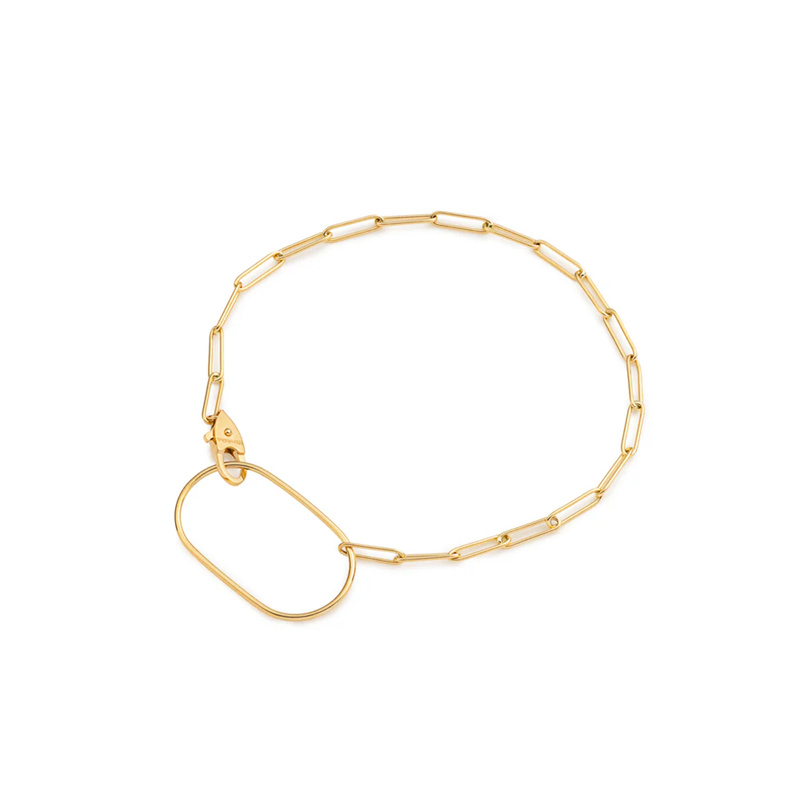
JINGYING : The Custom Manufacturer of 18K ALL ABOUT BASICS Oblong Charm Ladder Chain Bracelet
LET’S GET STARTED : mo@kingjy.com
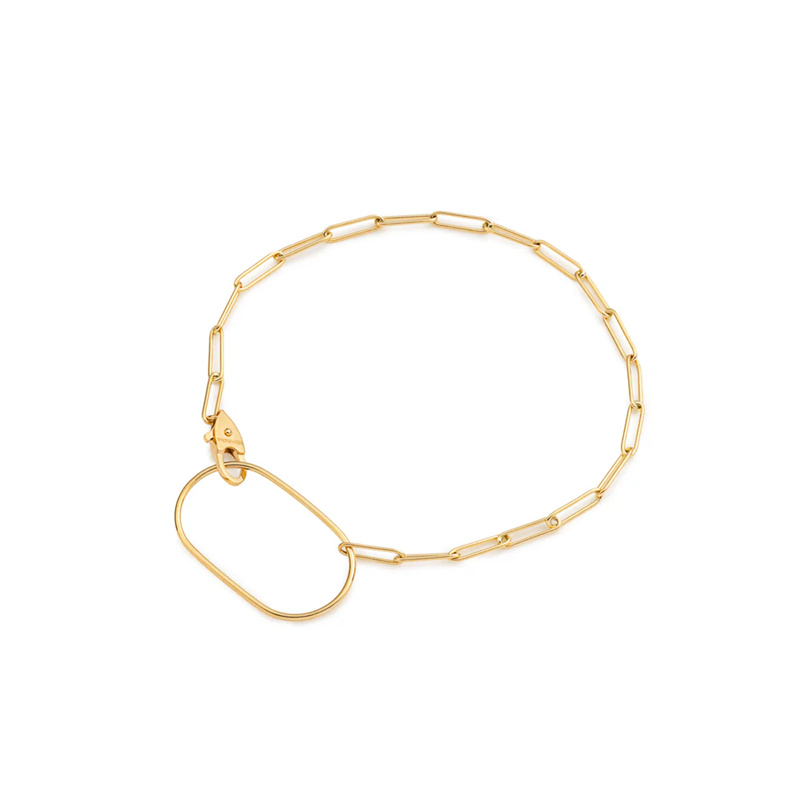
Engineering Minimalism: The Production of the 18K ALL ABOUT BASICS Oblong Charm Ladder Chain Bracelet at JINGYING
Introduction
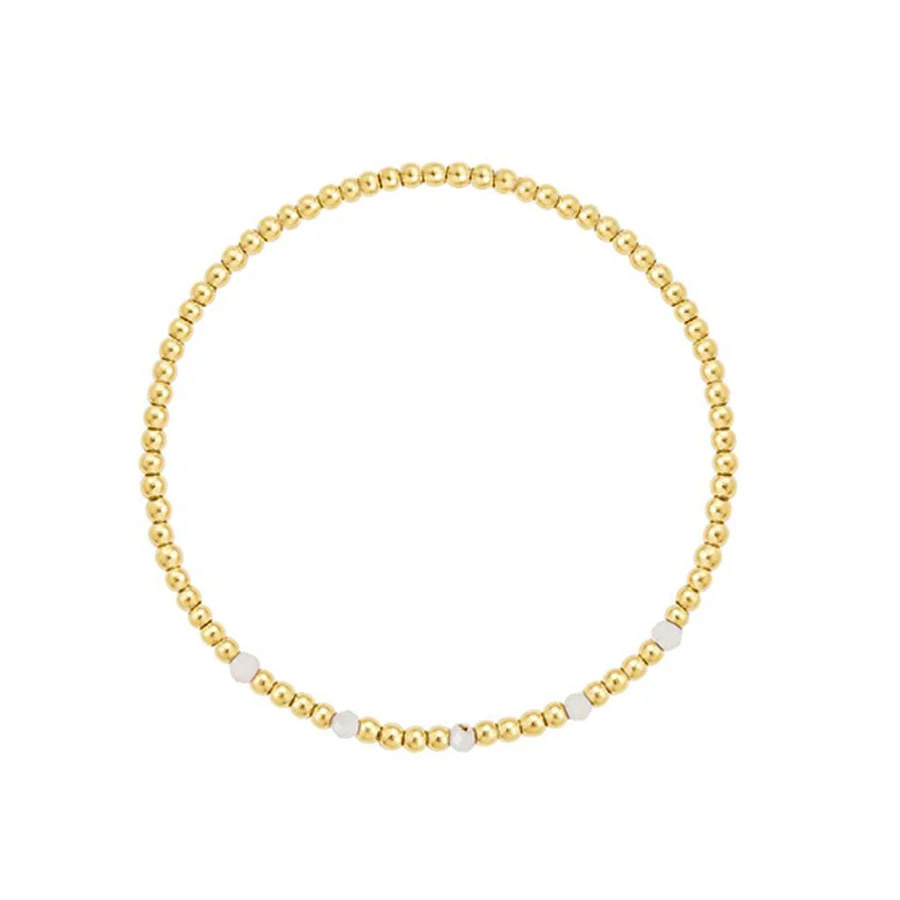
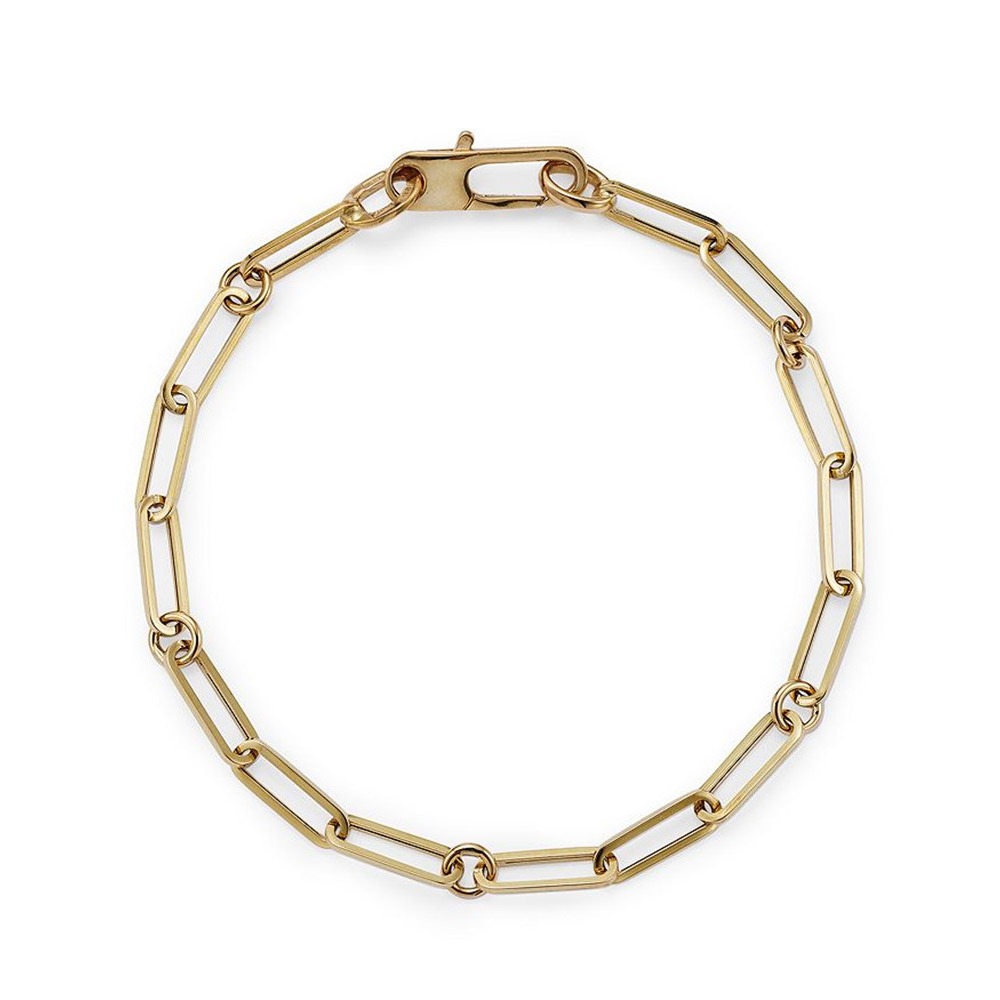
In the luxury jewelry market, “minimalist” design is a paradox. While the aesthetic appears simple, the engineering required to execute it perfectly is exceptionally complex. The 18K ALL ABOUT BASICS Oblong Charm Ladder Chain Bracelet exemplifies this challenge. Characterized by geometric precision, a “ladder” link structure, and a sleek oblong charm, this piece requires absolute uniformity in metal forming and a flawless finish.
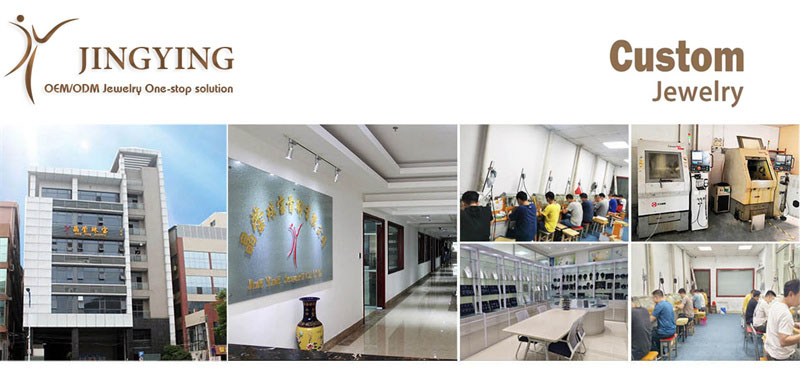
JINGYING Jewelry (chingying-jewelry.com), a Guangzhou-based manufacturer with over 23 years of expertise, specializes in bridging the gap between delicate designer concepts and industrial reality . Unlike mass-produced fashion jewelry, producing a high-end 18K gold piece at JINGYING involves a symphony of 0.01mm precision CNC machining, lost-wax casting, and rigorous metallurgical science.
This report details the step-by-step industrial process of producing the “ALL ABOUT BASICS” ladder chain bracelet, from raw gold alloying to final quality assurance.
Phase 1: Material Sourcing and Alloying
Production begins not with wax, but with chemistry. The “18K” designation means the bracelet is 75% pure gold. However, pure gold (24K) is too soft for a structured “ladder chain”; it would stretch and deform within days.
At JINGYING, the metallurgical team formulates the specific 18K yellow gold alloy. According to their internal quality protocols, the exact composition is strictly controlled: 75% Gold (Au), 22.25% Copper (Cu), and 2.75% Silver (Ag) . This specific ratio of copper and silver is critical for the “ladder” design; it provides the tensile strength needed to keep the oblong links rigid while retaining the warm yellow luster.
Quality Check: Before melting, JINGYING uses XRF (X-ray fluorescence) spectrometry to verify the alloy. If the color deviation exceeds a ΔE<1.0 in CIELab measurements, the batch is rejected .
Phase 2: CAD Engineering and DFM (Design for Manufacturing)
Once the metal is ready, the design is digitized. The “ALL ABOUT BASICS” bracelet features a distinct Ladder Chain structure: two parallel side bars connected by rungs, resembling a ladder, terminating in an oblong charm.
JINGYING’s CAD engineers take the conceptual sketch (likely originating from a brand like Hirotaka, known for this aesthetic) and convert it into a high-resolution 3D model . However, they do not simply copy the shape; they perform a DFM (Design for Manufacturing) analysis.
- Link Spacing: The engineers calculate the precise gap between the side bars to ensure the “rungs” do not snag on clothing.
- Charm Weight Distribution: The oblong charm must hang perfectly flat. JINGYING adjusts the internal mass distribution of the 3D model to prevent the charm from twisting sideways on the wrist.
- Tolerance: The machinery at JINGYING allows for a precision tolerance of ±0.01mm during the CNC waxing stage .
Phase 3: The Ladder Structure – Wax Injection and Tree Assembly
The “Ladder Chain” cannot be stamped out of a flat sheet efficiently; it requires lost-wax casting.
3.1 CNC Waxing
Unlike simple curb chains, the ladder link has undercuts. JINGYING utilizes SLA/DLP 3D printers to print the master resin model. The resolution is fine enough to capture the sharp angles of the oblong charm .
3.2 The “Ladder” Assembly on the Tree
For a bracelet, each link must move freely. If cast separately, they would fuse. Therefore, the wax technician assembles a “wax tree” where the ladder chain is laid out in a straight line within the casting cylinder, supported by wax sprues (channels). The oblong charm is attached at the end.
Critical Step: To ensure the links do not solder together during the metal pour, the gaps between the ladder rungs are reinforced with a delicate layer of investment material or carefully spaced in the tree.
Phase 4: Lost-Wax Casting
The assembled wax tree is placed into a flask, and a liquid investment (plaster) is poured over it. Once set, the flask enters a kiln.
- Burnout: The kiln heats to extreme temperatures, burning out the wax and leaving a perfect negative cavity of the ladder chain.
- Casting: The 18K gold is melted in a vacuum or centrifugal casting machine. The vacuum ensures the molten gold is sucked into every crevice of the ladder structure, preventing porosity in the thin rungs of the chain .
Post-Casting: The flask is quenched in water. The investment dissolves, revealing a “casting tree” — a metal stick covered in gold bracelets. The individual bracelets are clipped off using a laser cutter to avoid mechanical stress on the links.
Phase 5: The Assembly & Hand-Finishing Paradox
While the “ALL ABOUT BASICS” line is minimalist, JINGYING employs significant hand-work here because machine-made 18K ladder chains are rare.
5.1 Tumbling
The raw castings have a rough, oxidized skin. They are placed in a vibrating tumbler with stainless steel shot. This polishes the inner surfaces of the ladder rungs that are impossible to reach by hand .
5.2 Clasp Assembly
The standard ladder chain does not have a clasp built into the wax. JINGYING’s jewelers hand-solder an 18K lobster clasp or a discreet box clasp to the end links. This requires microscopic precision; the jeweler uses a laser welder to heat the 18K solder without melting the delicate ladder rungs .
5.3 The Oblong Charm Attachment
The oblong charm is a hollow or solid component. It is attached to a jump ring. The jeweler must ensure the jump ring is closed flush (no gaps) so it does not catch on the wearer’s sleeve.
Phase 6: Plating and Electroforming (The “Vermeil” Option)
Interestingly, many brands utilizing the “ALL ABOUT BASICS” aesthetic often use a Vermeil process (Gold over Sterling Silver) to keep costs manageable while retaining the look of 18K, or they use 18K solid gold.
At JINGYING, if the client orders the solid 18K version, the piece is simply polished. However, if the client orders the “Heavy Gold Plated” version (18K finish over brass/silver), JINGYING employs a specialized electroplating process.
- Base Layer: A layer of nickel or palladium is applied to prevent tarnishing.
- Gold Layer: The bracelets are submerged in an electroplating bath. JINGYING applies 2.5 to 3.5 microns of 18K gold. This is thicker than industry standard (which is often 0.5 microns), ensuring the “ALL ABOUT BASICS” bracelet resists fading for years .
- Color Calibration: A spectrophotometer measures the reflected light from the bracelet. It must match the master sample perfectly; a ΔE>0.8 triggers a replate .
Phase 7: The 37-Point Quality Control (QC)
JINGYING does not simply look at the bracelet; they torture it. A single 18K bracelet passes through 37 distinct checks .
For the Ladder Chain Bracelet, three specific tests are vital:
- Tensile Pull Test (Destructive Sample): One bracelet per batch is pulled with a force of 50N (Newtons). The ladder structure must endure this without the rungs bending. This simulates the bracelet catching on a door handle .
- Clasp Cycling: The clasp is opened and closed 5,000 times on a machine (ISO 22776 standard). If the clasp loosens, the batch fails .
- Microscopic Inspection: Under 10x magnification, the solder joints on the oblong charm must be invisible. Any “bubbles” or porosity in the cast ladder rungs (which would weaken the structure) results in an immediate rejection .
Phase 8: Laser Engraving and Final Assembly
The “ALL ABOUT BASICS” collection is defined by its subtle branding. Using a 6-axis laser engraving system, the technician engraves the 18K hallmark and the carat weight (e.g., “750″ for 18K) onto the underside of the oblong charm or the clasp.
Finally, the bracelet is cleaned in an ultrasonic bath to remove polishing compounds, steamed dry, and placed on a display card or luxury pouch.
Logistics and Lead Time
Due to the complexity of the ladder chain structure (which has a higher failure rate in casting than standard rope chains), the production timeline is specific:
- Sampling (CAD + 3D Print): 7-10 business days.
- Production (Casting + Assembly): 20-30 business days.
- Shipping: JINGYING ships globally from Guangzhou, often via express courier (3-5 days) for high-value 18K goods to minimize insurance risks .
Conclusion
Producing the 18K ALL ABOUT BASICS Oblong Charm Ladder Chain Bracelet at JINGYING is an exercise in controlled contradiction. The bracelet looks effortless, but creating a straight, rigid ladder structure in 18K gold requires high-tech casting, metallurgical science, and the steady hand of a master finisher.
For a brand looking to sell this bracelet, JINGYING offers a full OEM/ODM service . They take the intellectual property of the “ALL ABOUT BASICS” minimalist design, optimize it to survive daily wear, and mass-produce it without losing the soul of the gold. Whether in solid 18K yellow gold or heavy vermeil, every bracelet that leaves their 25,000 square meter facility represents a balance of Japanese-style precision tooling and Chinese manufacturing efficiency