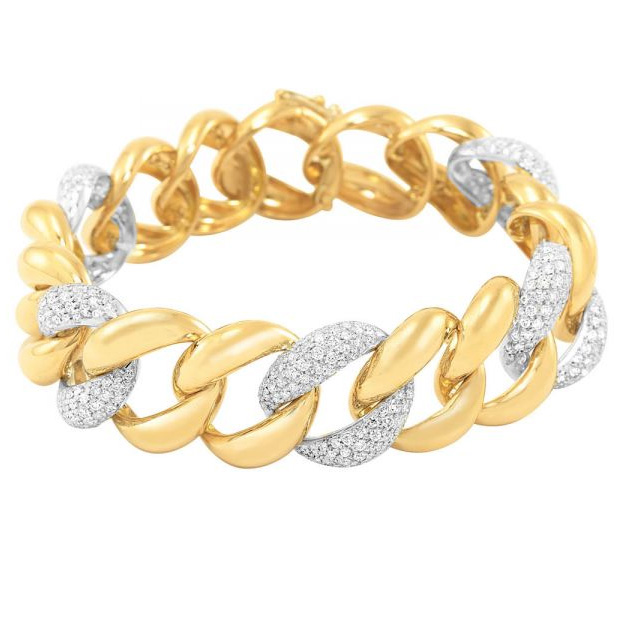
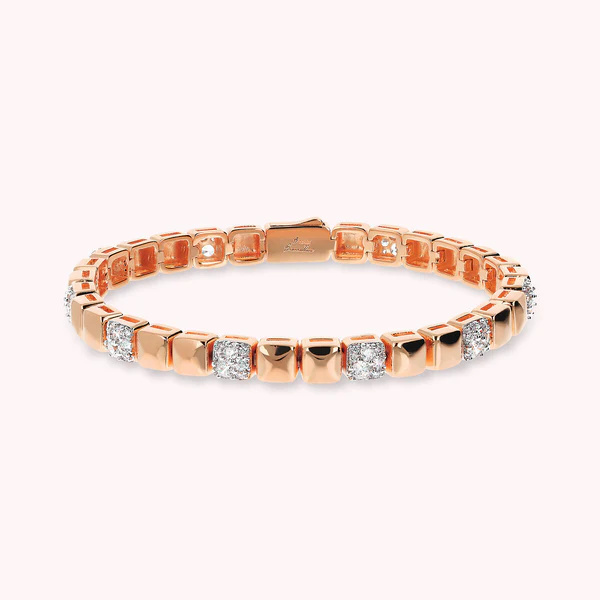
JINGYING :Tennis Bracelet Outsource Jewelry Production
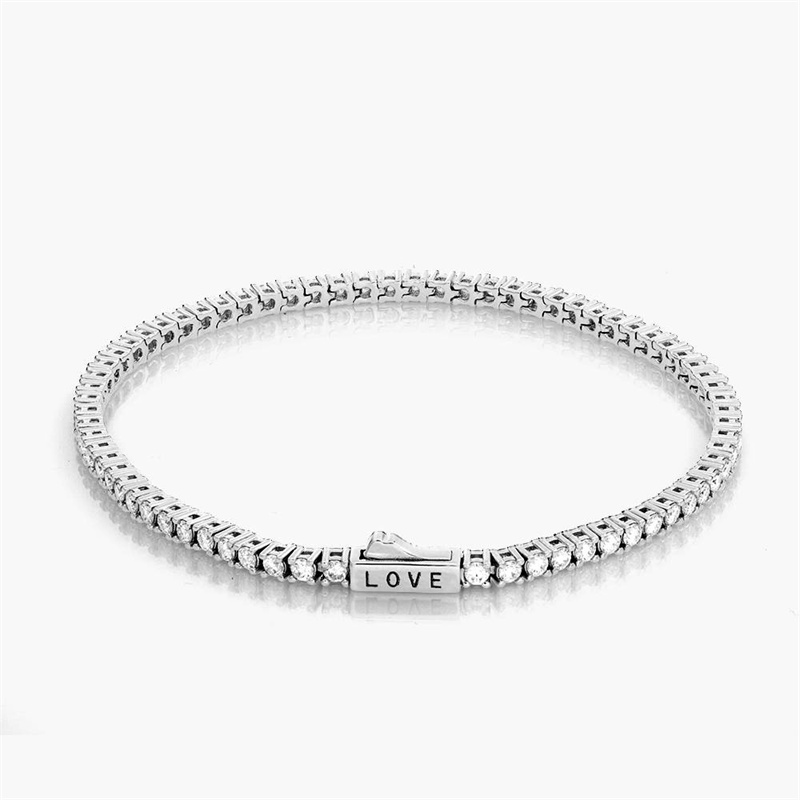
 JINGYING :Tennis Bracelet Outsource Jewelry Production
LET’S GET STARTED : mo@kingjy.com
The Blueprint of Elegance: How JINGYING is Redefining Tennis Bracelet Outsourced Jewelry Production
Introduction
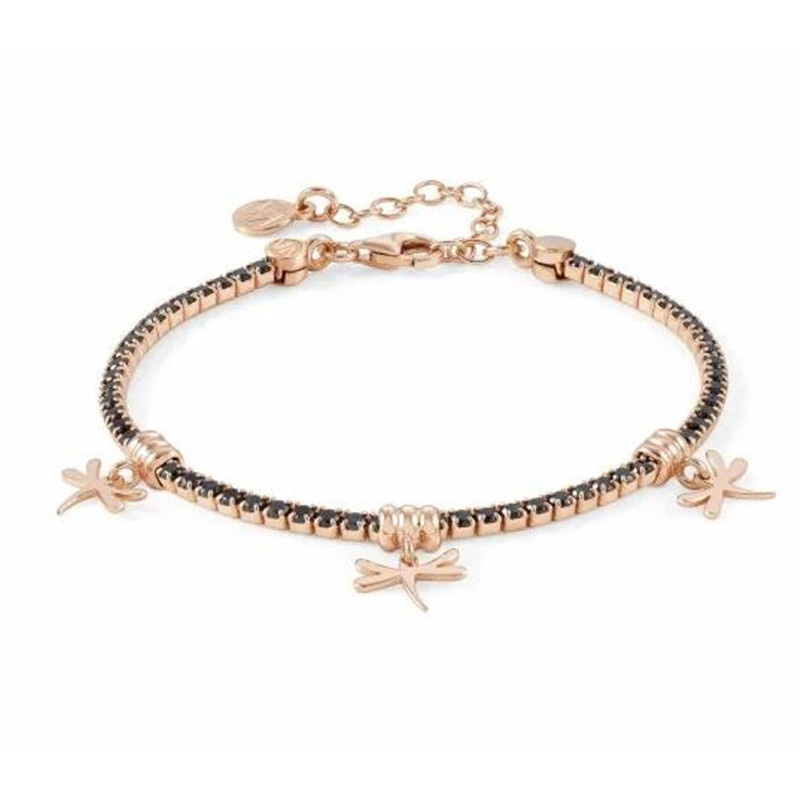
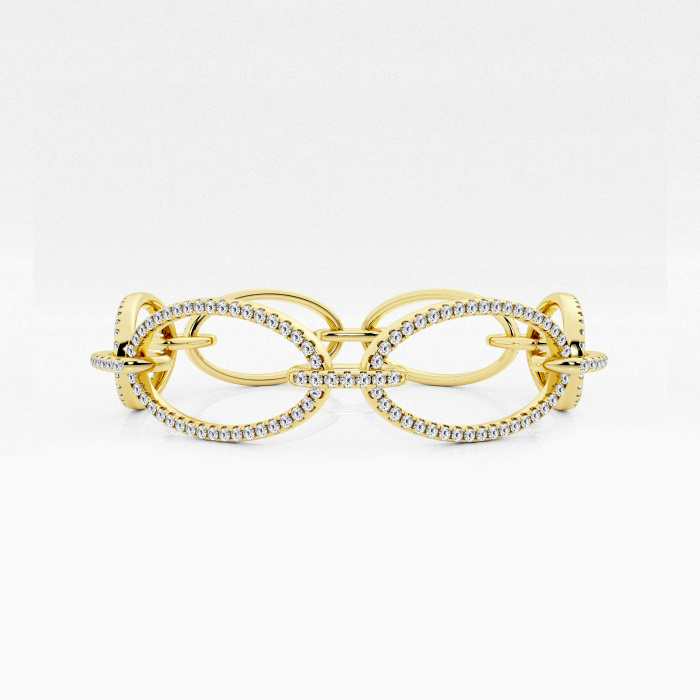
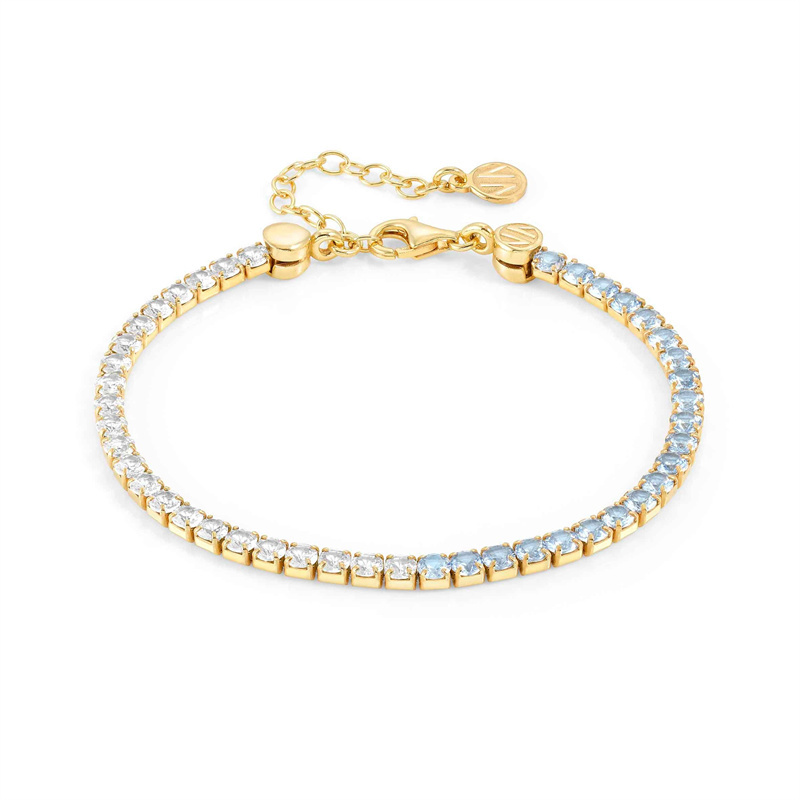
In the lexicon of luxury accessories, few items carry the same weight of effortless sophistication as the tennis bracelet. Characterized by a symmetrical line of identically cut diamonds or gemstones set in a flexible precious metal band, it is a testament to precision, continuity, and light. However, behind the glittering facade of every world-class tennis bracelet lies a complex supply chain of metallurgy, gemology, and advanced manufacturing. For brands looking to enter the fine jewelry space or expand their offerings, the decision to outsource this technically demanding piece is a strategic pivot. Leading this B2B revolution is JINGYING, a China-based original design manufacturer (ODM) that has turned the tennis bracelet from a logistical nightmare into a scalable masterpiece of outsourced production.
Chapter 1: The Anatomy of a Tennis Bracelet – Why Outsourcing is Necessary
Before analyzing JINGYING’s methodology, one must understand why the tennis bracelet is notoriously difficult to manufacture in-house for fashion brands or startups. Unlike a signet ring or a pendant, a tennis bracelet requires hundreds of repetitive, identical actions.
- Stone Sorting (Matching): A high-quality bracelet requires a “river” of stones. If one diamond is yellower or cloudier than its neighbor, the human eye catches it instantly. Achieving a seamless color and clarity gradient across 30 to 60 stones is a specialized skill.
- Setting Precision: The “shared prong” or “common prong” setting—the hallmark of the true tennis bracelet—requires microscopic accuracy. One misplaced claw, and the bracelet loses its structural integrity, risking stone loss.
- Flexibility Engineering: The bracelet must drape like silk. If the hinging or soldering of the links is too rigid, it looks cheap; too loose, it snaps.
For a Western brand, building the infrastructure to handle this—training setters, buying laser welding machines, and securing ethical gem channels—can take years and millions of dollars. Outsourcing to a specialist like JINGYING bypasses this “industrial learning curve,” converting fixed costs into variable, scalable expenses.
Chapter 2: JINGYING – From Factory to Full-Service ODM Partner
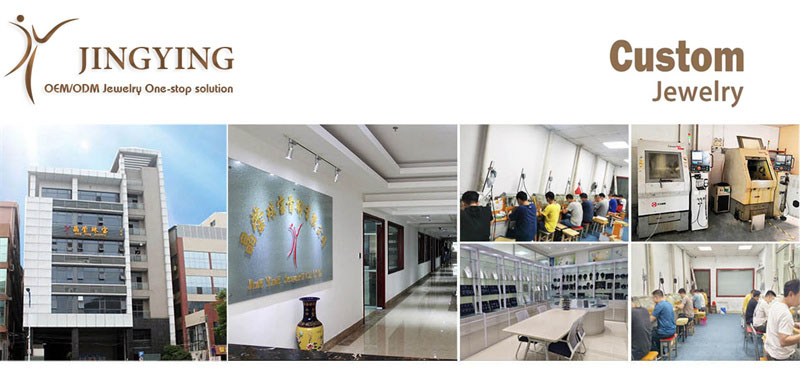
JINGYING is not merely a “supplier”; in the context of the jewelry industry, it operates as an invisible hand for dozens of global brands. Located in Shenzhen’s Shuibei area—the world’s epicenter of jewelry manufacturing—JINGYING has leveraged three decades of regional expertise to perfect the specific niche of line bracelets.
The company’s core philosophy revolves around “horizontal integration.” While many factories only cast the metal or set the stones, JINGYING controls the sequence from CAD (Computer-Aided Design) rendering to final polishing and packaging.
The JINGYING Production Workflow:
- Concept & CAD (72 Hours): A client provides a sketch or a reference image. JINGYING’s engineers use RhinoGold or MatrixGold software to create a 3D model. At this stage, they adjust the “seat” (the hole where the stone sits) to ensure that standard calibrated stones will fit flush, eliminating the risk of wobbling.
- 3D Printing & Casting: Using high-resolution wax printers, JINGYING produces a tree of bracelet links. They utilize vacuum-assisted casting with 18k gold, 14k gold, or sterling silver. Their patented porosity-reduction technique ensures that the cast links are dense, reducing the risk of prongs breaking during the setting phase.
- Stone Sourcing (The “Line” Matrix): This is JINGYING’s competitive moat. They buy natural diamonds, lab-grown diamonds, and Moissanite in bulk. Using AI-powered colorimeters, they sort stones into “runs” of 50. A bracelet run will have a variance of less than 0.5 color grade, effectively making the line visually identical.
- The Setting Process: Utilizing a mix of skilled artisan setters and automatic pneumatic hammers, JINGYING achieves a setting speed of 4-5 stones per minute per worker. For high-volume orders (10,000+ units), they employ CNC setting robots that use optical recognition to place prongs with 0.01mm accuracy.
- The “Sweat Test” Quality Control: Unlike necklaces, tennis bracelets are worn on the wrist—exposed to friction, water, and sweat. JINGYING’s final QC includes a tension pull and torque test. Every link is tugged to ensure the prongs hold the stone under 5kg of lateral force.
Chapter 3: Material Science – The Shift to Lab-Grown and Moissanite
The modern tennis bracelet market is bifurcated. On one end, traditional natural diamonds remain the pinnacle. On the other, the rise of eco-conscious and budget-savvy consumers has exploded the demand for lab-grown diamonds (LGD) and Moissanite.
JINGYING has positioned itself as the ideal bridge for brands transitioning from natural to synthetic stones.
Moissanite Excellence:
Moissanite (Silicon Carbide) has a higher refractive index (2.65 vs. diamond’s 2.42), meaning it actually sparkles more than a diamond. However, its double refraction can make cutting difficult. JINGYING uses proprietary “Hearts & Arrows” cutting technology for their Moissanite tennis bracelets. This ensures that the double refraction creates a brilliant fire (dispersion) rather than a blurry image. For a brand outsourcing a “mid-tier” tennis bracelet (retail
300−800), JINGYING’s Moissanite offers a superior visual punch to natural low-quality diamonds.
Lab-Grown Diamond (LGD) Logistics:
For high-end outsourcing, JINGYING offers CVD (Chemical Vapor Deposition) and HPHT diamonds. The advantage of outsourcing LGD production to JINGYING is certification integration. JINGYING works directly with IGI (International Gemological Institute) labs adjacent to their factory. This means a brand can order 5,000 carats of LGDs, have them laser-inscribed with serial numbers, and set into bracelets in a single 30-day cycle, drastically reducing the risk of stone switching or theft.
Chapter 4: Cost Analysis – Why China Still Wins
A common question in 2025 is: “With tariffs and rising wages, is China still the king of jewelry outsourcing?” For tennis bracelets specifically, the answer is a resounding yes. JINGYING’s cost advantage comes from three non-replicable factors:
- The Cluster Effect: In the Shuibei district, JINGYING’s office is within a 2km radius of 90% of the world’s calibrated gemstone cutters. If a brand wants a 3mm princess-cut sapphire, JINGYING doesn’t need to ship it from India; they walk across the street. This reduces logistics costs to near zero.
- Labor Agility (Setting): Setting a tennis bracelet is 80% skill, 20% time. A European setter might charge €3 per stone. A JINGYING master setter (paid a monthly salary plus efficiency bonus) brings the cost per stone down to approximately
0.25USDforvolumeorders.Fora7−inchbraceletwith50stones,thisisasavingsofover100 in labor alone.
- Vertical Tax: JINGYING owns the wax printers, the kilns, the polishing tumblers, and the packaging lines. By not subcontracting any step, they save the 15-20% margin a middleman would take.
Pricing Example (Wholesale FOB Shenzhen):
- Basic Silver Moissanite Tennis Bracelet (3mm stones):
28−45 USD.
- *14k Gold Lab-Grown Diamond Bracelet (2ct total weight):*
450−600 USD.
- *18k Gold Natural Diamond Bracelet (5ct total weight, G/VS):*
2,800−3,500 USD.
These prices are approximately 40% lower than comparable manufacturing in Thailand or Italy, and 65% lower than the US.
Chapter 5: The Logistics of Private Labeling
JINGYING excels at “white label” or “private label” production. For a fashion brand launching a jewelry line, the fear is always the same: “It looks like I bought this from a generic catalog.”
JINGYING mitigates this through micro-customization. A brand can outsource the physical bracelet while maintaining unique DNA:
- Clasp Engineering: Standard tennis bracelets use a box clasp with a safety latch. JINGYING offers 12 different clasp variations, including hidden magnetic clasps, logo-engraved fishhook clasps, and even deployment buckles usually reserved for high-end watches.
- Metal Finishes: Beyond standard high-polish, JINGYING offers “watermark” engraving (a logo visible only in light refraction), matte-satin blends (polished top, satin sides), and black rhodium plating over white gold for a gothic contrast.
- Packaging Solutions: The bracelet arrives to the brand in “retail-ready” packaging. JINGYING integrates chip-based NFC tags into the presentation boxes, allowing the end customer to tap their phone to view the certificate of authenticity or a “handover video” of the bracelet being set in the factory.
Chapter 6: Navigating Risks – Ethics, Compliance, and Chain of Custody
Outsourcing to a foreign entity invites scrutiny regarding ethical sourcing. JINGYING has preempted this by achieving RJC (Responsible Jewellery Council) Code of Practices certification.
The Chain of Custody Protocol:
When a brand orders 1,000 carats of diamonds from JINGYING, the following occurs digitally:
- Receiving: Stones are scanned into JINGYING’s ERP system with a manifest.
- Kitting: Stones are assigned to specific Job Orders (JO). A laser inscription is applied if requested.
- Matching & Setting: Empty trays are locked; only assigned setters have access.
- Yield Reporting: Because stones chip during setting, JINGYING provides a “loss report.” Typically, they guarantee a 98% yield. The 2% loss is accounted for in the pricing, preventing the brand from paying for air.
- Surrender: Any broken stones (chips) are bagged and returned to the brand with the finished goods, or destroyed via video verification per Kimberley Process standards.
Furthermore, JINGYING utilizes blockchain integration via platforms like Everledger or IBM Blockchain. The brand receives a digital passport: “Mined in Botswana / Cut in Surat / Set in Shenzhen / Shipped to New York.” This transparency is now a non-negotiable requirement for Western department stores (Nordstrom, Macy’s) and e-commerce giants (Amazon Luxury Stores).
Chapter 7: Case Study – The “24-Hour Drop” Collection
To illustrate JINGYING’s capacity, consider the hypothetical but operationally accurate case of “LuxeCore,” a direct-to-consumer startup.
The Challenge: LuxeCore identified a trend for “Stacked Tennis Bracelets” (wearing 3 different metal colors at once). They needed a production run of 3,000 bracelets (1,000 yellow gold, 1,000 rose, 1,000 white) set with Lab Grown Diamonds, in time for a Black Friday drop. Lead time required: 45 days.
The JINGYING Solution:
- Day 1-3: Design finalized. JINGYING suggests a specific width (3.5mm) that works universally across all three gold alloys without changing the mount.
- Day 4-15: Casting of 3,000 links. JINGYING runs three separate casting lines simultaneously. They utilize a “lost wax” continuous casting machine.
- Day 10-25: Stone sorting. Because the style is a stack, the diamonds do not need to match across colors, only within the same color batch. This allows JINGYING to use slightly lower color grades (H-I) for the yellow gold batch (where yellow metal masks tint), saving LuxeCore 15% on stone cost.
- Day 16-35: Setting. 200 setters work in parallel. Quality control checkpoints are placed every 5 stones. The rejection rate is held at 0.5%.
- Day 36-40: Polishing, ultrasonic cleaning, and rhodium plating (for the white gold).
- Day 41-44: Independent third-party inspection (SGS) and packing.
- Day 45: Shipment via DDP (Delivered Duty Paid) to LuxeCore’s Fulfillment by Amazon (FBA) center.
The Result: LuxeCore sold out in 6 hours. The cost per bracelet landed in the US was
180.Theretailpricewas599. The margin (70%) allowed LuxeCore to buy massive Facebook ads and still profit. JINGYING received a reorder for 10,000 units the following week.
Chapter 8: Future Technologies – AI Grading and Robotic Setting
JINGYING is currently piloting a technology that will change the outsourcing landscape: AI-driven visual grading for setting.
Historically, even when outsourcing, a brand had to trust the “human eye” of the QC manager. JINGYING has installed high-resolution 4K microscopes linked to a neural network trained on 1 million bracelet links.
This AI detects:
- Prong lift: A prong that is not flush to the stone.
- Stone tilt: A gem that is rotated more than 2 degrees off the axis.
- Metal porosity: Micro-bubbles in the cast that could lead to future breakage.
This system outputs a “Report Card” for every 100 bracelets. For the outsourcing brand, this is a liability shield. If a customer claims a stone fell out, the brand can check the batch report: “AI Scan confirmed prong integrity at 2.5 Newtons.” This drastically reduces return fraud.
Conclusion: The Strategic Case for Partnership
The tennis bracelet is the ultimate litmus test for jewelry manufacturing competency. It exposes weaknesses in supply chain management, gemology, and craftsmanship. For brands that try to build this capability in-house, the tennis bracelet often becomes a money pit.
JINGYING offers the alternative: Intelligence-led outsourcing. By partnering with JINGYING, brands leverage Shenzhen’s industrial density, master setters’ dexterity, and cutting-edge AI quality control. The brand retains what matters—marketing, design, and customer relationships—while JINGYING handles the physical alchemy of turning gold and carbon into liquid light on the wrist.
As the global jewelry market pivots toward sustainable, lab-grown, and high-volume customized goods, the competitive advantage will not belong to the best designer alone. It will belong to the best supply chain. In the niche of the tennis bracelet, JINGYING has built an unassailable moat.
For the brand manager reading this: Your customers do not care where the bracelet was made. They care that it sparkles consistently, sits flush to the skin, and survives the accidental knock against a desk. JINGYING guarantees that sparkle, on time, at a price that allows you to build a brand that lasts. The future of jewelry is not artisanal solitude; it is outsourced precision, and JINGYING is the architect of that future.
Contact & Next Steps:
Brands interested in outsourcing tennis bracelet production should initiate a “tech pack” submission with JINGYING. Standard lead times for prototyping are 7-10 days. Minimum order quantities (MOQs) for custom designs start at 100 pieces for silver/Moissanite and 50 pieces for gold/Lab Grown Diamonds. With direct shipping to the US, EU, and Australia via bonded warehouses, JINGYING is ready to turn your sketch into a best-seller.