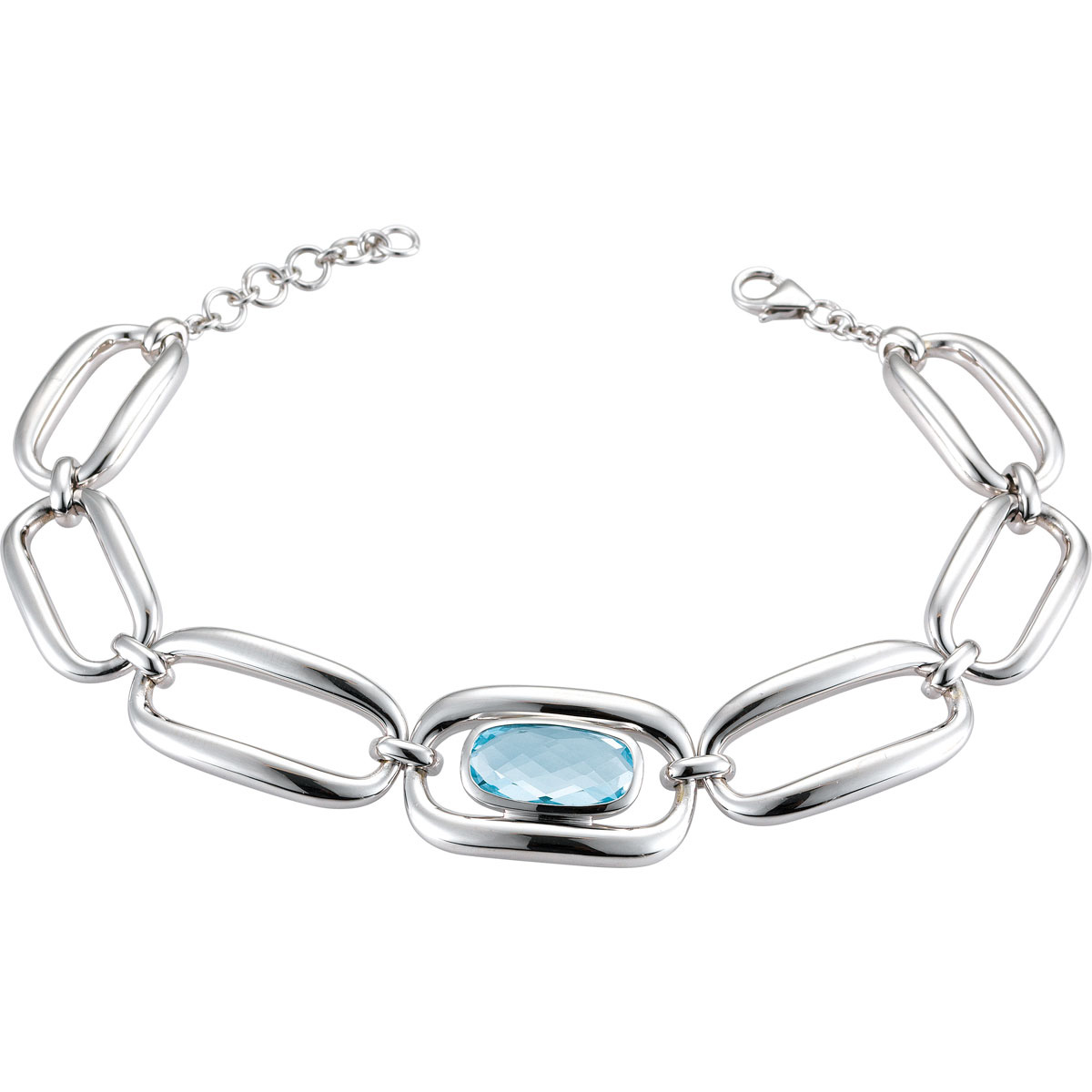
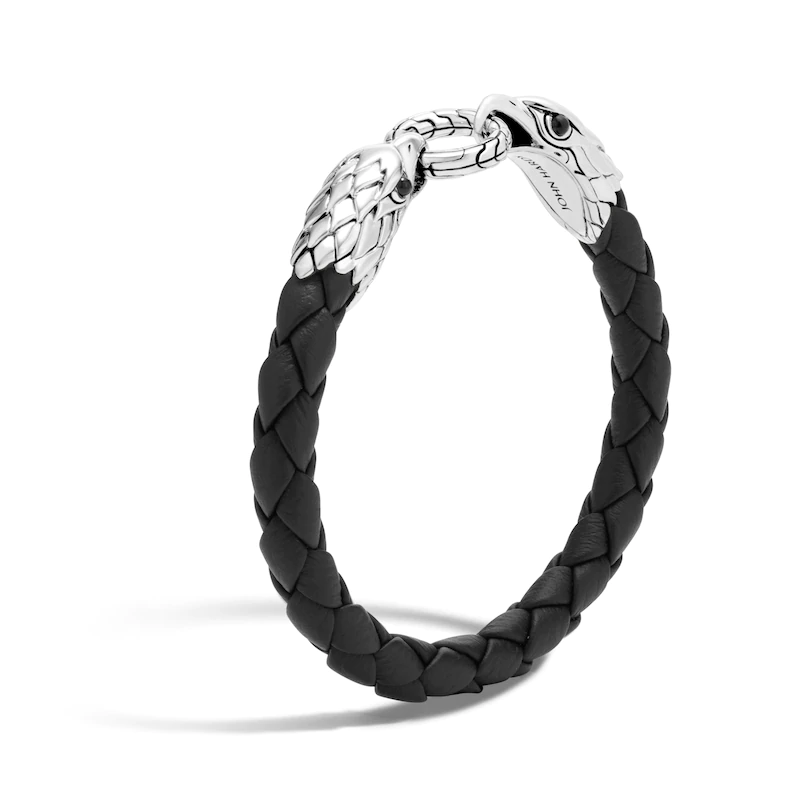
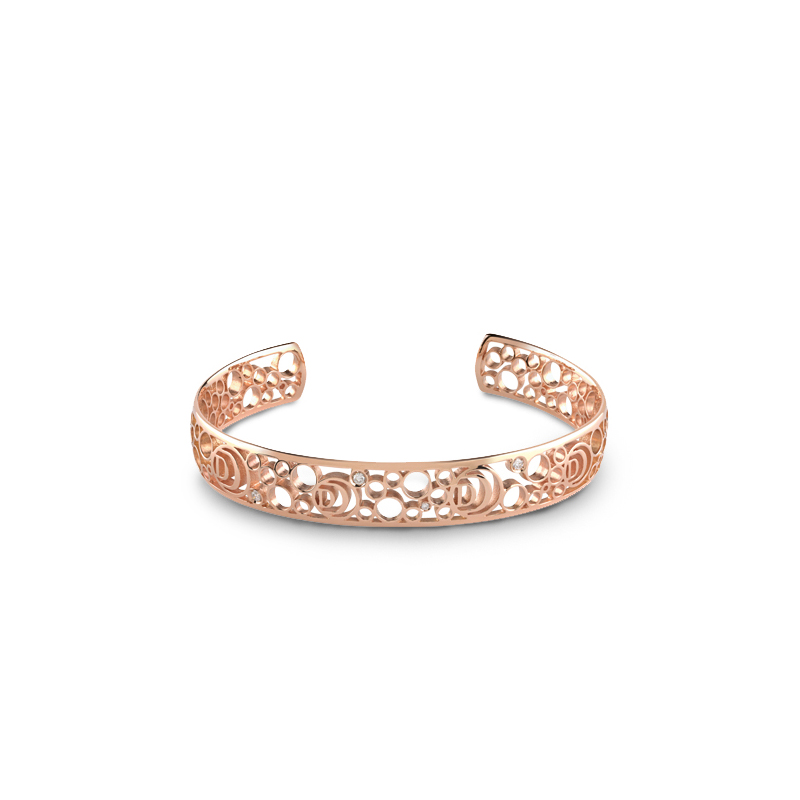
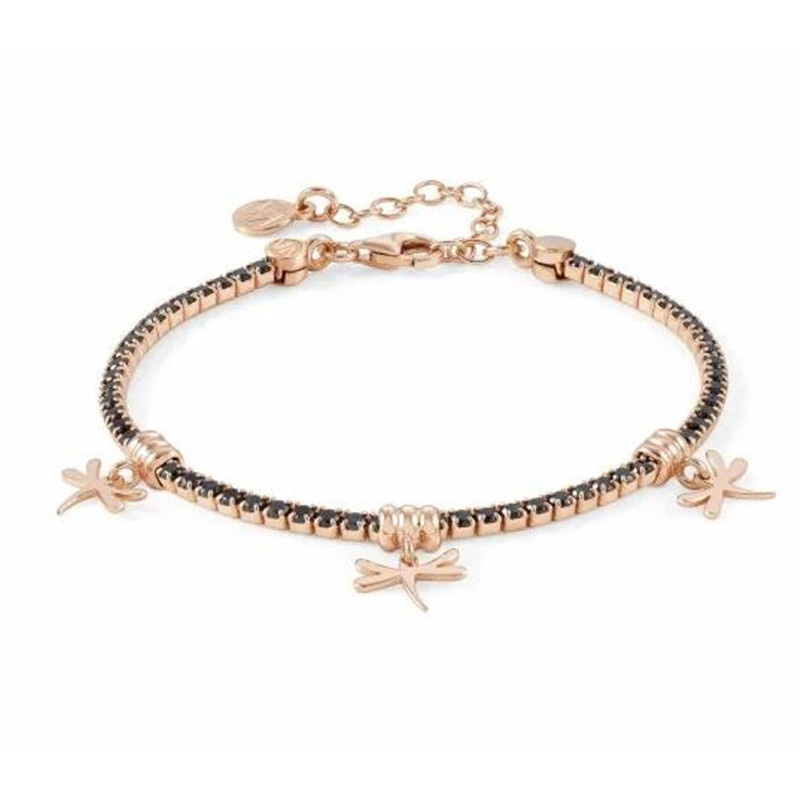
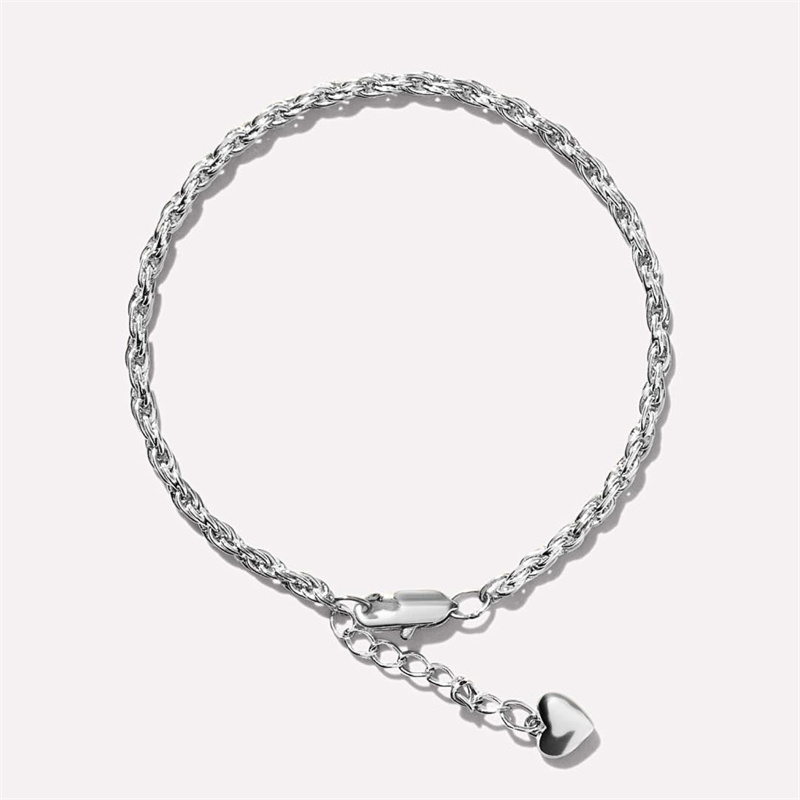
JINGYING : DROSERA Sterling Silver Bracelet Custom Production Manufacturer
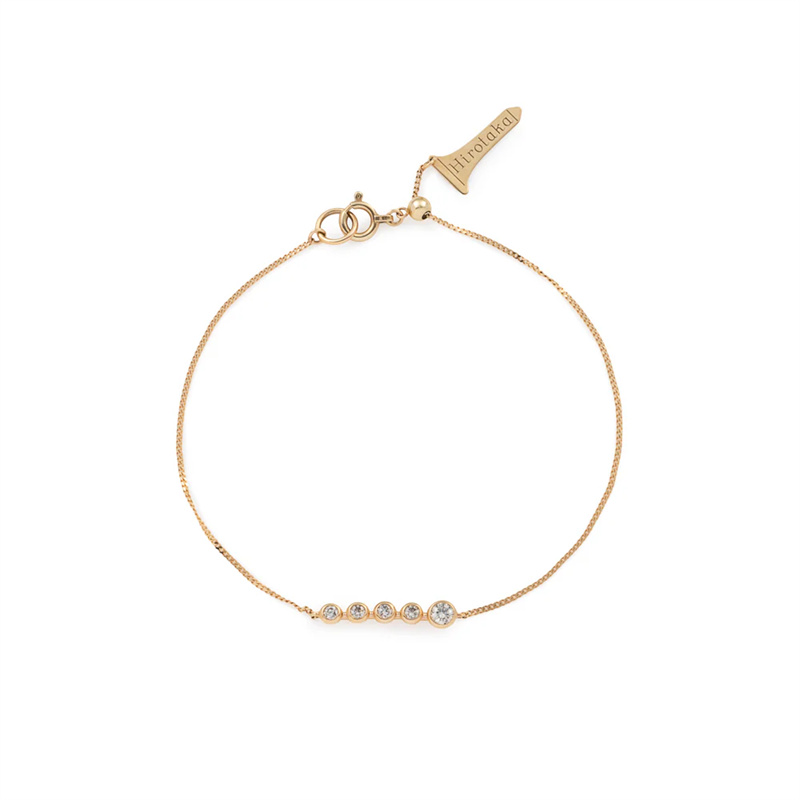
JINGYING : DROSERA Sterling Silver Bracelet Custom Production Manufacturer
LET’S GET STARTED : mo@kingjy.com
Beyond the Sketch: JINGYING and the Precision Manufacturing of the DROSERA Sterling Silver Bracelet
In the global jewelry industry, the distance between a designer’s sketch and a tangible product is measured in microns of precision and decades of trust. For brands looking to produce high-end, nature-inspired collections, the choice of manufacturing partner dictates not just the cost, but the very soul of the piece. Enter JINGYING Jewelry, a Guangzhou-based manufacturing powerhouse that has spent over 25 years perfecting the art of custom metalwork.
This article explores the intricate process of creating a specific, high-difficulty piece—the DROSERA Sterling Silver Bracelet. Named after the sundew plant (a carnivorous plant known for its tentacles that glisten with dew), the “Drosera” concept demands high-luster finishes, organic curves, and secure stone settings. Here is how JINGYING transforms this botanical concept into a commercial reality.
The JINGYING Proposition: More Than a Factory
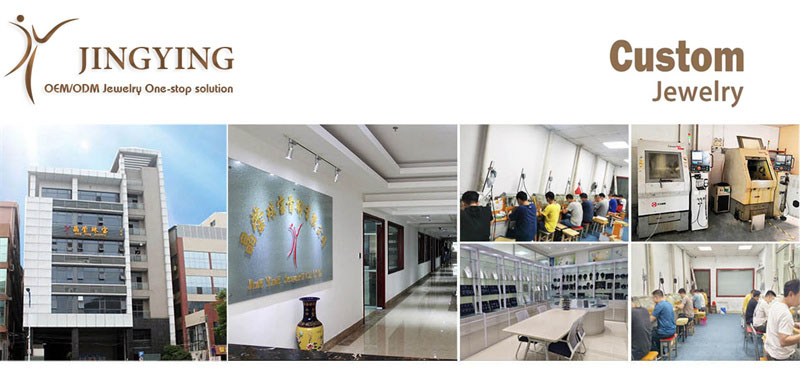
Founded in 1998, JINGYING (also referred to as Guangzhou Jingying Jewellery Co., Ltd.) has evolved from a small workshop into a 15,000-square-meter facility exporting to over 30 countries. Unlike trading companies that outsource production, JINGYING operates as a vertical OEM/ODM (Original Equipment Manufacturer/Original Design Manufacturer) solution.
For a product like the DROSERA bracelet, this vertical integration is critical. JINGYING controls every variable: the alloy mixing, the casting, the plating, and the quality control. They specialize in 925 Sterling Silver, the platinum standard for hypoallergenic, durable jewelry that does not tarnish easily. The “925″ stamp on the DROSERA clasp signifies 92.5% pure silver mixed with 7.5% other metals (usually copper) to provide the strength required for a bracelet that withstands daily wear.
Phase 1: Material Integrity and the “Drosera” Design DNA
The DROSERA bracelet is not a simple curb chain. It requires organic, flowing lines that mimic the tendrils of the sundew plant. This is a “design-intensive” project.
When a client approaches JINGYING with the Drosera concept, the process begins with a consultation regarding the “Blank Canvas”: S925 Sterling Silver. Because the Drosera design involves thin, dewy “tentacles” that may catch on clothing, the structural integrity of the metal is paramount. JINGYING ensures that the silver alloy is mixed to provide maximum tensile strength without compromising the white luster that gives the “dew” effect.
Furthermore, JINGYING offers a Non-Disclosure Agreement (NDA) before a single line is drawn. For unique botanical designs like Drosera, intellectual property protection is non-negotiable, and JINGYING guarantees that the client’s proprietary design will not be replicated for competitors.
Phase 2: From Sketch to 3D Alchemy (CAD & 3D Modeling)
The magic of custom manufacturing lies in the transition from 2D art to 3D wax. For the Drosera bracelet, this is the most technically challenging phase.
The CAD Process:
JINGYING’s engineering team receives the client’s inspiration—whether a hand-drawn sketch, a photo of a plant, or a CAD file. They then create a high-resolution 3D model. For the Drosera, this involves programming the “undercuts”—the small crevices where the plant’s “dew” (small beads or cubic zirconia) will sit.
According to the technical workflows at JINGYING, they utilize CNC machining for the master mold. This is a critical detail for the Drosera design. CNC machining (Computer Numerical Control) allows for carving the jewelry model with absolute precision, ensuring the surface is smooth and the lines are sharp. This replaces older, less accurate hand-carving methods, ensuring every “tentacle” of the Drosera bracelet is identical to the digital blueprint.
Phase 3: Casting and the Creation of the “Metal Base”
Once the 3D mold is approved, the physical manufacturing begins. This is where the Drosera starts to feel heavy and real.
- Wax Injection & Tree Assembly: The 3D mold is used to inject wax replicas of the Drosera bracelet. Dozens of these wax models are attached to a wax “tree” to prepare for casting.
- Investment Casting (Lost Wax): The wax tree is placed in a flask and covered with a plaster-like investment material. It is then baked in a high-temperature furnace. The wax melts away (hence “lost wax”), leaving a perfect negative cavity of the Drosera bracelet inside the plaster.
- Silver Pouring: Molten 925 sterling silver is forced into the cavity using a vacuum or centrifugal casting machine. This ensures the silver reaches every tiny “tentacle” of the plant design.
After cooling, the plaster is broken away, revealing the raw silver “tree” of Drosera bracelets. At this stage, the bracelet is matte, grey, and rough—a far cry from the polished final product, but perfectly shaped.
Phase 4: The Art of the Finish (Polishing & Surface Texture)
The “Drosera” concept relies on contrast: the matte texture of a plant stem versus the brilliant shine of morning dew. JINGYING excels in “exquisite workmanship” and surface finishing.
After the castings are clipped from the tree, master polishers go to work. For the Drosera:
- High Polishing: The “dew drops” and the edges of the leaves are polished to a mirror finish.
- Matte Brushing: The inner vines of the bracelet may be given a satin or matte finish using fine abrasives.
- Tumbling: The entire bracelet might be placed in a magnetic tumbler to polish hard-to-reach inner links.
This step is done by hand. JINGYING employs skilled artisans who understand that a machine cannot replicate the organic feel required for a nature-inspired piece like Drosera.
Phase 5: Stone Setting – Engineering the “Dew”
The Drosera plant is famous for its glistening, sticky droplets. In the bracelet, these are likely represented by 5A Cubic Zirconia (CZ) or lab-created gemstones. Setting stones in a plant-inspired design is difficult because the surface is curved, not flat.
JINGYING utilizes Micro-inlaid technology with Japanese imported machines. For the Drosera:
- Pavé Setting: Tiny beads of silver are pushed over the edge of the stones to hold them in place along the vine.
- Quality Assurance – The “Beat Test”: Perhaps the most vital step for the Drosera is the “lost stone” prevention. Because the bracelet has moving parts and thin tendrils, stones falling out is a major risk. JINGYING engineers perform a stringent test: they use a professional steel needle to beat every stone one by one to ensure the prongs are tight. Furthermore, they physically drop the finished bracelet from a height of 3 meters to simulate real-world accidents, ensuring no stones fall out.
Phase 6: Plating – Creating the “Vermeil” Dew Effect
Sterling silver tarnishes when exposed to air. To achieve the “eternal dew” look of the Drosera—a bright, white shine that never fades—the bracelet undergoes electroplating.
JINGYING offers a variety of plating options. For a high-end Drosera:
- Rhodium Plating: This white metal (part of the platinum family) is used to plate silver. It gives the bracelet an ultra-bright, mirror-like finish that is incredibly hard and scratch-resistant. It creates the “wet” look of the sundew.
- Gold Plating (Optional): If the client wants a “Golden Drosera,” JINGYING applies a 2-time plating process. First, a thick base of silver plating ensures smoothness, followed by a layer of 18K, 14K, or 24K gold. They offer thicknesses up to 3 microns (vermeil standard), ensuring the gold lasts for years without flaking.
Phase 7: Quality Control (QC) and Logistics
Before the DROSERA bracelet is packaged, it enters the “10-engineer team” QC process. This is a multi-point inspection:
- Plating Test: A machine tests the exact micron thickness of the plating to match the client’s standard.
- Manual Rub Test: Engineers rub the metal surface for five minutes to ensure the coating does not peel.
- Clasp Integrity: The bracelet clasp is opened and closed repeatedly to ensure the safety catch works perfectly.
Finally, the bracelets are cleaned, bagged, and placed into custom packaging. JINGYING works with DHL, UPS, and FedEx to ship globally. For a standard order of the DROSERA bracelet, the timeline is approximately 7 days for sampling and 30 days for mass production.
Why JINGYING for the DROSERA?
The DROSERA Sterling Silver Bracelet represents the highest tier of difficulty in jewelry design: organic shapes, mixed finishes, and secure stone settings. Mass-market factories often reject such designs because the “undercut” and “stone retention” issues cause high rejection rates.
JINGYING accepts these challenges because of three distinct advantages:
- Decades of Experience: With 25+ years in the business, they understand metal rheology (how metal flows in a mold) better than younger competitors.
- Scale: With a monthly capacity of up to 100,000 pieces, they have the resources to dedicate time to complex R&D for botanical designs without delaying other orders.
- Compliance: For the US and European markets, JINGYING ensures the DROSERA is Nickel-free, Lead-free, and compliant with California’s Proposition 65, making it safe for sensitive skin.
Conclusion
The journey of the DROSERA Sterling Silver Bracelet is a testament to the industrial evolution of Chinese manufacturing. It is no longer about cheap copies; it is about precision engineering. At JINGYING, a sketch of a carnivorous plant is not just a drawing. It is a set of coordinates, a wax mold, a pour of molten 925 silver, a hand-set stone, and a rhodium bath.
For the modern jewelry brand, JINGYING offers the bridge between the wild beauty of nature and the strict discipline of the factory floor—creating heirlooms that capture the light, one custom bracelet at a time.