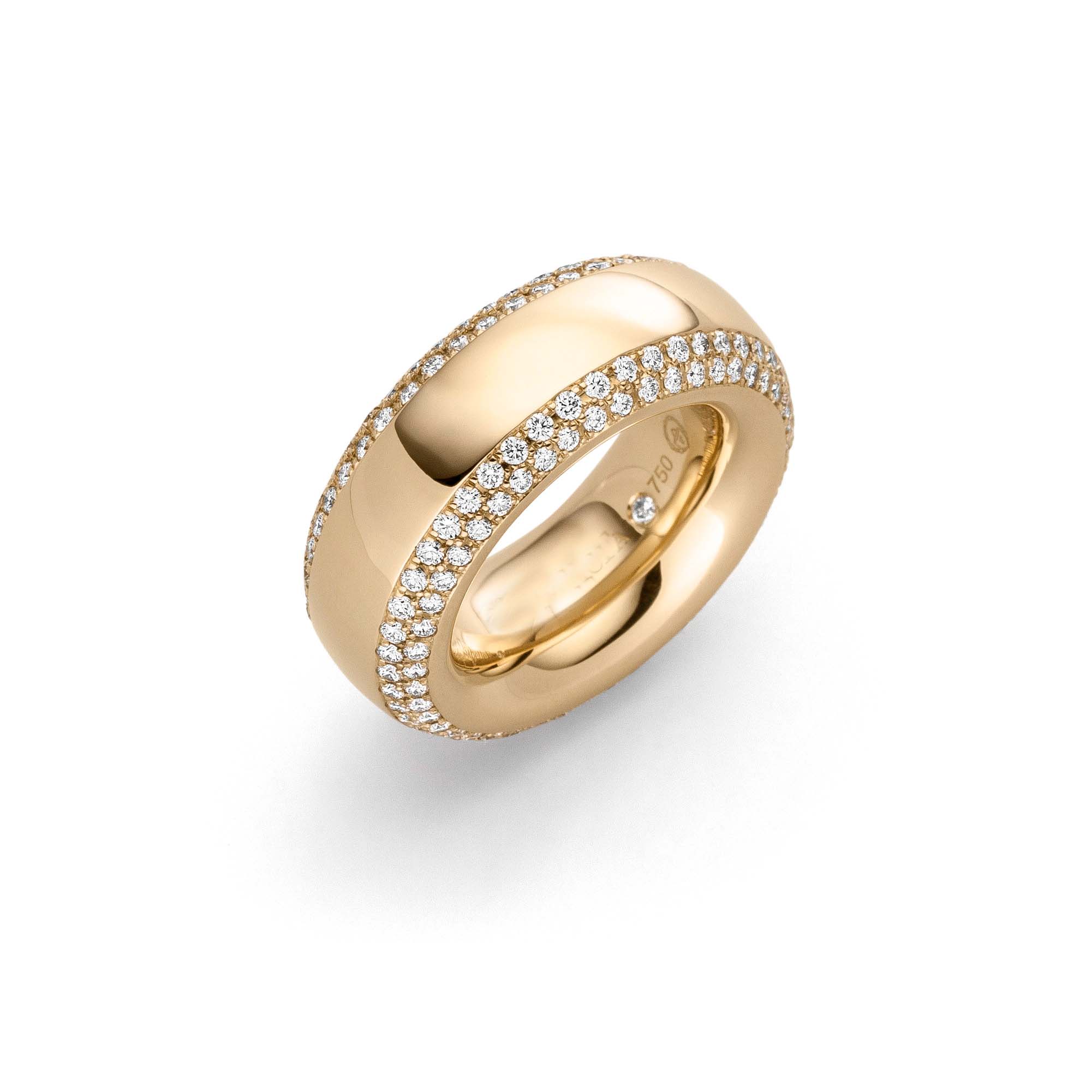
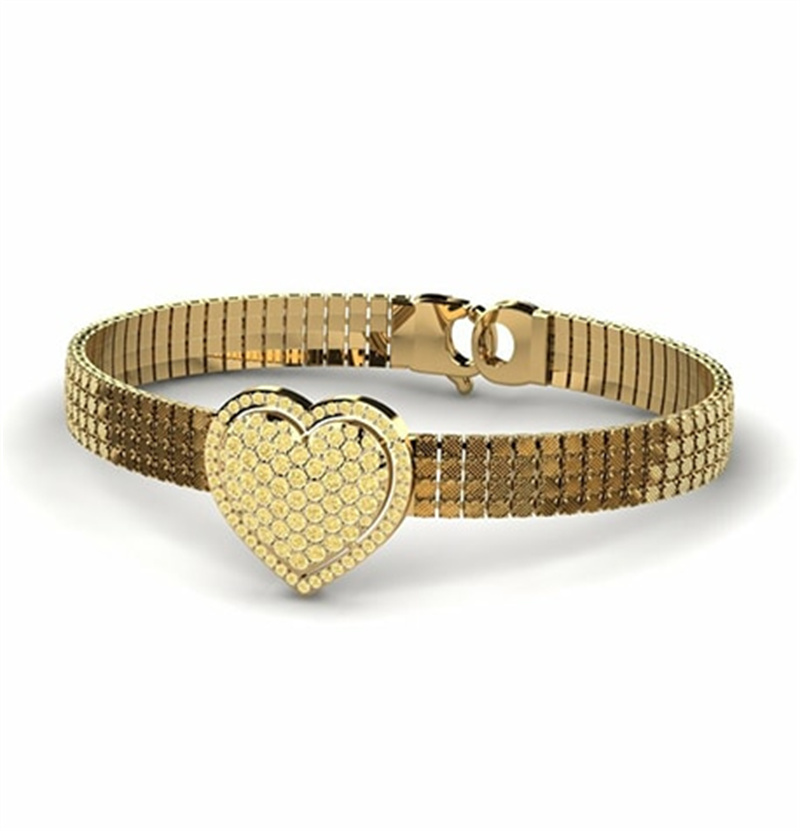
Custom make Tyra Initial Medallion Silver Ring with Diamond at JINGYING
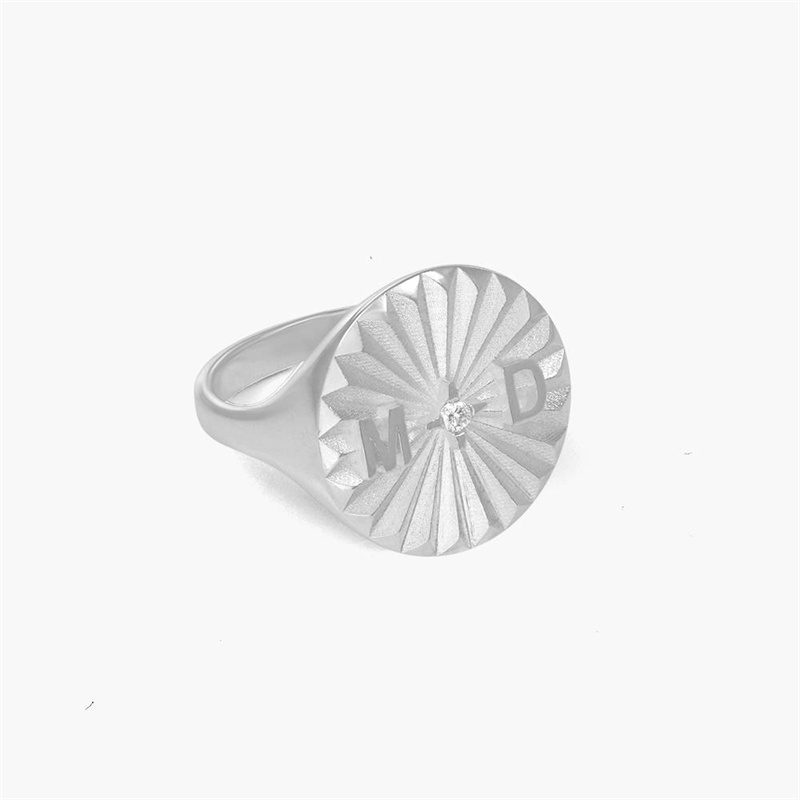
Custom make Tyra Initial Medallion Silver Ring with Diamond at JINGYING
LET’S GET STARTED : mo@kingjy.com
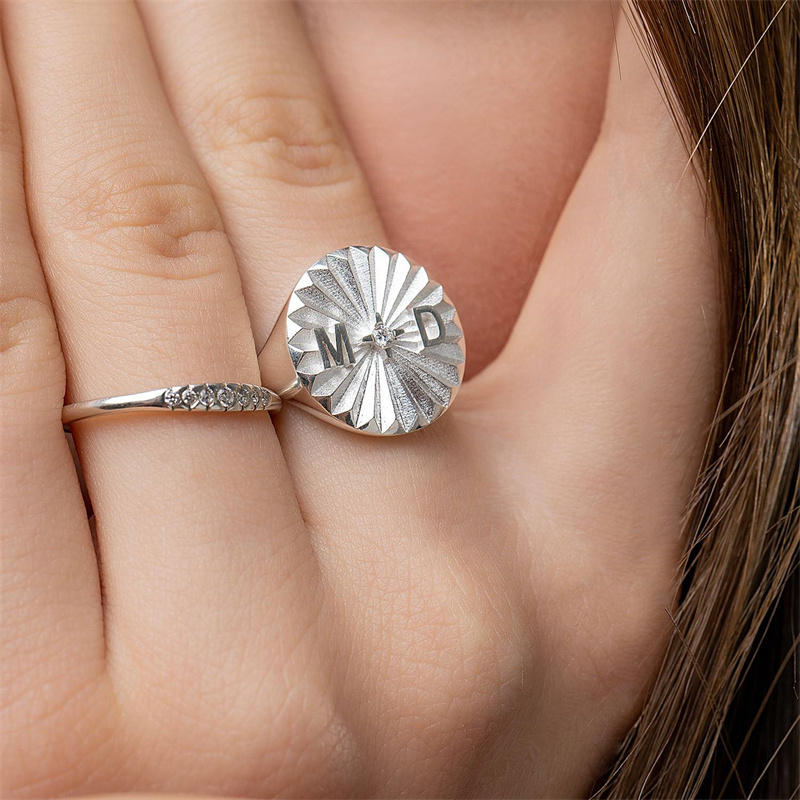
The Art of Personalization: How to Make a Tyra Initial Medallion Silver Ring with Diamond at JINGYING
Abstract
In the modern era of mass production, the desire for personalized, meaningful jewelry is experiencing a renaissance. Among the most sought-after contemporary designs is the “Initial Medallion Ring”—a coin-like crest suspended on a band, featuring a prominent letter and the brilliant accent of a diamond. This article provides a comprehensive technical guide to manufacturing the Tyra Initial Medallion Silver Ring with Diamond at JINGYING Jewelry.
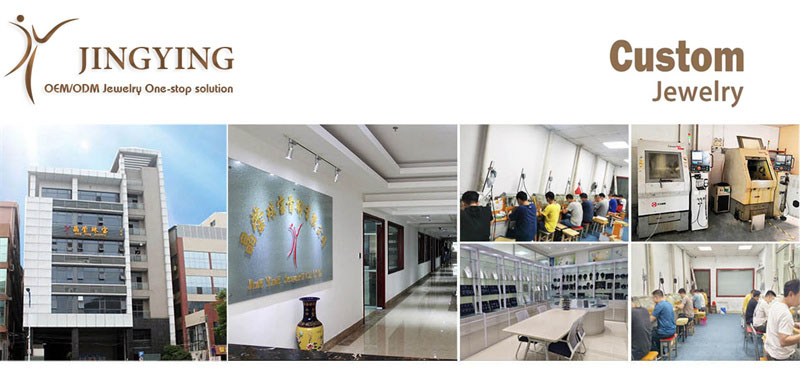
For over two decades, JINGYING has evolved from a modest workshop into an international manufacturing powerhouse, leveraging 25,000 square meters of facilities and a workforce of over 450 skilled professionals . By combining traditional craftsmanship with cutting-edge technology, JINGYING transforms raw 925 Sterling Silver and ethically sourced diamonds into heirloom-quality pieces. This guide will walk you through the 8 critical stages of production: from the initial design consultation and 3D CAD modeling, through the precision of lost-wax casting, the security of diamond setting, the chemistry of electroplating, and the rigor of final quality control.
1. The Genesis: Design Consultation and Material Selection
The journey of the Tyra Medallion Ring begins not on a workbench, but with a conversation. JINGYING’s process is rooted in collaboration, treating every client as a creative partner rather than just an order number .
The Design Brief
The “Tyra” design is characterized by three specific elements:
- The Medallion Profile: A thick, coin-like shape (usually 15mm-20mm in diameter) that serves as the canvas.
- The Initial: A deep, stylized engraving of a letter (e.g., ‘T’ for Tyra).
- The Diamond Accent: A small, brilliant round diamond set either beside the initial or at the base of the medallion.
Selecting the Materials
At JINGYING, material integrity is non-negotiable. For this specific ring, the standard specifications are:
- Base Metal: 925 Sterling Silver. This alloy consists of 92.5% pure silver and 7.5% copper, providing the strength necessary to hold a diamond setting securely while retaining the white luster of precious metal .
- The Diamond: A conflict-free, natural or lab-grown diamond. Given the delicate nature of the medallion, a round brilliant cut diamond (0.01ct to 0.05ct) with VS-SI clarity is ideal, as it maximizes “fire” (light dispersion) without requiring an overly large setting that would overpower the silver medallion .
2. Digital Sculpting: CAD Modeling and 3D Prototyping
Once the design is approved, the physical creation begins in the digital realm. JINGYING employs a team of 20 in-house design professionals utilizing Rhino and JewelCAD software .
Creating the 3D Model
The engineer imports the design parameters (thickness, width, ring size) into the software. For the Tyra ring, the modeling focuses on:
- The Band (Shank): Ensuring the comfort fit (slightly domed inside) so the medallion sits upright on the finger.
- The Medallion Depth: Calculating the exact depth required so the silver is thick enough to hold an engraving but light enough to wear daily.
- The Diamond Seat: Designing a Prong Setting (miniature claws) specifically cut to grip the exact diameter of the chosen diamond .
Rapid Prototyping
Before metal is cast, JINGYING uses advanced SLA (Stereolithography) 3D printers to produce a Resin Model. This is a “wax” version of the ring. Holding this physical prototype allows the designer to check the balance of the ring and the legibility of the Tyra initial. This “First Article Inspection” (FAI) ensures no dimensional errors exist before mass production .
3. The Transformation: Lost-Wax Casting
The transition from digital file to silver is achieved through Lost-Wax Casting, a 5,000-year-old process that JINGYING perfects with modern machinery .
Step 1: Wax Injection
The approved 3D printed mold is used to create a rubber mold. Liquid wax is injected into this mold to create multiple identical copies of the Tyra ring simultaneously.
Step 2: Assembly (The Wax Tree)
The wax rings are carefully attached to a central wax rod, creating a structure that looks like a tree. This allows for mass production efficiency. Sprues (wax channels) are attached to direct the flow of molten silver.
Step 3: Investment (Plastering)
The wax tree is placed in a steel flask and filled with a liquid plaster-like material called “investment.” Once hardened, it creates a negative mold of the entire tree.
Step 4: Burnout (De-waxing)
The flask is placed into a kiln heated to a precise high temperature. The wax melts and burns away (the “lost wax”), leaving a hollow cavity in the shape of the Tyra rings.
Step 5: Casting
Molten 925 Sterling Silver (heated to over 1,600°F/900°C) is injected into the cavity using vacuum or centrifugal casting machines. The machine ensures the silver fills every microscopic detail of the medallion’s texture .
4. The Framework: Post-Casting and Surface Preparation
Once the metal cools, the flask is quenched in water, revealing a metal “tree” of rough silver rings.
Cutting and Deburring
The rings are clipped from the tree using a shear. The small nubs (sprues) left on the ring are filed down flush with the surface. The ring is then tumbled in a machine with steel shot to work-harden the silver and burnish the surface to a preliminary shine .
The Critical Polish
The medallion is now a dull grey. Using a series of abrasive compounds and polishing wheels, JINGYING artisans create a mirror finish. For the Tyra ring, this step is crucial. The initial must be polished deep into the recesses so the background shines.
5. The Crown: Diamond Setting
Setting a diamond in silver requires a steady hand and microscopic precision, as silver is softer than gold. JINGYING employs master setters who specialize in micro-prong techniques .
Drilling the Seat
A tiny drill bit, smaller than a pinprick, is used to create the hole where the diamond will sit on the medallion.
The Prong Setting Process
For the Tyra ring, a 4-Prong Setting (often called a “Tiffany setting” for round stones) is used .
- The setter places the diamond into the pre-cut seat using a microscope.
- Using a small graver tool, the setter pushes the four silver prongs over the crown (the top angled edge) of the diamond.
- The Snap: The setter applies precise pressure. The prongs must hold the stone securely without scratching the diamond or cracking it.
- Final Tightening: The prongs are then beaded (textured) and polished flush against the stone, ensuring the ring can withstand daily wear without losing the gem.
JINGYING guarantees stone security, noting that quality checks for stone setting include dropping the item from 3 meters to ensure no dislodging occurs .
6. The Alchemy: Plating and Finishing
While 925 silver is beautiful, it tarnishes when exposed to air. To give the Tyra ring its lasting white brilliance and protect it from oxidation, JINGYING applies a rigorous plating protocol .
Rhodium Plating (The “Diamond” Finish)
Most high-end silver medallion rings are not left raw; they are plated with Rhodium, a member of the platinum family.
- Ultrasonic Cleaning: The ring is submerged in a heated chemical bath with ultrasonic waves to remove every trace of oil or dust. If the ring is not perfectly clean, the plating will peel .
- Electroplating: The ring is submerged in a rhodium solution. An electrical current is passed through the liquid. The rhodium ions are attracted to the negative charge of the silver ring, bonding to the surface.
- Result: The ring emerges with a hyper-white, mirror-like finish that is harder and more scratch-resistant than silver alone. It also has the added benefit of matching the white brilliance of the diamond .
Anti-Tarnish Layer
JINGYING applies a specialized lacquer or e-coating to the interior of the ring to prevent the silver from turning black over time, ensuring the Tyra initial remains legible.
7. The Seal of Approval: Quality Control (QC)
Before the Tyra ring is packaged, it undergoes a gauntlet of inspections.
Visual Inspection
Engineers inspect every surface under magnification. They look for porosity (tiny air bubbles from casting), tool marks from setting, and plating consistency.
The Stone Retention Test
JINGYING employs destructive sampling (testing random units to destruction) to ensure the diamond is secure.
- The Push Test: A steel needle applies pressure to the diamond to see if the prongs flex .
- The Drop Test: The ring is dropped onto a hard ceramic tile from standing height (approx. 1 meter) to simulate real-world accidents. If the diamond stays in place, the batch passes .
Plating Verification
Using an X-Ray Fluorescence (XRF) analyzer, technicians verify the thickness of the rhodium/platinum layer to ensure it meets the wear standard of 1-2 years of daily use .
8. The Final Reveal: Packaging and Presentation
The final step is not just about shipping; it is about preserving the product. Once the Tyra ring passes QC, it is ultrasonically cleaned one last time to remove fingerprints.
The ring is placed in a luxury box specifically designed to prevent scratching—the medallion rests in a soft insert, and the band is secured. The specific dimensions of the Tyra medallion (approximately 17.55mm x 18.07mm) require a custom-fit slot in the packaging to prevent movement during transit .
Conclusion
Making a Tyra Initial Medallion Silver Ring with a Diamond at JINGYING is a symphony of art and science. It bridges the gap between the customer’s emotional desire for a personalized symbol (the letter ‘T’) and the rigorous physics required to hold a diamond securely in silver .
From the initial 3D sketch to the final rhodium dip, JINGYING’s 23 years of experience ensure that every ring is not just a piece of jewelry, but a durable, shining legacy. The process respects the heritage of lost-wax casting while embracing the precision of CAD and XRF analysis, resulting in a 925 Sterling Silver ring that offers the durability of industrial engineering and the soul of handcrafted art.
Technical Specifications Summary (Based on JINGYING & Oak & Luna Standards)
| Component | Specification | Standard / Requirement |
|---|---|---|
| Base Metal | 925 Sterling Silver | 92.5% Pure Ag / 7.5% Cu alloy |
| Diamond | Round Brilliant Cut | VS-SI Clarity, approx. 0.05ct |
| Setting Type | Micro-Prong (4 claws) | Must pass 3-meter drop test |
| Plating | Rhodium / 3 Micron Silver | Anti-tarnish, hypoallergenic |
| Dimensions | Medallion | approx. 18mm diameter |
| Manufacturing Tolerances | +/- 0.1mm | Verified via CNC & CAD/CAM alignment |