Custom Jewelry in China OEM ODM Sapphire Staircase Stud Earrings in Gold
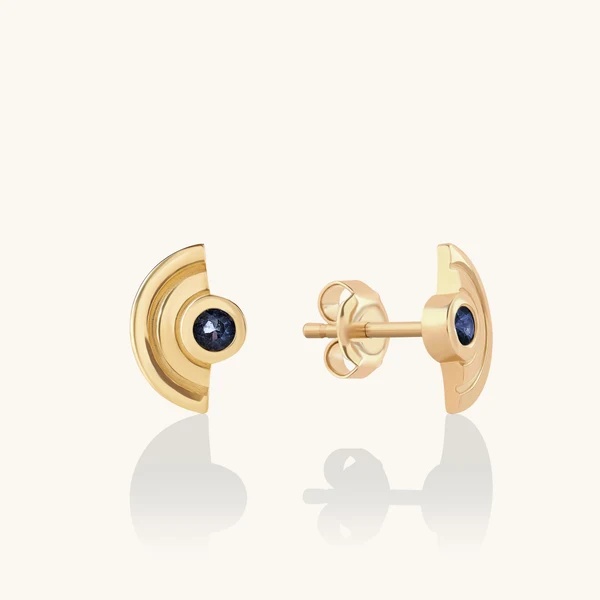

Custom Jewelry in China OEM ODM Sapphire Staircase Stud Earrings in Gold
LET’S GET STARTED : mo@kingjy.com
How to Custom Sapphire Staircase Stud Earrings in Gold
Introduction
Few pieces of jewelry achieve the perfect balance between architectural precision and organic elegance quite like sapphire staircase stud earrings. The “staircase” design—characterized by graduated rows of sapphires that ascend or descend in a stepped formation—creates a visual rhythm that draws the eye upward, much like a grand staircase in a stately home. When rendered in warm yellow gold and set with the deep, velvety blue of sapphires, these earrings become wearable works of art that command attention without overwhelming the wearer.
Customizing a pair of sapphire staircase stud earrings is a deeply personal journey that transforms a beautiful design concept into a tangible heirloom. This guide walks you through every step of the process—from selecting the perfect sapphires and choosing the right gold purity to collaborating with a jeweler and caring for your finished piece.
Part One: Understanding the Sapphire Staircase Aesthetic
The Design Language
The staircase configuration in earrings typically features sapphires arranged in parallel rows or graduated steps, with each stone slightly offset from the one below it. This geometric arrangement creates a sense of movement and dimension, making even small stud earrings feel substantial and dynamic. The design draws inspiration from Art Deco geometry and architectural forms, yet it remains remarkably versatile—equally at home with a cocktail dress as with a crisp white shirt.
The beauty of this design lies in its symmetry and precision. Each sapphire must be carefully selected not only for its individual quality but also for how it relates to its neighbors. In a staircase configuration, uniformity of size, color, and cut is essential to achieve the seamless, stepped effect that defines the style.
Why Yellow Gold?
Yellow gold provides the perfect counterpoint to blue sapphires. The warm, golden hue creates a striking contrast with the cool blue of the sapphire, deepening the stone’s color and enhancing its brilliance. Unlike white gold, which can sometimes wash out the sapphire’s intensity, yellow gold amplifies it. The combination evokes a sense of timeless luxury—think of royal jewelry collections and classic Hollywood glamour.
Part Two: Selecting Your Sapphires
The Four Cs of Sapphire Quality
Before you can customize your earrings, you must understand what makes a sapphire exceptional. The Gemological Institute of America (GIA) emphasizes four key factors: color, clarity, cut, and carat weight.
Color is the most important quality factor for sapphires. The most highly valued blue sapphires display a velvety blue to violetish-blue hue in medium to medium-dark tones, with strong to vivid color saturation. For staircase earrings, where multiple stones sit side by side, color consistency is paramount. Even slight variations in hue or tone can disrupt the visual harmony of the stepped design.
Clarity refers to the presence of inclusions—natural internal features that are common in sapphires. Blue sapphires with extremely high clarity are rare and valuable. Many sapphires contain fine, needle-like inclusions called “silk” that can actually enhance the stone’s appearance by scattering light. Heat treatment is common in sapphires and is widely accepted in the industry to improve color and clarity—just ensure your jeweler discloses any treatments.
Cut is particularly critical for staircase designs. The most common cut for this style is the baguette cut—a rectangular, step-cut shape with parallel facets that creates a hall-of-mirrors effect. Baguette-cut sapphires offer clean, geometric lines that align perfectly with the architectural nature of the staircase design. Their elongated shape also makes them ideal for creating the stepped effect, as they can be arranged in graduated rows.
Carat weight affects both the size of the stones and the overall presence of the earrings. For stud earrings, you’ll want stones large enough to showcase the staircase effect without becoming cumbersome. Many designers work with sapphires ranging from 3mm to 6mm in length for staircase configurations.
Natural vs. Lab-Created Sapphires
One of the first decisions you’ll make is whether to choose natural or lab-created sapphires. Lab-created sapphires share the same physical and chemical properties as natural stones but are more economical and sustainable. They also offer greater consistency in color and clarity—an advantage when you need multiple stones to match perfectly.
Natural sapphires carry the romance of geological history and the uniqueness of stones formed over millions of years. They come from sources around the world: Sri Lanka’s Ratnapura region, famous for vivid blues; Burma’s Mogok Valley, celebrated for depth of color; and Madagascar’s emerging deposits, known for intense, open blues.
Sourcing and Selection
When customizing staircase earrings, you’re not just selecting one sapphire—you’re selecting a matched set. Your jeweler should source multiple stones that share consistent color, clarity, and cut. This is one area where working with an experienced professional is invaluable; they have access to wholesale gem markets and can hand-pick stones that work together harmoniously.
Part Three: Choosing Your Gold
Understanding Karat Options
Gold purity is measured in karats, with 24K being pure gold. For jewelry, gold is alloyed with other metals to increase durability. The most common options for fine jewelry are 14K and 18K gold.
14K gold contains 58.3% pure gold alloyed with other metals. It offers excellent durability and is more affordable than higher-karat options. The color is slightly less intense than 18K but still provides the warm, golden hue that complements blue sapphires beautifully.
18K gold contains 75% pure gold and is considered the gold standard for fine jewelry. It has a richer, more saturated yellow color and greater inherent value. Many high-end jewelers work exclusively in 18K gold for their custom creations. The higher gold content also means the metal is slightly softer, though still perfectly suitable for stud earrings that won’t endure the daily wear-and-tear of rings.
Recycled and Sustainable Gold
Many contemporary jewelers offer recycled gold options, using precious metals that have been refined from existing jewelry or industrial sources. This choice reduces the environmental impact of mining without compromising quality. If sustainability matters to you, discuss this option with your jeweler.
Finishes
The finish of your gold setting significantly affects the final appearance. A high-polish finish creates maximum reflection and a brilliant, mirror-like surface that enhances the sapphires’ sparkle. A brushed or satin finish offers a softer, more contemporary look with a subtle texture that can make the geometric staircase design feel more modern. Some designers combine finishes—polished bezels with brushed backs—to create depth and interest.
Part Four: The Customization Process
Step 1: Initial Consultation
The journey begins with a conversation. Whether you visit a jewelry studio in person or work remotely, the consultation is where you share your vision. Bring inspiration images, describe your style preferences, and discuss your budget. A good jeweler will listen carefully, ask thoughtful questions, and offer professional guidance.
During this phase, you’ll also discuss:
- Timeline: Custom jewelry typically takes 3 to 6 weeks, though more complex designs may require longer.
- Budget: Be transparent about what you’re comfortable spending. Your jeweler can suggest adjustments—different stone sizes, alternative gold purities, or modified designs—to align with your budget.
Step 2: Design Development
Once your vision is understood, the designer creates concept sketches. For staircase earrings, these sketches will show the arrangement of sapphires, the number of steps, the overall dimensions, and the setting style.
Setting styles to consider:
- Prong settings use small metal claws to hold each stone, maximizing light exposure and brilliance.
- Bezel settings encircle each stone with a thin metal rim, offering a sleek, modern look with greater protection.
- Channel settings nestle stones between two metal walls, creating a smooth, continuous line—particularly effective for staircase designs where stones sit side by side.
Step 3: CAD Modeling and Wax Prototyping
After you approve the sketches, your jeweler will create a Computer-Aided Design (CAD) model. This digital rendering shows your earrings from every angle, allowing you to see exactly how the finished piece will look. You can request adjustments at this stage—perhaps the steps need to be more pronounced, or the proportions feel off.
Once the CAD is finalized, a wax model is 3D-printed. This physical prototype lets you hold your earrings in your hands before they’re cast in gold. It’s your last opportunity to make changes.
Step 4: Casting and Setting
The approved wax model is used to create a mold through the lost-wax casting process. Molten gold is poured into the mold, creating the metal framework of your earrings. The metal is then cleaned, filed, and polished.
Now comes the most delicate work: stone setting. Each sapphire is carefully placed into its setting—a process that requires extraordinary precision. For staircase designs, where stones must align perfectly, this is particularly challenging. The jeweler checks each stone’s security and alignment before moving to the next.
Step 5: Final Polishing and Quality Control
The finished earrings receive a final polish to bring out the full brilliance of both gold and sapphires. They’re inspected under magnification to ensure every stone is secure, every surface is flawless, and the staircase effect is perfectly executed.
Part Five: Working with a Jeweler
Choosing the Right Partner
Not all jewelers are equipped for complex custom work. Look for:
- Experience with custom jewelry and stone setting
- Portfolio of previous custom work, particularly with sapphires and geometric designs
- Transparency about pricing, materials, and timeline
- Warranty and aftercare services
Communication Is Key
Custom jewelry is a collaborative process. Be specific about what you want, but also trust your jeweler’s expertise. They understand what works structurally and aesthetically. Ask questions, request updates, and don’t hesitate to speak up if something doesn’t feel right.
Budget Considerations
Custom jewelry represents an investment. Beyond the cost of materials—gold and sapphires—you’re paying for design expertise, skilled craftsmanship, and the creation of something uniquely yours. Be realistic about your budget, and understand that quality materials and workmanship come at a price.
Part Six: Caring for Your Custom Earrings
Daily Wear
Sapphires are among the hardest gemstones—second only to diamonds—making them excellent for everyday wear. However, gold is a softer metal that can scratch or bend. Remove your earrings before sleeping, exercising, or applying cosmetics and hair products.
Cleaning
Clean your earrings gently with warm soapy water and a soft brush. Avoid ultrasonic cleaners unless your jeweler confirms they’re safe for your specific setting. Dry with a soft, lint-free cloth.
Professional Maintenance
Most jewelers offer complimentary cleaning and inspection services. Schedule annual check-ups to ensure prongs remain tight and the gold shows no signs of wear. With proper care, your custom sapphire staircase earrings will remain beautiful for generations.
Conclusion
Customizing sapphire staircase stud earrings in gold is more than a purchase—it’s a creative collaboration that results in a piece of jewelry as individual as you are. From the careful selection of matched sapphires to the precision of the staircase setting, every decision shapes the final creation.
The process requires patience—custom jewelry cannot be rushed. But the reward is a pair of earrings that no one else owns, that perfectly suits your style, and that carries the story of its creation. Whether you choose natural sapphires from Sri Lanka’s legendary mines or lab-created stones with flawless consistency, whether you opt for 14K gold’s durability or 18K gold’s richness, your custom earrings will be a reflection of your taste and a testament to the enduring beauty of fine craftsmanship.
In a world of mass production, custom jewelry offers something increasingly rare: meaning. Every time you wear your sapphire staircase studs, you’ll remember the journey that brought them to life—the conversations, the decisions, the anticipation—and the skilled hands that transformed your vision into reality.